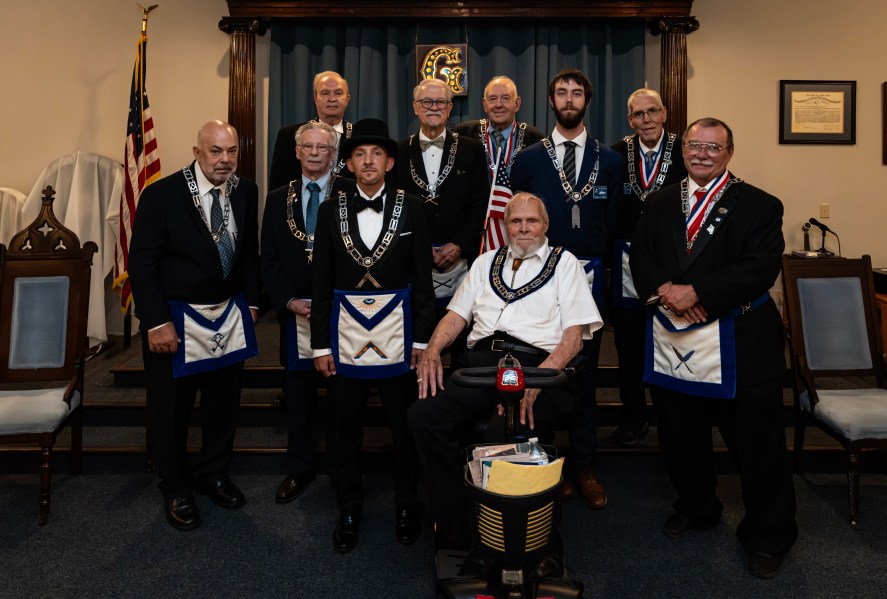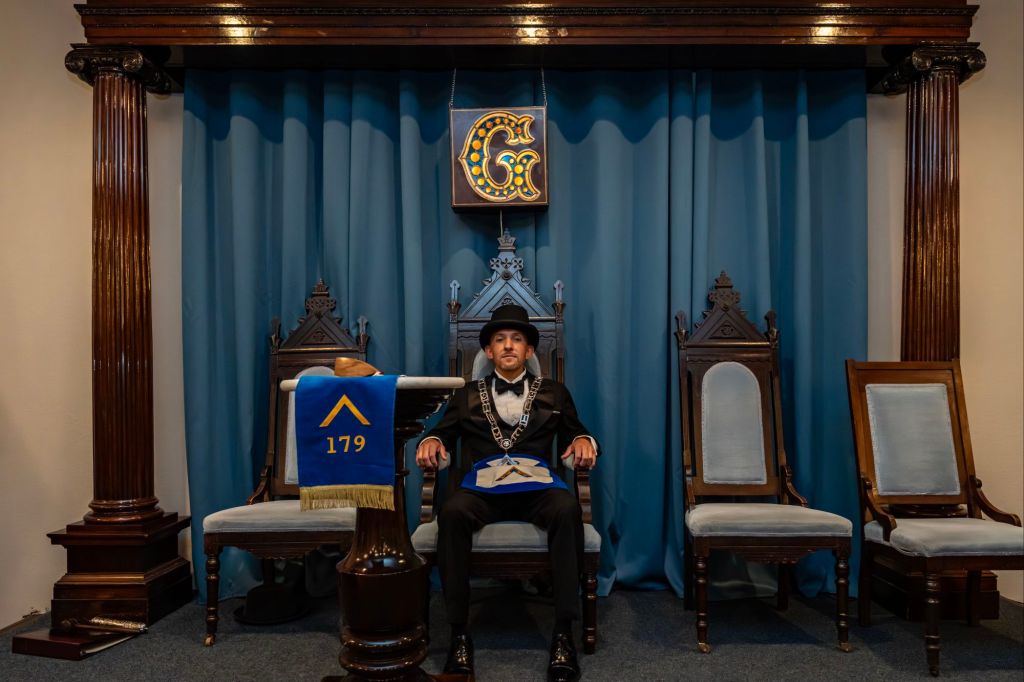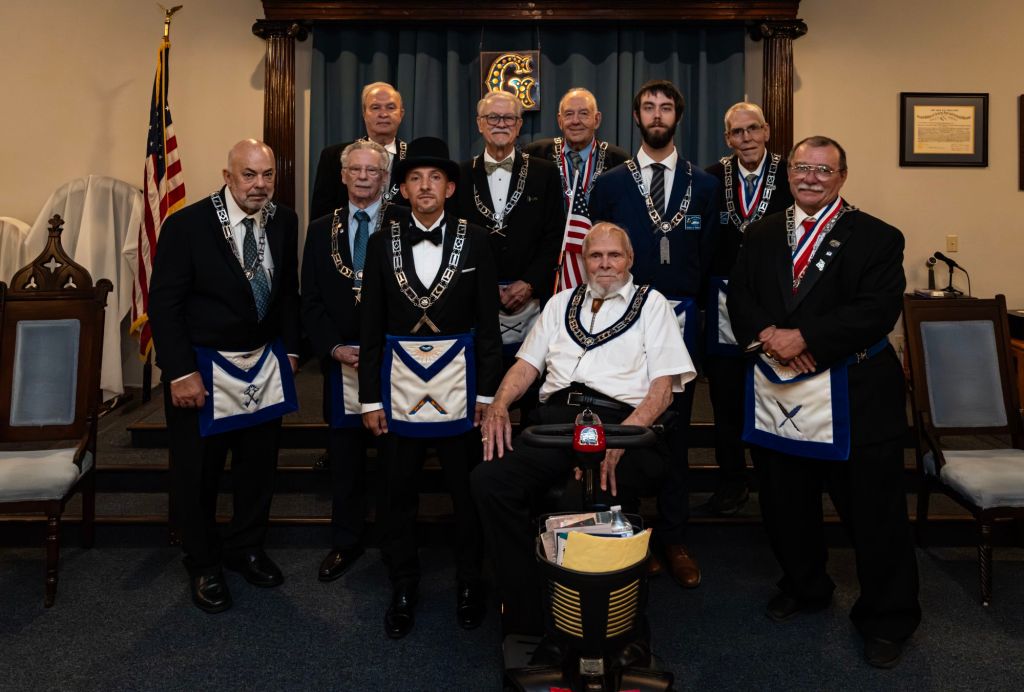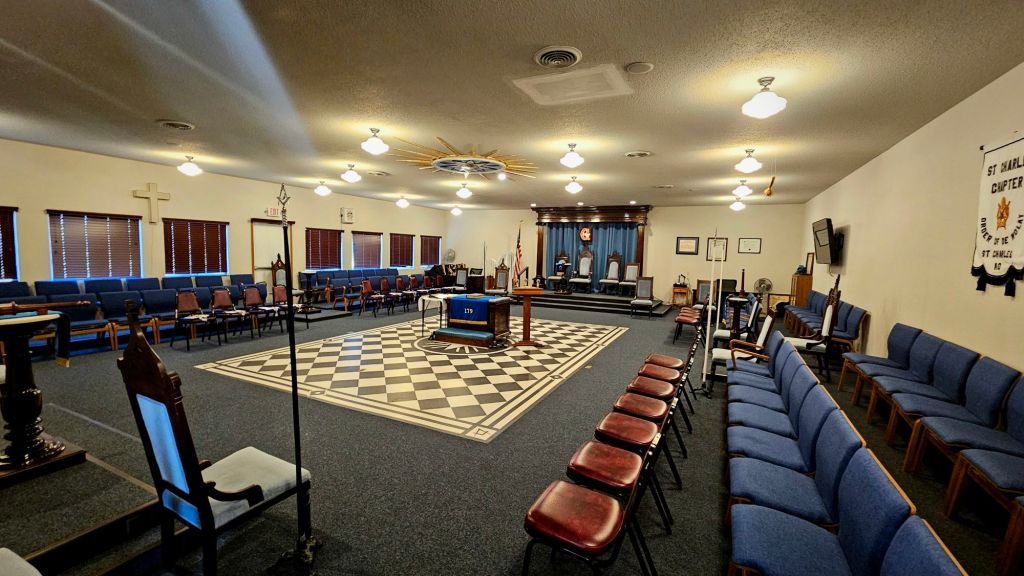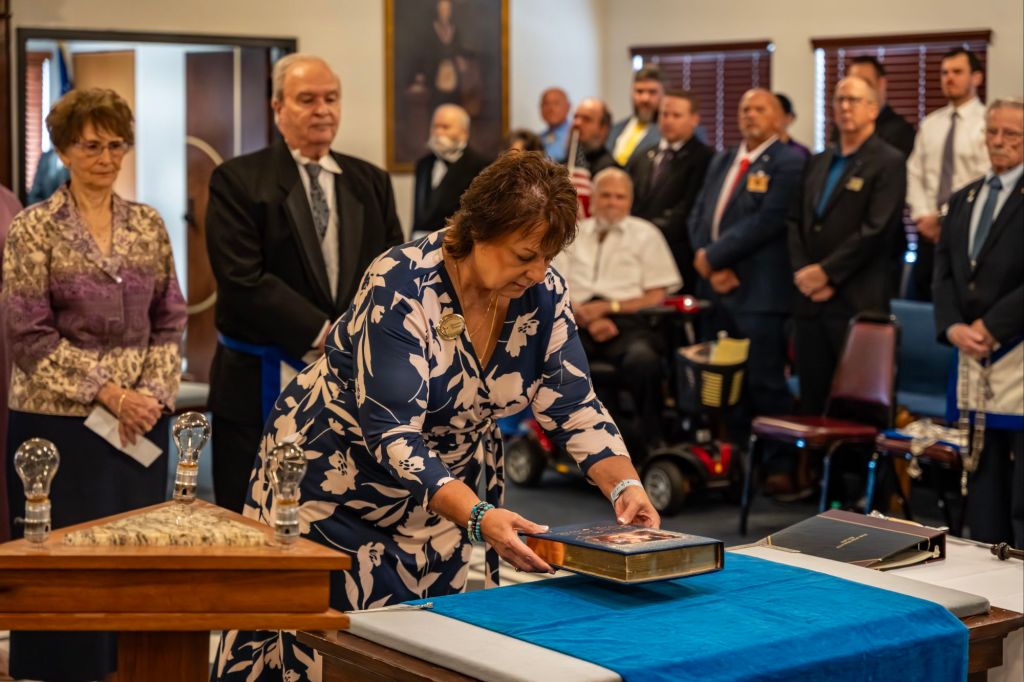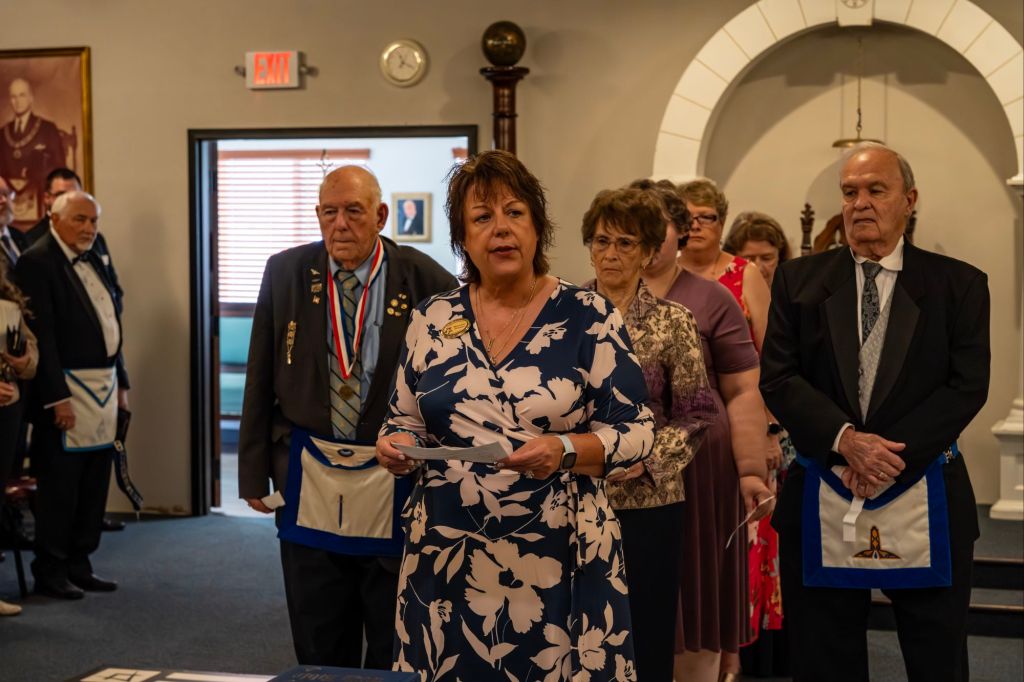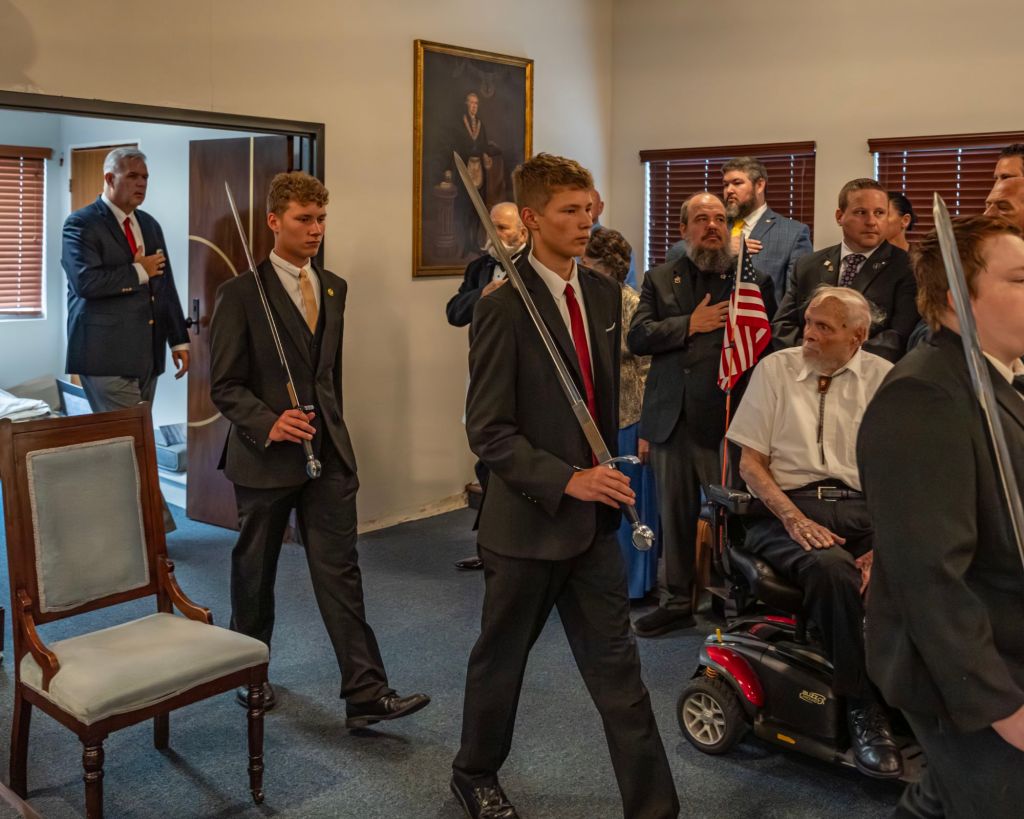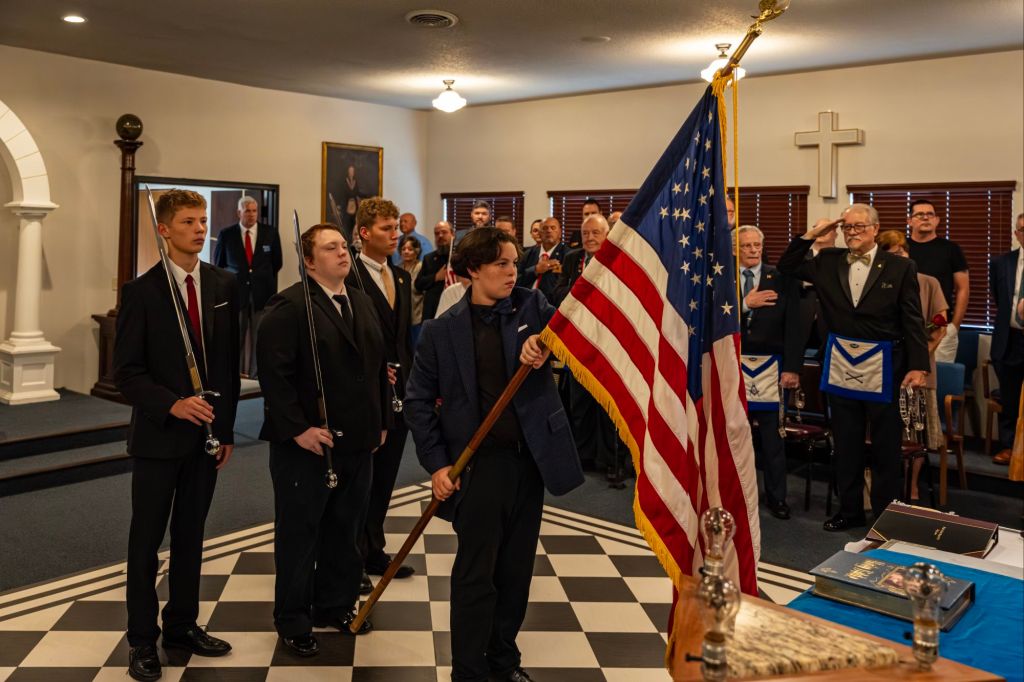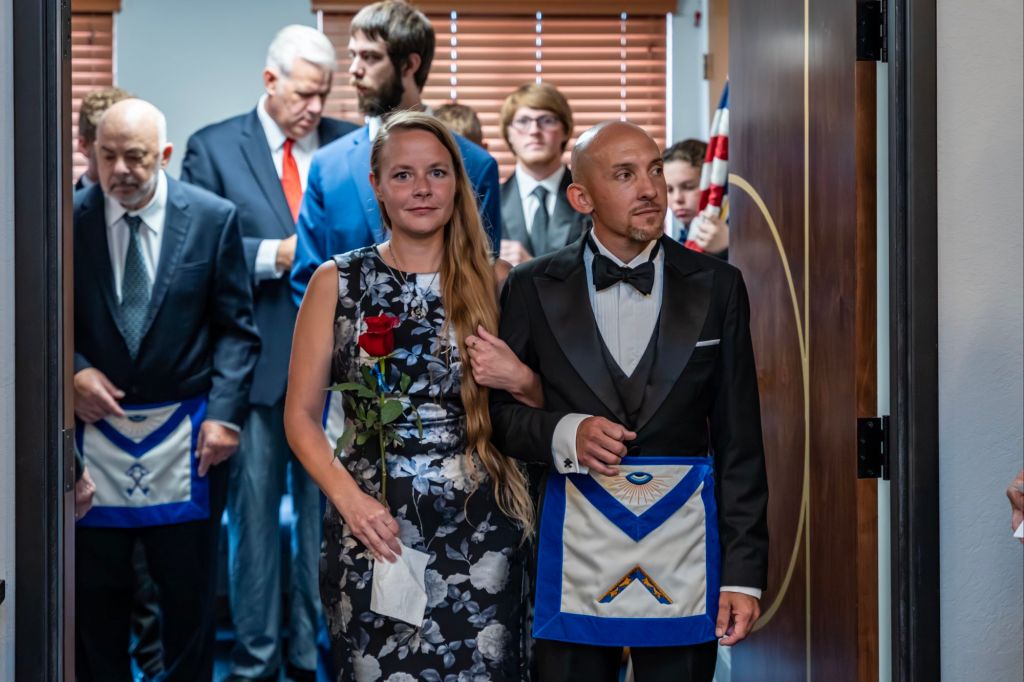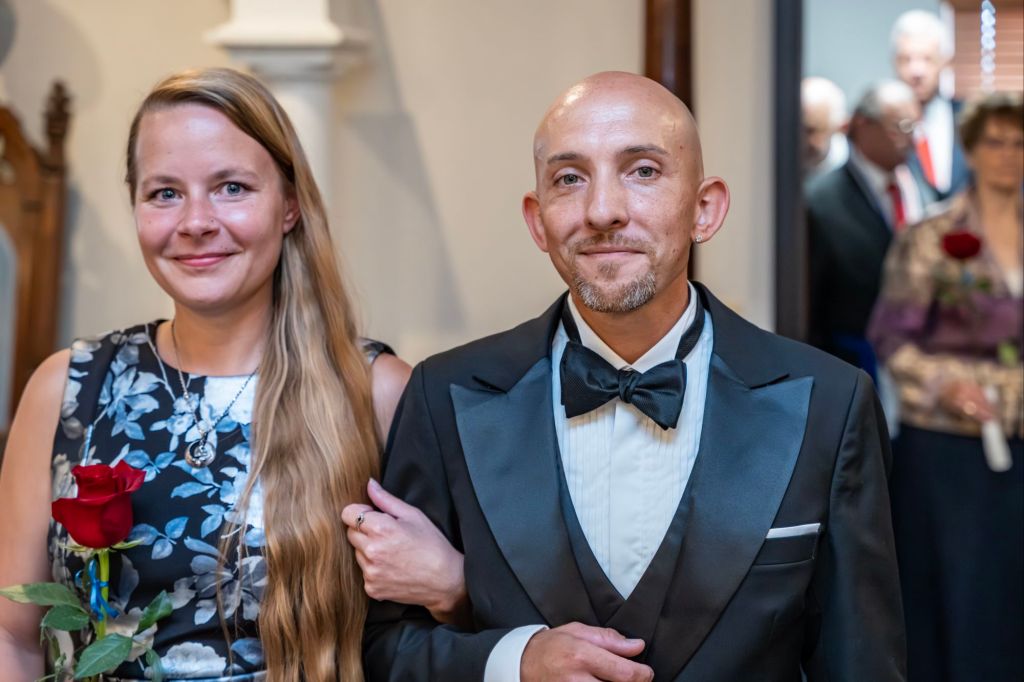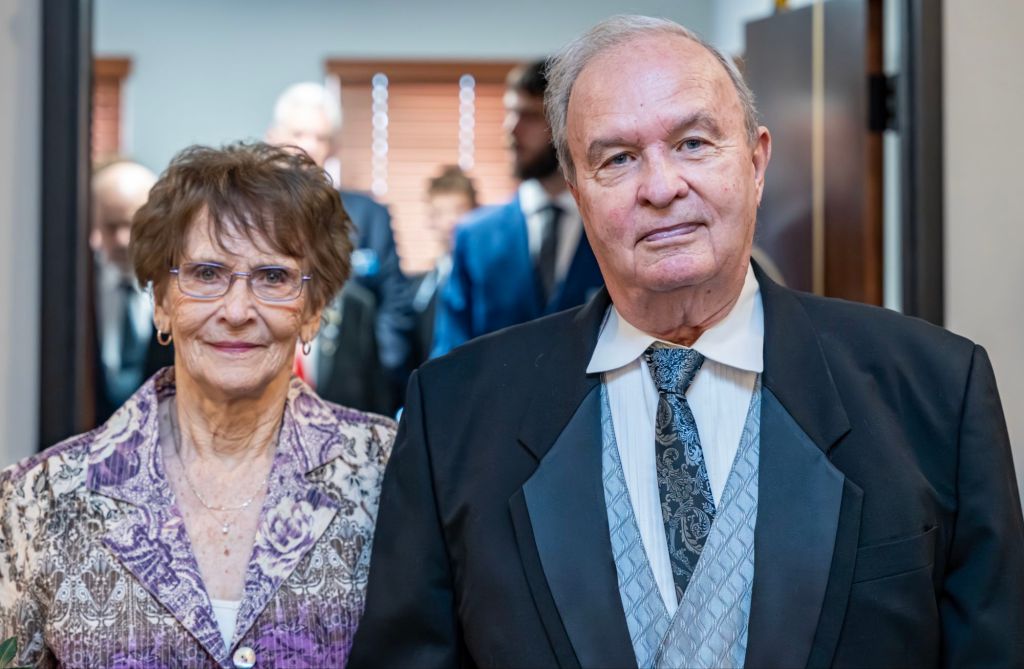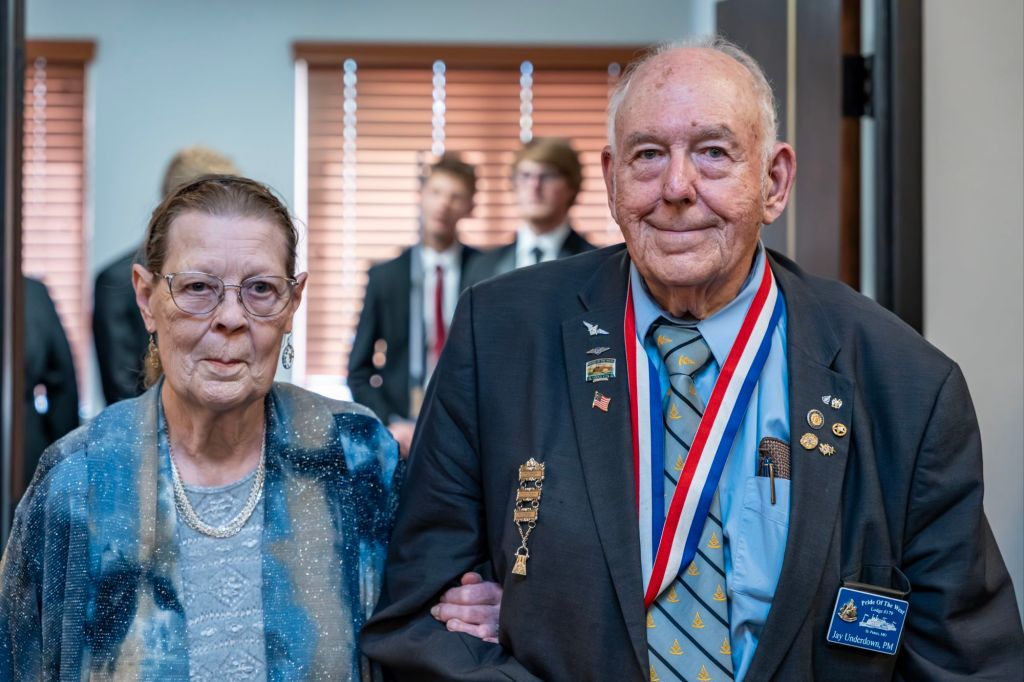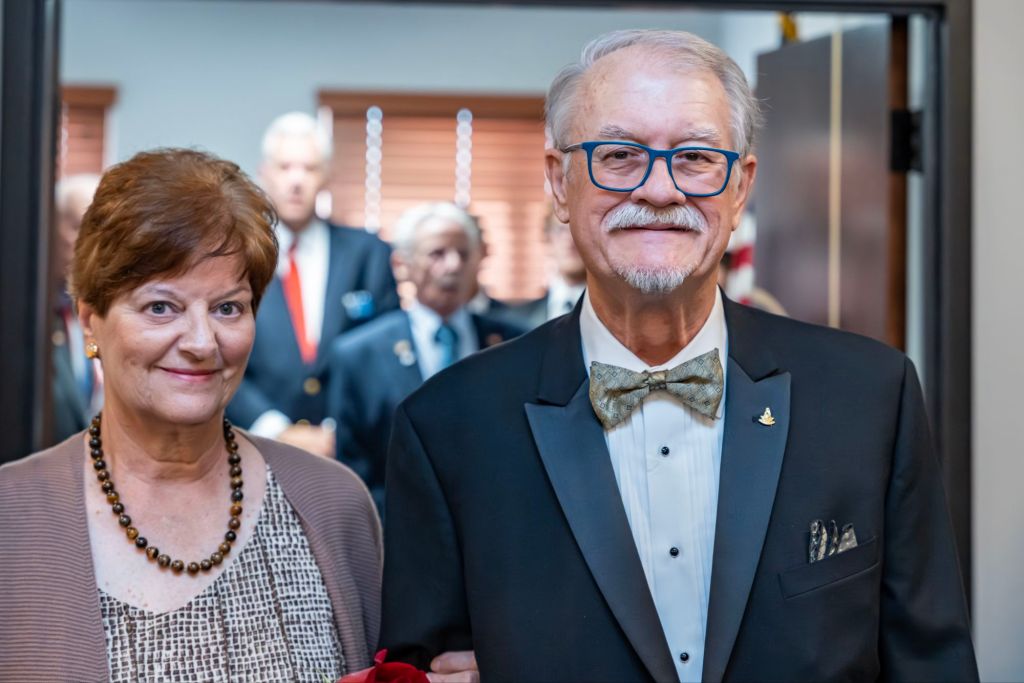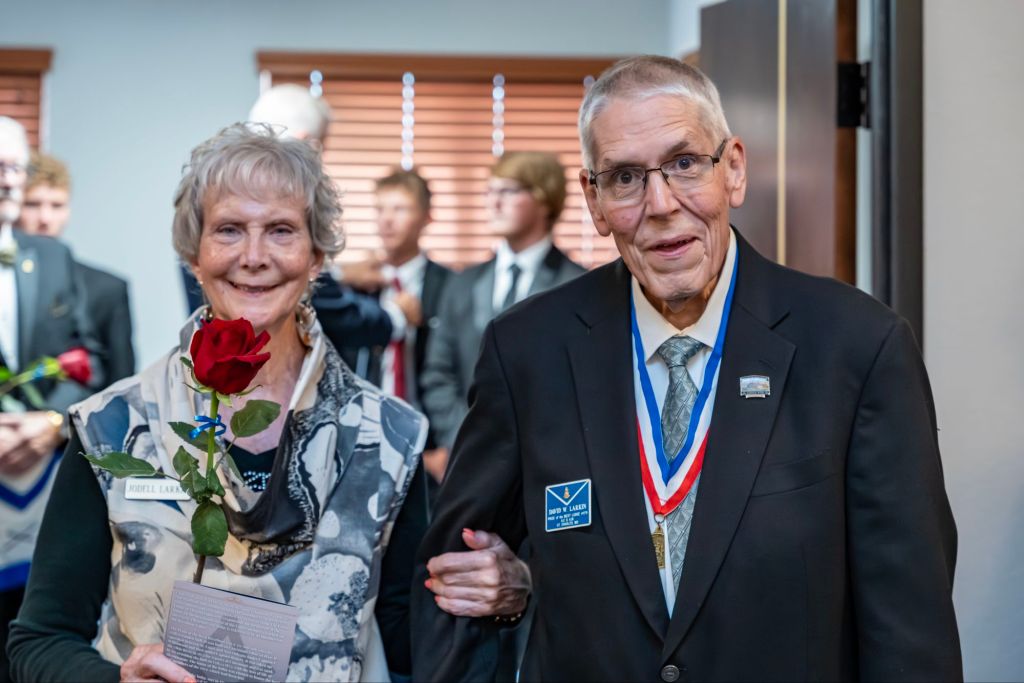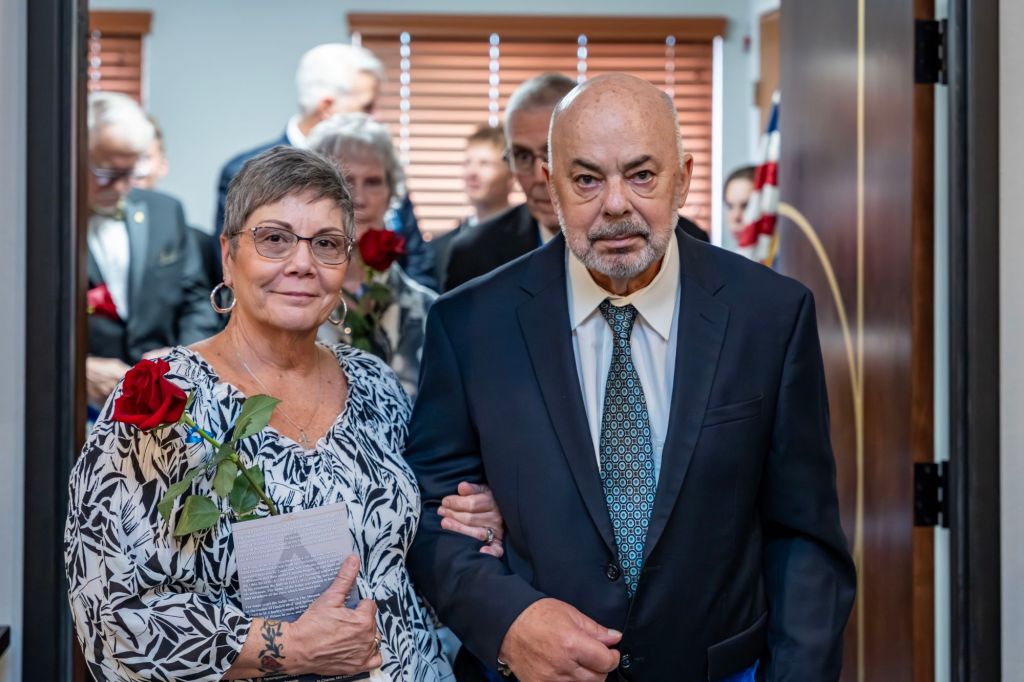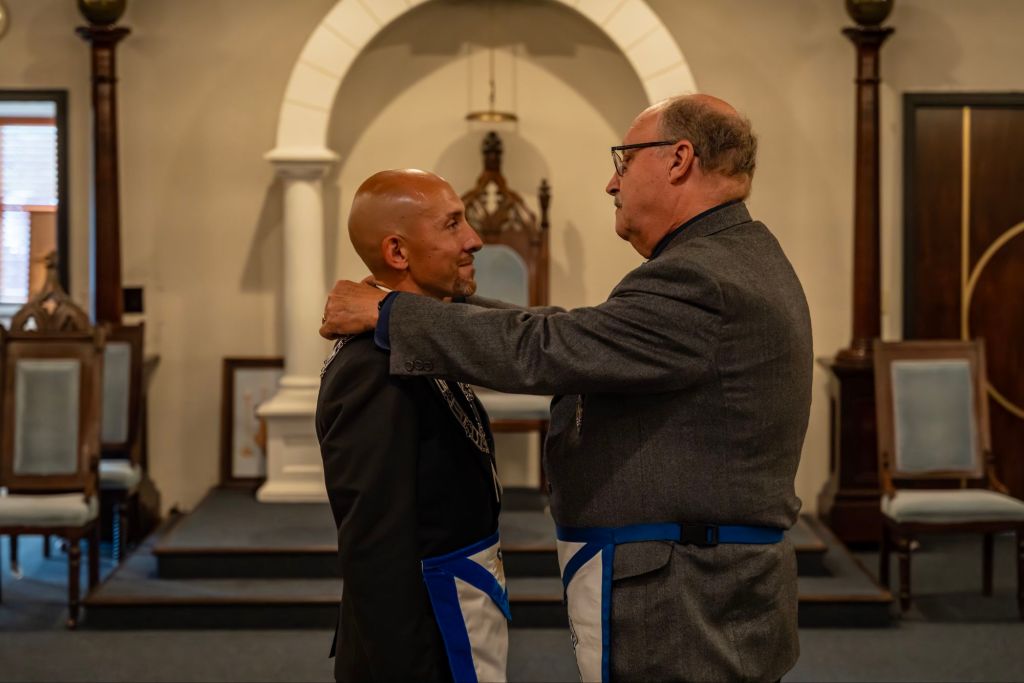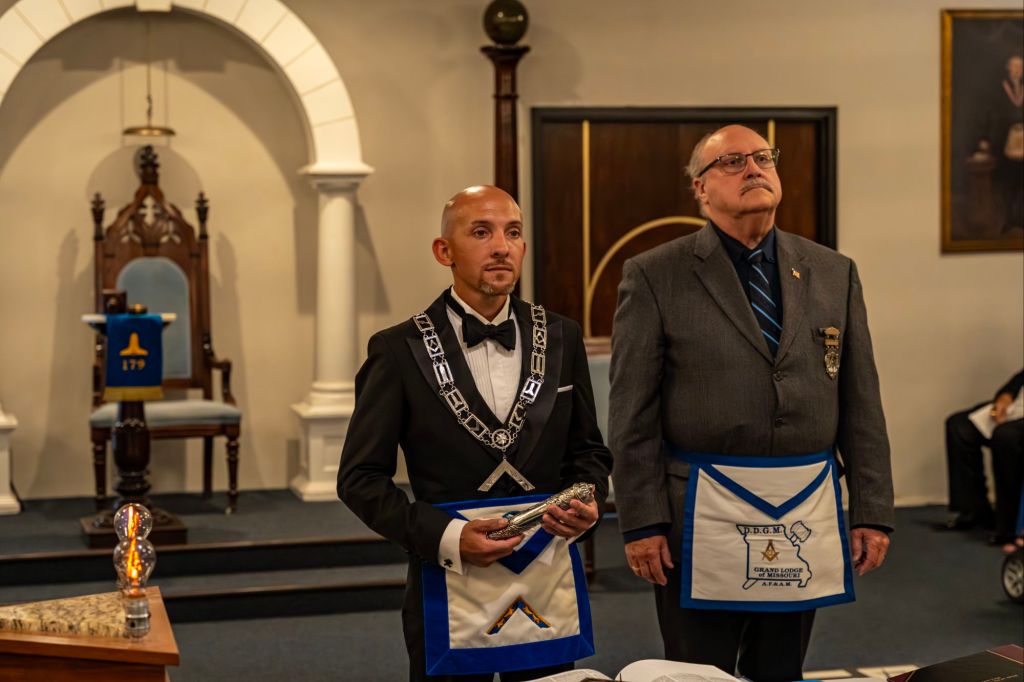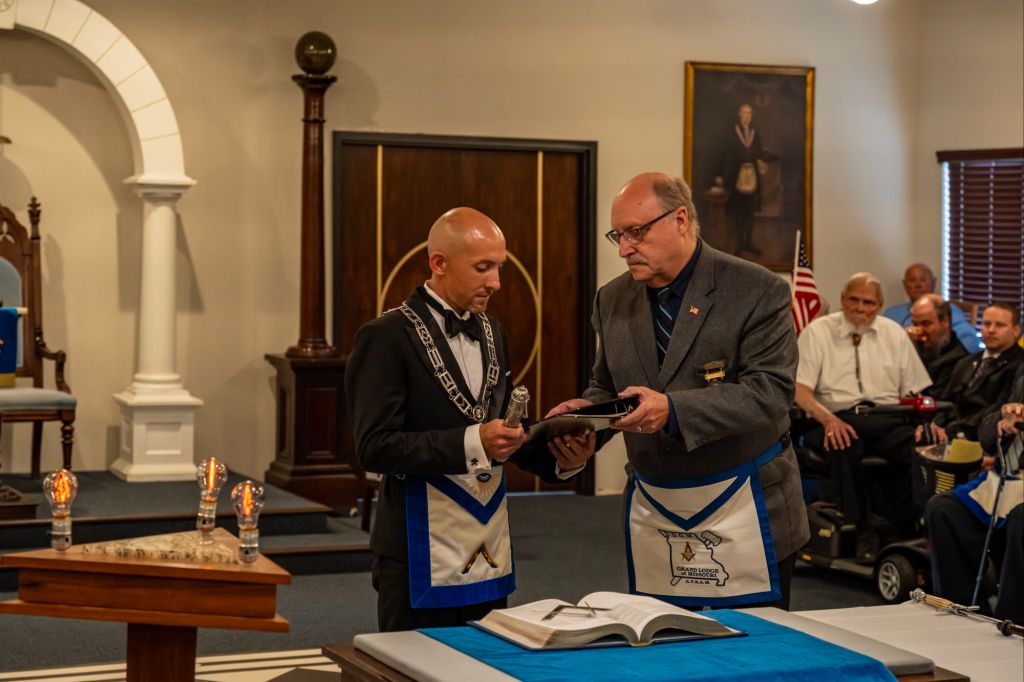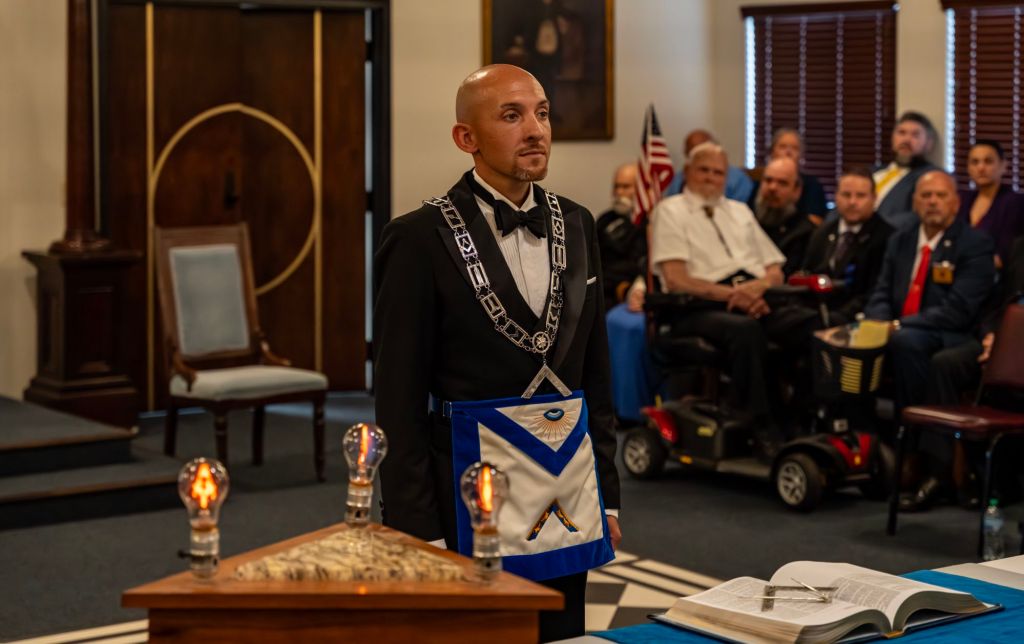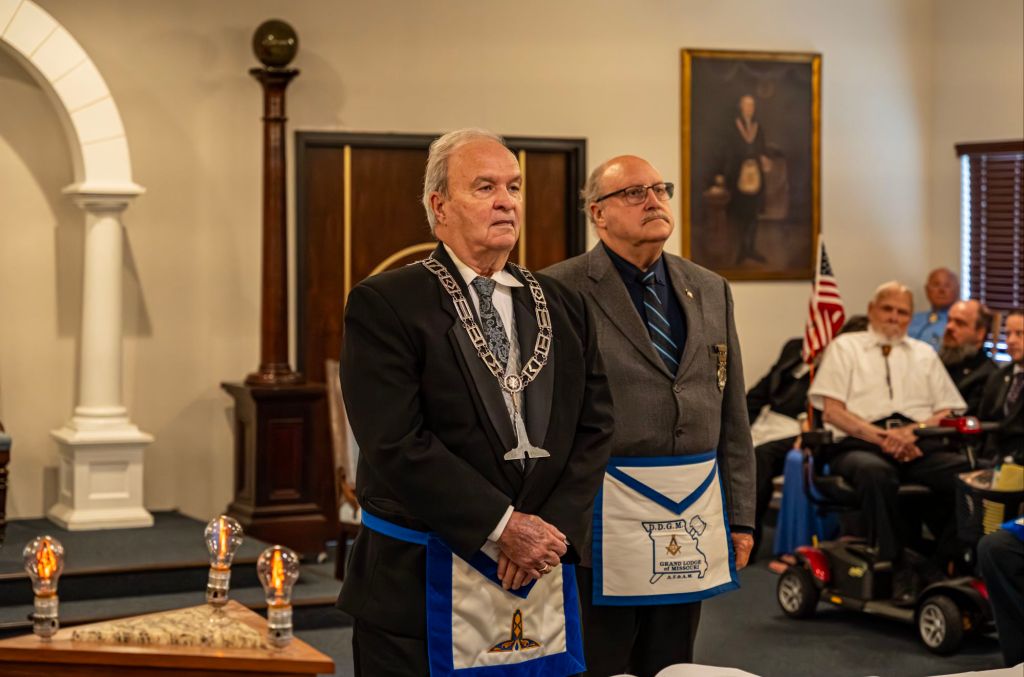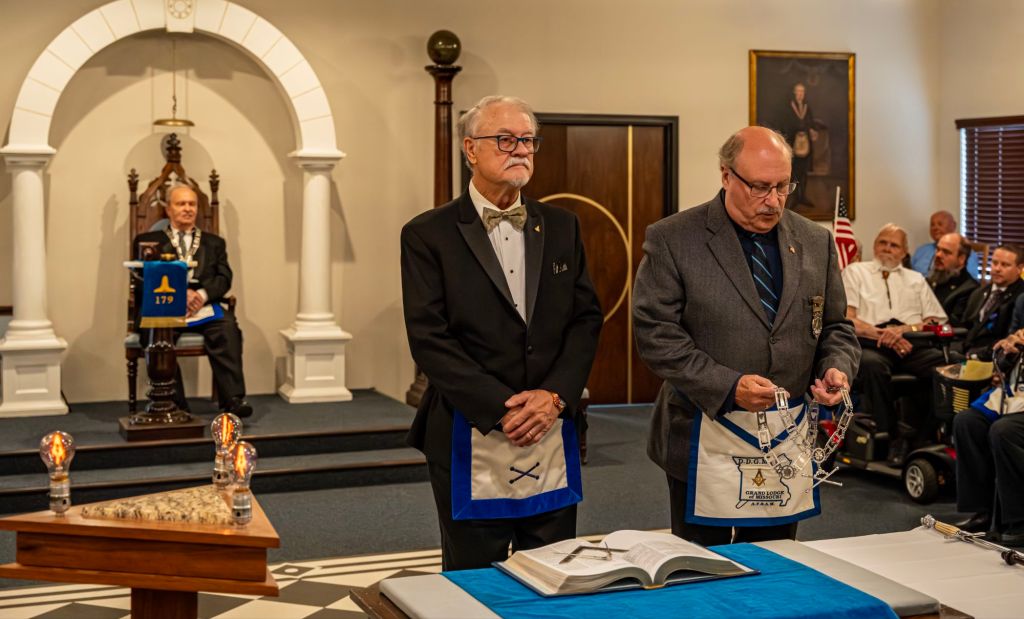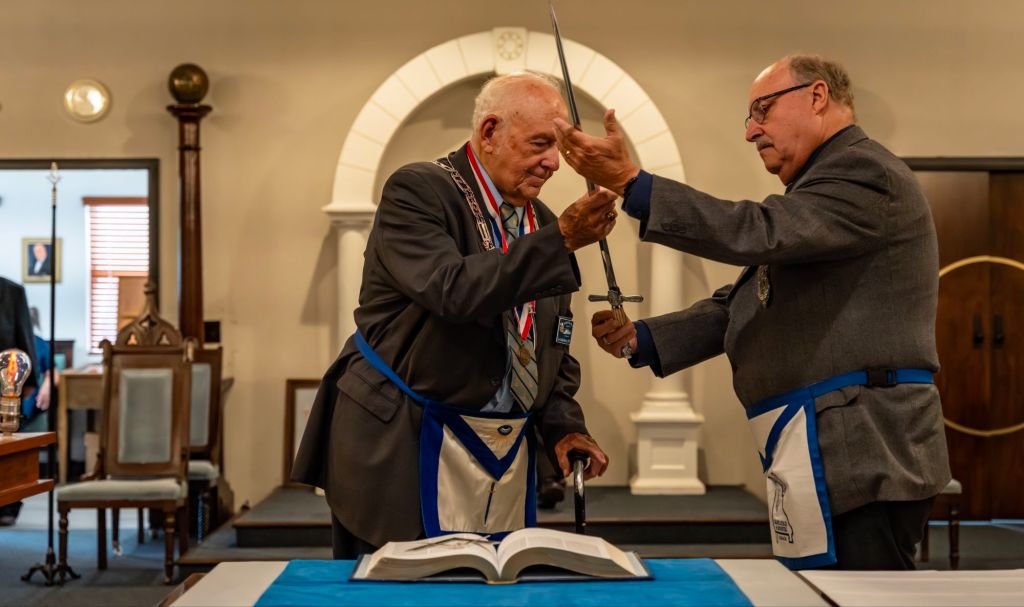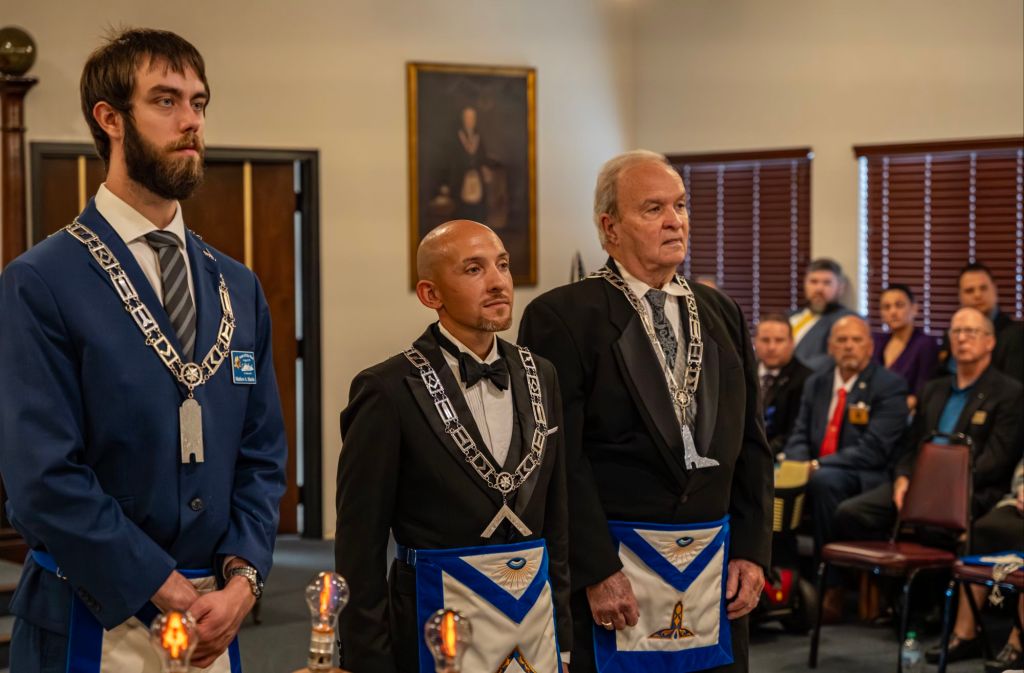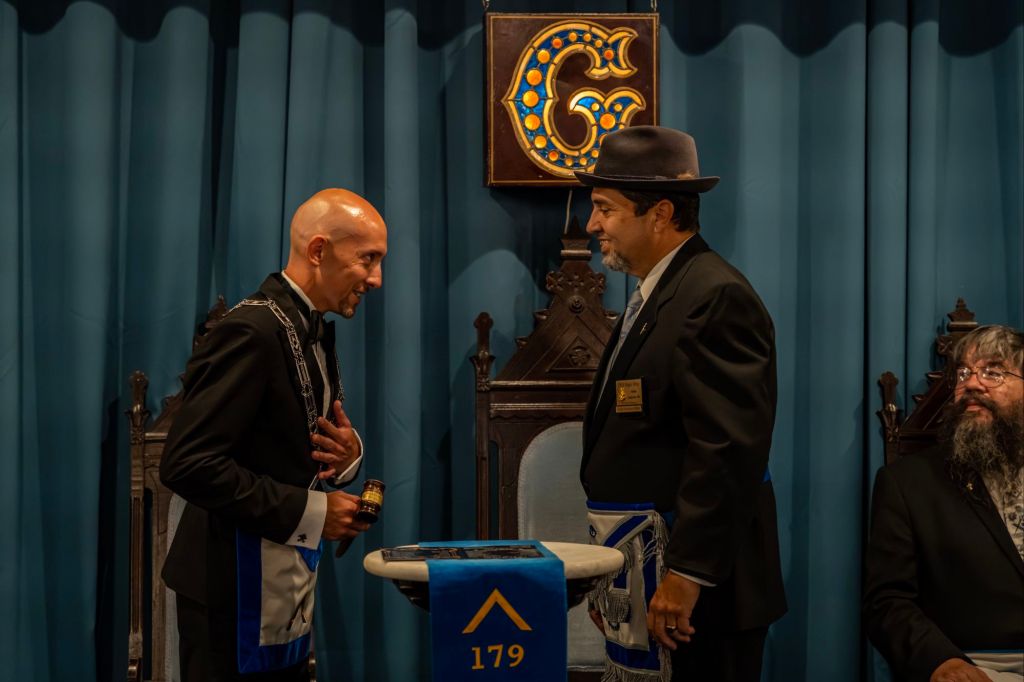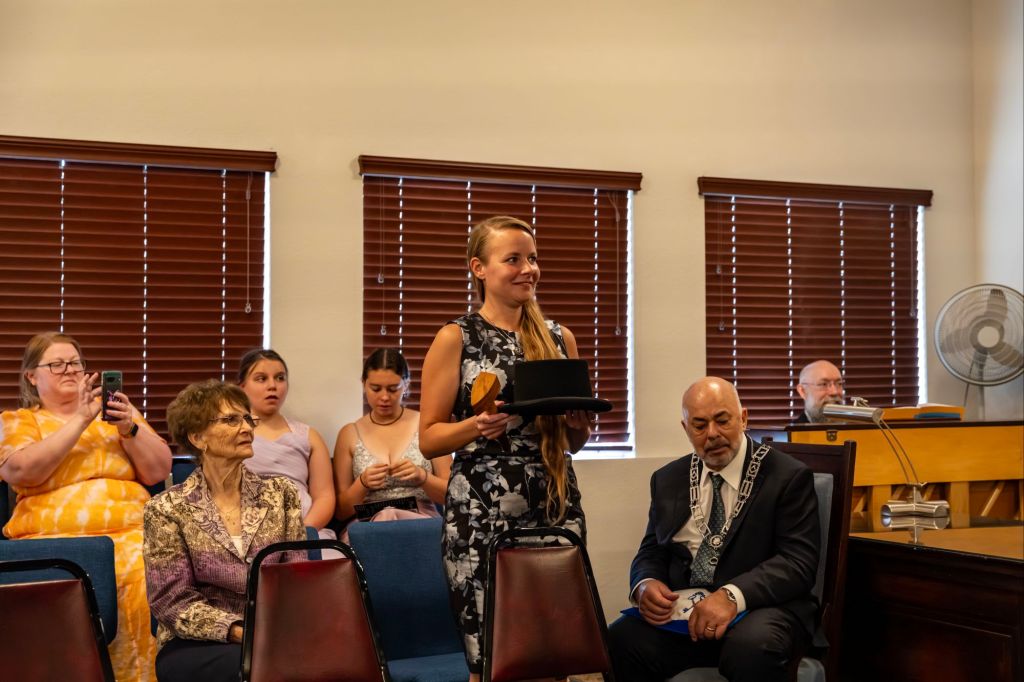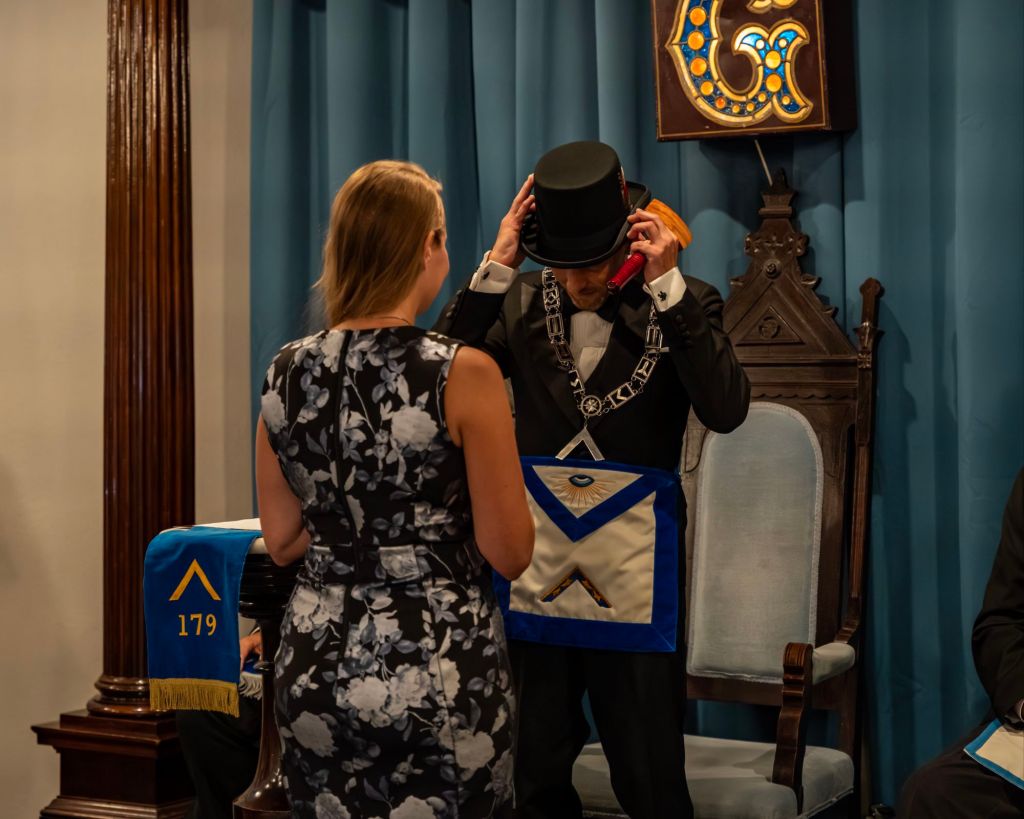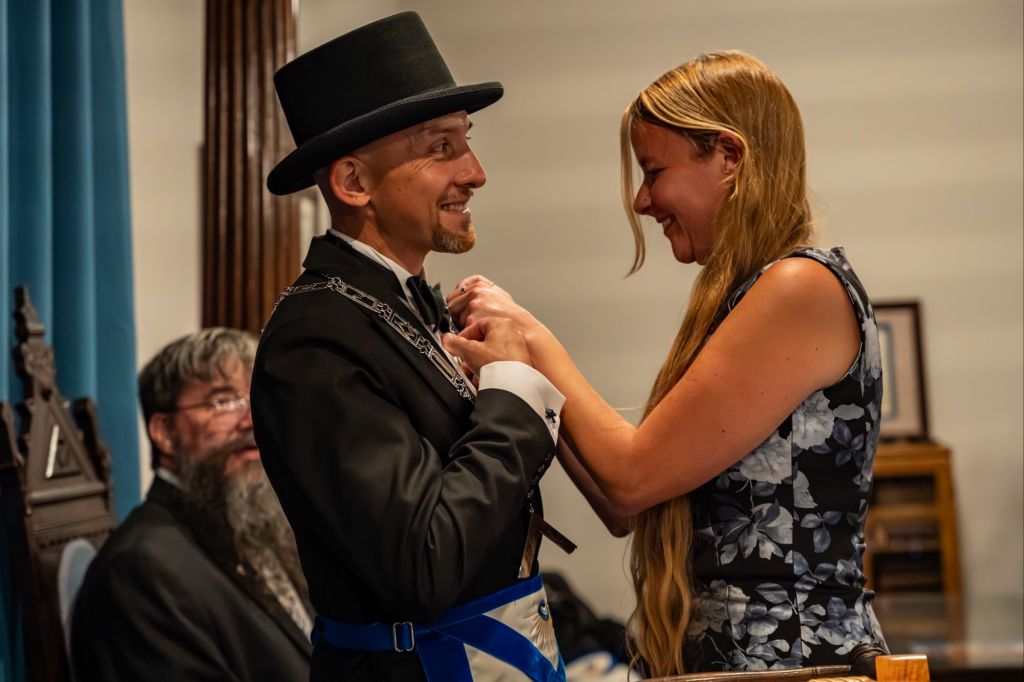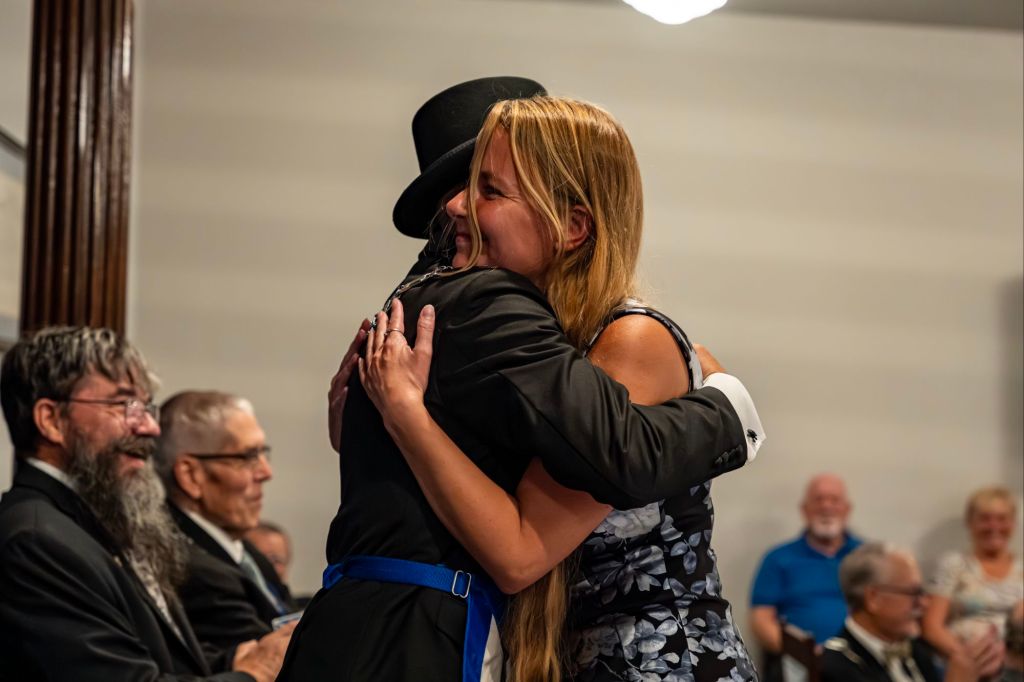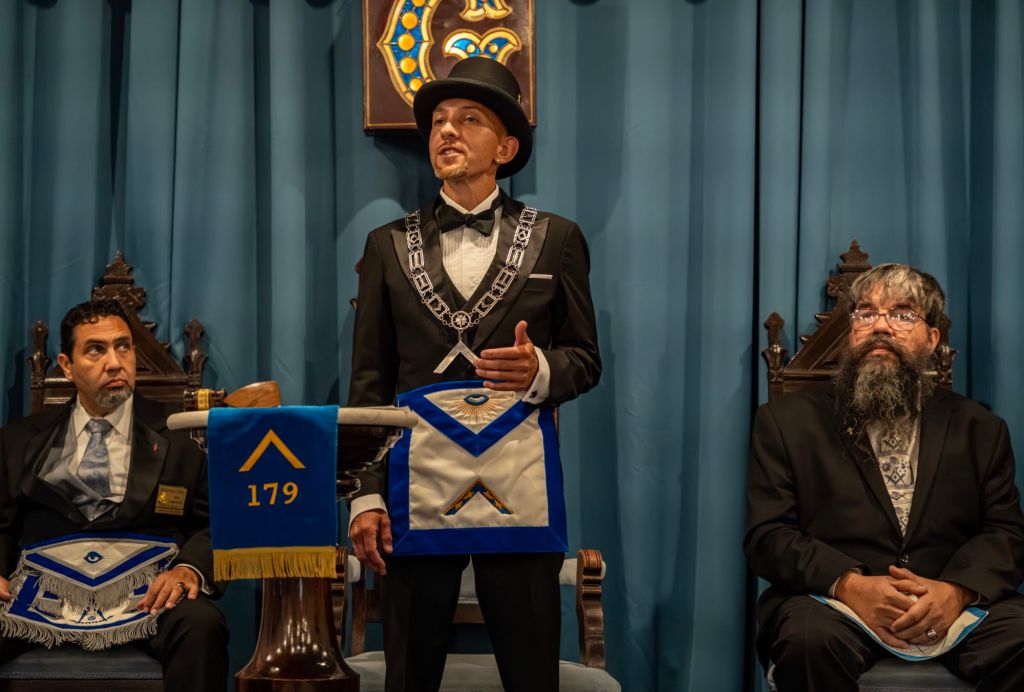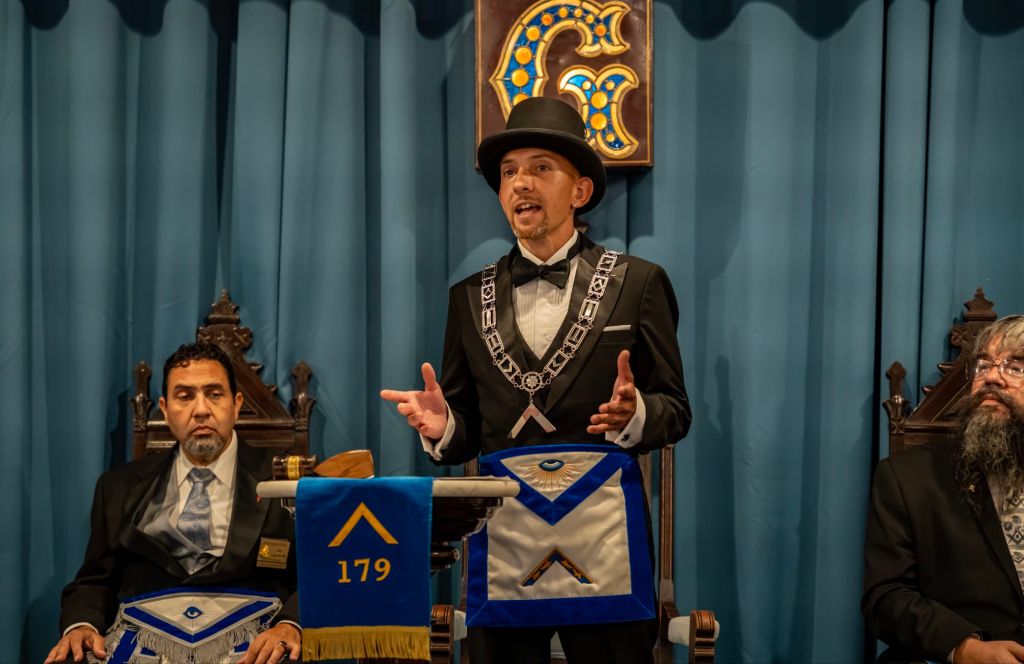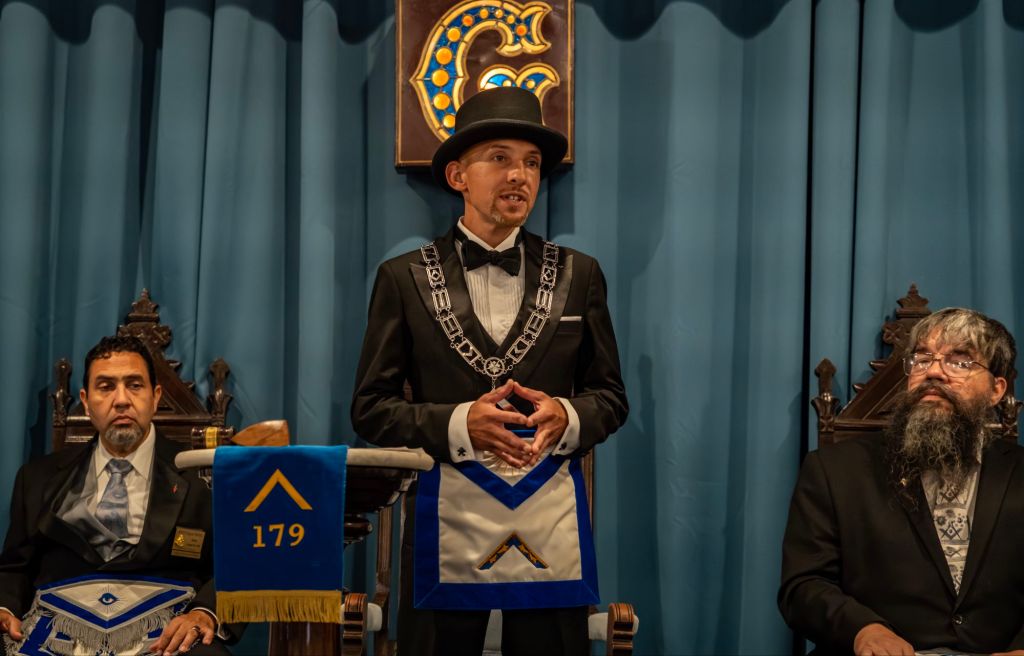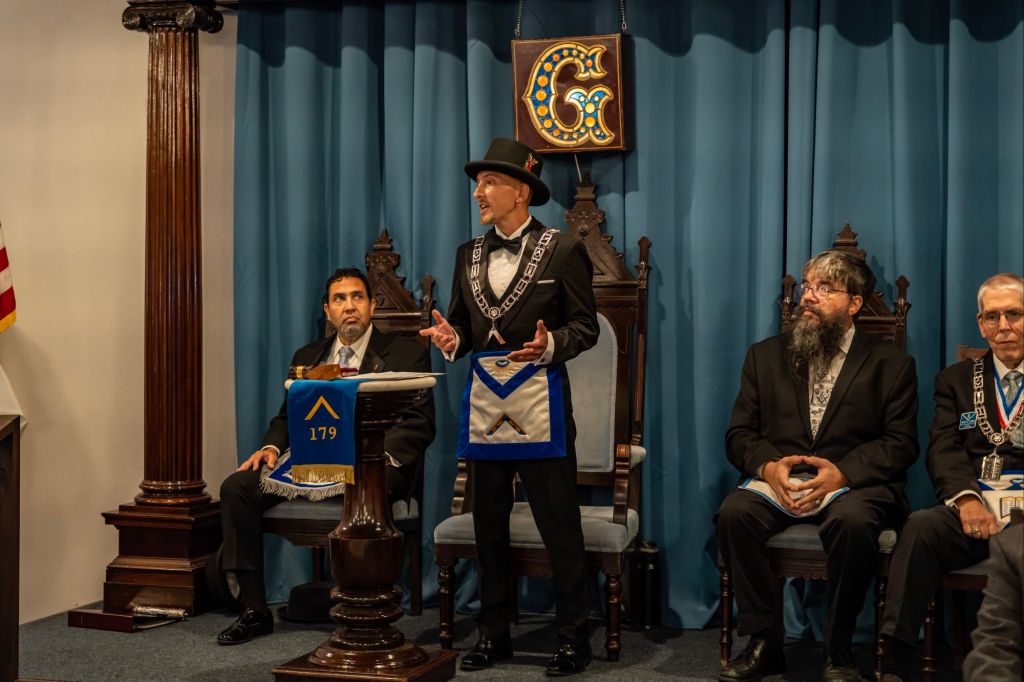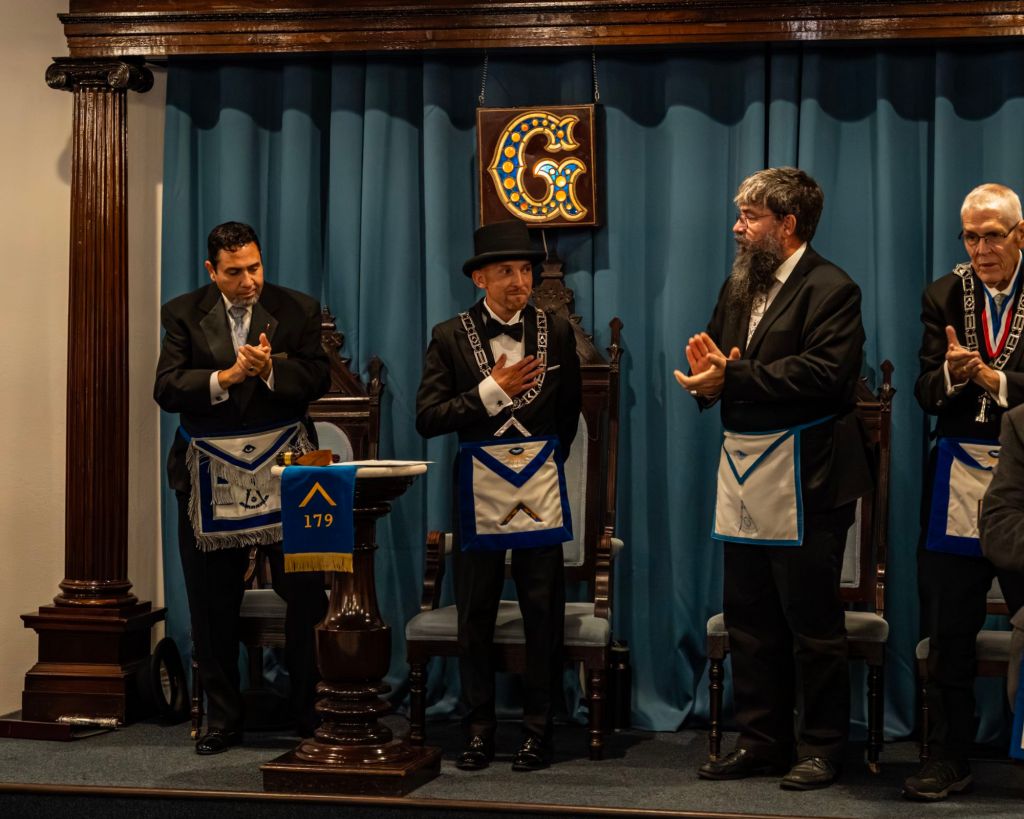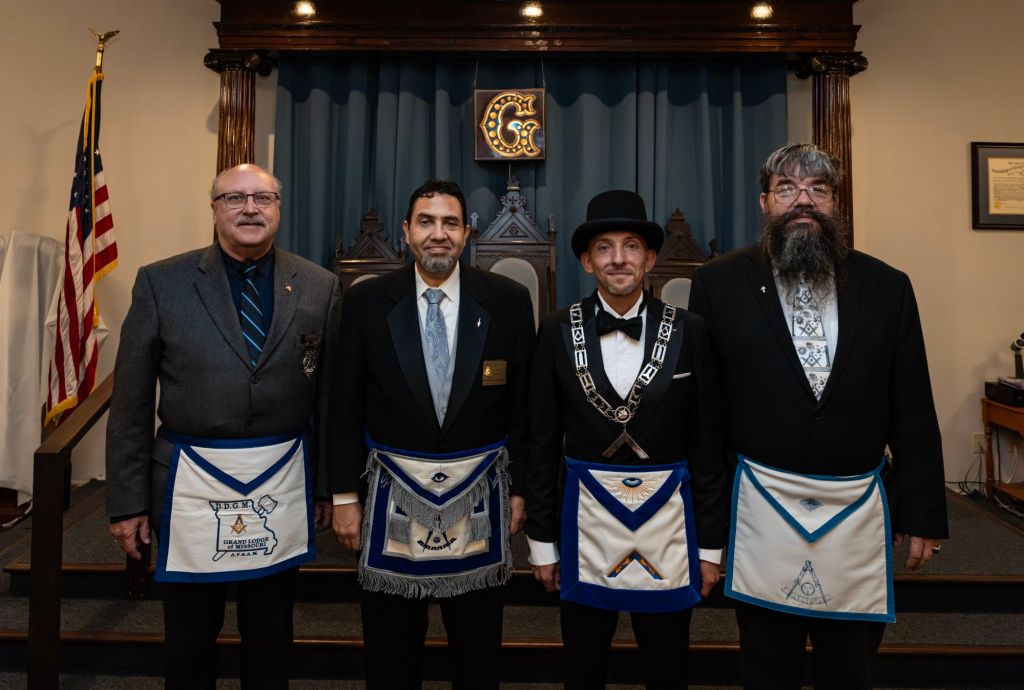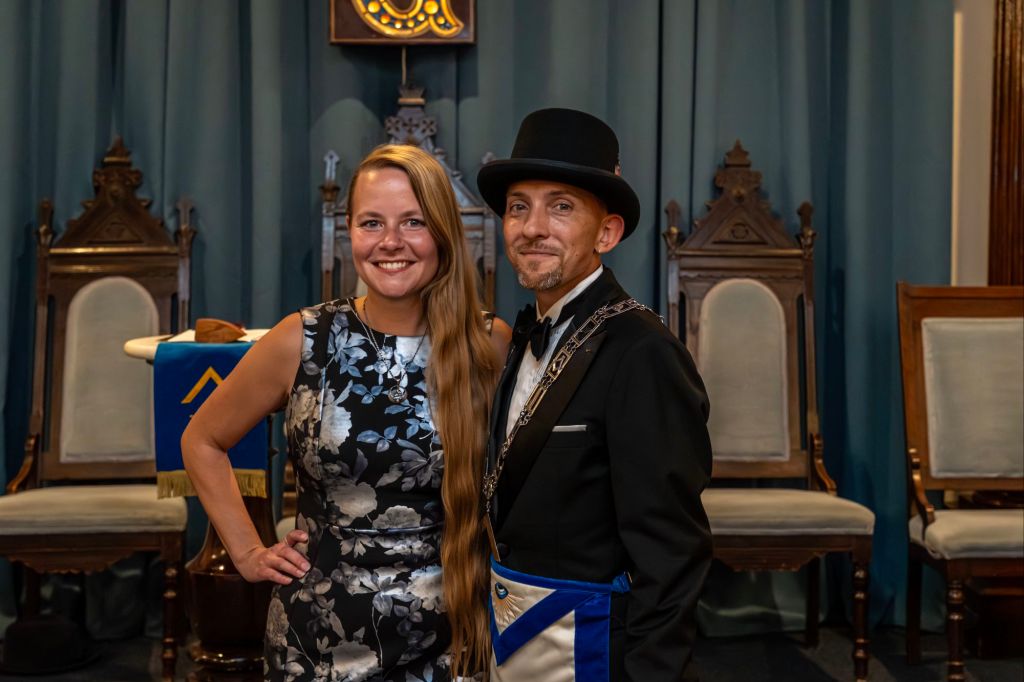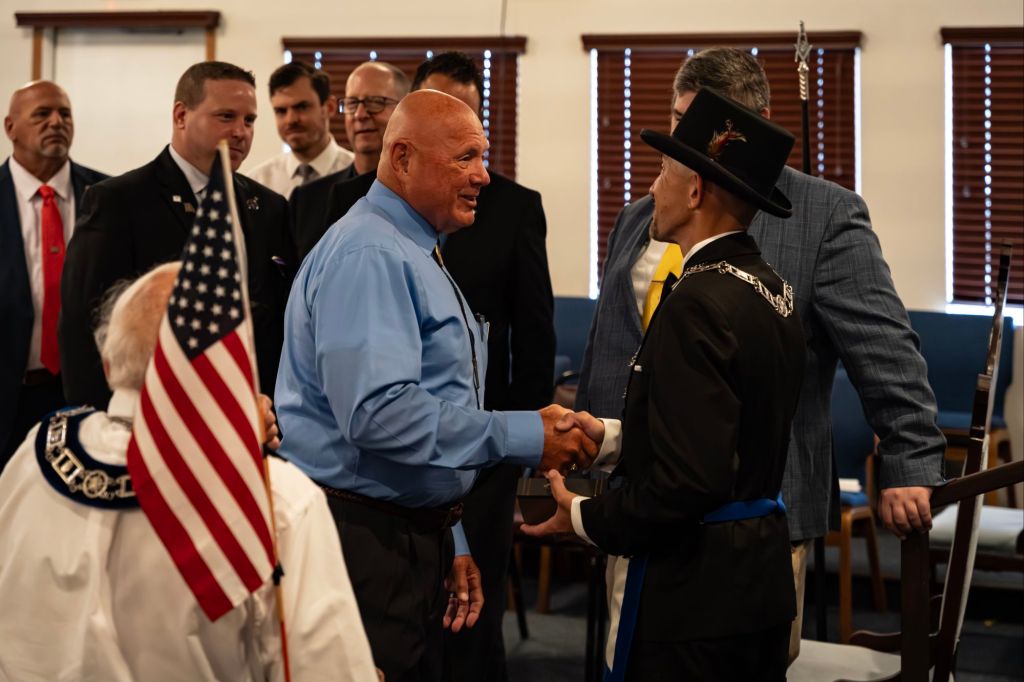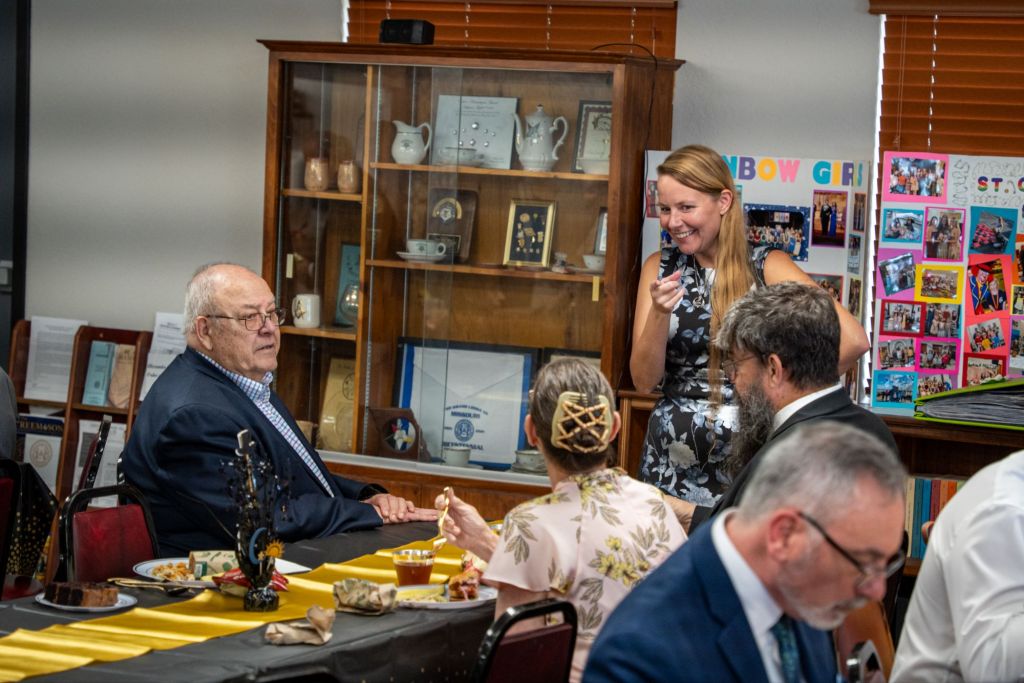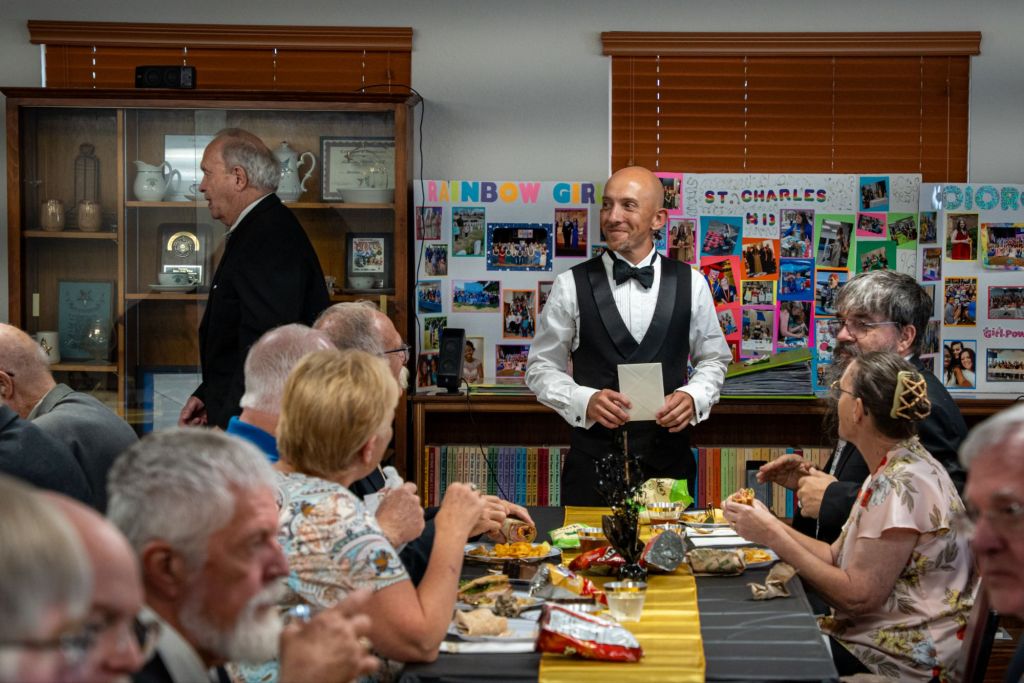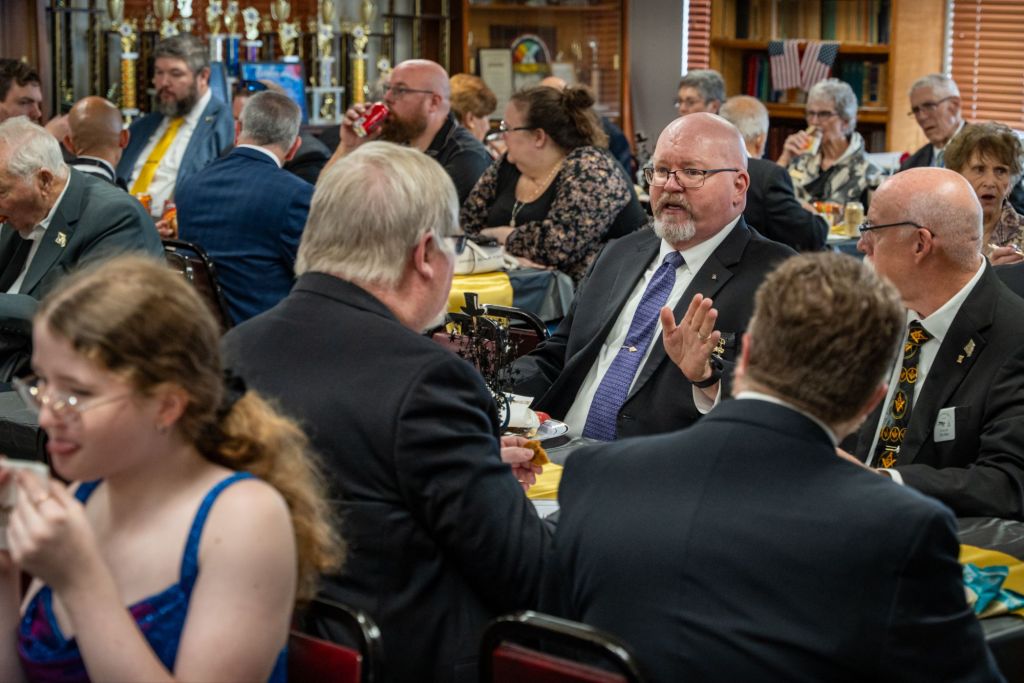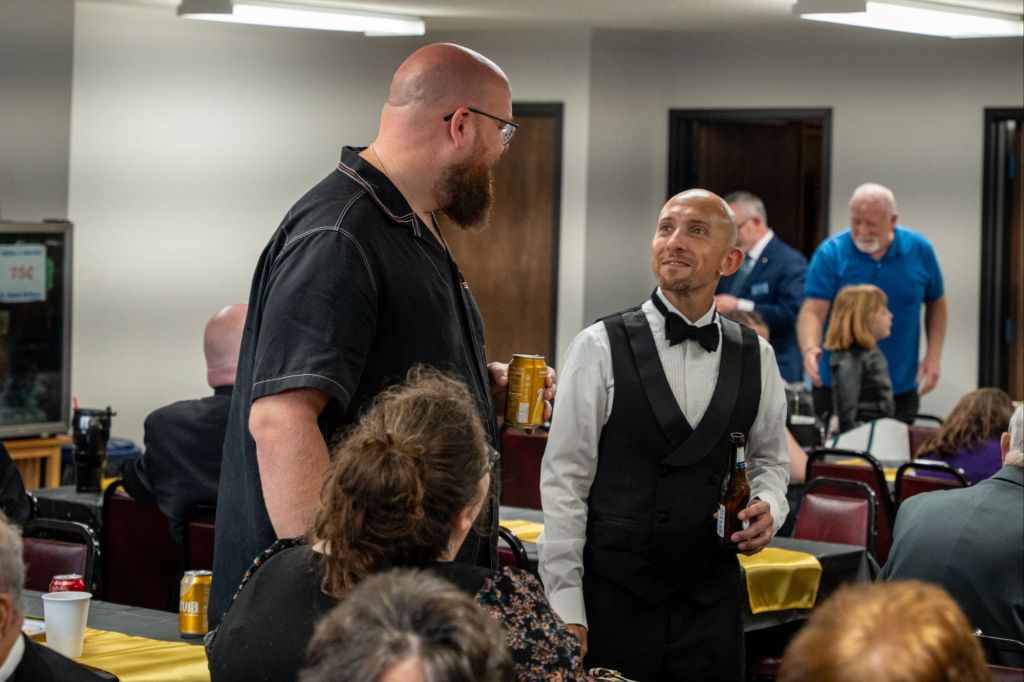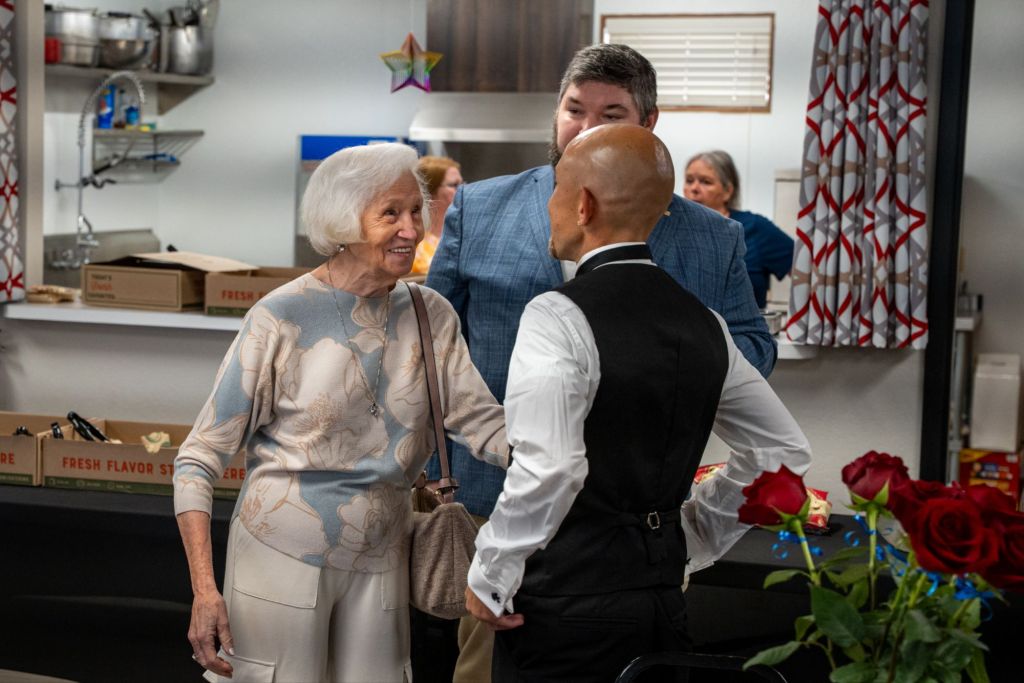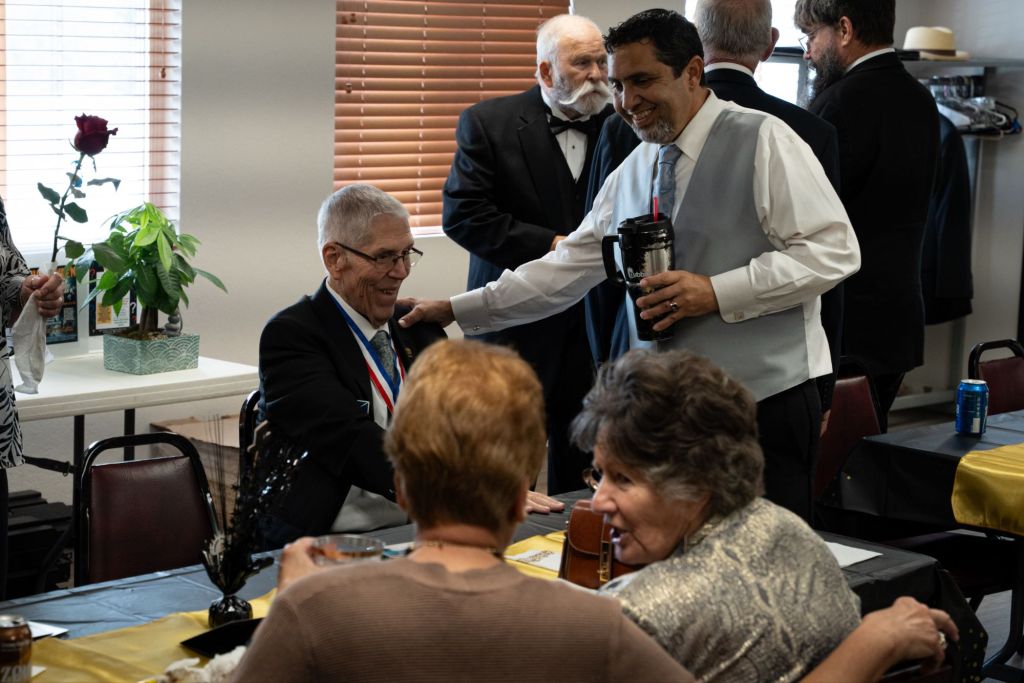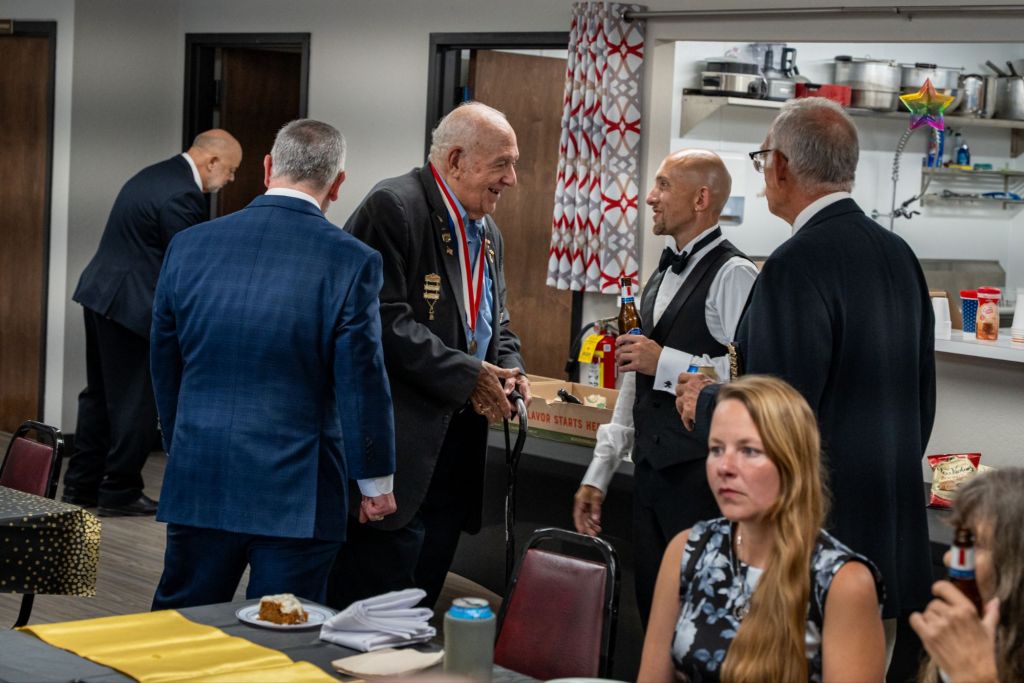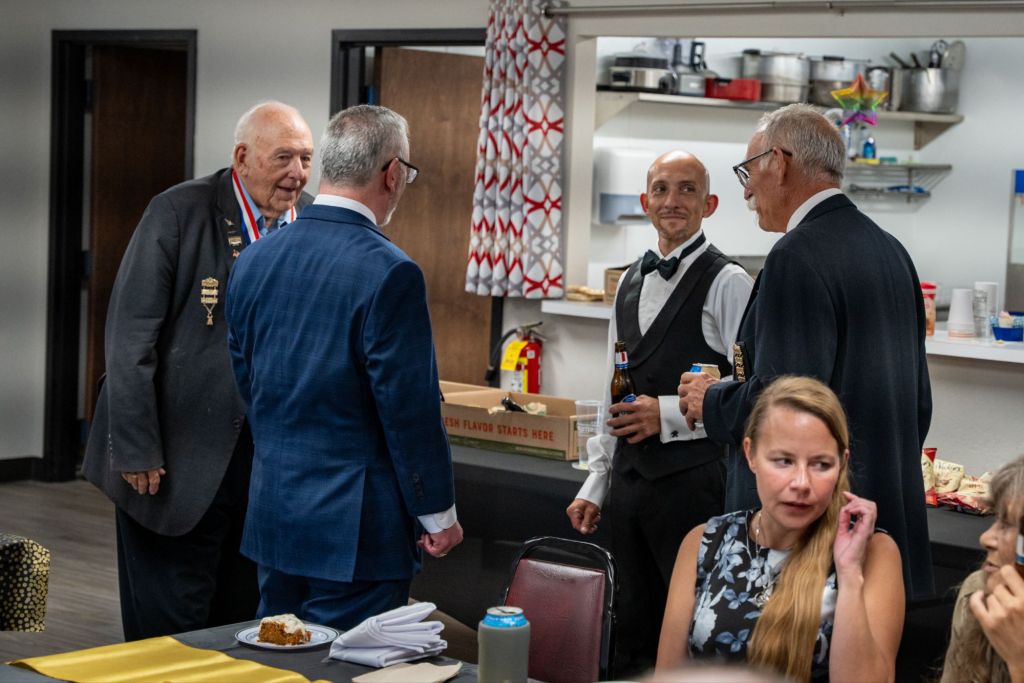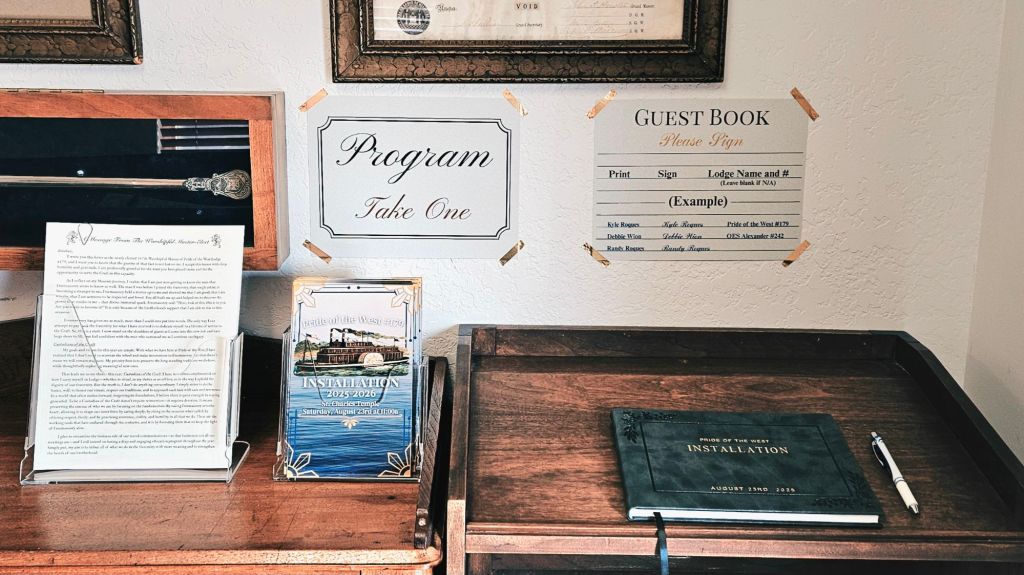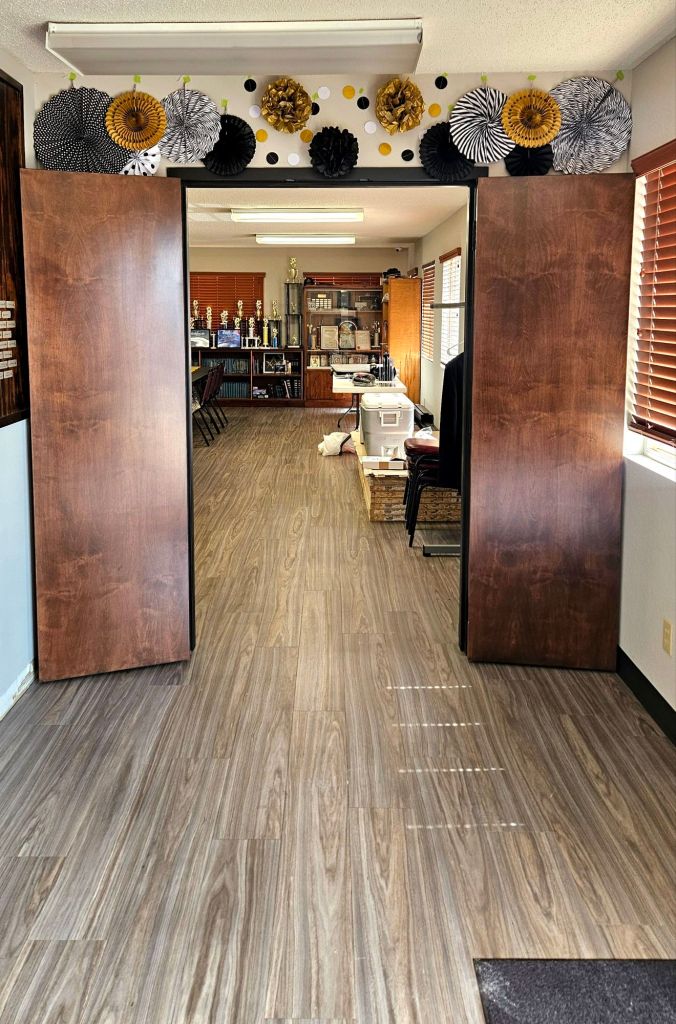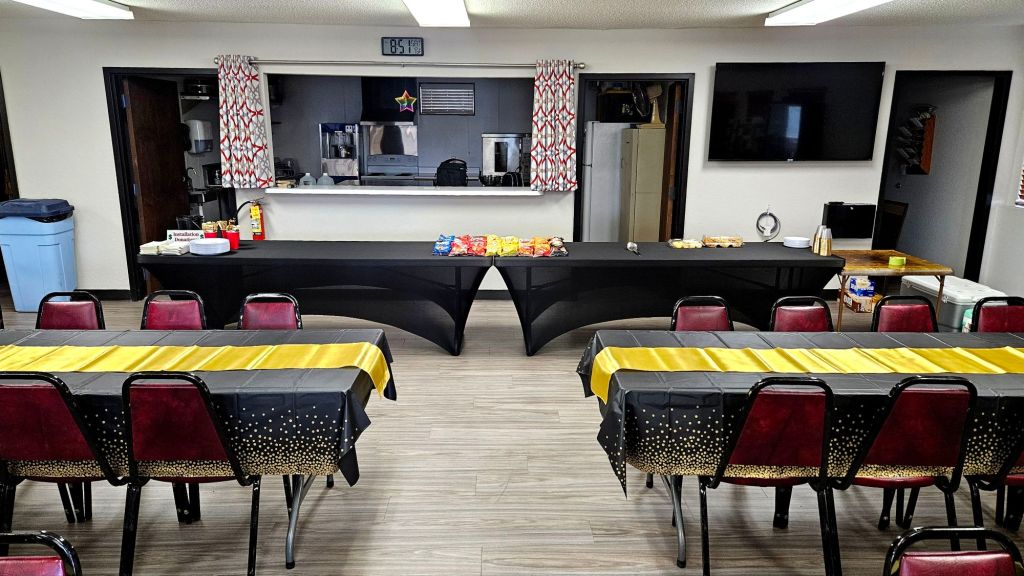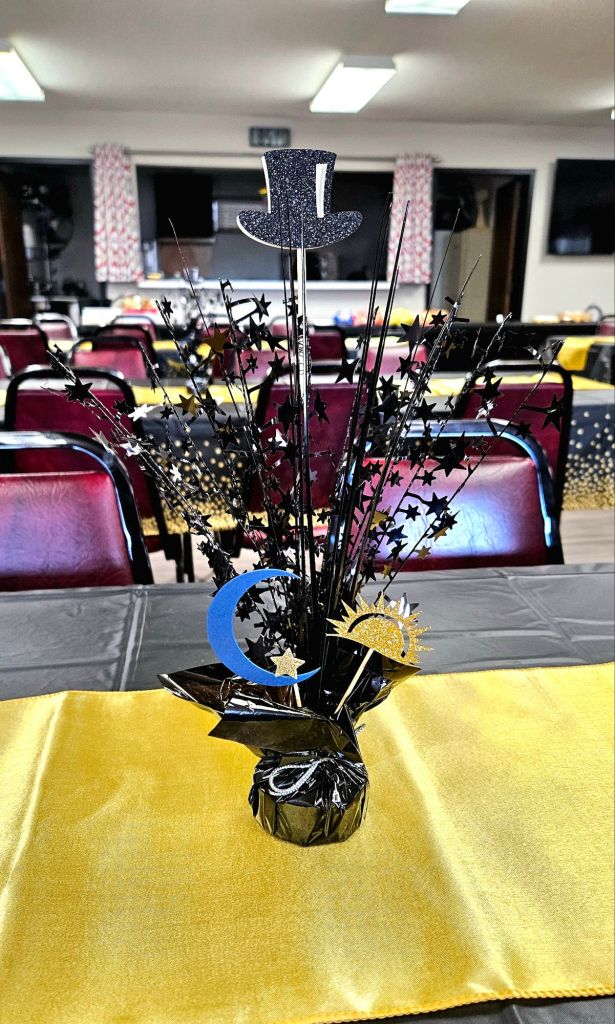
My Installation Ceremony

This event is something that I’m still processing.

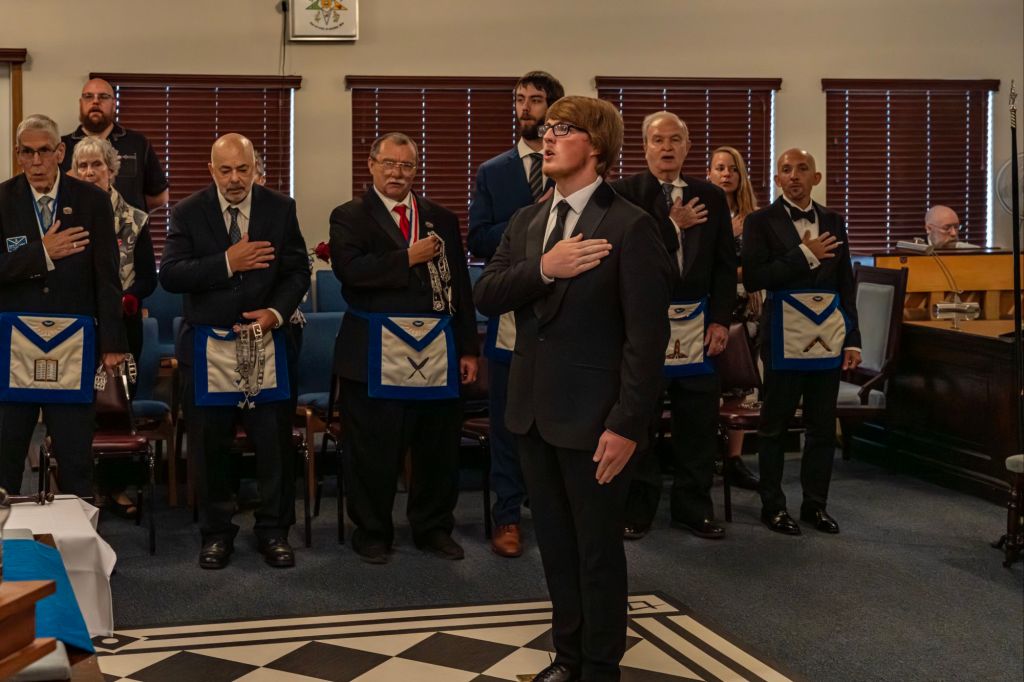
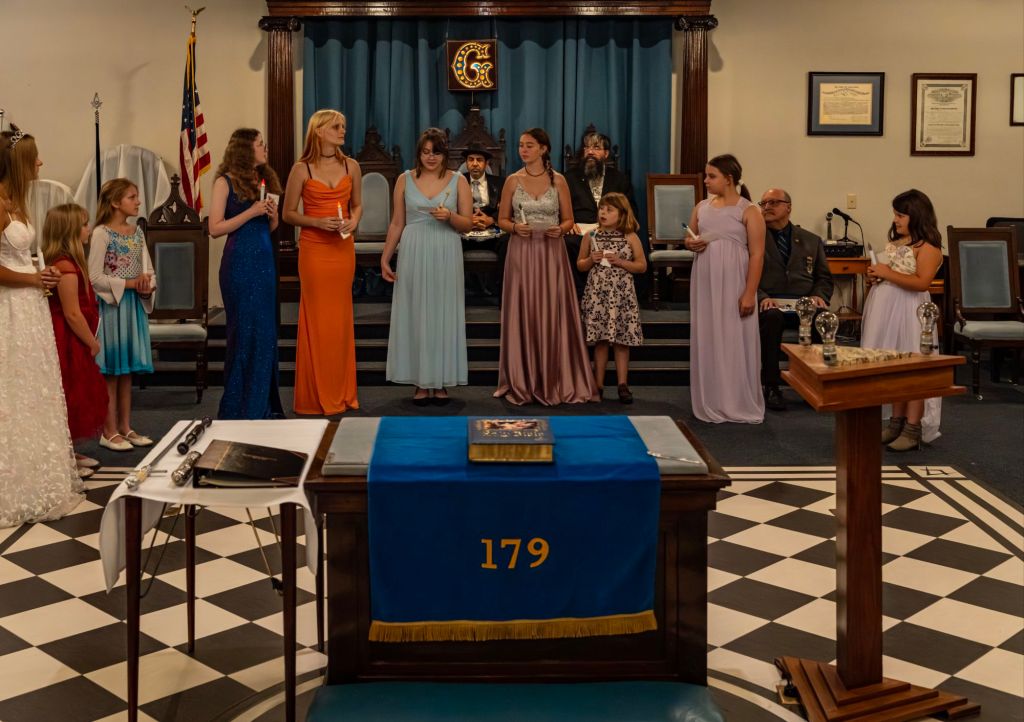
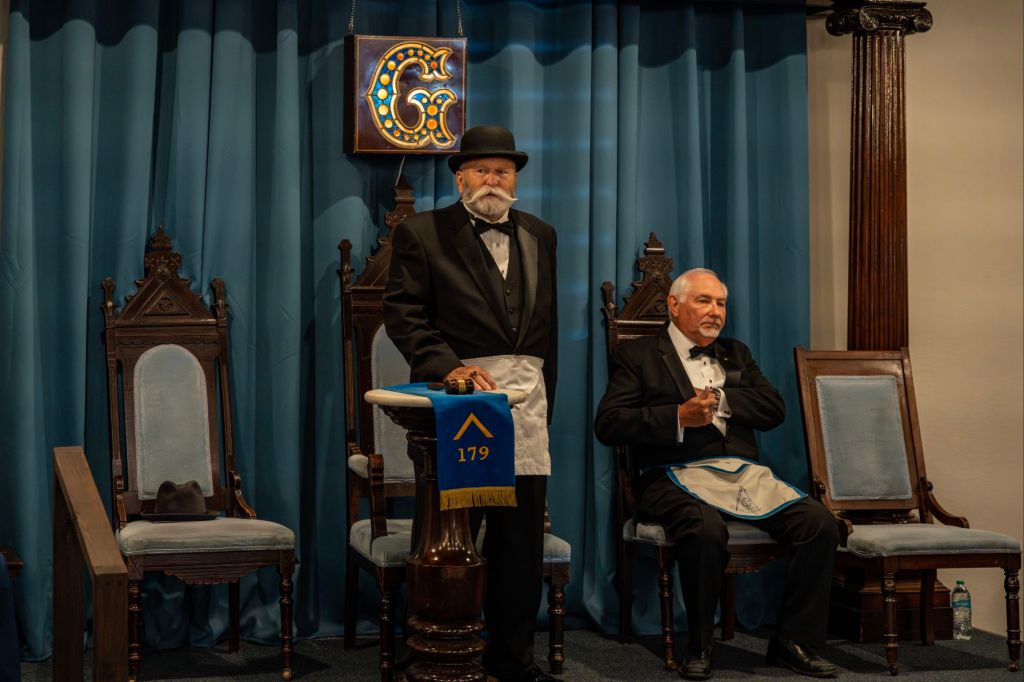
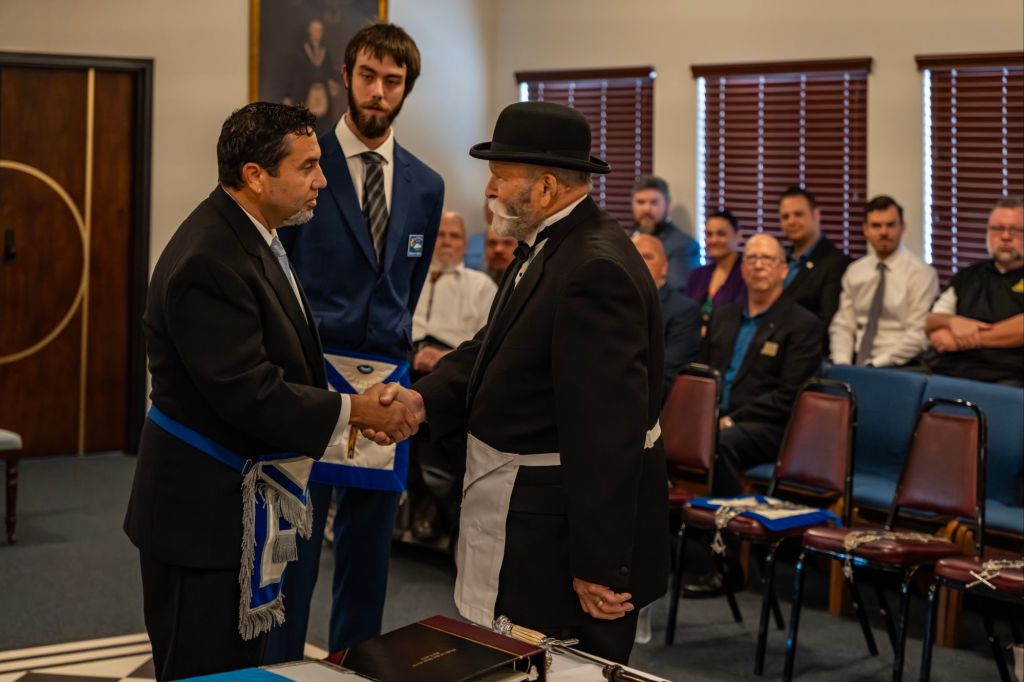
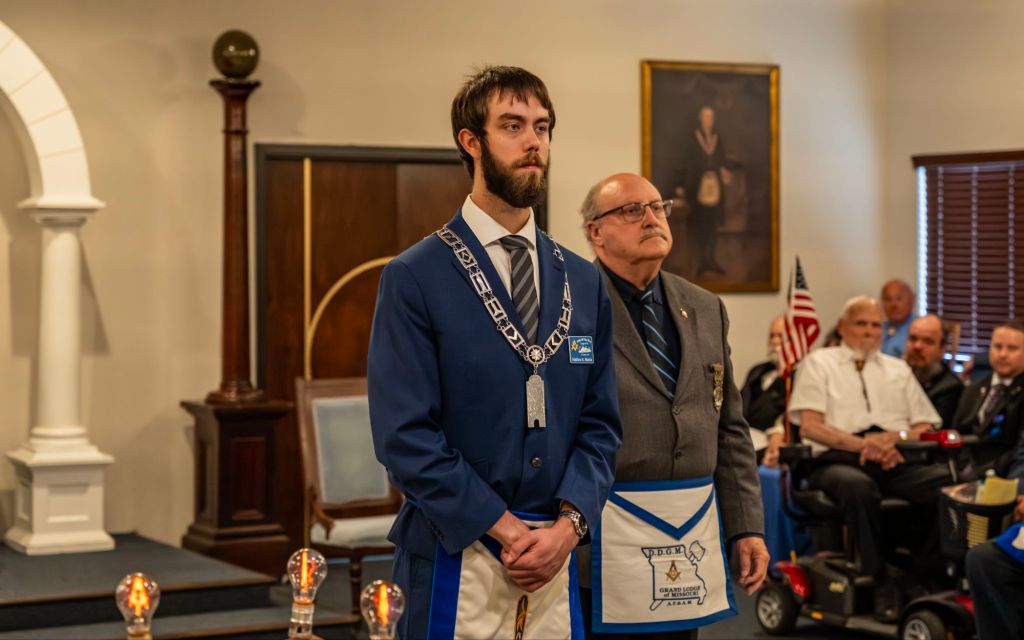
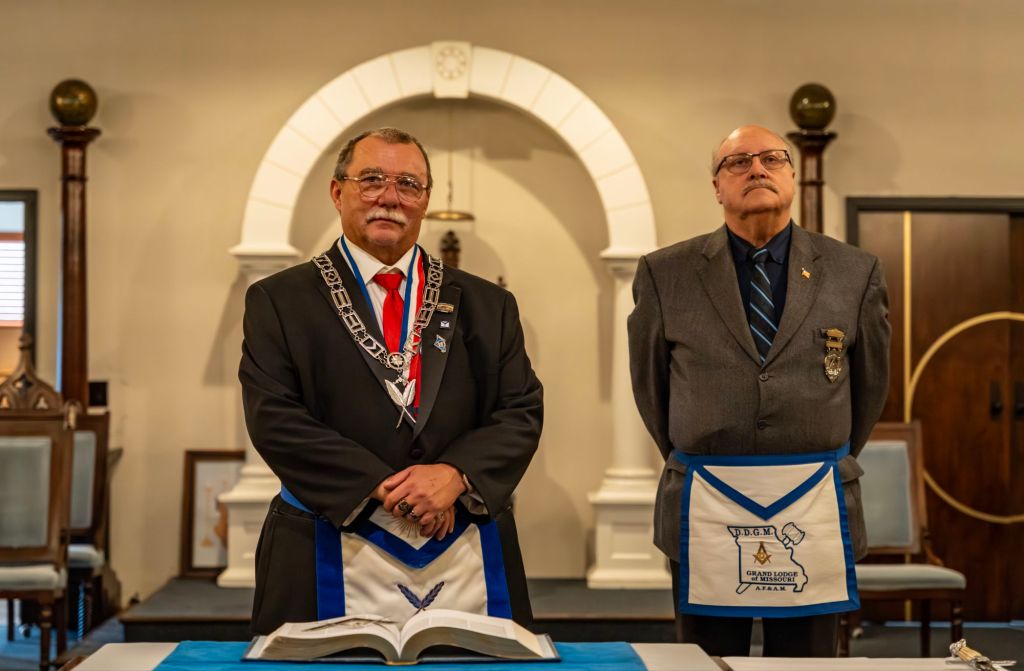
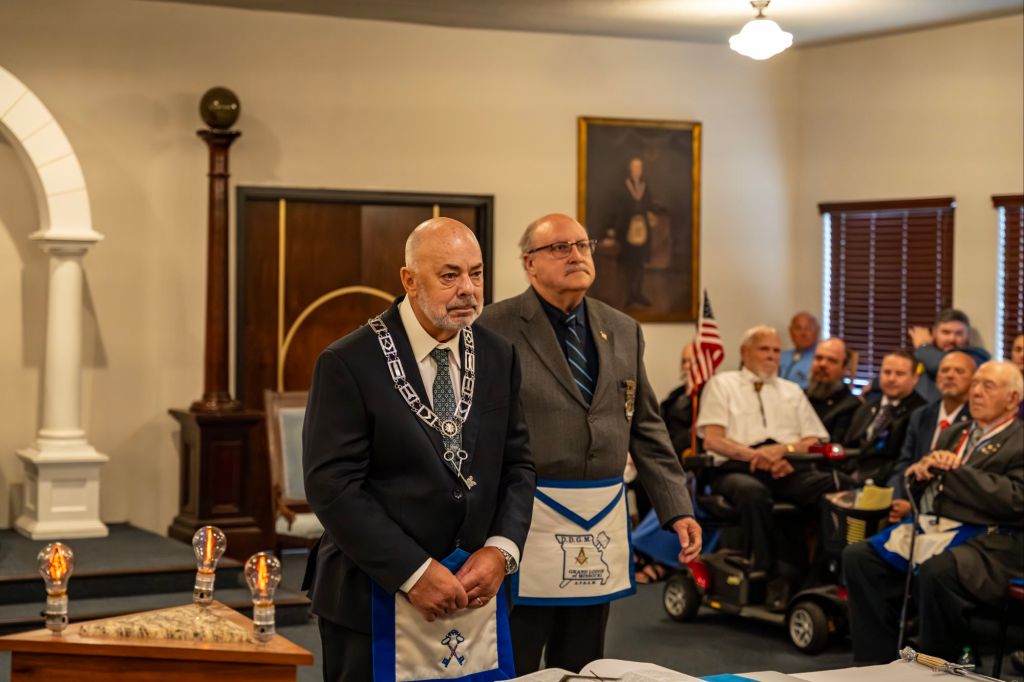
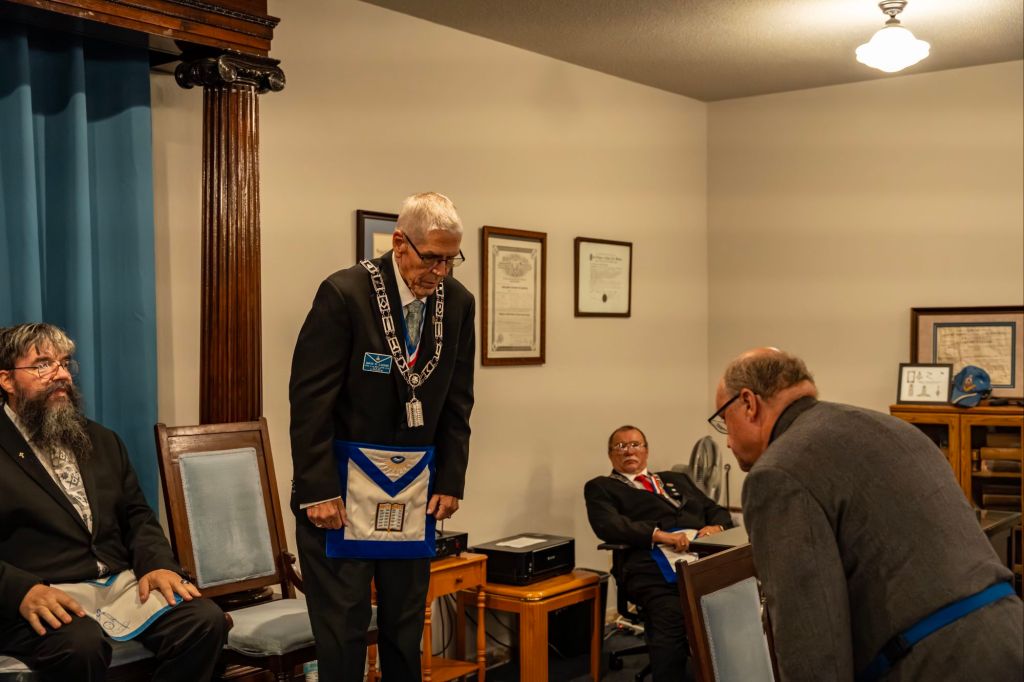
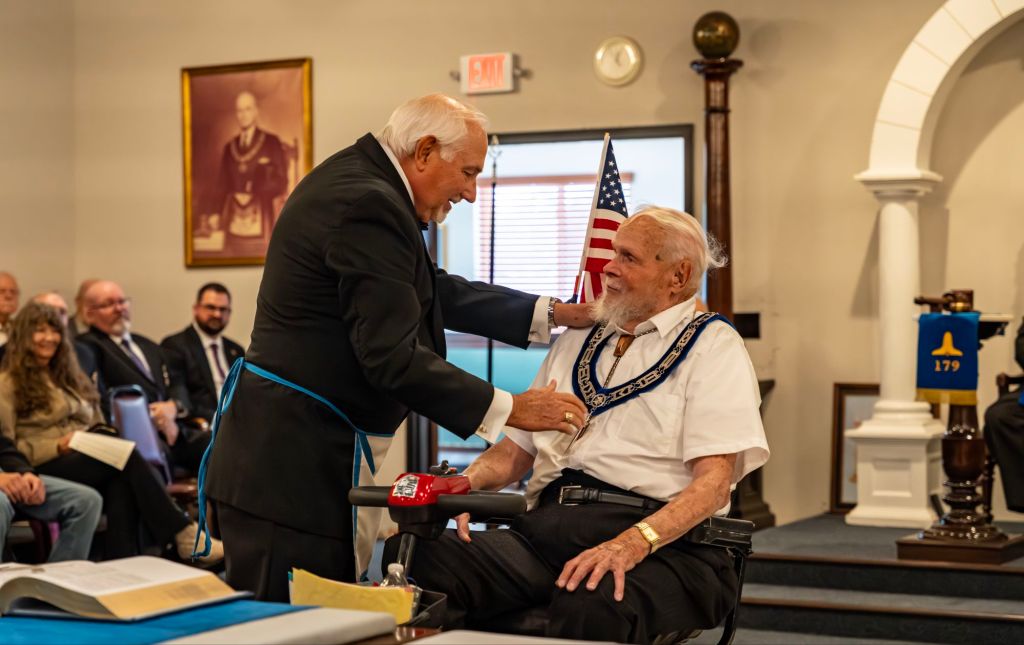
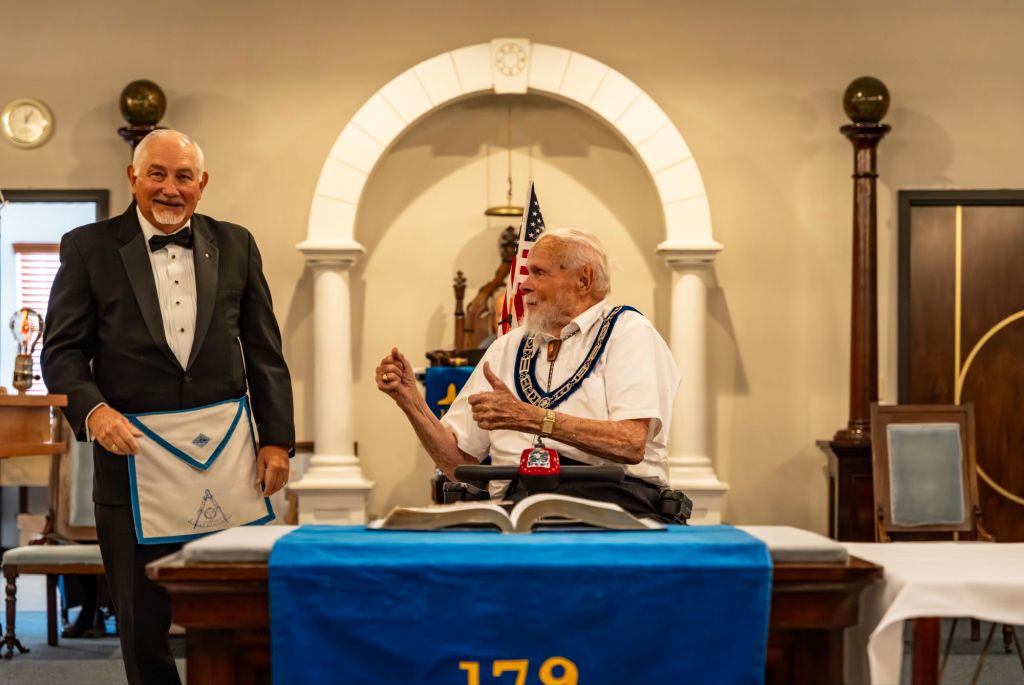
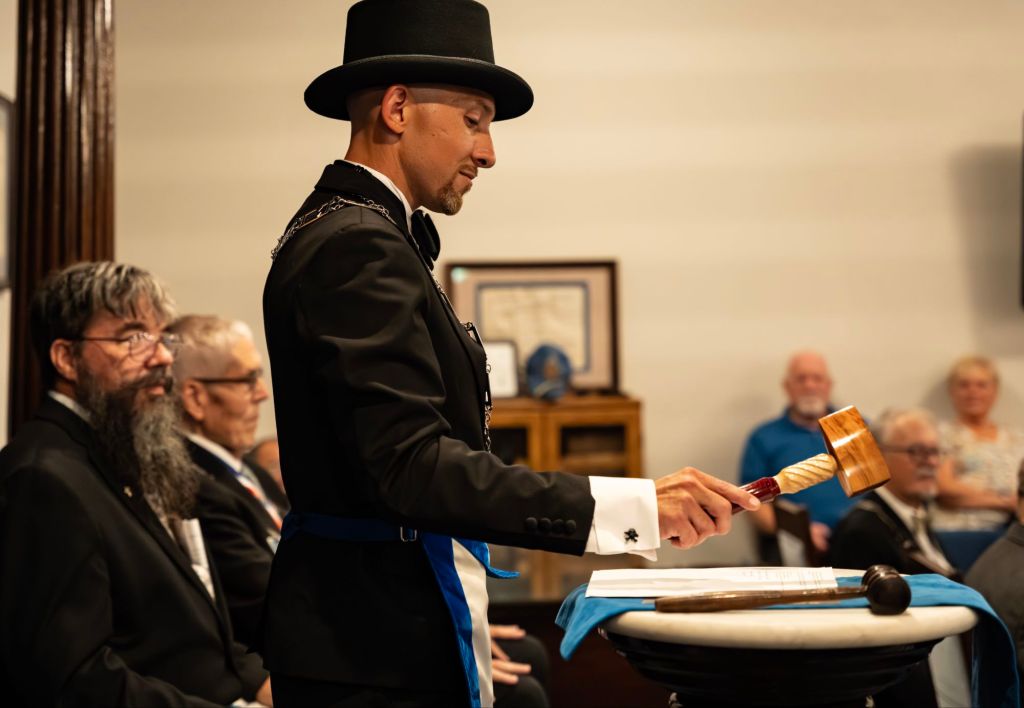
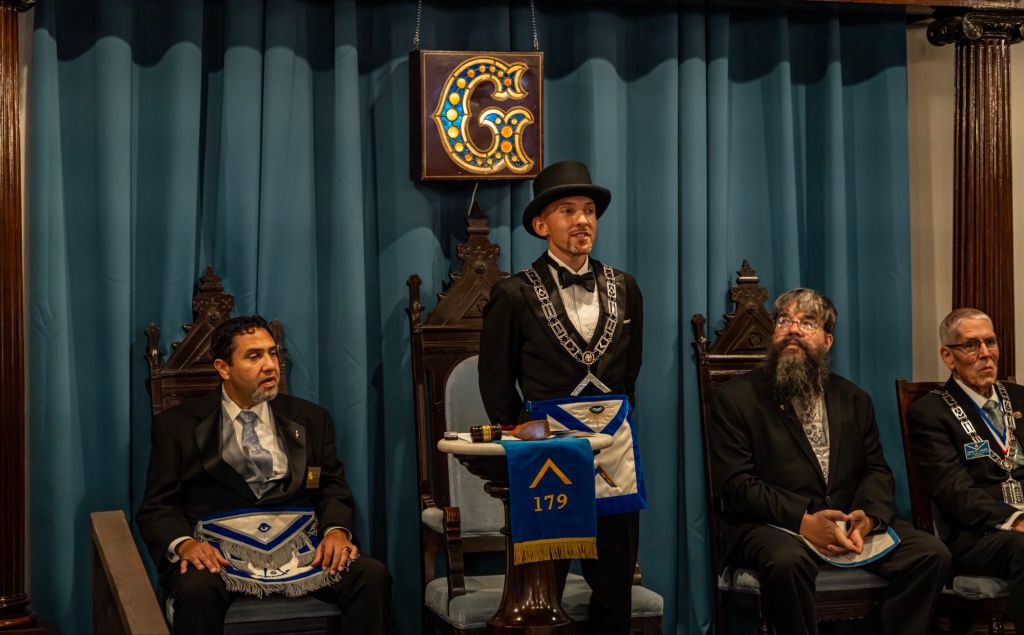
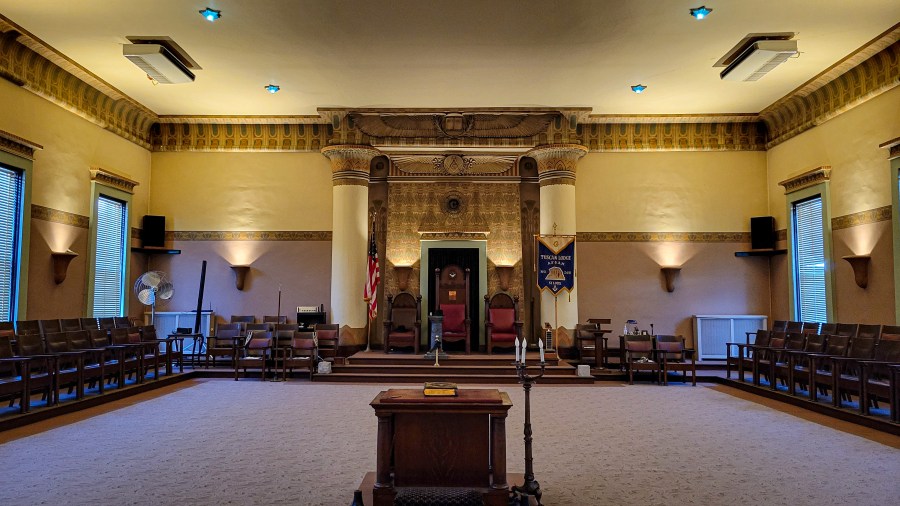
This officer Installation ceremony that I organized, coordinated, and took part in — marks a now 167-year tradition in the St. Louis and St. Charles region. That alone is enough to leave me speechless.


I am someone who came from a broken childhood. I grew up as an awkward, timid, meek, and confused child, with low self-esteem and low self-worth. I never thought that I deserved any positive acknowledgment for anything that I did. This shaped me into a loner and a thug. Someone with almost zero emotional regulation (who would act on my rage regularly). From my teens into early adulthood (under 21), I didn’t think that I deserved to be proud of myself or of anything that I ever did. I treated myself like I was evil and a monster that needed to be caged and beat into proper order (which I still believe there’s some truth to). Looking back, although I didn’t see it at the time, I had very little control over my life. I was on autopilot, hiding from the pain. Acting out of anger and rage from the hurt and scared little boy that was buried inside me.


Fast forward to now: I am a well-loved, respected, state recognized Freemason who has been in the fraternity for a short five years. Someone with a true brotherhood. Someone who has built a temple of love and light around me (obviously not something I could have done alone).


When I was young, I used to think that power was everything you see glorified in a gangster’s lifestyle, including using violence to intimidate and get your way, being manipulative and shady, using illegal ways to make money, drug and alcohol abuse, going out and looking for trouble, etc. I found out (the hard way) that none of that is power. That’s just an insecure, scared, and weak boy, eroding his soul because he’d rather fight the world than deal with his demons. True power is someone who can regulate their emotions and be in control. Someone educated who can articulate their thoughts, wants, needs, feelings, and ideas. Someone who moves forward in life with love and understanding. Someone whose mere presence has the ability to calm, soothe, and uplift other souls.


So, to go from being a troubled child, to a petty thug, to being a man who has the ability to move (touch the hearts of) a room of over 70 people (many to tears) with my words and actions (just by being myself) is something of such profound significance that I truly just cannot understand. It’s still not registering to me that I have this power, that this is my life, that I am this man. My trauma kicks in and tells me that I do not deserve this at all. I know that’s not wholly true, but there is some truth to it. So, every day I strive to be the man that Freemasonry sees and rewards.
Despite the essay above, I am at a loss for words. Without a doubt, I will be processing this day for the rest of my life.


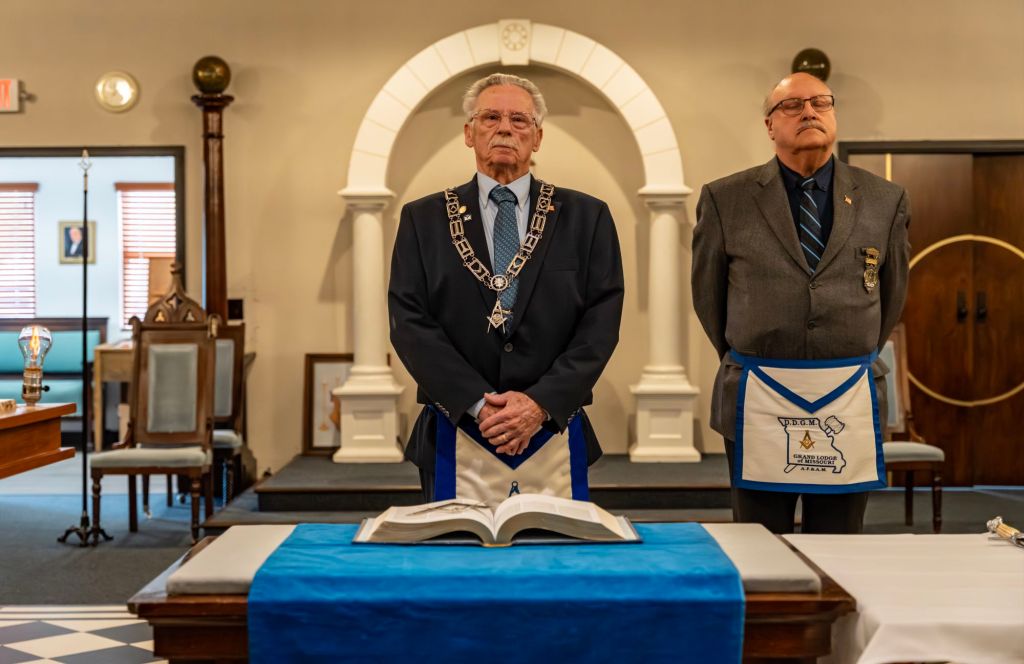
If you look at these pictures, you’ll see a man who reflects and radiates what has been given to him, a man with his heart full, who has only just begun to step into his power.

🚫 No Contact 🚫

Most people do not understand going “no contact” with an abusive family member. Everybody seems to believe that just because the person abusing you is family, you have to keep that person in your life. That thinking only perpetuates the cycle of abuse and makes everything worse for all parties involved.
Which I fully understand this mindset. That’s how we’re conditioned and raised, and the pressure from other family members is immense. They won’t understand either, and it will likely create tension between you and the rest of the family. This pressure is even greater when the abuser is a parent. Everyone thinks you owe something to your parents because they brought you into the world and potentially raised you, but you don’t. Parents have a much higher obligation to their children than the other way around. In fact, I’d argue parents bear all the obligation. The only thing a child owes a parent is respect, if it’s given. Just because you are the child of an adult, that doesn’t mean you are obligated to put up with any form of abuse from that adult.

When you go no contact, people typically see you as the one that’s overreacting, and that you’re the sensitive, irrational, and abusive one. I’m here to shed light on why someone might go no contact with a family member and explain how keeping the perpetrator in their life only hurts that individual.

I think this is common among familial victim-perpetrator bonds, but one of the central reasons I went no contact was because of emotional dysregulation. Just having my mother “in my life”—which means not even having to be around her physically, just her having access to me (phone call, text, family, etc.)—would prevent me from being able to regulate my emotions in a healthy way. When people hear about “regulating emotions,” they typically only think about having issues regulating emotions in the extremes—like being really mad or sad.

But what most people don’t realize is that we are purely emotional beings. Every decision you make during the day is based on emotions. You can’t turn off emotions; you can’t not feel emotion. Even when people detach or suppress an emotion and claim they are numb to it, that’s still an emotional response.

So, for me, not being able to regulate emotions with my mother in my life meant that every moment of every day, whether I realized it or not, I was behaving in ways beyond my control. This is partly how people with personality disorders control their victims. When you’re emotionally vulnerable like that, the abuser can get you to behave and react in the way they want you to, in order to get what they want out of you. That’s basically what living in this dysregulated state is—you’re just being highly reactive, responding to everything, always feeling like you can never catch your breath. Not feeling in control of yourself or your life at all… because you’re not. And that was the absolute worst part of the abuse for me—not being/feeling in control. Because of my trauma, I rely on my sense of control to feel safe and secure. And I’m not talking about physical safety, but a deep psychological safety—the kind that’s especially vital for someone with childhood trauma.

When a person loses this sense of safety, it can lead to hypervigilance, anxiety, difficulty trusting others, or even dissociation. Their nervous system stays in a perpetual state of fight, flight, or freeze, making it hard to relax, form healthy attachments, or feel at ease in everyday situations. All of which I experienced. I lived like this for decades with my mother in my life—in this constant state of fight or flight, reacting to every little thing, unable to trust, unable to connect, unable to grow. I felt all of this and was conscious of it.

That’s what led me to seek therapy originally. I knew what I was feeling and how I behaved wasn’t right. I just didn’t realize how bad and extreme it really was until recently—not until after going no contact for ~3 years. In that survival state, there is no healing, there is no growth—there’s just stagnation and being stuck in adolescence.

And again, all of this I would feel without having to physically be around my mother. Just her having access to me is enough to induce these feelings and this state. That’s what people really don’t understand. It hurts me on a very deep level (my soul) to have her in my life. I will have no peace, contentment, or delight. No healing or growth. No connecting with others, only pushing people away. That’s what I did to all the innocent people in my life—pushed them away with my behavior because I was hurt and didn’t know any other way. I was a terrible person, a monster even. I tried to make people either see this deep pain I felt or tried to make them feel the pain I felt. I did this by lashing out, by being violent and reactive, and/or by actively trying to hurt people like I hurt.

Then there’s the concept of mirroring. The more I was around my mother, the more I became her. And this was by design. She engineers situations to provoke reactions that mirror her own behavior. Again, the more I was around her, the more I would become her. People don’t realize that in order to be in someone’s life who has a serious personality disorder, you have to live in their world on some level and adopt their behavior. You have to feed into their delusions, play their games, and sign off on their actions for you to be in their life.

As Elie Wiesel said, thinking you’re staying neutral, not choosing the victim’s side, is to promote the abuse, support the oppressor, and encourage the torment. Simply put, you have to accept and adopt the perpetrator’s behavior and support them on some level to be in their life—period. And to minimize your role in the abuser’s life—along with their behavior—makes you complicit and either naive, a coward, or both.

These are just a couple reasons why an individual may need to go no contact. The list goes on. Even without all of this, the bottom line is that if someone is abusing you, they won’t take any responsibility, and they aren’t changing their behavior, you do not need them in your life and have every reason to go no contact.

My mother has only ever taken from me. Going no contact has been the best thing I’ve ever done for myself. My rage is disappearing. I am getting to a point where I no longer have to actively “regulate” my emotions. The rage just doesn’t come for me to even have to regulate it anymore. I have peace in my soul and a stoic way of Being that I could have never imagined or thought possible. I can actually heal because I’m no longer in survival mode. I raged because I wanted people to see or feel how deeply I was hurting from the abuse. Now that the abuse is gone, so is that urge. What remains are automatic behaviors I need to unlearn and to learn new ways of Being.

So, consider this a PSA. If you are stuck in an abusive family dynamic—if you have an unshakable feeling of being “off” or “not right”—if you feel stunted and stuck, if you feel hurt and want others to hurt the same, if you have difficulty regulating your emotions and are constantly pushing the innocent people you love away in your life—there’s a way out. You can go no contact. You will never be able to heal when you’re allowing someone you love to abuse you. You may not realize it now, but it really is soul-crushing. You don’t owe your abuser anything; you don’t have to stick around. But you do owe a lot to yourself and to the innocent people you love.

And if you hear that someone has cut off a family member (or their entire family), don’t be so quick to judge. Know that the decision wasn’t made on a whim. It took me a year of weekly therapy sessions to realize no contact was even an option. After a lifetime of knowing what my mother was doing to me was wrong. Then it took a situation that showed me—without a doubt—that my abuser only wants to destroy me and everything I love instead of being the loving mother she claims to be.

People in this situation already feel alone and misunderstood. Don’t add to their pain with more judgment. You may never fully understand their decision—and that’s okay. Just like I can’t understand what it’s like to have a loving mother.

Judge people by their soul, who they are now, and how you know them to be—not by what they had to do to get to here.

That Isn’t Me…

That isn’t me. I’m not that guy. I don’t do that… These are things I’ve been telling myself for the last few years.

Since joining the fraternity, I have grown in many ways and by large measure. I didn’t necessarily go into the fraternity with the mindset that I wanted to change my personality. It seems to have just happened on its own, with little concious direction from myself.

I’ve always admired the kind of person that has the ability – and gumption – to make people (strangers, family, and friends) comfortable and at ease. Someone who presents as an intellectual. Someone that dispels tensions and doesn’t have a threatening aura. The kind of person that can bring people together by their energy and actions. The kind of person that brings joy and kindness to a room and uplifts spirits. Someone who can get in front of a crowd and reveal who they are – their true nature – and sell themselves. Not in a pretentious or shallow way, but in a way that allows for connection and love.

I’ve never considered any of what I listed above as “me.”
I didn’t do that kind of stuff, I’m not that guy, that was never me. To strangers and acquaintances I would usually be awkward, silent, and cold to the point of being threatening. I could never be “myself.” Not that I wasn’t myself, it’s more like I just didn’t reveal certain parts of who I am with people. The non-threatening happy, caring, kind, and joyful aspects of me.

I’m not exactly sure why, but I imagine it was combination of things. I have always been tried to be taken advantage of, I’ve been bullied and picked on a bit, and grew up in an abusive household. I was condition to dim who I was to others to protect myself / for safety. Because of that, I feel I’ve always put on a front of sorts. This “I’m dangerous, don’t approach me” front to keep people at a distance. That mode is what feels right to me – a safe and comfortable mode of being. It feels like that’s who I am because I’ve been that way for so long and don’t really know any other way.

From what I have gleaned, I think people in the fraternity see me as someone kind, intelligent, caring, warm, and welcoming. Someone with a full heart that fills other people’s cup. A beacon that shines in all that I do.

The man Freemasonry knows now is not somebody that I have ever known. It’s strange getting to know yourself again in your adult life. In part, this is how I know I have been born again and the process of initiation worked for me.

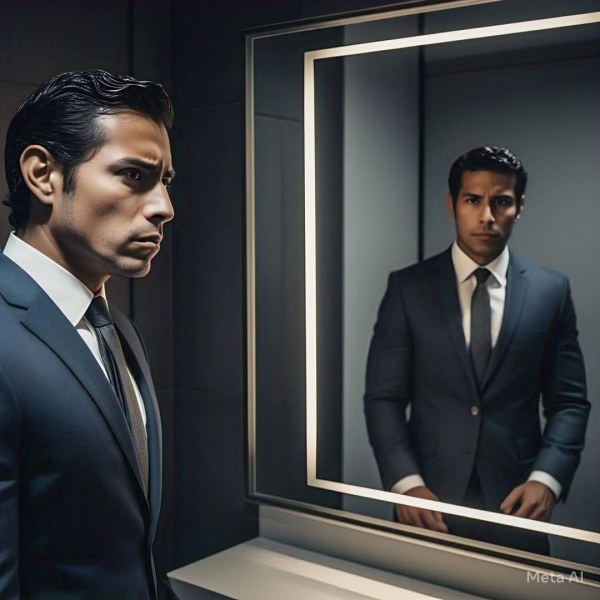
I believe all this happened for me because Freemasonry is a place where I was fully accepted and encouraged from day one. It’s a place where men extend out the very best of themselves to others. Which invited the best parts of me to step forward. Freemasonry held a mirror up to me and reflected back those parts, showing me that I am good, that I am a man to admire. Someone to be respected, listened to, looked after, cared for, and valued. All things that were foreign to me before I joined the fraternity. It’s both sad and amazing just how much someone can flourish with a little encouragement.

I have gotten to a place where I can no longer live in denial – a place where I can’t say “that isn’t me” anymore. A place that is becoming safe and familiar to me. I’m not saying that I am all these nice things above and that I don’t have anymore growing to do – there’s still much room for improvement and growth. But I’m finally getting to know the man that Freemasonry knows so well.

A Son Growing Up With a Mother Who Has Borderline Personality Disorder

This will be my attempt to describe what my childhood looked like being raised by a mother with Borderline Personality Disorder (BPD). Part of why I’m doing this is because I want to open people up to different types of childhood experience. And, well, this was therapeutic for me to write out. This also gives people a little insight into why I am the way I am and why I expound the philosophy I do. I’m not looking for pity here.

For me, growing up with a mother who suffers from BPD, I have suffered through extreme neglect – physical, mental, emotional. A very strange form of neglect where you are actually very “close” with the parent.

I grew up in enmeshment with my mother, not with intimacy and connection. Enmeshment is a concept in psychology that describes a (typically) familial relationship where there are no boundaries, or, they’re very limited. Enmeshment is an extreme form of closeness between individuals. In children, this leads to a loss of autonomous development. The purpose of enmeshment is to create emotional power and control over the child. This tactic is so powerful that as a 33 year old who hasn’t had any contact with my perpetrator in over 2 years, I still suffer from emotional disregulation because of it. I’m toxically enmeshed with my mother in a way that she still exerts some level of control over me. At times, this makes me feel weak, sad, and hopeless.

She will provoke me to find my boundaries and then constantly push against them. Eventually just blowing over them, then coming back to a place where I was much further from before.  It’s completely draining to be in her presence. Every word she speaks, every move she makes, is an attempt at manipulating me for her own selfish needs. Looking back, I can honestly say that she has never engaged with me from a place of love – a place not selfishly motivated.

As far back as I can remember (3-4 yrs./old), my mother made it clear to me that she was burdened by being a mother. As a small child, I was shamed, punished, and criticized for being too needy or childlike. Punished in every way imaginable,  including cruel physical methods. Throwing whatever object she had close by at me, making me lay face down with my nose buried on a hard floor for extended periods, whipping me, and physically attacking my siblings while I helplessly watched. Also, regularly sleep depriving me by blasting music in the middle of the night, coming into my room waking me from my sleep, just to ransack the room and have me clean it all up while she berated me. Etc. Etc. Etc.
But to anyone who has ever suffered from physical abuse, we all know it’s typically nothing compared to the psychological abuse. Both of which are inextricably linked. The worst part was that her anger/rage and physical violence came with a smile. So I never really knew what to expect from her.

She simply used me for her narcissistic supply. I have always suffered from her “splitting” – cycles of idealization and devaluation. I would be the best son in the world at one moment, then the worst son in the next. Nothing I could ever do would please her, believe me, I’ve tried, I have given her so much. And I can honestly say with nothing in return. She has only ever taken from me, in the worst, most abhorrent ways.

My mother always wanted me for herself. Me having a girlfriend was always a problem for her. She would do anything she could to break us up. Including trying to turn my girlfriends against me (with some success). There were issues of seduction on her end – emotional incest that would occur – codependency, envy, and control. Emotional incest in this regard refers not to sexual incest (although there was also some of that), but it means that she emotionally treated me as a surrogate, husband like partner.
I was constantly judged, shamed, and controlled to feel like I was nothing… nothing without her. Yet, I still love her and, up until the last few years, would defend her.

In fact, she is still running a campaign against me, attempting to turn my entire family on me. Since I cut her off, I’m obviously the bad guy now. Even when I was her golden boy, very involved in her life, helping her with all her demands, she’d still badmouth me to my siblings and girlfriend.

She takes absolutely 0 responsibility for anything she has ever done. And that’s not an exaggeration. She has never admitted that she has done anything wrong at all to anyone in the family. Even though her abuses were so bad that my dad got full custody of 4 children and kicked her out of the house to the streets. Not only does she not take any responsibility, but she puts the blame on everyone else.

To maintain any form of relationship with her is to minimize and ignore any atrocity she has ever committed. And to allow her to constantly lie to your face. You have to live in her reality or you can not be in a relationship with her. Not without a lot of violence and conflict, then pretending like nothing happened. I will no longer pretend like nothing has happened. She rules with chaos. She will always win if you decide to engage with her.

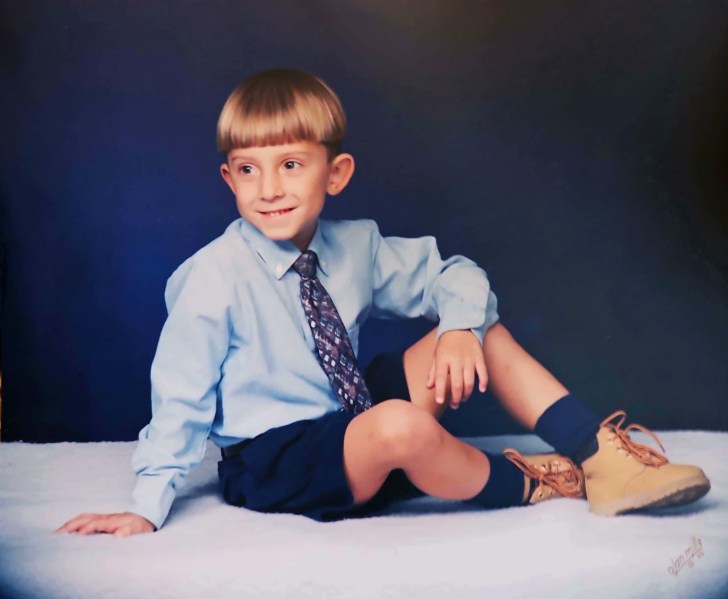
I grew up very lost and confused. My emotional needs were completely neglected by my mother. I had to be the parent/caretaker for her. With only her chaos and complete unpredictability to mirror as I developed. I had low self-esteem, no sense of self, attention issues, anger problems, an inability to regulate emotions, trust issues, not feeling safe and comfortable in my skin, etc. I was never benevolently recognized for any of the good in me. Any good in me was only recognized by some form of punishment. I had to dim much of who I was, hide it from her, which meant hiding it from myself. Meaning showing no emotion to her – no fear, anger, happiness, no nothing. It would all only be used against me later. This is devastating to a developing child. Imagine all of this happening to a 4 year old, continuing into adulthood. Within the last few years as an adult, one of the hardest things for me to do in therapy was to look at pictures of myself at that age during the abuse… it still shakes me to my core.

The confusion I grew up with was the worst part of all of this. And not like a typical high schooler feeling lost and confused. Much deeper than that. It’s very hard to explain. I would have episodes of extreme anxiety that would verge on psychosis. Just totally losing myself and reality. Having nothing to ground me. Going to a really dark and numb place. Strobing white and black, but not the absence of light kind of black. A black void that sucks your soul out of your body, leaving you feeling less than human. Demons and possession are very real. This was all typically prompted by my mother’s brain washing – denying my reality, flipping it on me, and shoving it back into my face. I wouldn’t know which way is up or down. The most fundamental aspects of Being were just totally obliterated. Her manipulation worked…
And I do not use the term ‘brainwashing’ as a figure of speech. The techniques for brainwashing are simple: “isolate the victim, expose them to consistent messages, mix with sleep deprevation, add some form of abuse, get the person to doubt what they know and feel, keep them on their toes, wear them down, and stir well.”

Again, just imagine all of this happening to a 4-9 year old, a sweet little boy. I was shy, timid, non-social, did poorly in school, couldn’t focus on any task, and didn’t know how to connect with others. Not because that’s my proclivity, but because all of that, all of just being a little boy, was beaten out of me at every moment of my life. I didn’t know what feeling safe was. I was in a constant state of fight or flight during my development. To say that all had an effect on my development and becoming an adult is to almost say nothing.

She made me feel like everything bad about me is all my fault. That all the lies and hurtful things she has ever said about me (to me) are real and true. I was made to believe that at my core, I really am a bad child and that my mother is a good mom. I don’t think I need to get into all the details of how little self-worth you have when your mother hates you and acts that out. All the strength and resilience in me came from knowing I survived all of this. All my self-worth has been hard earned, nothing was given to me.

By now, I’ve worked through much of this. I see things more objectively. I know that I’m not crazy. I know that my feelings are valid. I know what the reality is.

These days, the confusion I suffered from is minimal. I know who I am, and I know that I’m not the person my mother made me out to be. Having people like my girlfriend and the fraternity reflecting this back to me has been vital to my growth. I no longer suffer like I used to. I’m no longer living in a constant state of fight or flight. But this has only been since I cut my mother off – as if she is dead – for the last couple of years.

All my anger and rage has turned more into guilt and grief. I still feel waves of guilt for having to completely cut my mother out of my life. I grieve and feel sadness for my mother because at the end of the day, she is deeply sick and hurting. I feel intense grief for the loss of a childhood I never had, I grieve for the hurt little boy in me, and I grieve for a mother that I’ve never had. I mourn her like I would as if she was dead, although she is not. I’ll never be completely “healed.” I’ll never be “over it.” But I am healing and will continue to. And I will continue to get through it and continue to live a rich, deep, and meaningful life.

Mike Tyson has said it best: “it’s never in the past.” Trauma is a lense that will forever color my world, relationships, and perceptions. But I find peace in knowing that I survived. And I will continue to be empowered by the choices I have made to pull myself out of the depths. I’ve stared into the abyss, met the devil at the crossroads, and carved out a new path to the light that was always buried within.

Never Look Away From Pain

Don’t look away. Don’t look down.
Don’t pretend not to see hurt.
Look people in the eye.
Even when their pain is overwhelming.
And when you’re hurting and in pain, find the people who can look you in the eye.

We need to know we’re not alone – especially when we’re hurting.

Brene Brown

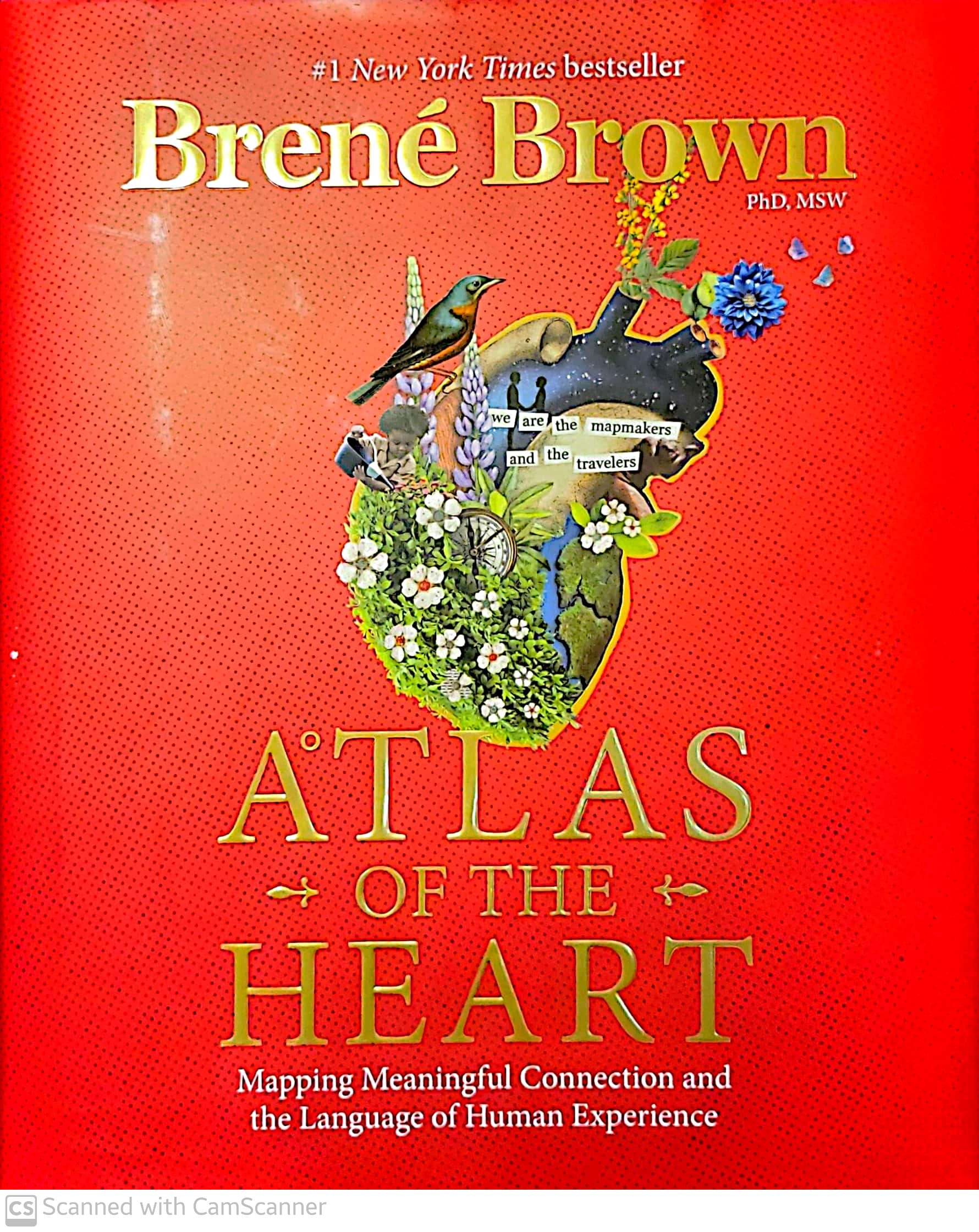
Atlas of the Heart

This is a deeply profound book. It’s almost biblical. In the introduction alone, there is a handful of lines you can spend ages breaking down and interpreting. Just about everything is quotable.

This book is sort of the hard, data driven science, behind the Christian maxim of redemption of the soul is to be found in truthful speech. This work also helps to explain the LOGOS (the creative power behind words/truthful speech).

Language is our portal to meaning making, connection, healing, learning, and self awareness. Having access to the right words can open up entire universes. When we don’t have the language to talk about what we are experiencing, our ability to make sense of what’s happening and share it with others is severely limited. Without accurate language, we struggle to get the help we need, we don’t always regulate or manage our emotions and experiences in a way that allows us to move through them productively, and our self awareness is diminished. Language shows us that naming and experience doesn’t give the experience more power, it gives us the power of understanding and meaning….

Language speeds and strengthens connections in the brain when we are processing sensory information. But newer research shows that when our access to emotional language Is blocked, our ability to interpret incoming emotional information is significantly diminished. Likewise, having the correct words to describe specific emotions makes us better able to identify those emotions in others, as well as to recognize and manage the emotional experiences when we feel them ourselves.

Brene Brown

Consistent Logic

I want to share a recent realization I had in therapy that I think will help people.

This is more for people that suffer from some sort of psychological trauma, that have problems regulating their behavior / actions. For people that are very reactive and allow their emotions to dictate their behavior and moods. I often wrestle with not knowing if the way I’m conducting myself or the way I’m approaching a situation is the “right” way – and/or wondering how much I’m allowing my emotions to get the better of me.

My therapist asked a simple question that helped me find a way that one can gauge that. An example is: if I wanted to bite someones head of in Freemasonry how would I approach that and conduct myself? The answer for me is that i wouldn’t and would approach it in a very controlled/calm yet assertive manner. Now, when asked the same question about a situation that is very emotionally triggering, like if I wanted to bite someone’s head off that is close to me, I used to do just that – just irrationally fly off the handle.

I was worried if I was handling a situation correctly that was very emotionally triggering. My therapist knows that I’m very much in my element in Freemasonry, that I’m kind of the best man I can be when functioning in my capacity as a Freemason. So, when I was concerned about how I was approaching my family, her asking that simple question of “how would you conduct yourself in Freemasonry?”, I realized my approach and behavior to conflict is consistent across multiple dimensions in my life. I am conducting myself the same in Freemasonry as I do at work, as I do at home, as I do with my family, etc.

Now, this still doesn’t mean I’m “right”, but it does show that I’m no longer being ruled by my emotions. It shows the level of control I have over myself, in even the most emotionally triggering situations. This realization is HUGE and empowering for me. It’s a big shift in my psyche that I haven’t noticed.

So, if you want to know if you’re approaching emotionally triggering situations from place more rooted in logic and reason, ask yourself: what would I do in a different environment (work, home, school, sports, etc.)?
If your rational approach is the same across multiple dimensions in your life you know you’re being consitent, which would indicate that you’re not being as reactive and ruled by your emotions. If you’re approaching sort of the “same” problem, in different areas of your life, in different ways, you’re likely being controlled by your emotions instead of logic and reason.

Logic and reason is not the default way our brains function. Our brains have adapted very powerful, automatic survival teqhniques to the contrary. You should try and make sure you’re keeping a consistent logic in all aspects of your life.

Universal Law

The law of polarity is a constant in the universe. Something the sages have been dispensing to us for 1000s of years. A scientific reality we have discovered fairly recent. Nothing can exist without its opposite. You can’t have light without dark, good without bad, pain without pleasure, force without resistance, etc.

What I (and many wise thinkers of the past) feel our ‘spiritual’ purpose is on this earth is to experience this polarity. Whether or not you believe this, it’s a reality that we live in and can’t avoid.
We’re sort of taught, and/or conditioned, that the dark stuff is not as worthy as the good. That the dark should be hidden or shamed away. But that is literally half of our spiritual purpose in this realm, to experience all of this – to experience the entire spectrum of human emotion.

Many have a problem with experiencing a richness in life – experiencing true love, true gratitude, true happiness. When we don’t allow ourselves to feel the depths without judgement, to go to the darkest places, to run from our hurt, pain and sadness, it prevents us from being able to fully feel the positive aspects of life.

In my life, I have only experienced the overwhelming positive by embracing, fully, the darkest most painful parts of me. So, if you’re having an issue of fullfillment, of not feeling the richness of the overwhelming positive in life, increase your capacity to feel by allowing yourself to fully feel the dark/heavier parts you’ve been avoiding/tucking away.

Grief is a good example that forces a lot of people to recognize this. Many feel gratitude, love, and a richness in life they’ve never felt before only after a loved one has passed – grief is intrusive like that. But you don’t have to wait for a loved one to pass for this to happen. In fact, you should do this now so that you (and everyone around you) can all benefit from this overwhelming/outpouring of positive you will experience by opening your capacity to fully feel the depths. Fulfilling your spiritual purpose in this regard is a positive feed back loop that creates more fullfillment, I promise.

Opulence

The Freemasonic ritual is intended to be a spiritually transformative experience. The initiatic aspect of Freemasonry is “intended to actually change the candidate; a rebirth with a new cognitive frame that allows him to see that he could not before – to behold the ‘mysteries’ of Freemasonry and not just the secrets.”

W.L. Wilmhurst writes:
“The purpose of initiation may be defined as follows: – it is to stimulate and awaken the candidate to direct cognition and irrefutable demonstration of facts and truths of his own being about which previously he has been either wholly ignorant or only notionally informed; It is to bring him into direct conscious contact with the Realities underlying the surface images of things, so that, instead of holding merely beliefs or opinions about himself, the universe and God, he is directly and convincingly confronted with truth itself; And finally it is to move him to become the Good and the Truth revealed to him by identifying himself with it.”

Part of how we make good men better is by this process of initiation. Which, when done right, fundamentally changes the way our brothers see, think, and act in the world. Mircea Eliade has this to say about the initiation process: “…the novice emerges from the ordeal endowed with a totally different being from that which he possessed before his initiation; he has become another.”

This is what happened to me when I was Initiated, Passed, and Raised through the fraternity. This is the main reason I stay active in the lodge, because this was so transformative and important to me. So now I am paying it forward to give new canindates the same experience. Because without me, new, and veteran Masons conferring these rituals, Freemasonry dies.

I get to take part in these initiations on a regular basis. I regularly have new canindates personally thank me and tell me that I helped in spiritually transforming them (since I typically perform very critical and involved roles) – as my brothers did for me when I was a new canindate. I’ve seen the transformations, sometimes even the very moment of epiphany.

This brings me a level of joy that I never knew existed. My life has never been more meaningful. I have never had so much direction, drive, and determination. I have never felt so powerful and strong. I have never been so happy. Words cannot convey my feelings. At the very least, all I can say is that all these feelings are felt with an intensity I never knew existed.

I now know the reason the Mystery School tradition has been passed down for 1000s of years. And I couldn’t be more honored to keep it alive and well.

Freemasonry and Healing Trauma – Analogy/Metaphor

Since I’ve been quiet with my blog post/writing lately I’d like to explain why. Most of the content for my blog post come from the books I read and I was reading at least 5 days a week. I haven’t really been reading much due to the time I’m investing into Freemasonry. Instead of reading, in the last 7 months, I’ve learned the bulk of all 3 degree ceremonies. I’ve learned the lines and floor work for big roles in these plays – a total of around 5k-6k words in different chunks. This includes learning/mastering a 3,000 word lecture (20+ consecutive mins of talking). The ceremonies don’t really change so once you learn everything then you’re set and can perform in all the ceremonies. I’m trying to get to that point.


With books, it’s easy to extract information from what you’re reading. The insights I’m gaining from Freemasonry come much slower. Partly because right now I’m too busy learning lines, floor work,  getting over nerves, etcetera to extract deep meaning from the teachings. You really have to get proficient and confident with the ceremonies to be able to focus on extracting deeper meaning from them. What I’m learning is also very repetitive, so I’m not really learning anything “new” so to speak. The information comes slower but, perhaps, more rewarding. Such is the nature of any esoteric teachings but more so with Freemasonry than any other esoteric teachings I’ve engaged with.


There is something very profound about Freemasonry that I’ve uncovered with my therapist about what Freemasonry is doing for me. One of the core aspects of counseling is that the therapy session is a safe place you can express your feelings/emotions and explore your thoughts/desires. A safe place to speak your truth – safe meaning both physically and emotionally. 
This is one reason I advocate for everyone needing therapy. We have to have a safe place to explore our minds openly. Most people use their spouse, friend, family, and the like for their safe place(s). But there is nothing like having a professional to help you better navigate your internal world. 


In mitigating trauma, having a safe place is absolutely essential for healing and growth. This safe place allows you to explore your trauma in a healthy and controlled way. Instead of your triggers controlling your thoughts and behavior. Because when you’re in that state, it’s almost impossible to explore your feelings in any constructive way.


One of the roadblocks I face right now, in relation to therapy and my personal development, is that underneath my anger/rage I have a fear driving those emotions. I know this logically, but I can’t explore the fear underlying my rage. I can’t explore my fear because I do not physically feel it in my body at all. I really need to be able to explore my anger and fear in the moment, which is really hard to do. This is because not too many things trigger this emotion, and when it does, it puts me in a state of fight or flight so I’m not thinking cognitively to watch it.
Freemasonry is very nerve-racking for me. With performing in the ceremonies you have to speak/lecture to strangers while looking them in the eye, while a crowd is watching you, knowing that everyone is criticizing your every word and action. It’s very much out of my comfort zone. The fear I feel when performing is the closest feeling I’ve ever gotten to my anger/rage feeling, while still being in control. 


With all that in mind, Freemasonry is giving me a safe place that I can explore my fear. A place that I can conquer, master, and get curious with my fear. They say metaphor and analogy are the key to life. This Freemasonry fear analogy is helping me to unlock my fear and empower myself. I think this is a big reason why I enjoy Freemasonry so much. 
So find small and manageable ways to explore your trauma via analogy. This is how you “sit with your demons”, talk to them, ask them questions, find out what they want/need so you can integrate them into your being – shadow work essentially. There is a lifetime of secrets to unlock in Freemasonry and I’m just hitting the tip of the iceberg.