More than a Gateway to the West.

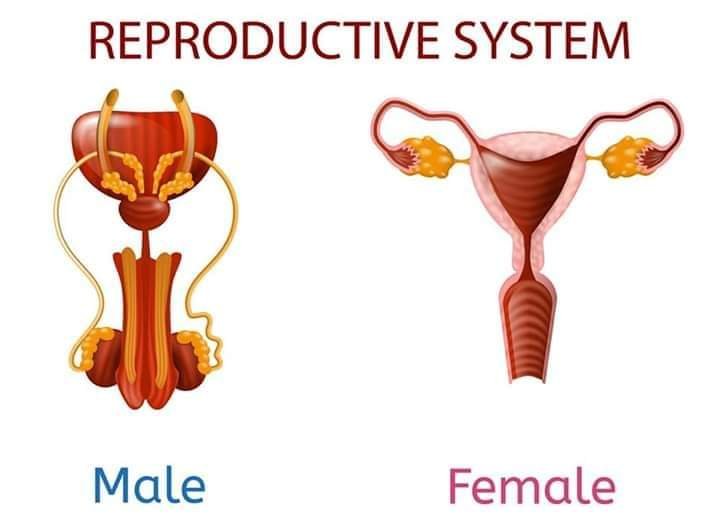
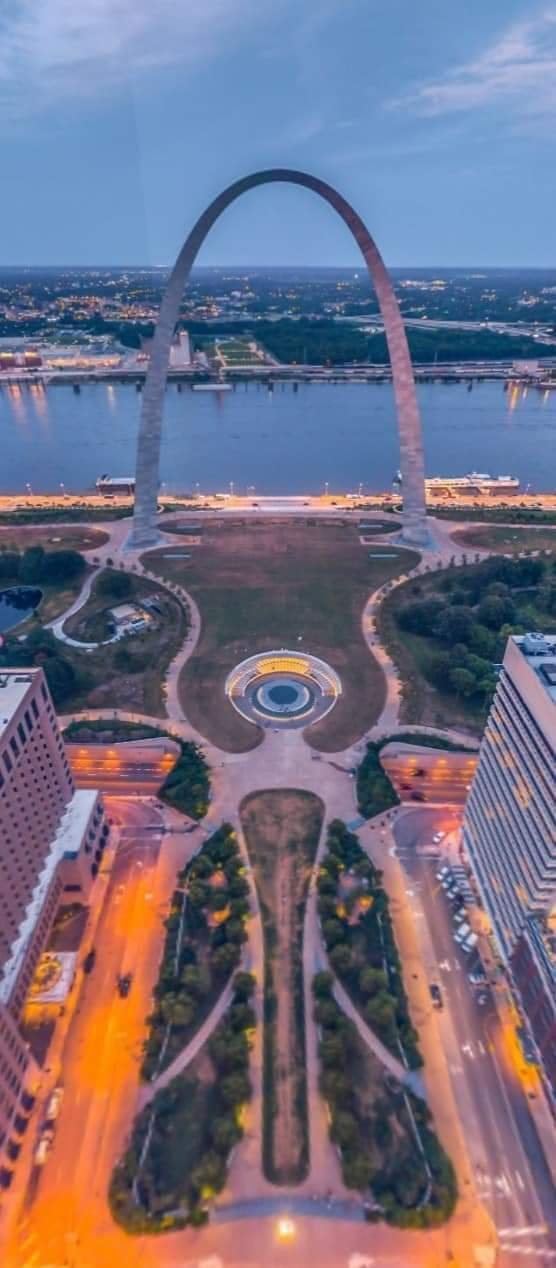
The Arch lays the fertile ground – or foundation – to St.Louis and gives birth to the rest of the nation, symbolized by the symbols of fertility on the Arch grounds.

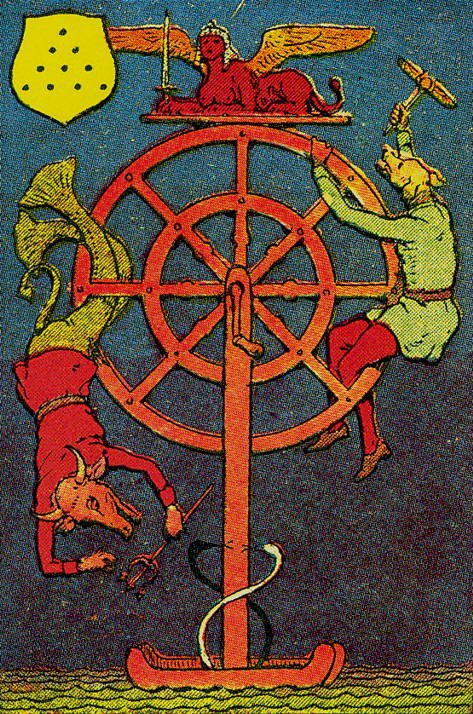
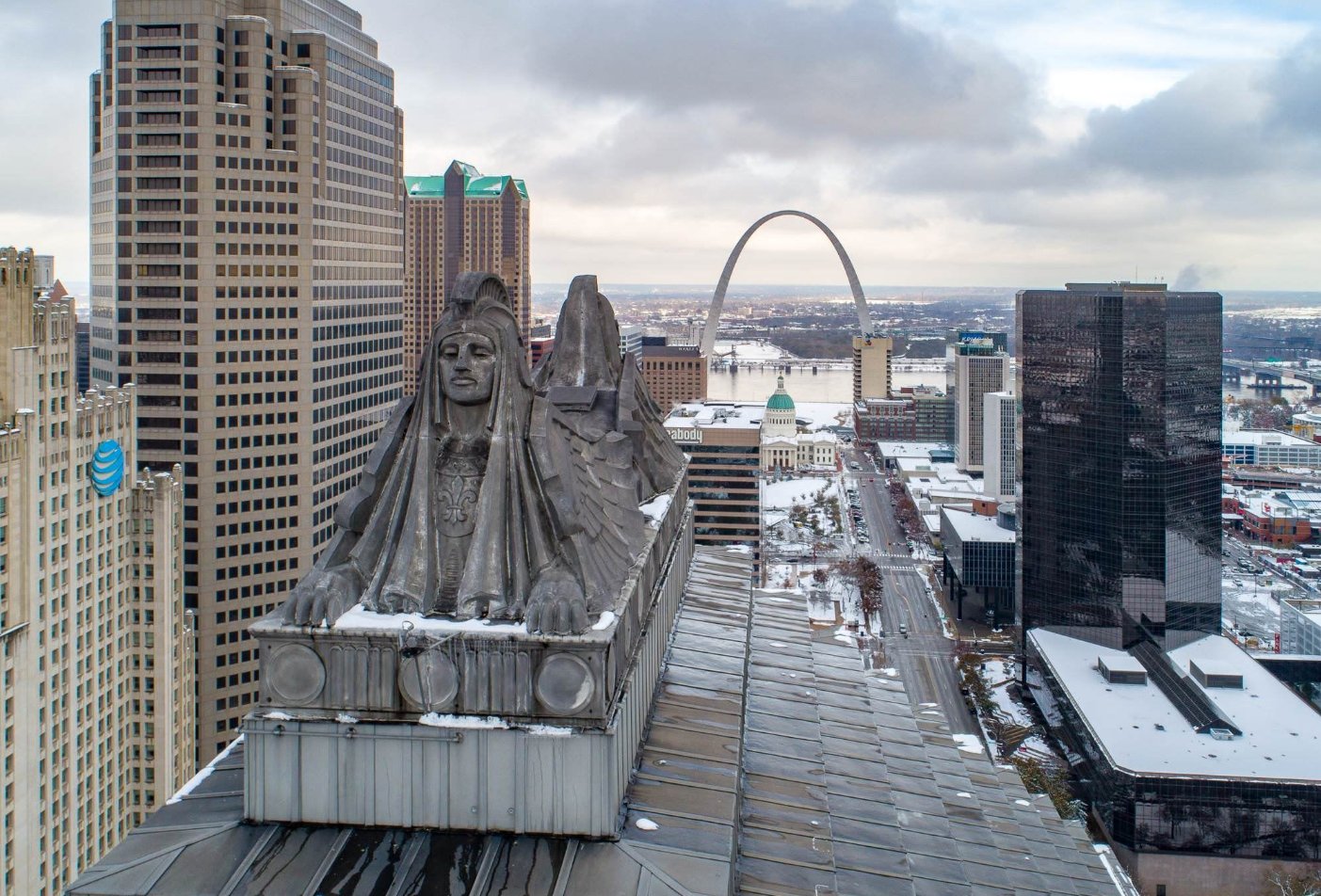
The Sphinx alludes towards the mind ascending to take dominion over the processes of life, disorder, and destruction being overcome. It represents equilibrium or the balance of all forces of nature, it also intimates illusion and like the Sphinx of Oedipus sits ready to destroy all incapable of answering it’s riddle. The whole sphere of Nature as man knows it is but a shadow of reality. The Sphinx is the keeper of the gates of mystery, illusion itself is the keeper of reality and illusion destroys itself when we give the right answer to life’s riddles. Though there is only one, the Sphinx of Egypt guarding the Giza complex, looking East, watching the sunrise, these two sphinxes sit back to back watching the sunrise and sunset as if they’re the keepers of this illusion we call reality (crowning the Wheel of Fortune). These sit just like the Sphinx on the Wheel of Fortune card in Tarot crowning the wheel declaring the entire wheel itself is an illusion.

Credit for the large majority of the interpretation goes to Yolanda M. Robinson and Manly P. Hall
Lovers Card Origins

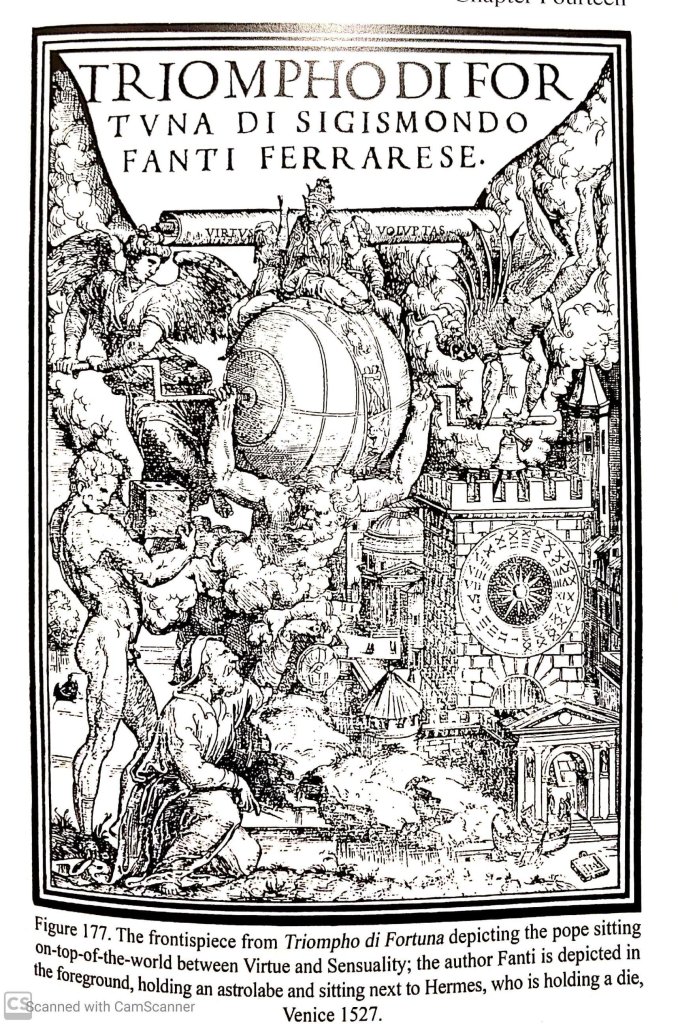
A motif similar to the Lovers can be seen and the frontispiece for the Triompho di Fortuna by Fanti, a fortune book published in Venice in 1527. In this allegorical illustration, we find a large figure of Atlas supporting a globe that is actually an elaborate wheel of Fortune with a belt displaying the signs of the zodiac surrounding it and crank handles extending from the central axes. On our left, there is an angel, representing Good Fortune, turning the handle clockwise. On right, there is a devil, representing Bad Fortune, also turning the handle. At the top of this wheel and globe, sits a pope. As in the Tarot, he represents the highest temporal ruler – he is literally on top of the world. On either side of him, sits one of two women with their names written in latin next to their heads. On the left is Virtus (virtue) and on the right, the same side as the devil, sits Voluptas (sensuality). The Pope’s fate hangs on his choice of a mate.

Robert M. Place

Renaissance Homage

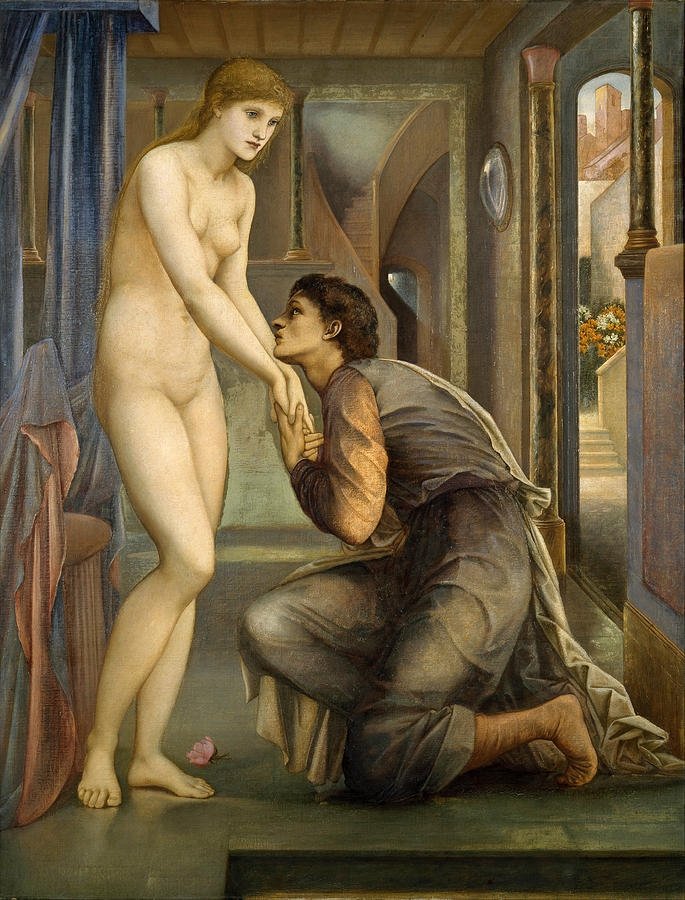
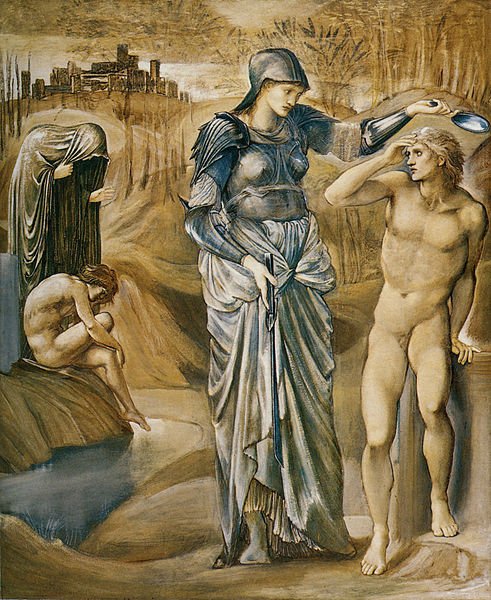
Burne-Jones and the Pre-Raphaelites believed that art was a spiritual or magical endeavor and toward this end they formed a mystical brotherhood of English artist dedicated to recapturing the sincerity of the art of the early Renaissance – the same period that gave us the Tarot.

Burne-Jones based his tall female “stunners” and melancholy heroes on the paintings of Botticelli and Michelangelo, two artists, whose works are considered primary examples of Renaissance neoplatonism. His work expresses the Renaissance idea that physical beauty and spiritual beauty are linked and in one continuum that can lead to the mystical experience of beauty itself, as a timeless, underlying reality – Plato’s “true food of the soul.”

In the Renaissance, artists, like Botticelli, symbolized this spiritual essence as an ideal female nude and this ideal allowed early Tarot artist to place a nude on the World card as a symbol of the primary beauty and allowed alchemists to use the nude as a symbol for the Anima Mundi.

Robert M. Place

The Ancient Art of Symbolism

We see the individual in a world of shadow forms. … There is the ancient art of symbolism. Now a symbol is a picture of a motive or an idea or a meaning, it is putting a mysterious truth in the form of a picture.

All action all attitude all feeling can be considered as pictorial. Everything that exist has a shape of some kind. Some of these shapes we can see around us in daily life, some of these shapes impose themselves upon us as dreams and nightmares, some of these shapes never appear to the physical world at all, others are particularly limited to the use of psychics. But in every instance every single thought or emotion has a picture, has a likeness of itself, a mathematical pattern, a geometrical balanced design which stands for it.

Manly P. Hall