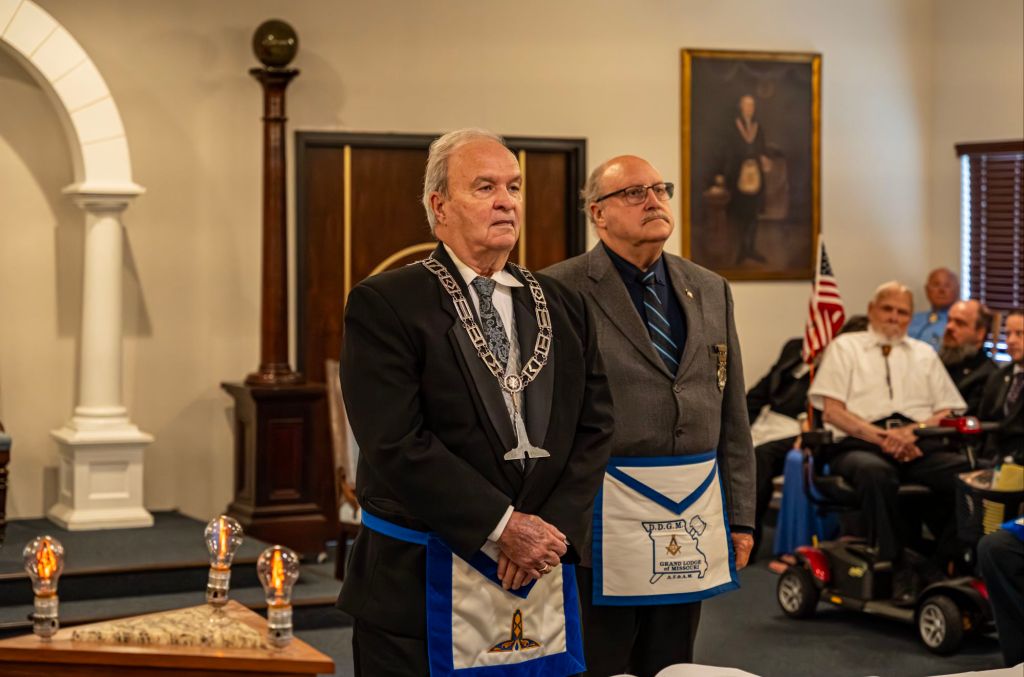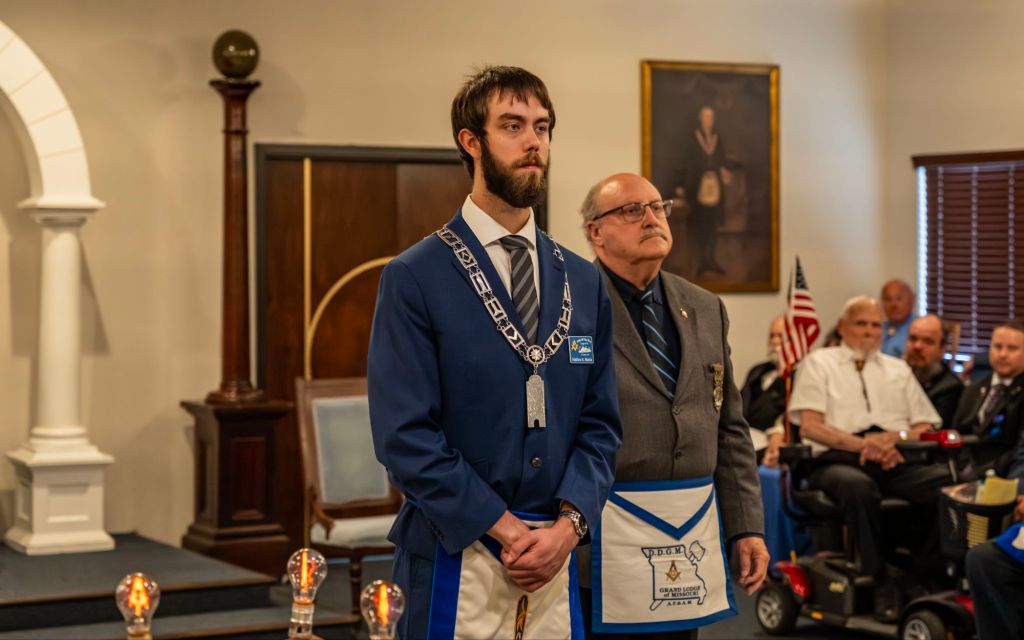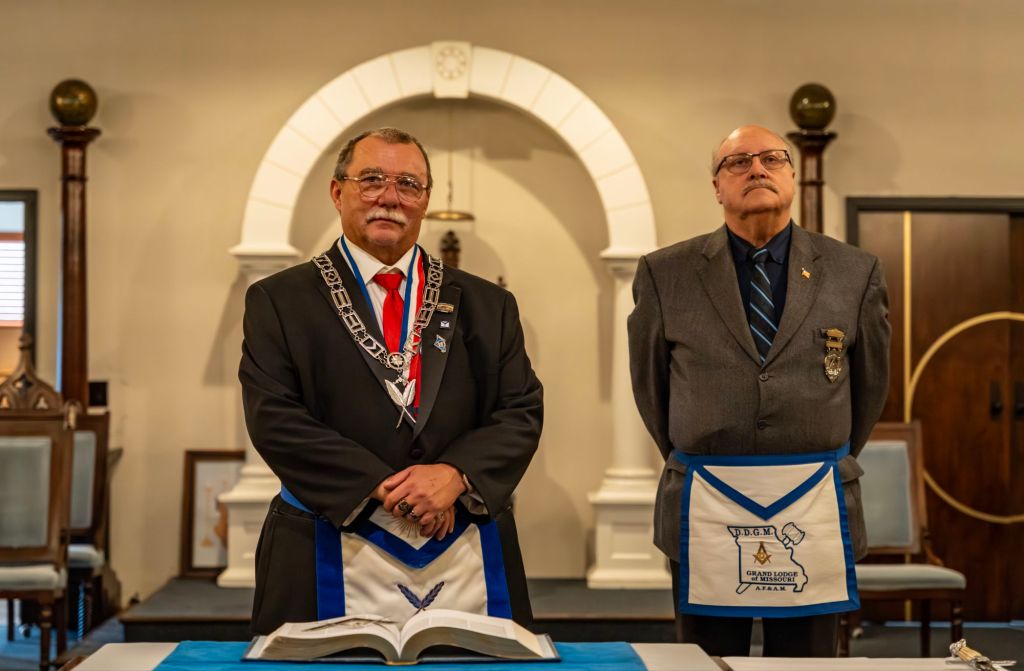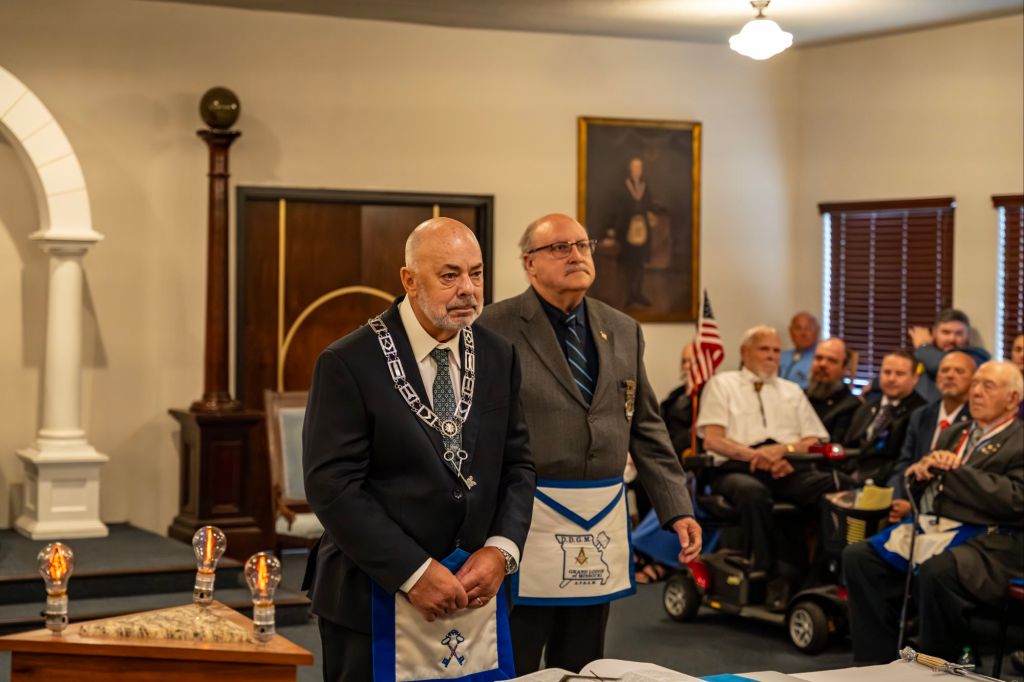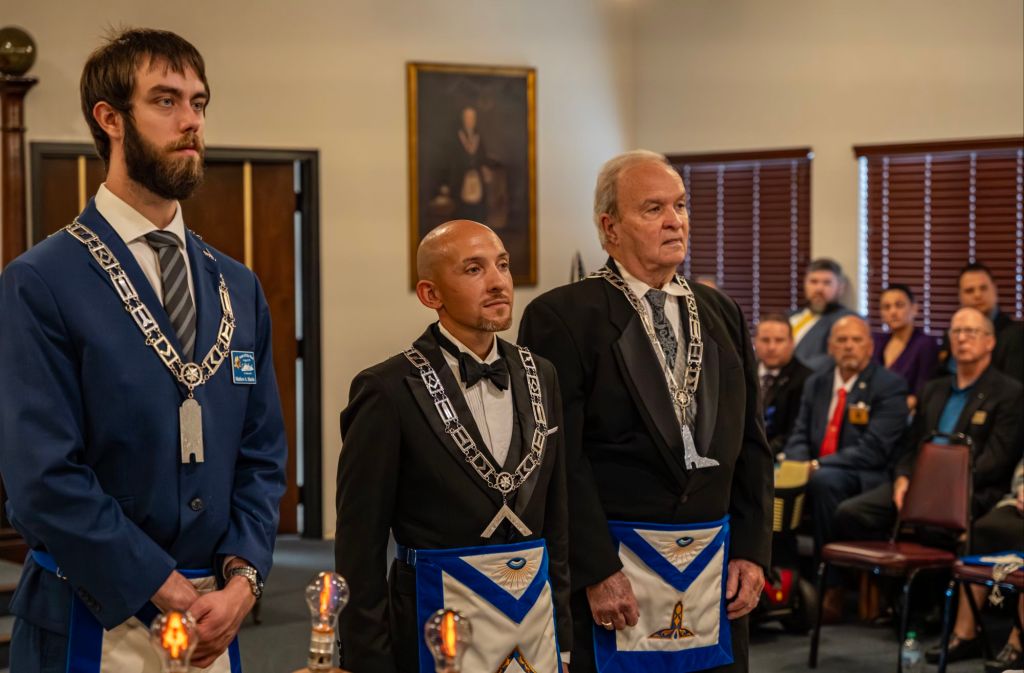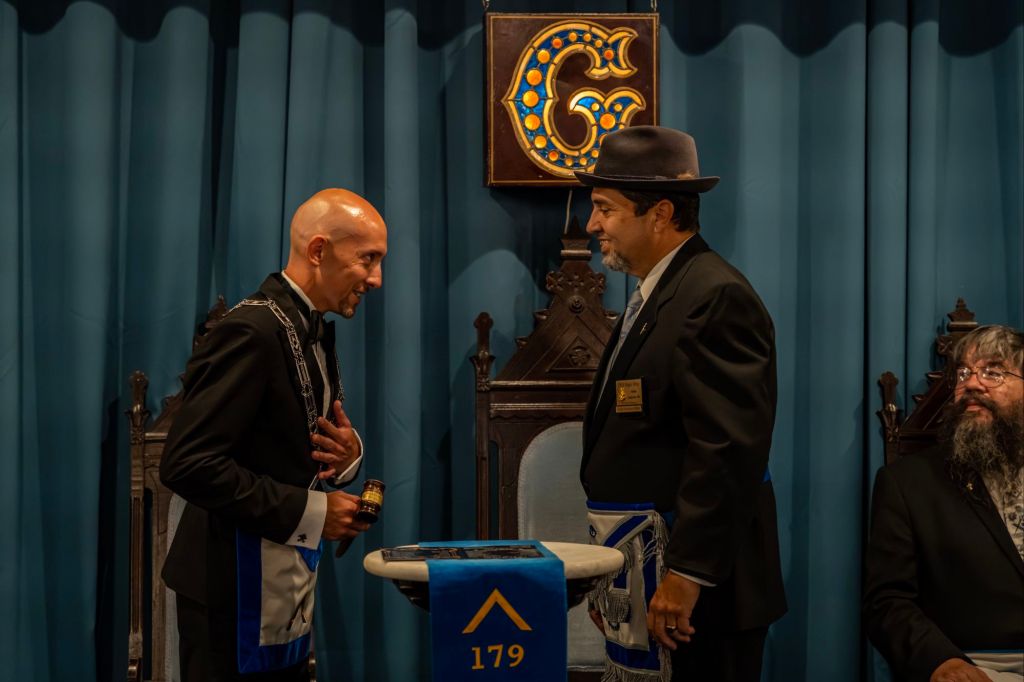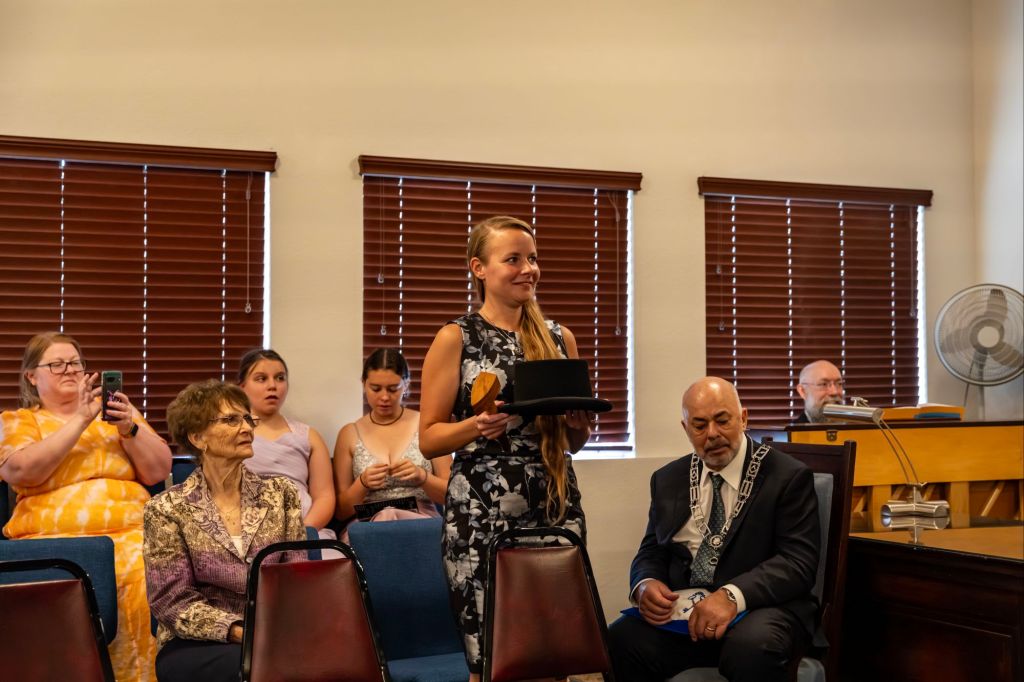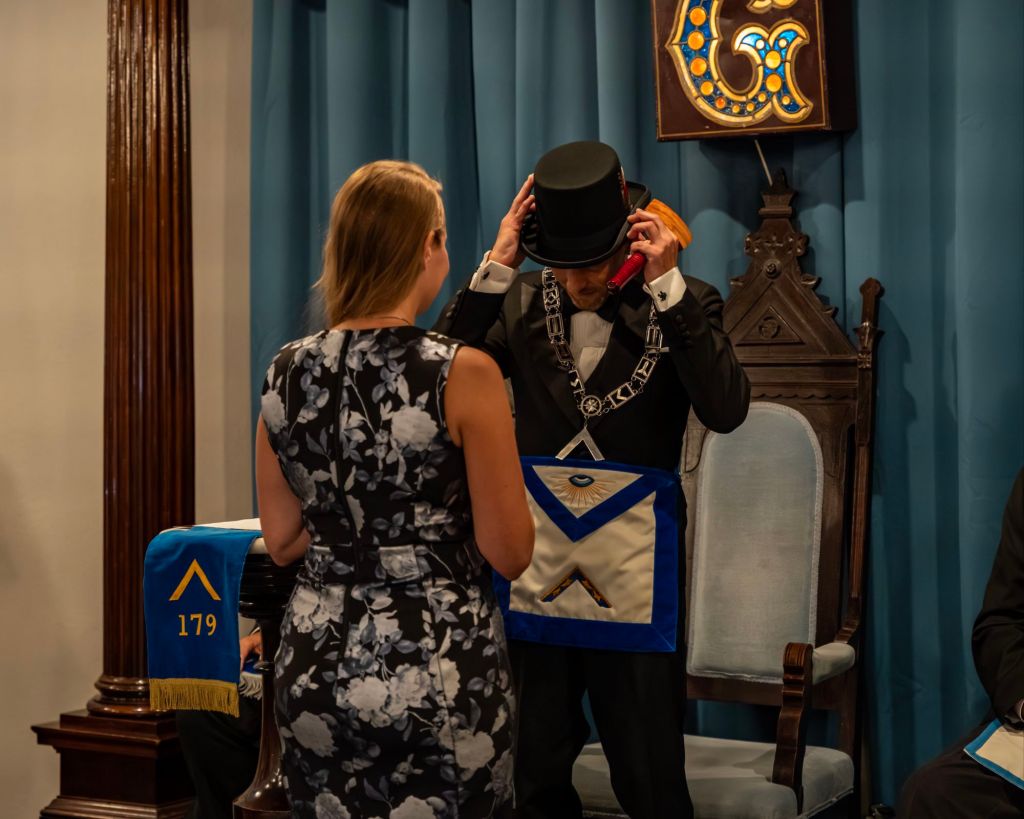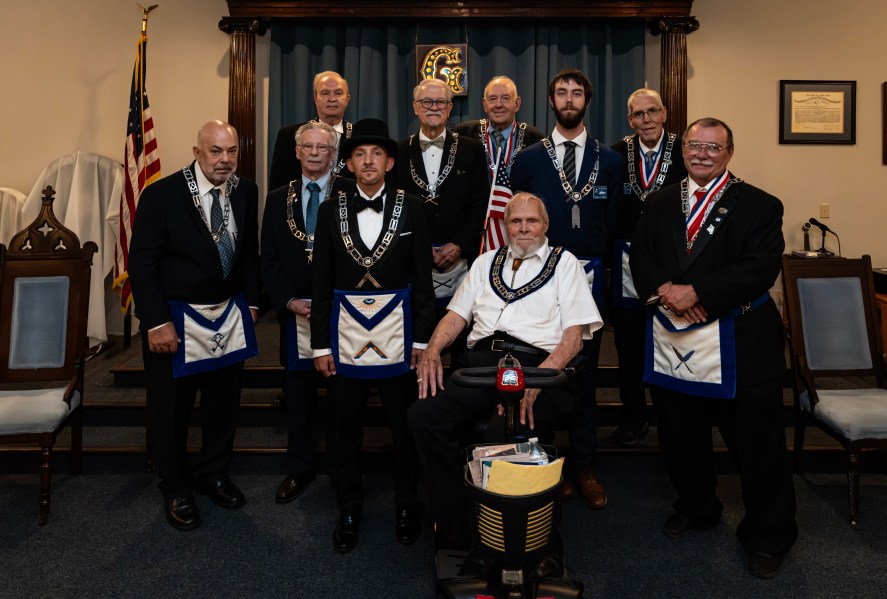
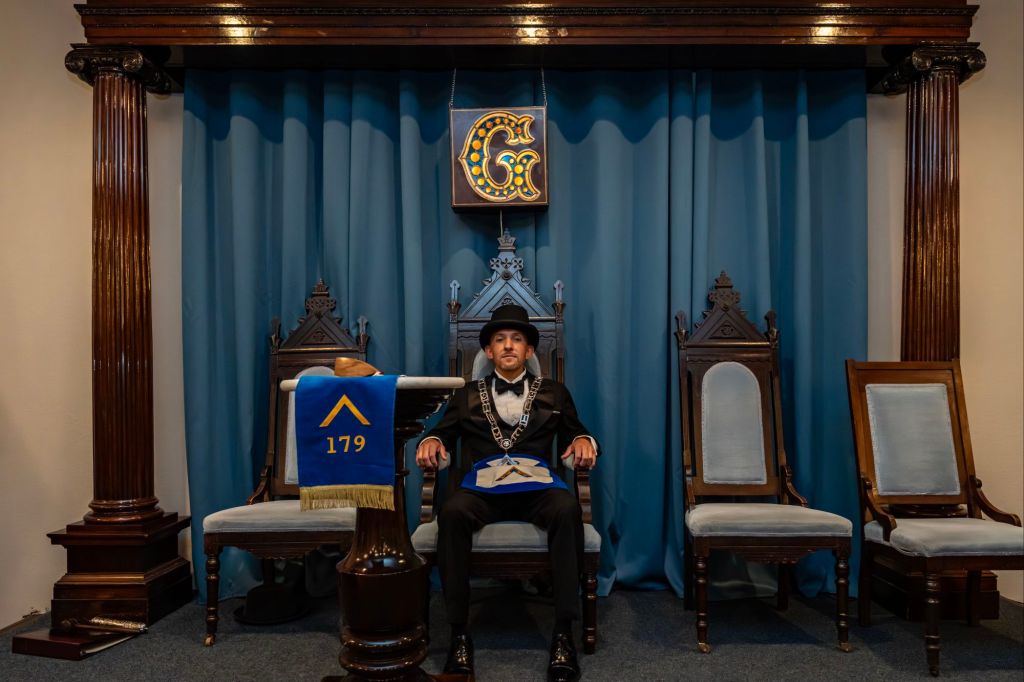
My Installation Ceremony

This event is something that I’m still processing.

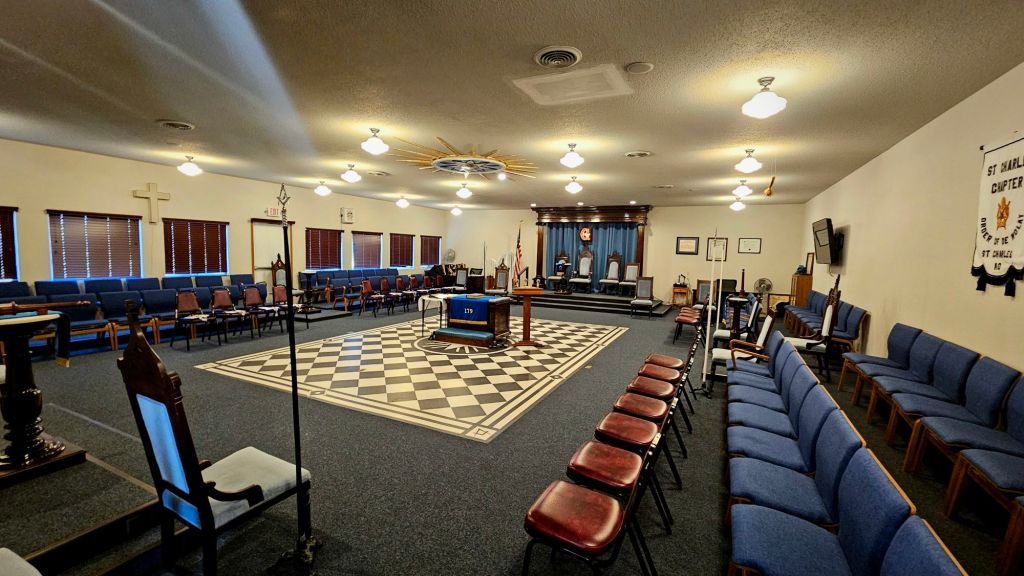
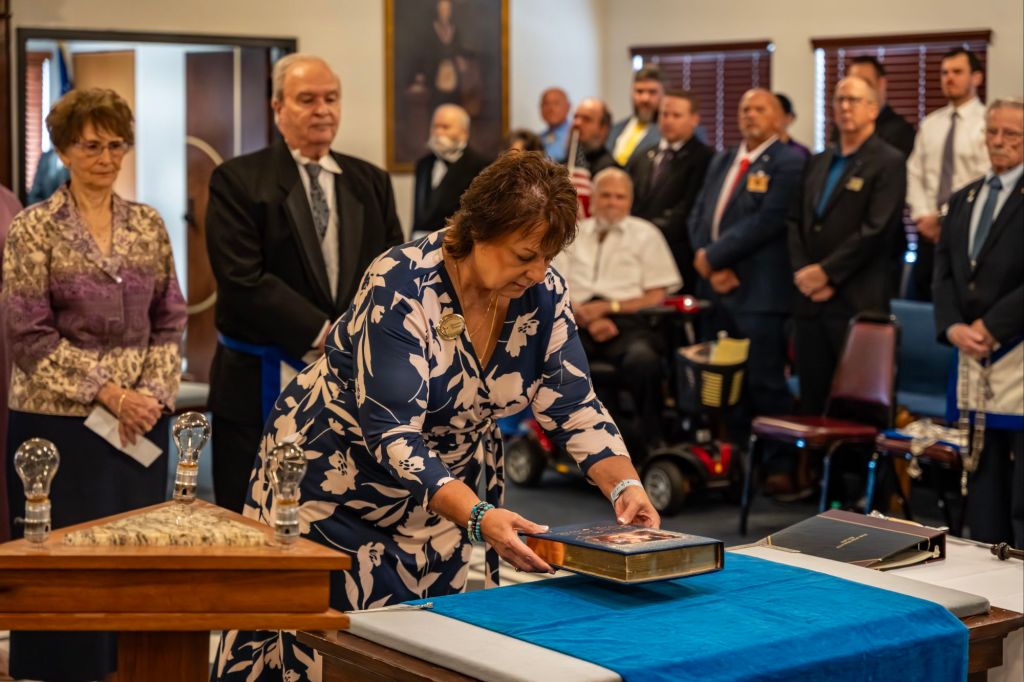
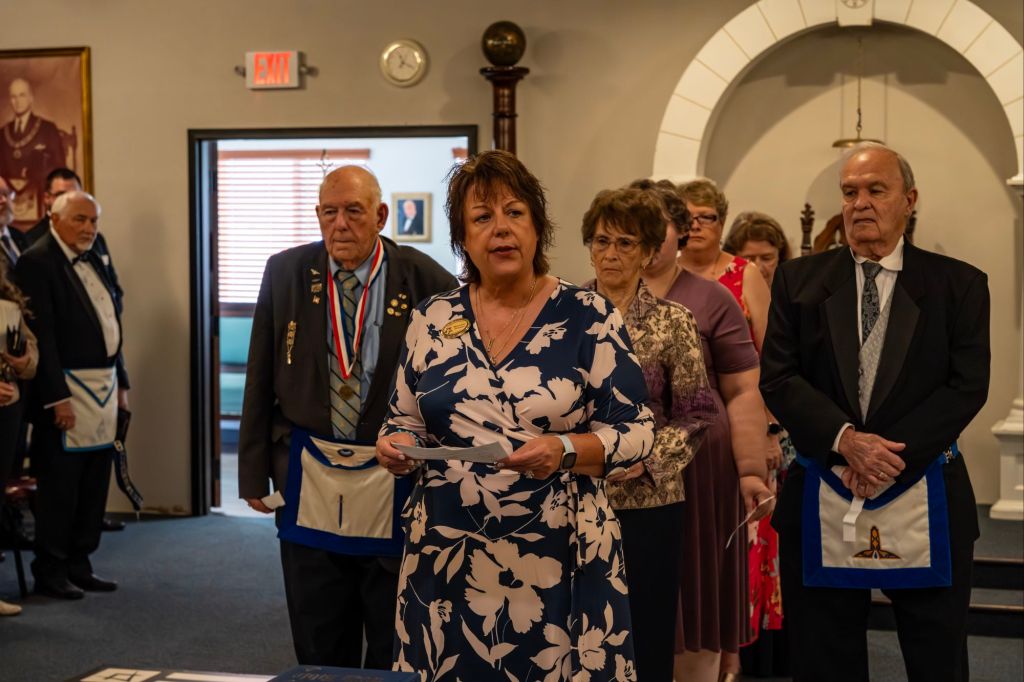
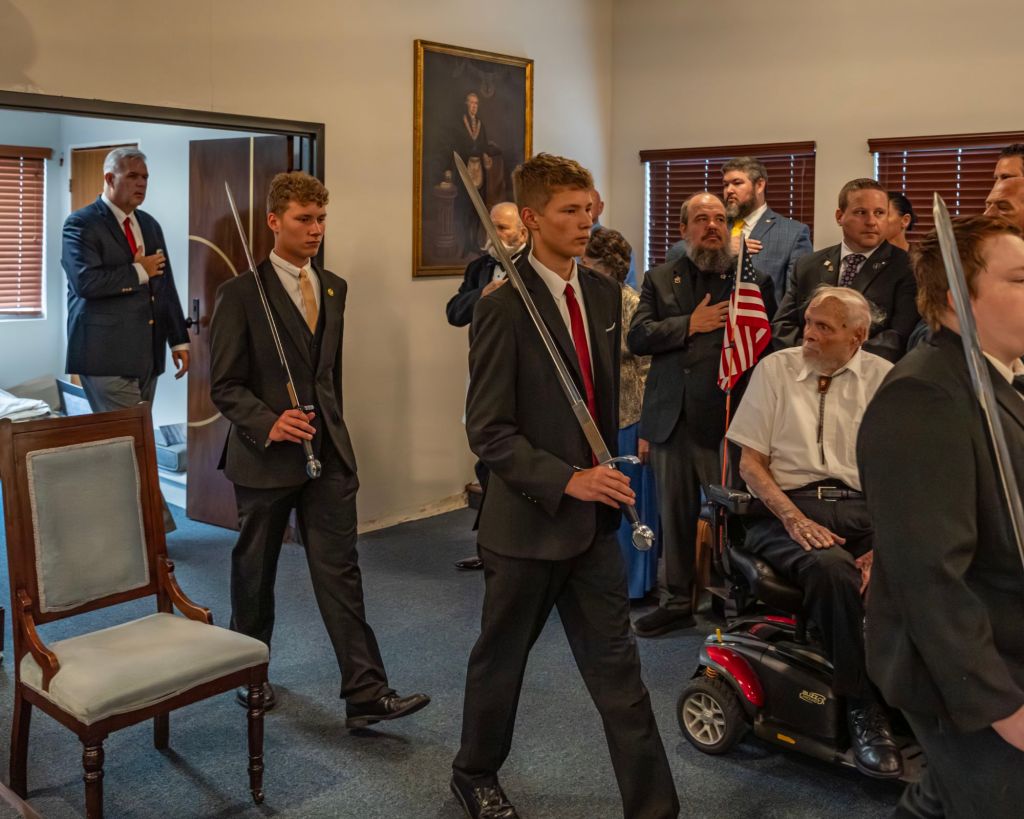
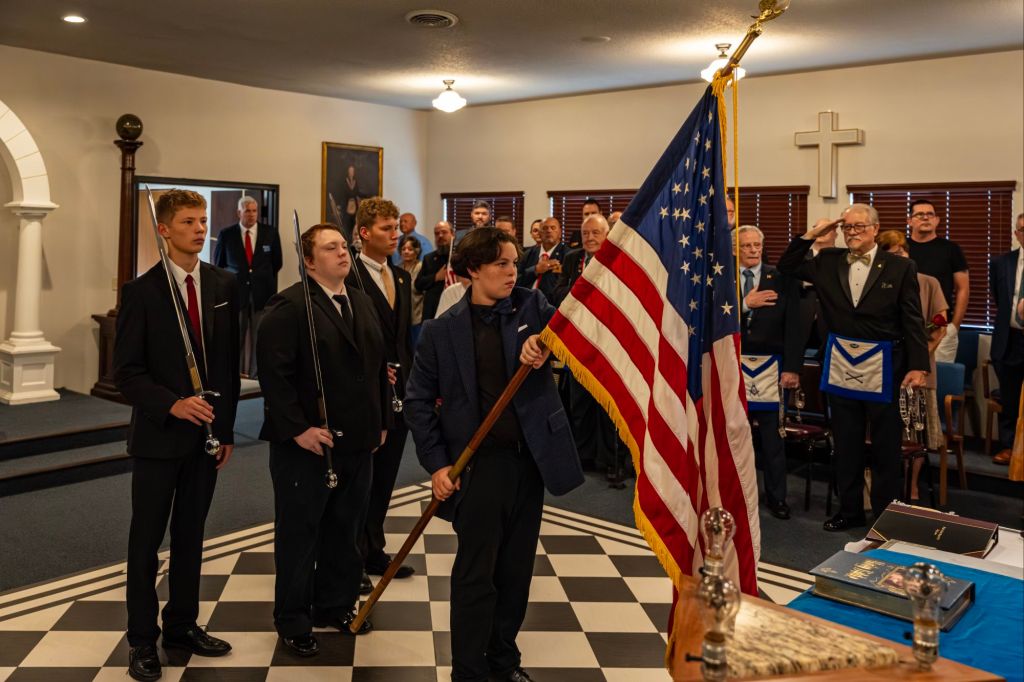
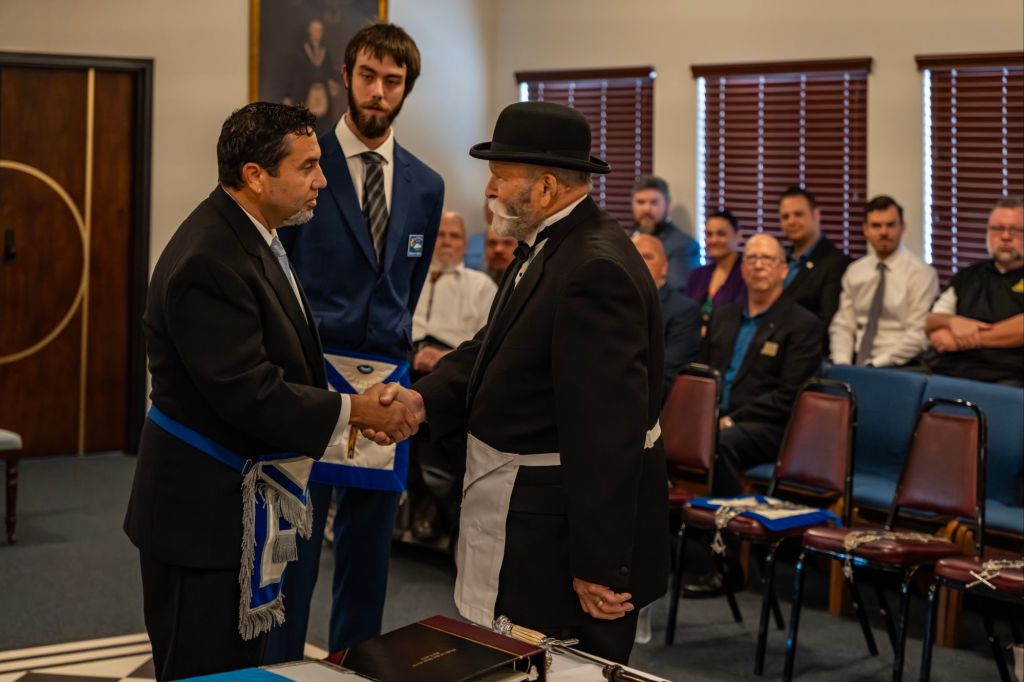
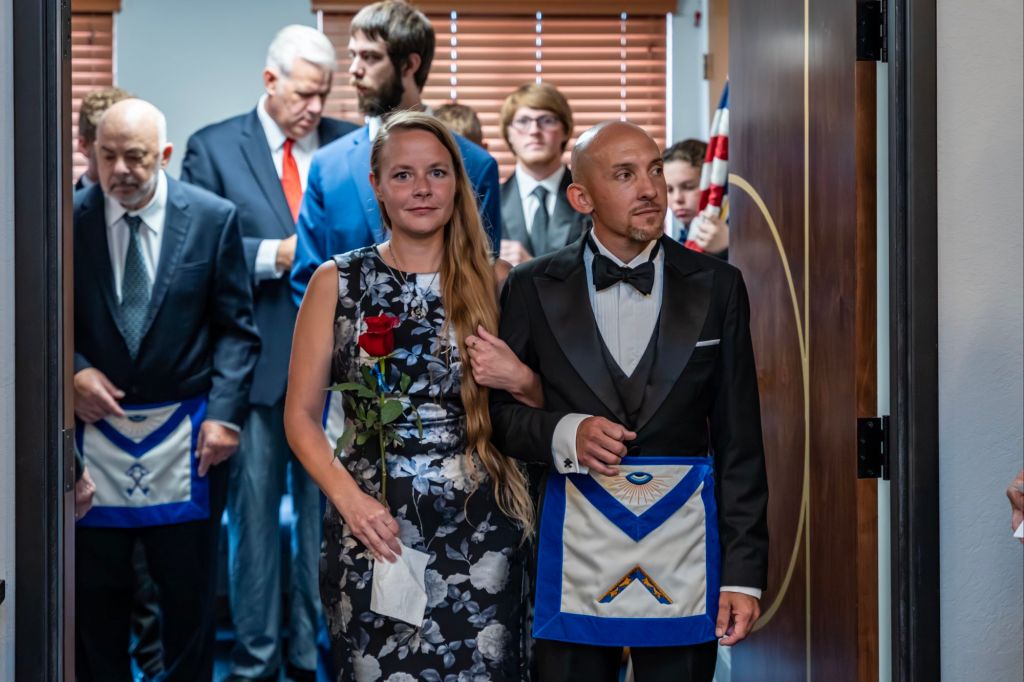
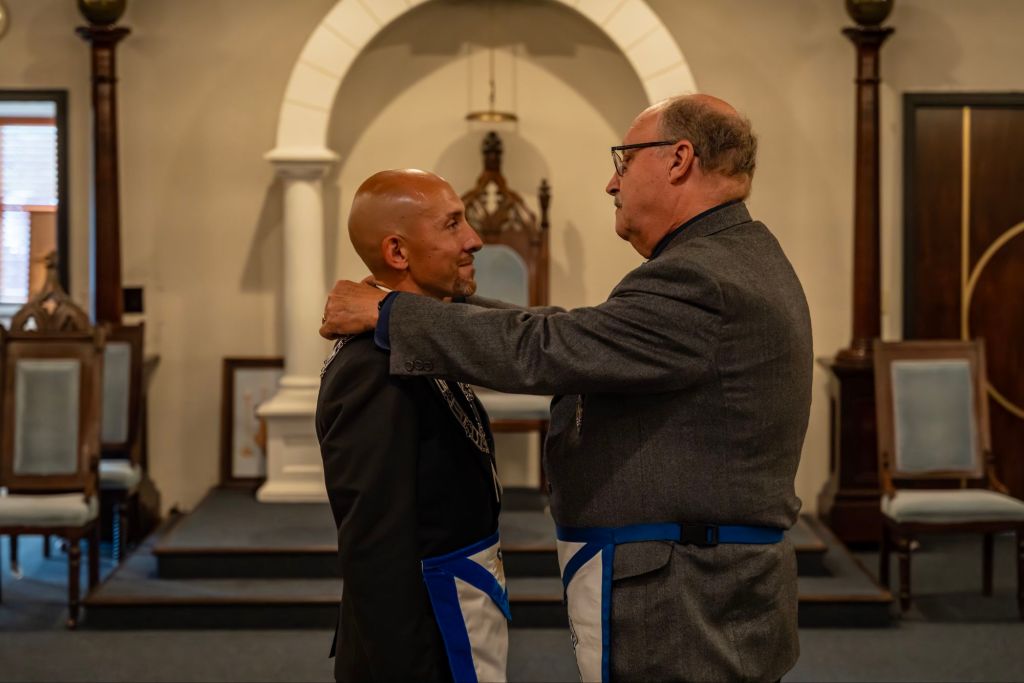
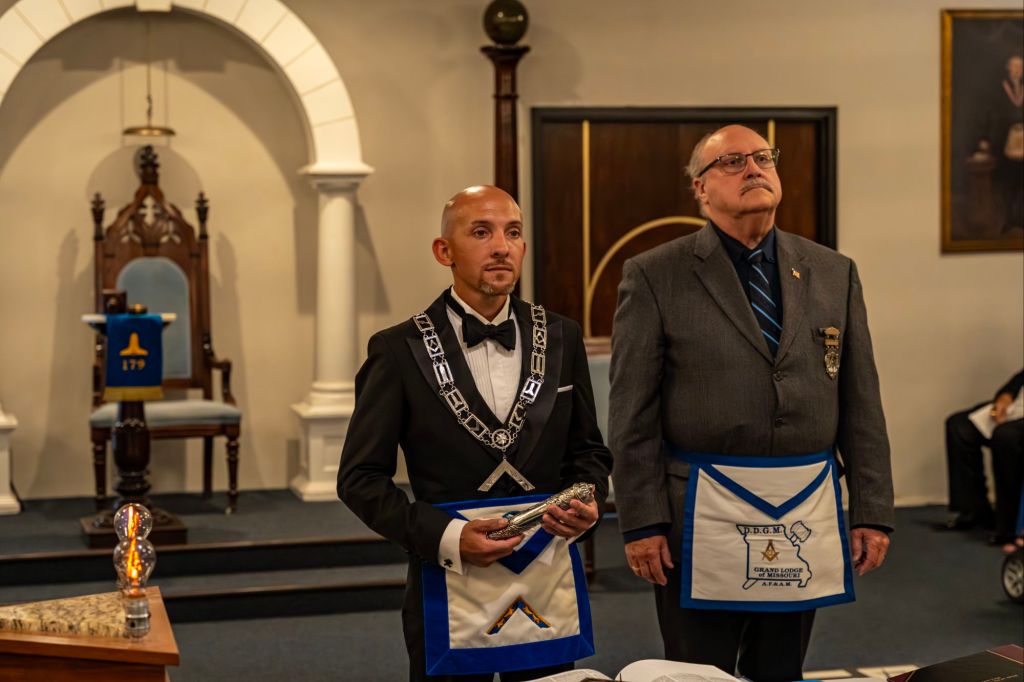
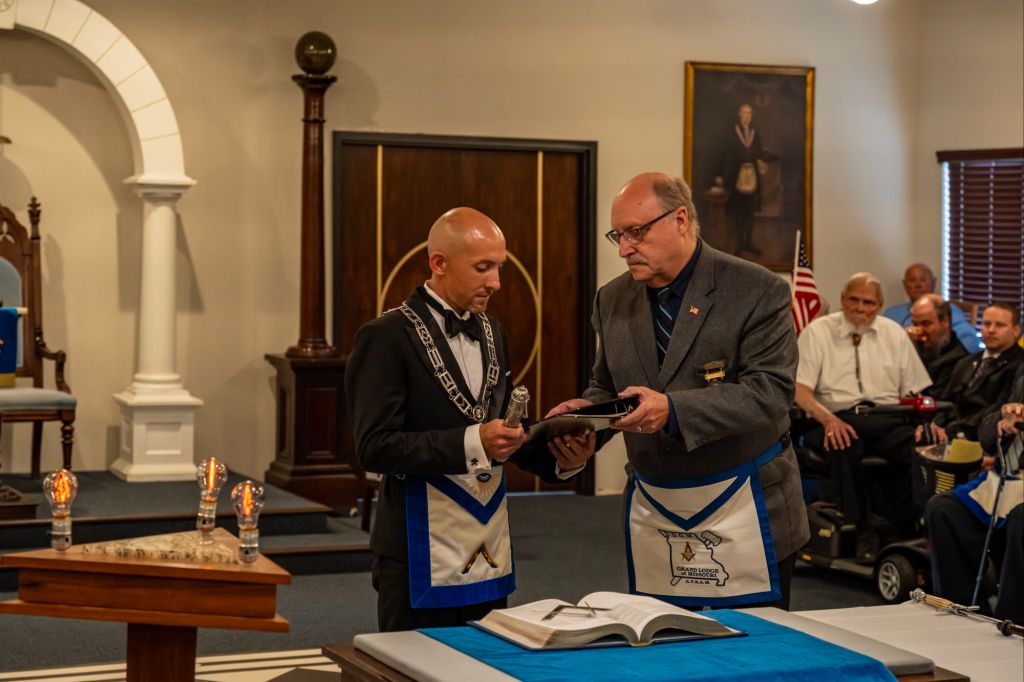
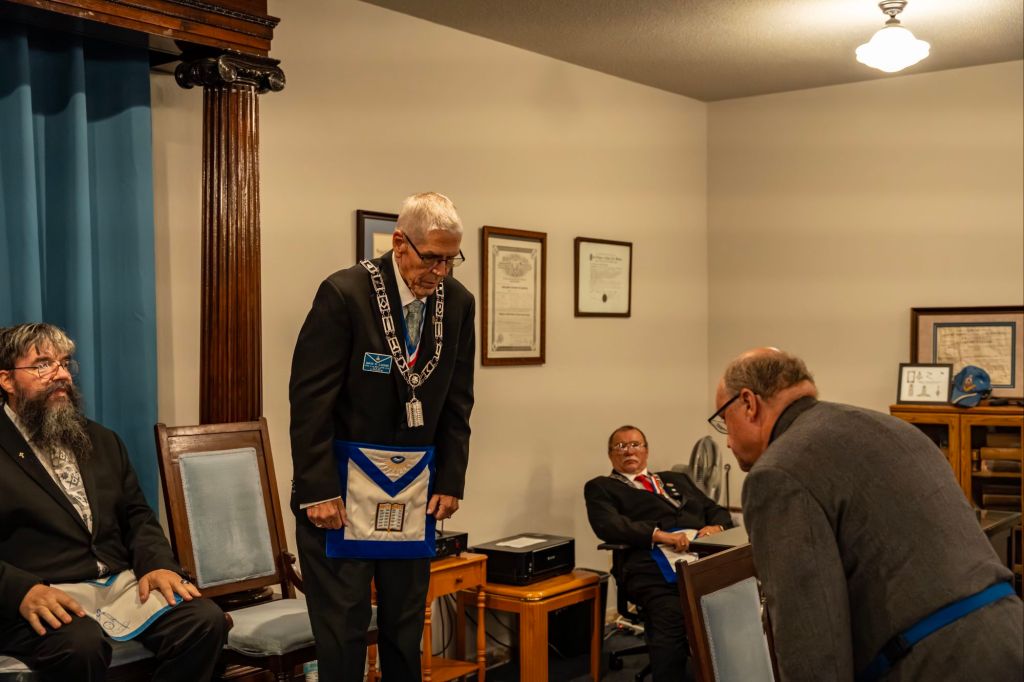
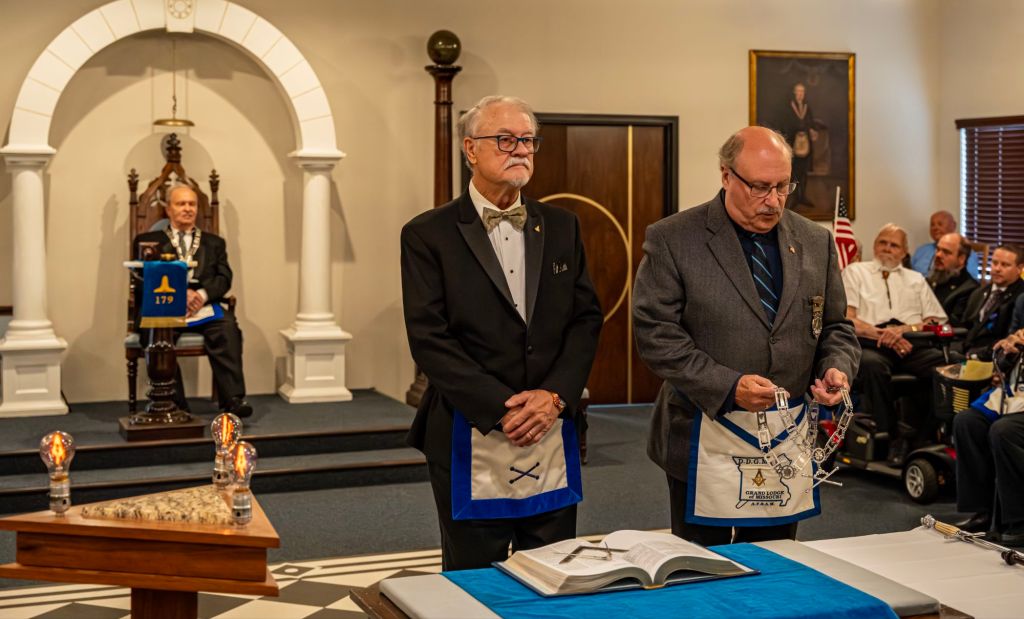
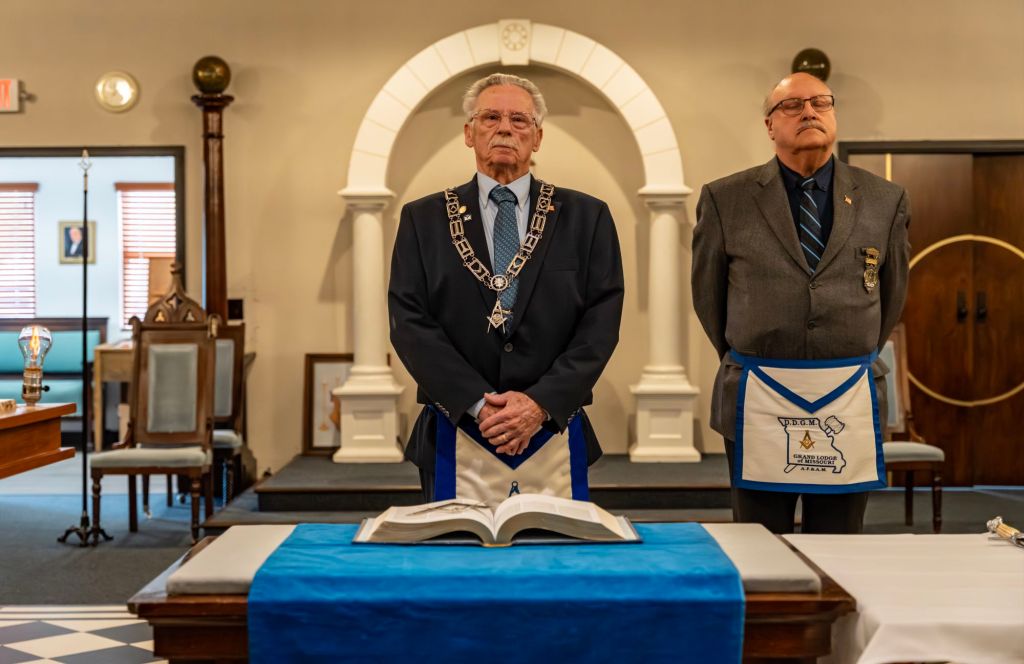
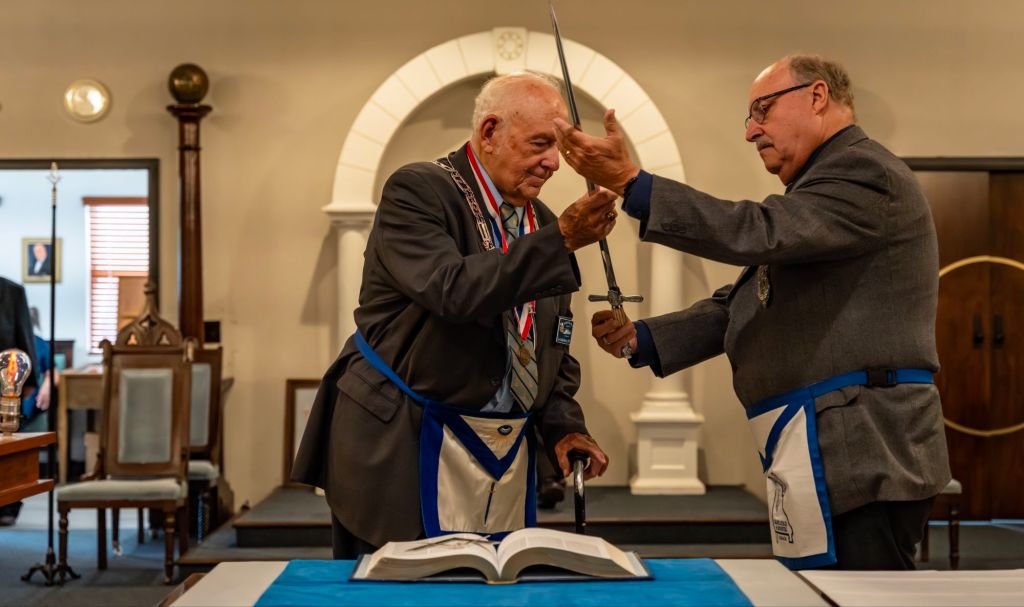
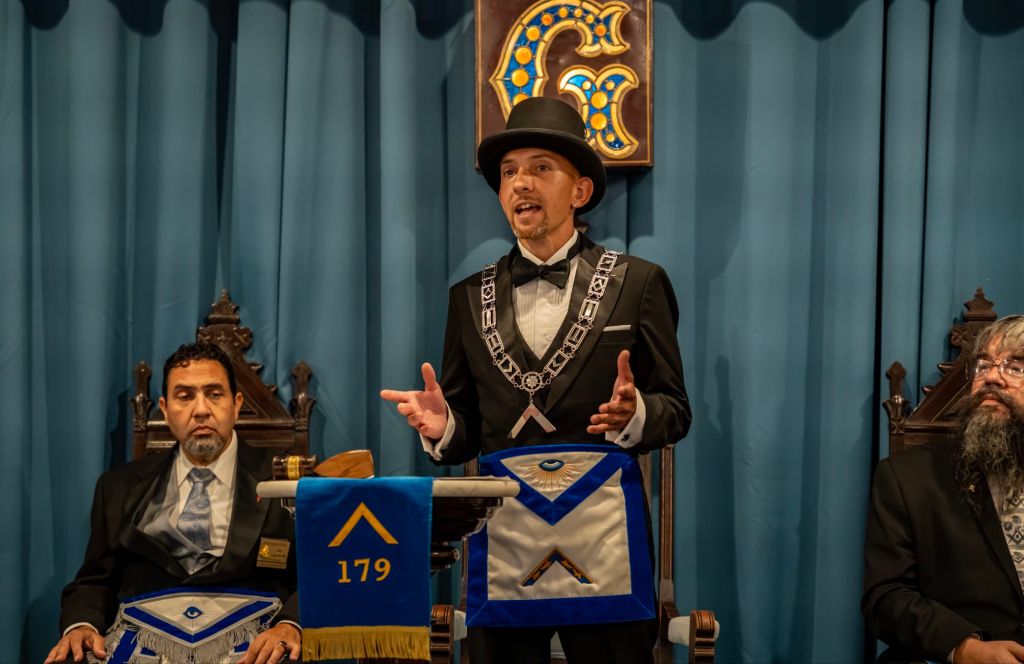
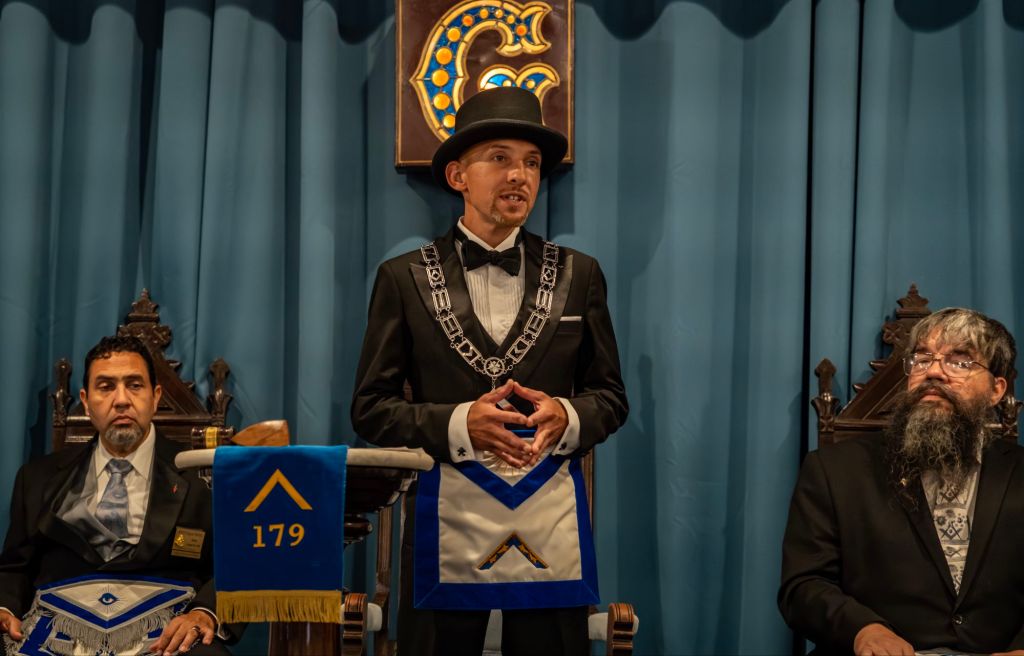
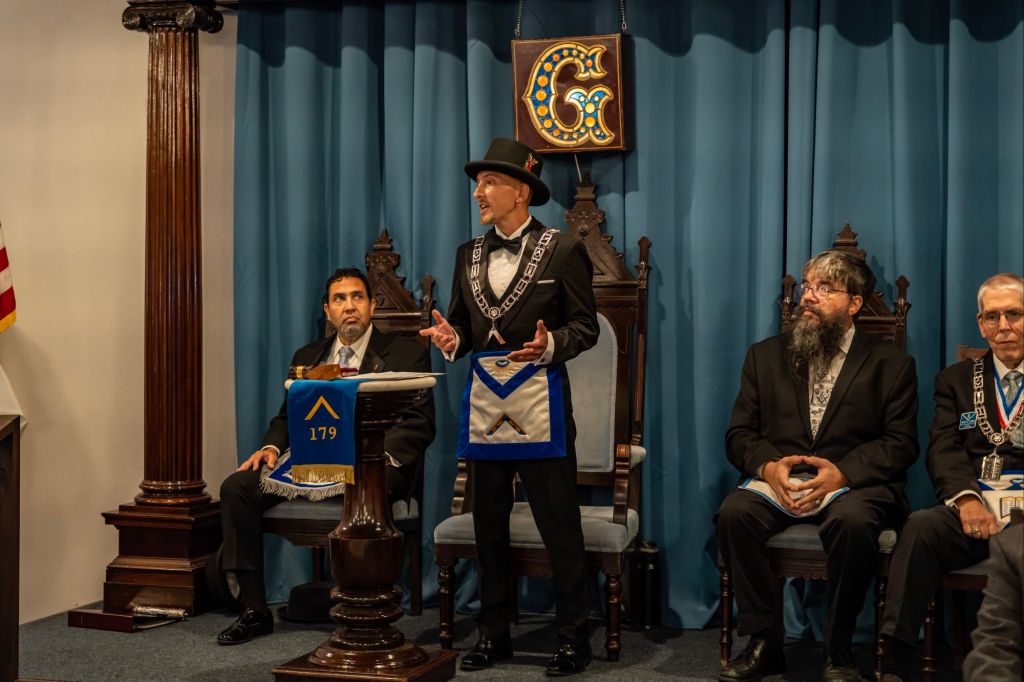
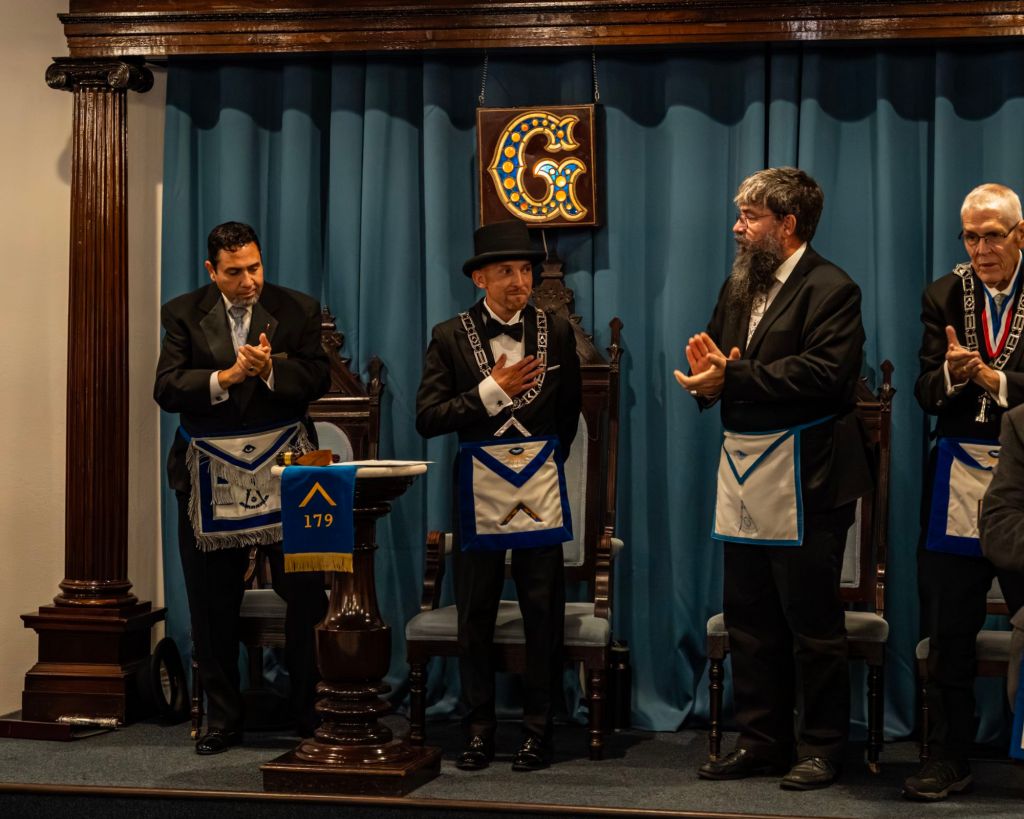
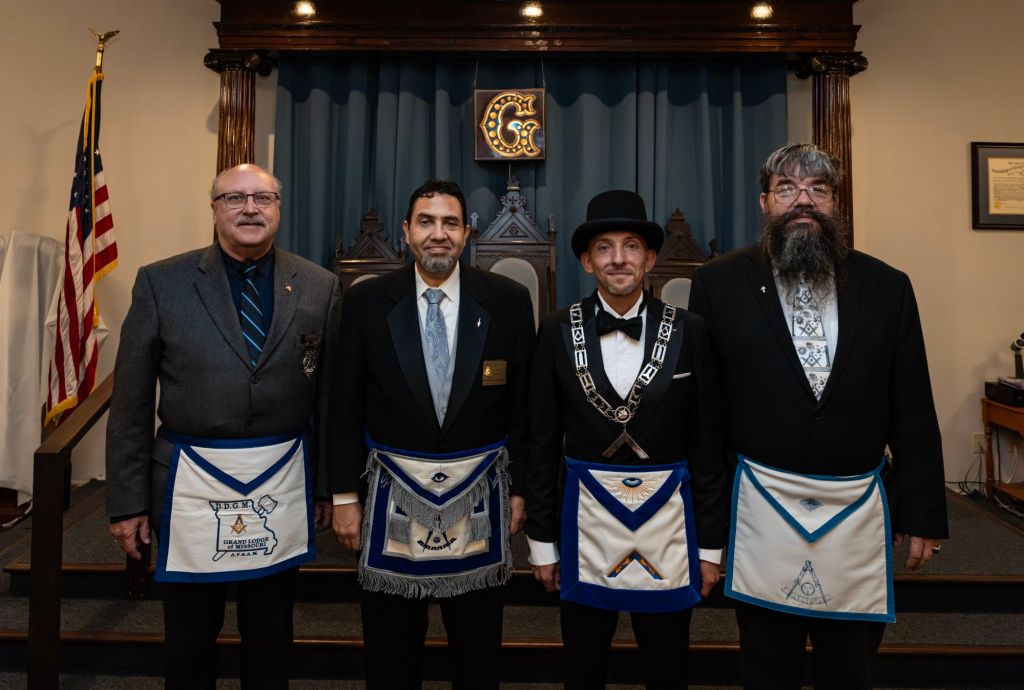
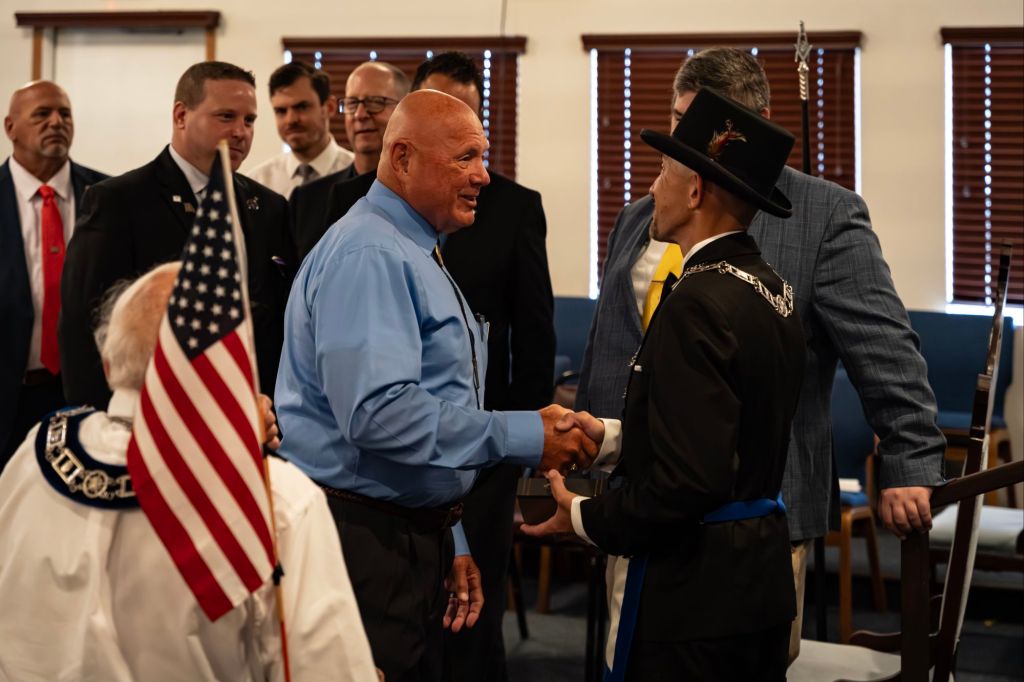
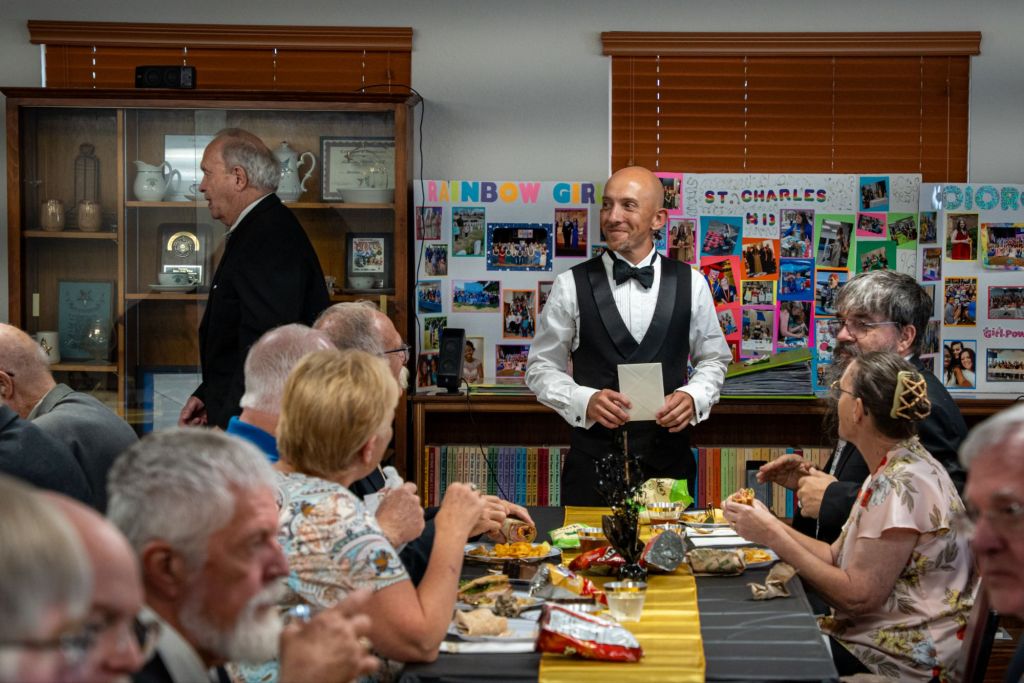
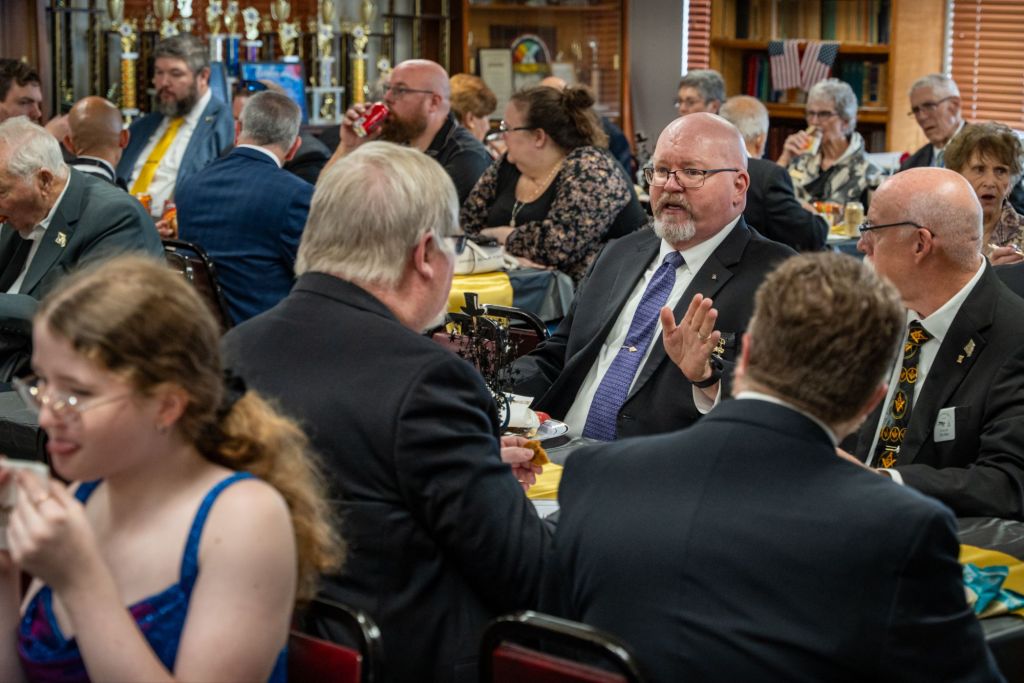
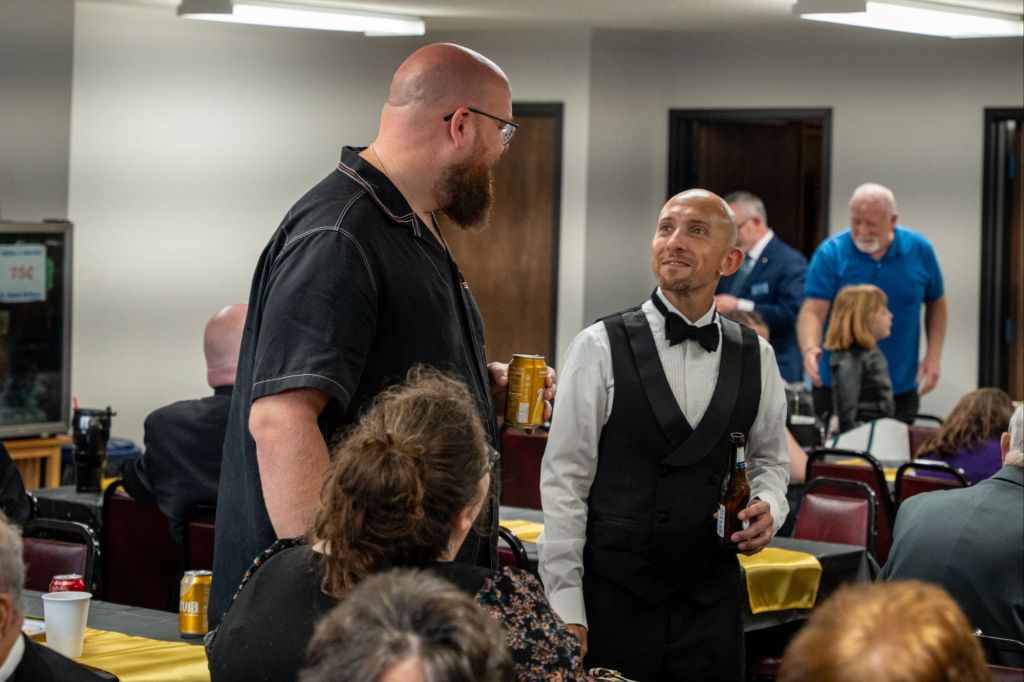
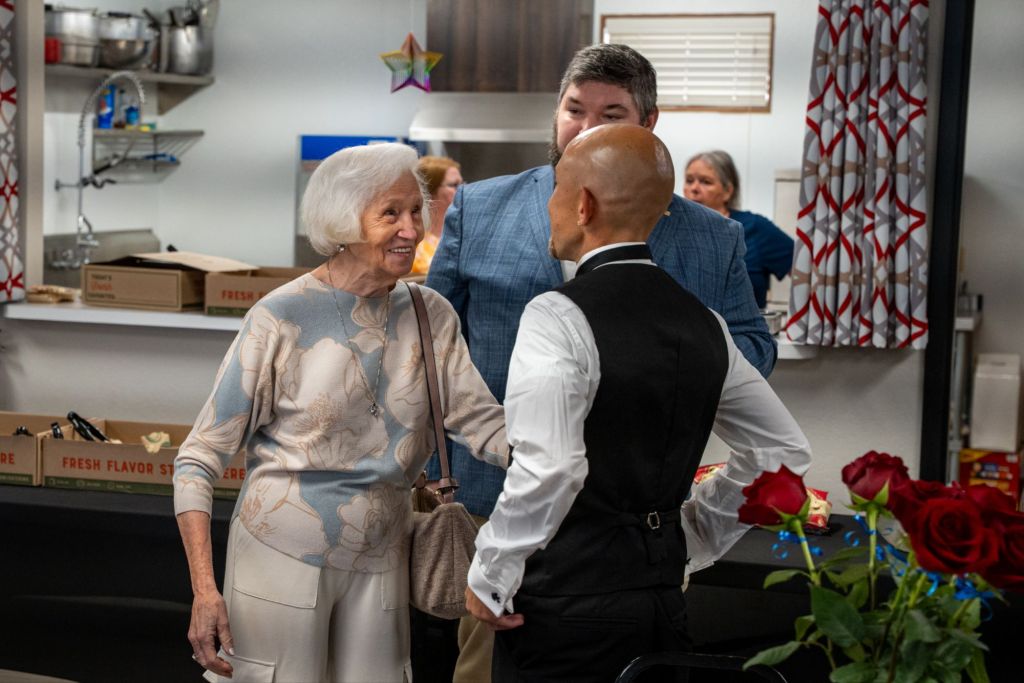
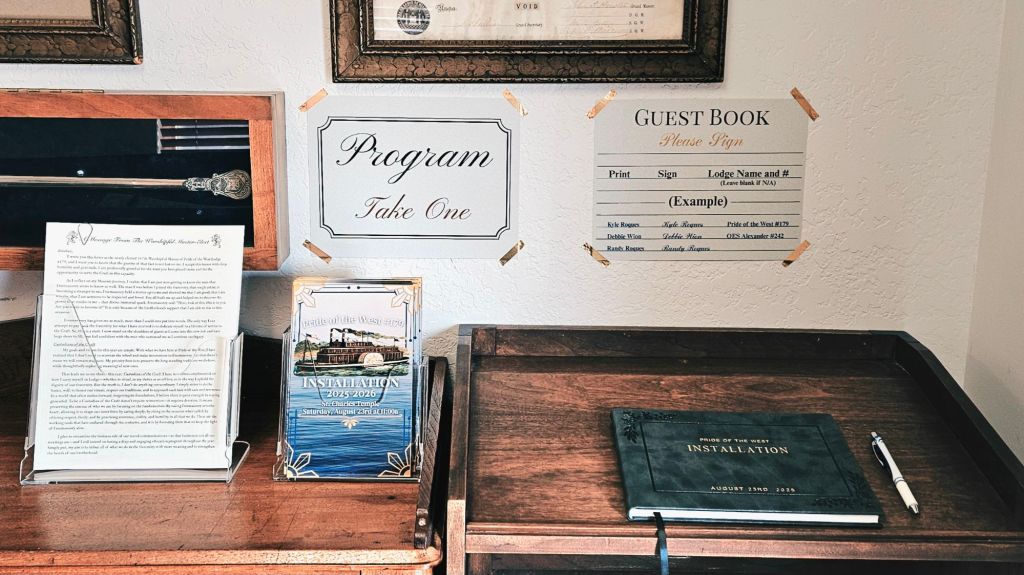
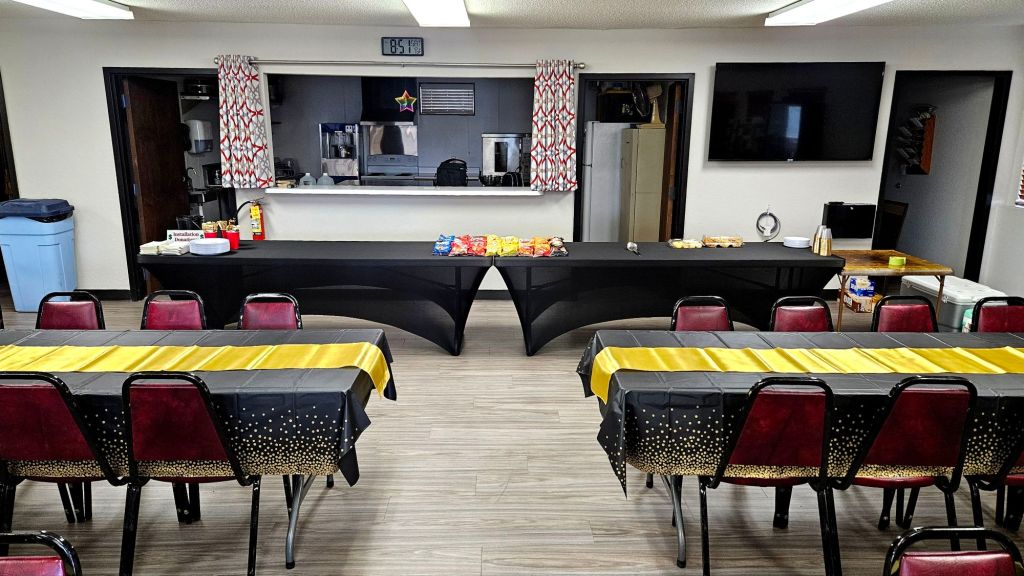
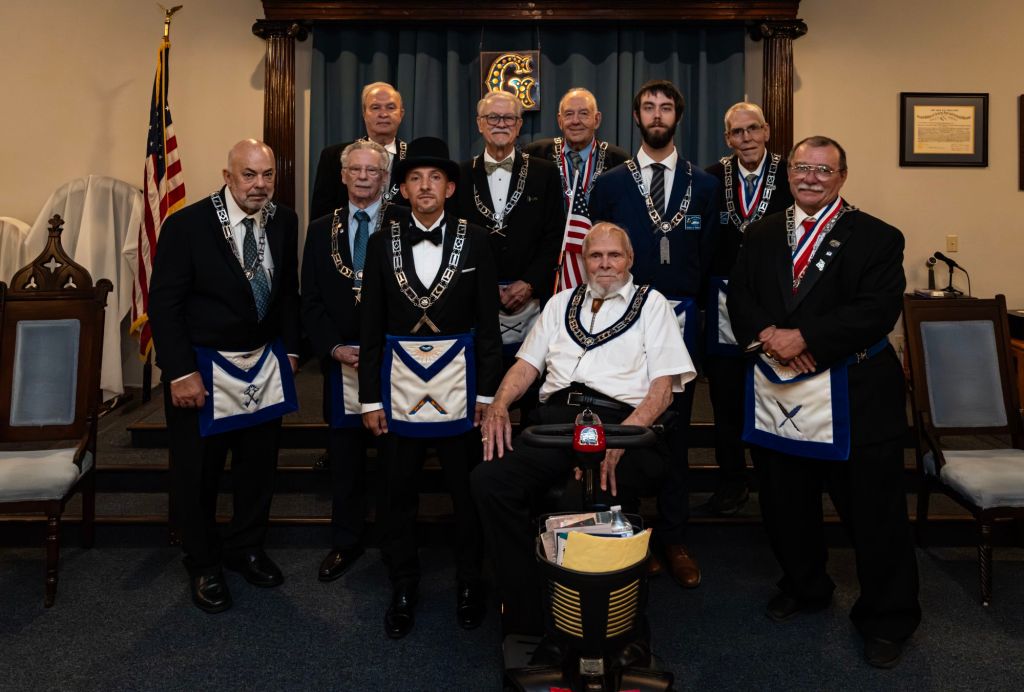
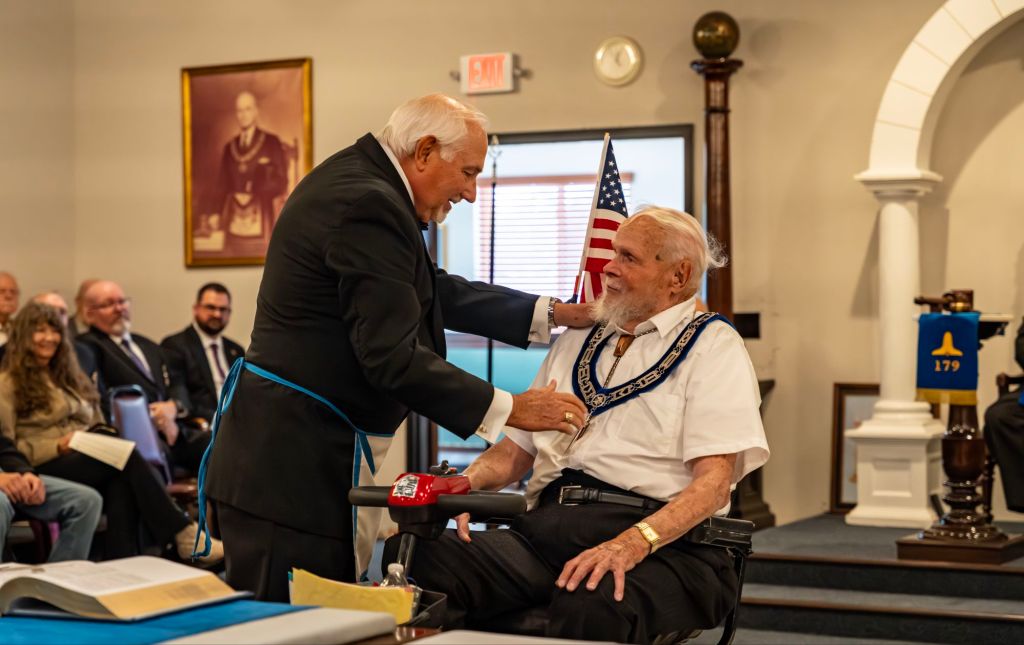
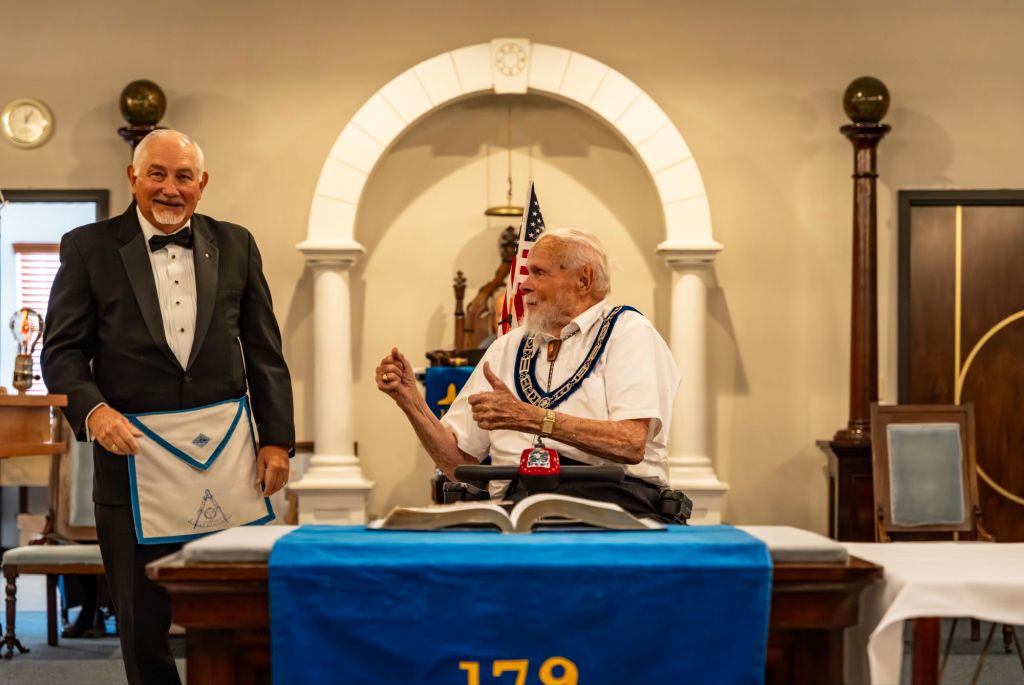
This officer Installation ceremony that I organized, coordinated, and took part in — marks a now 167-year tradition in the St. Louis and St. Charles region. That alone is enough to leave me speechless.


I am someone who came from a broken childhood. I grew up as an awkward, timid, meek, and confused child, with low self-esteem and low self-worth. I never thought that I deserved any positive acknowledgment for anything that I did. This shaped me into a loner and a thug. Someone with almost zero emotional regulation (who would act on my rage regularly). From my teens into early adulthood (under 21), I didn’t think that I deserved to be proud of myself or of anything that I ever did. I treated myself like I was evil and a monster that needed to be caged and beat into proper order (which I still believe there’s some truth to). Looking back, although I didn’t see it at the time, I had very little control over my life. I was on autopilot, hiding from the pain. Acting out of anger and rage from the hurt and scared little boy that was buried inside me.


Fast forward to now: I am a well-loved, respected, state recognized Freemason who has been in the fraternity for a short five years. Someone with a true brotherhood. Someone who has built a temple of love and light around me (obviously not something I could have done alone).


When I was young, I used to think that power was everything you see glorified in a gangster’s lifestyle, including using violence to intimidate and get your way, being manipulative and shady, using illegal ways to make money, drug and alcohol abuse, going out and looking for trouble, etc. I found out (the hard way) that none of that is power. That’s just an insecure, scared, and weak boy, eroding his soul because he’d rather fight the world than deal with his demons. True power is someone who can regulate their emotions and be in control. Someone educated who can articulate their thoughts, wants, needs, feelings, and ideas. Someone who moves forward in life with love and understanding. Someone whose mere presence has the ability to calm, soothe, and uplift other souls.


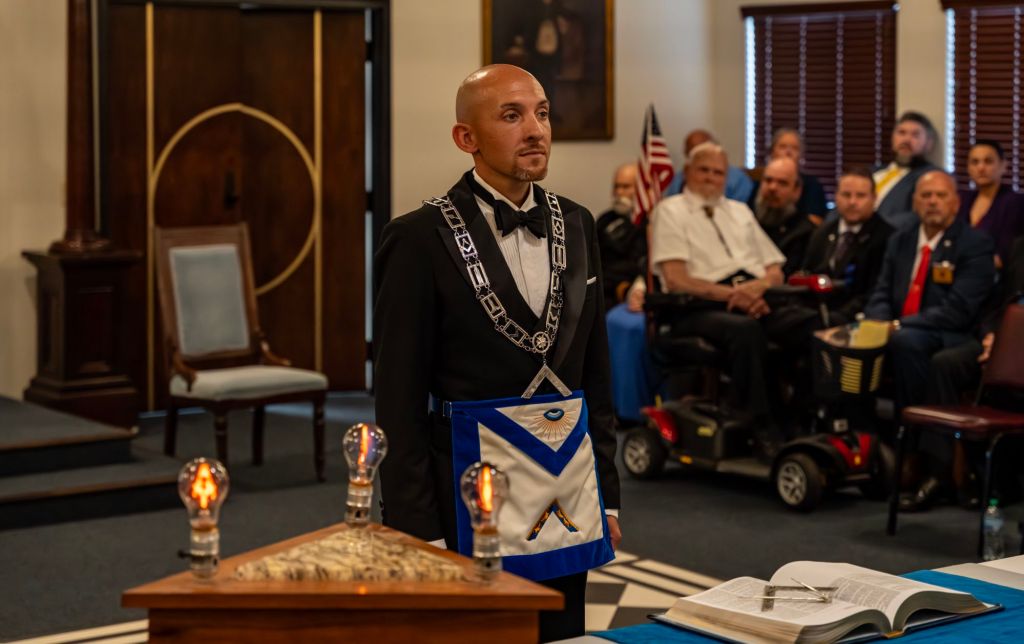
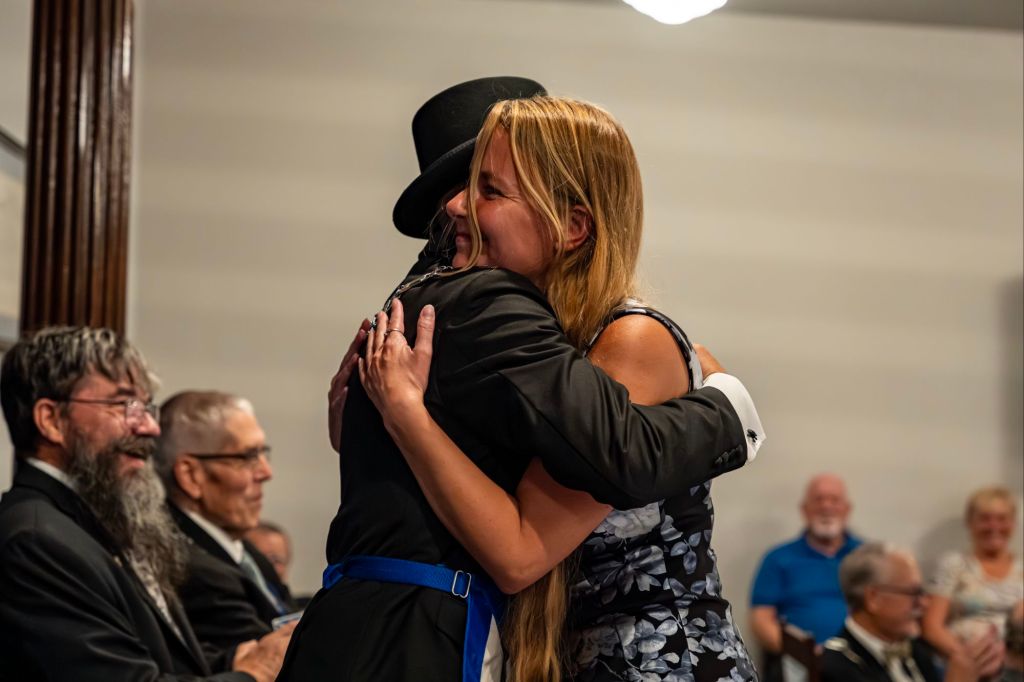
So, to go from being a troubled child, to a petty thug, to being a man who has the ability to move (touch the hearts of) a room of over 70 people (many to tears) with my words and actions (just by being myself) is something of such profound significance that I truly just cannot understand. It’s still not registering to me that I have this power, that this is my life, that I am this man. My trauma kicks in and tells me that I do not deserve this at all. I know that’s not wholly true, but there is some truth to it. So, every day I strive to be the man that Freemasonry sees and rewards.
Despite the essay above, I am at a loss for words. Without a doubt, I will be processing this day for the rest of my life.


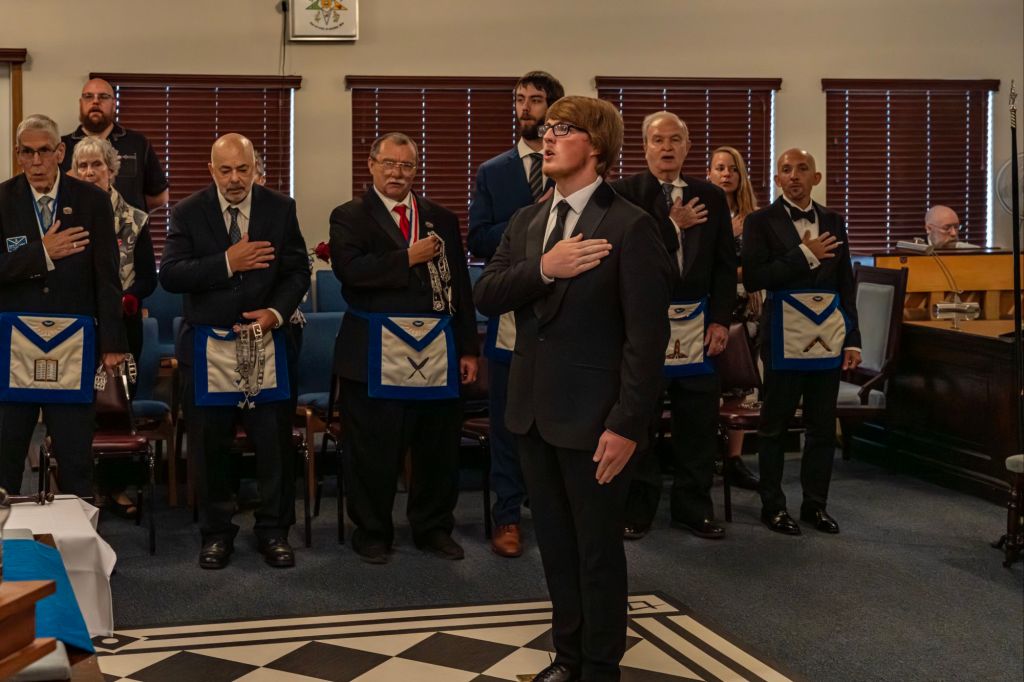
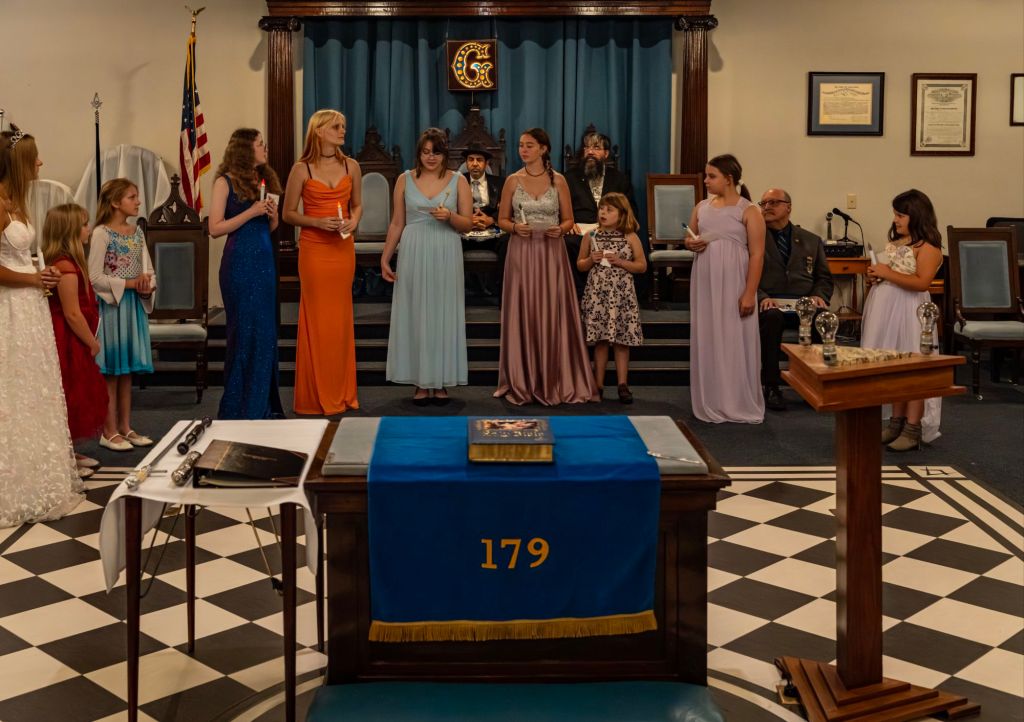
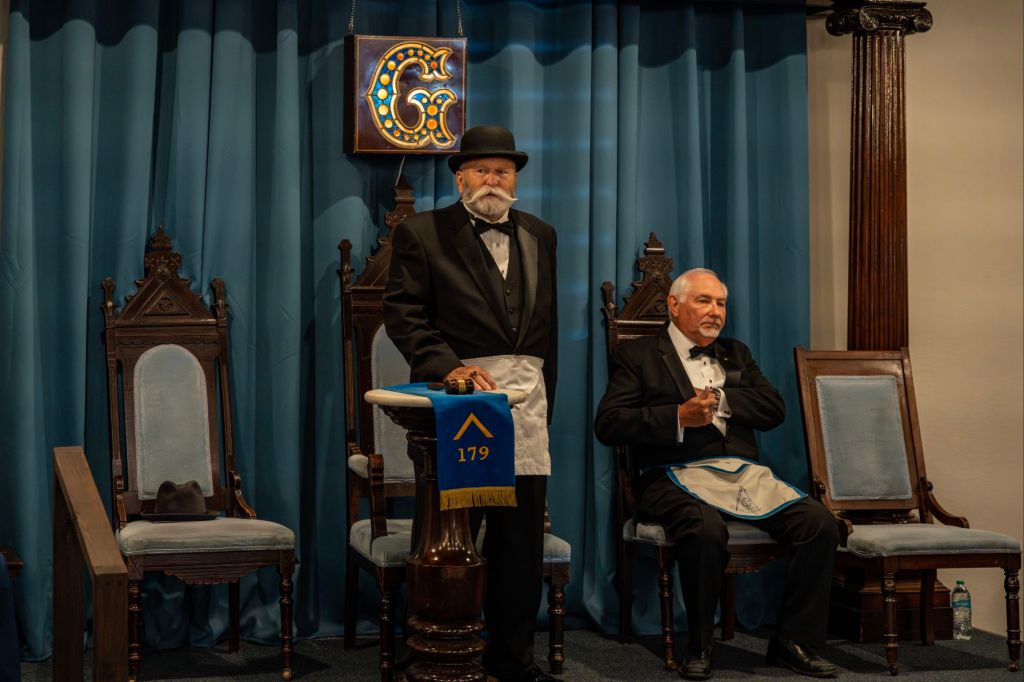
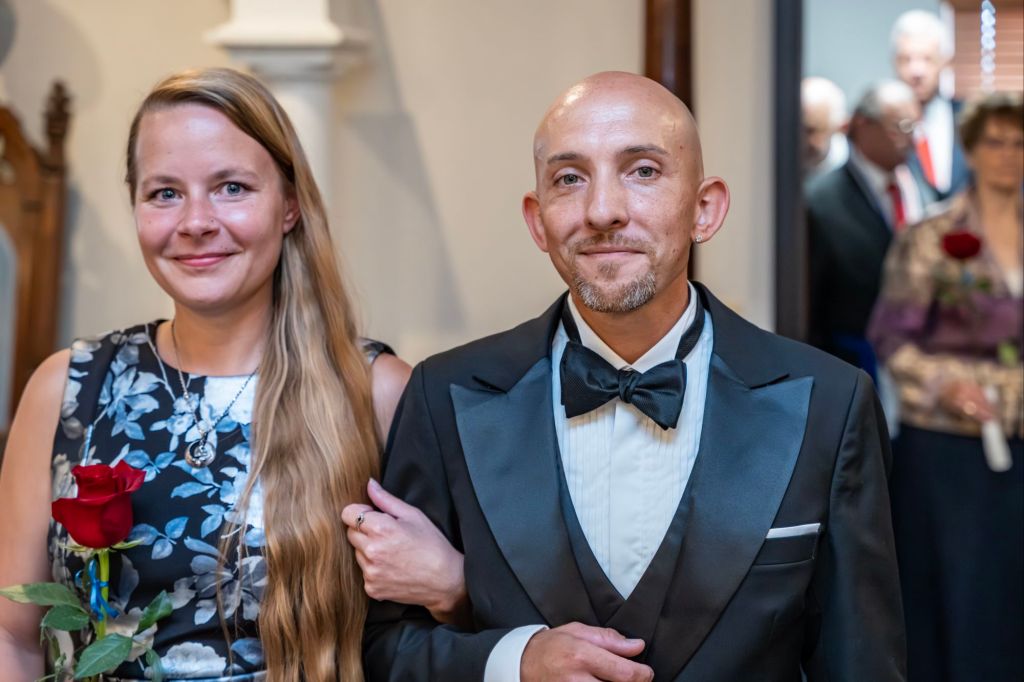
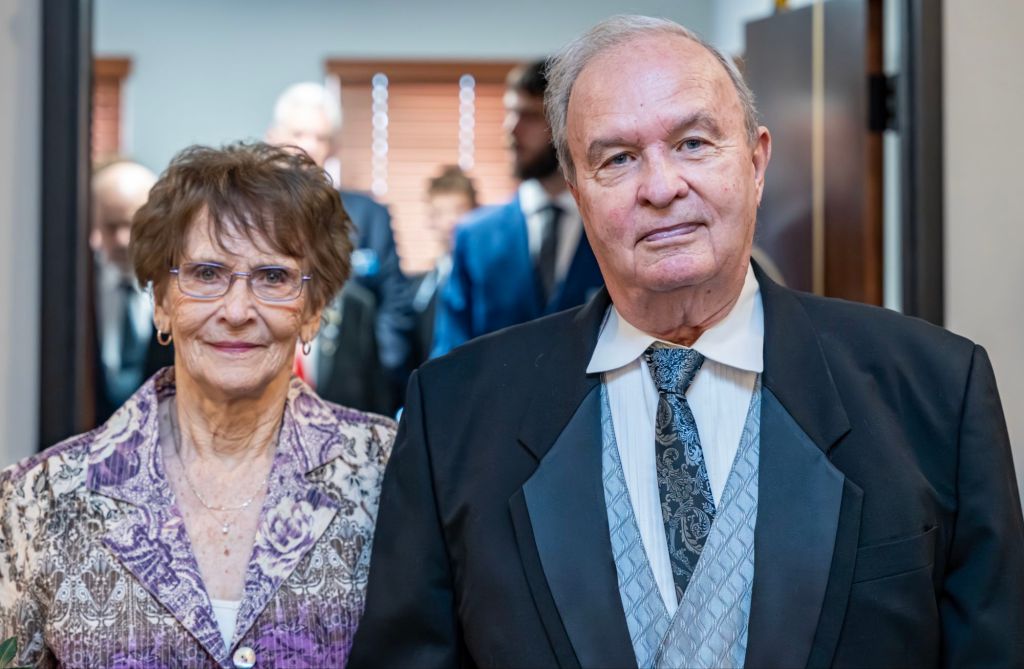
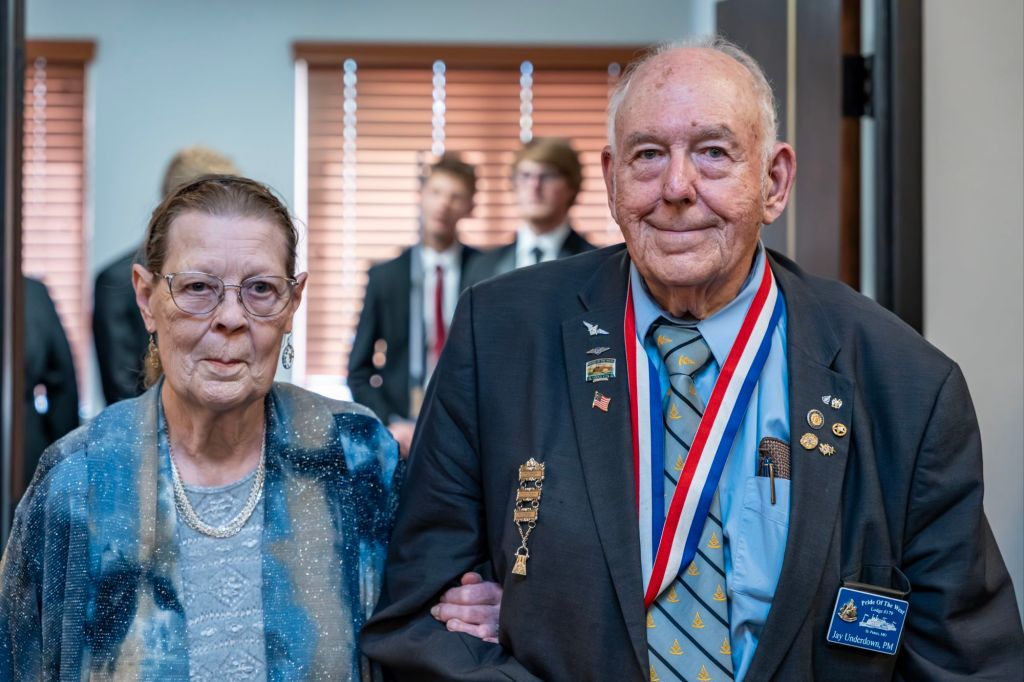
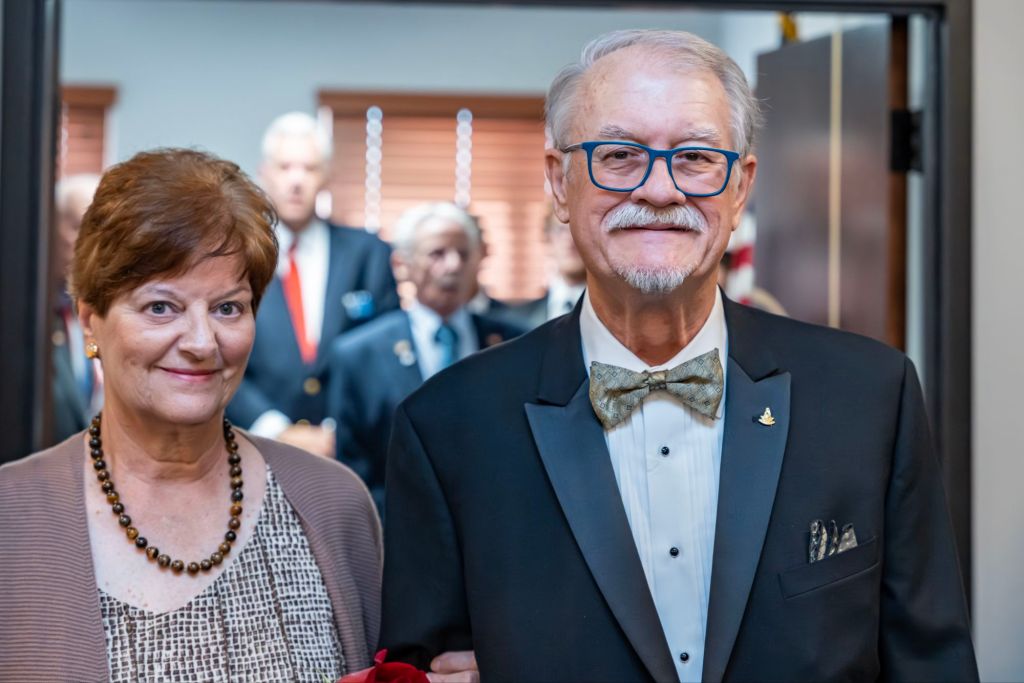
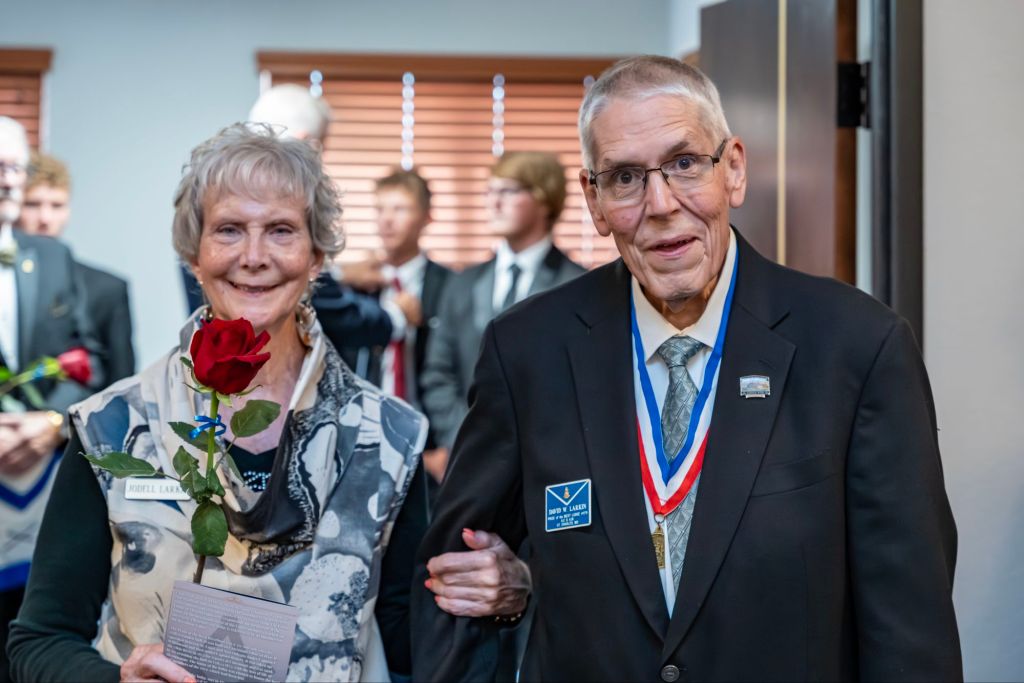
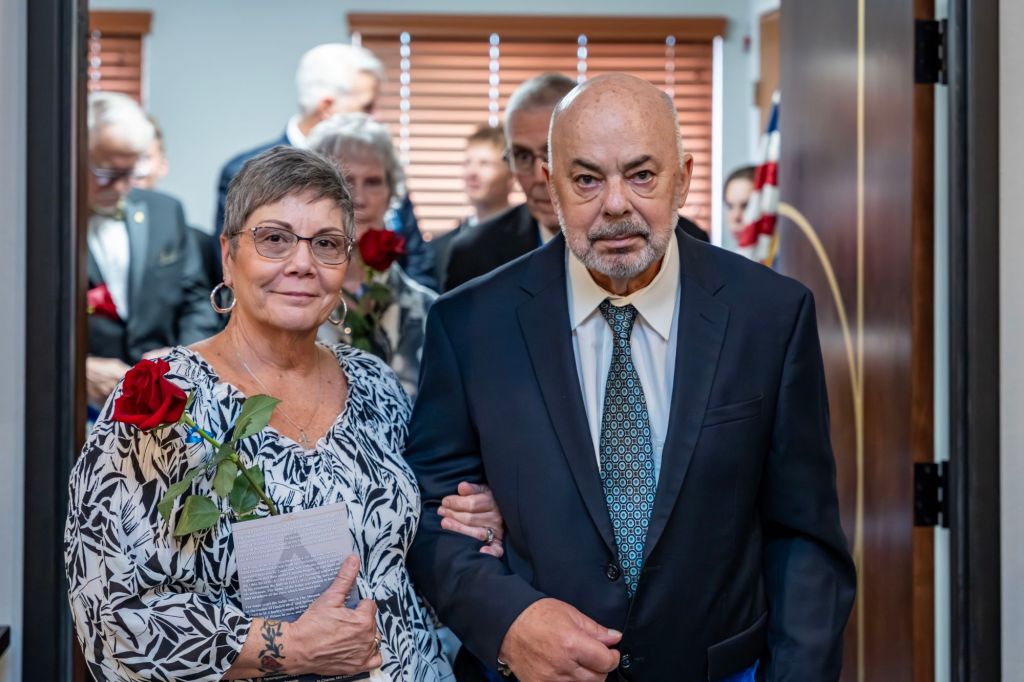
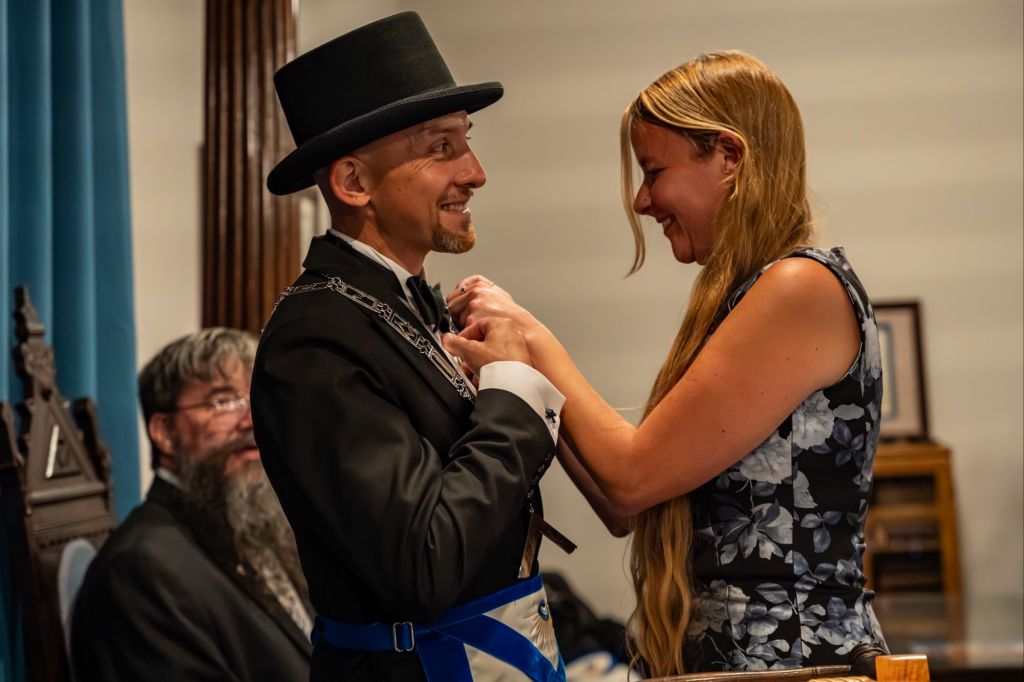
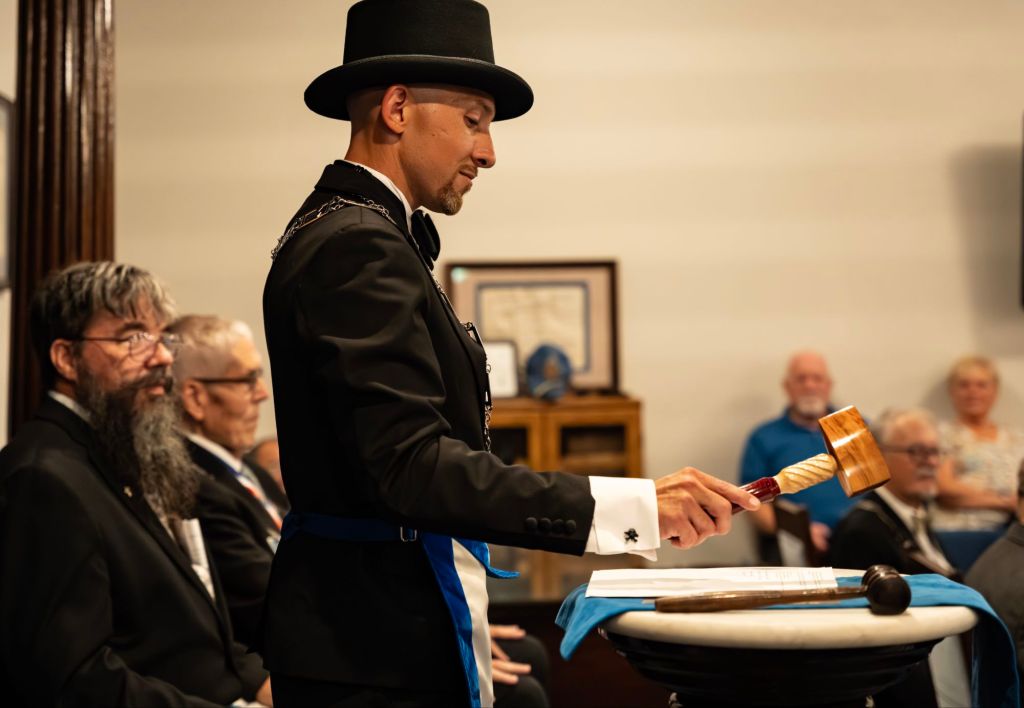
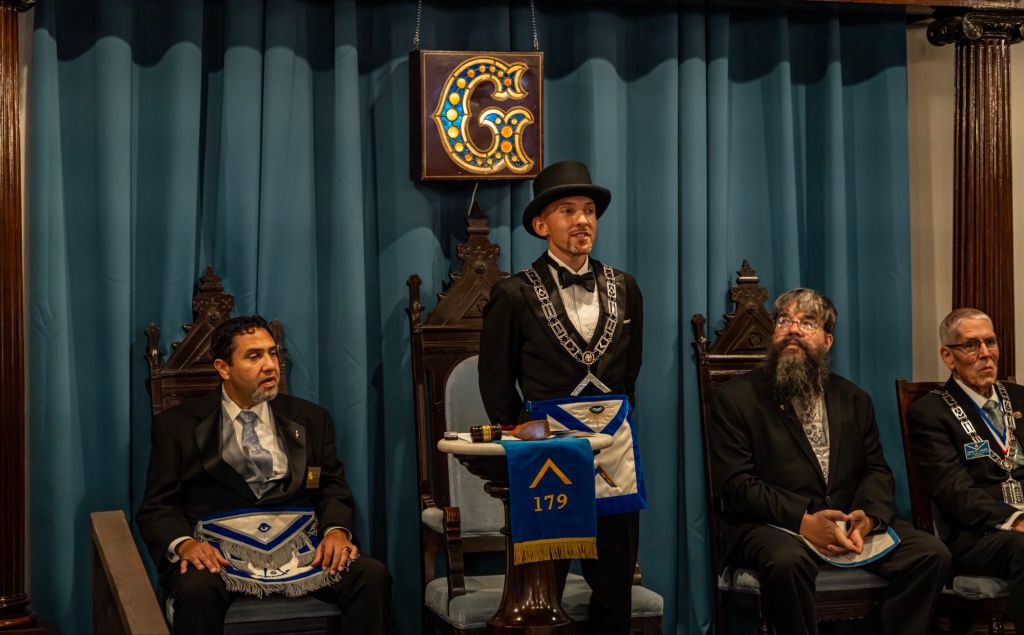
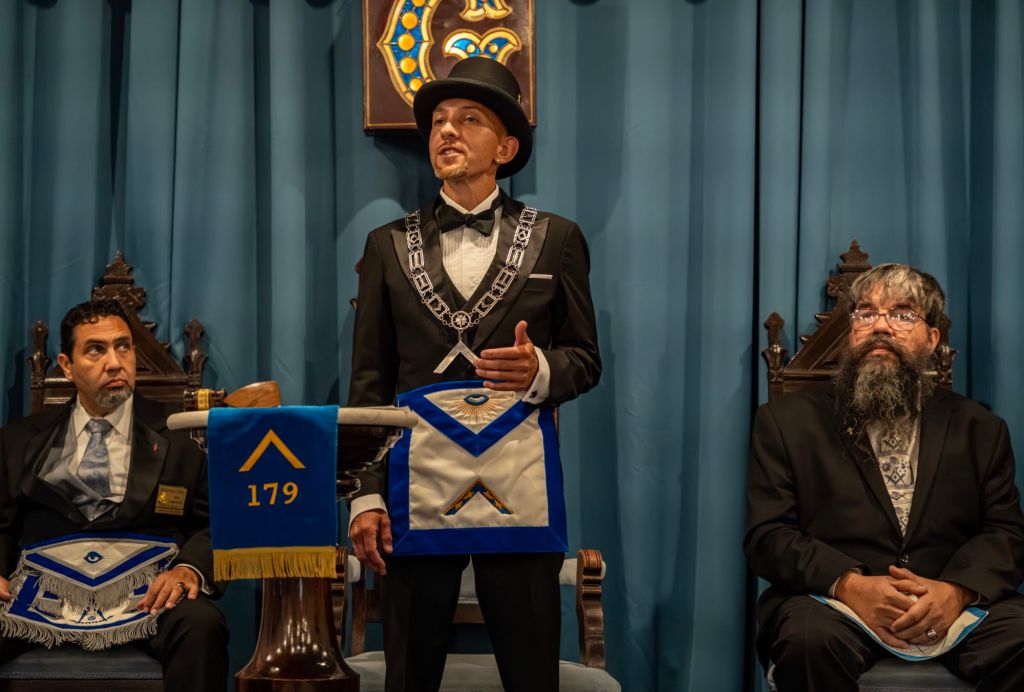
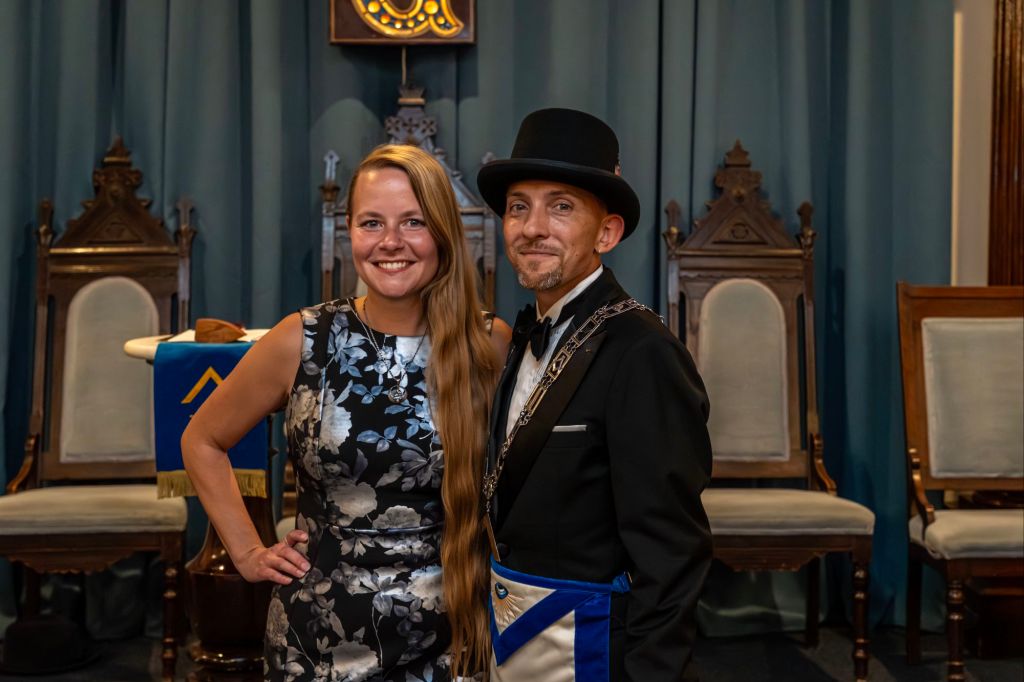
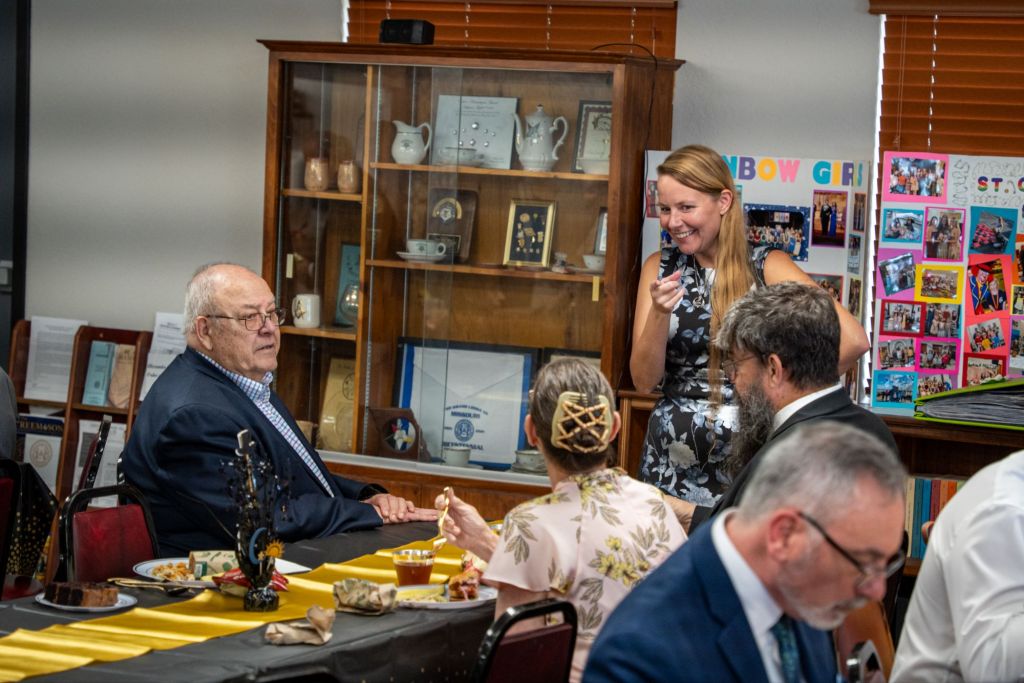
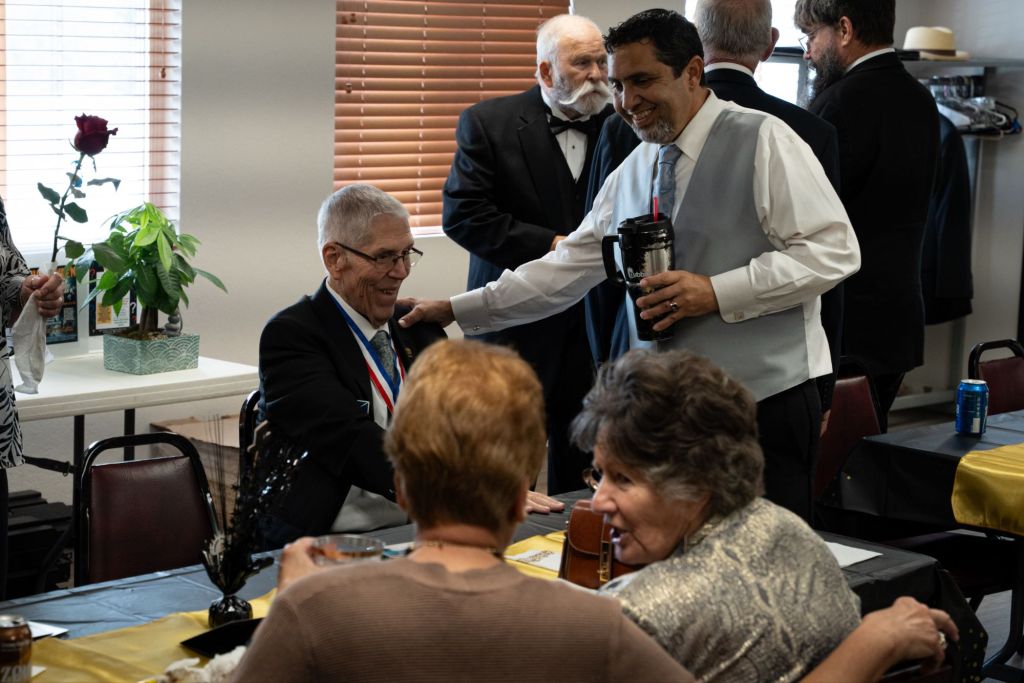
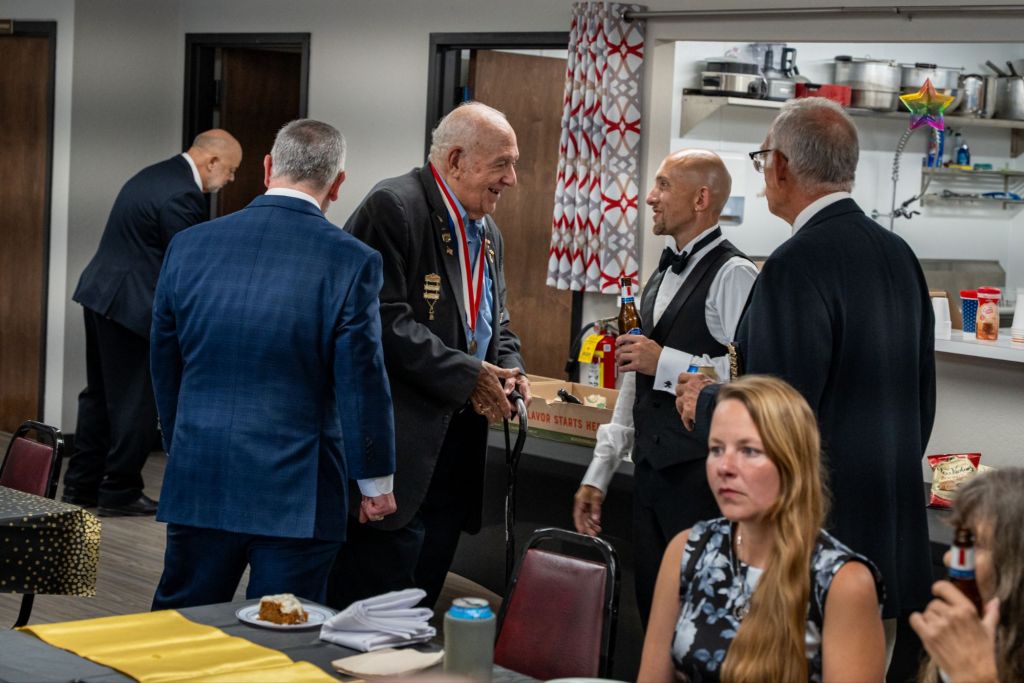
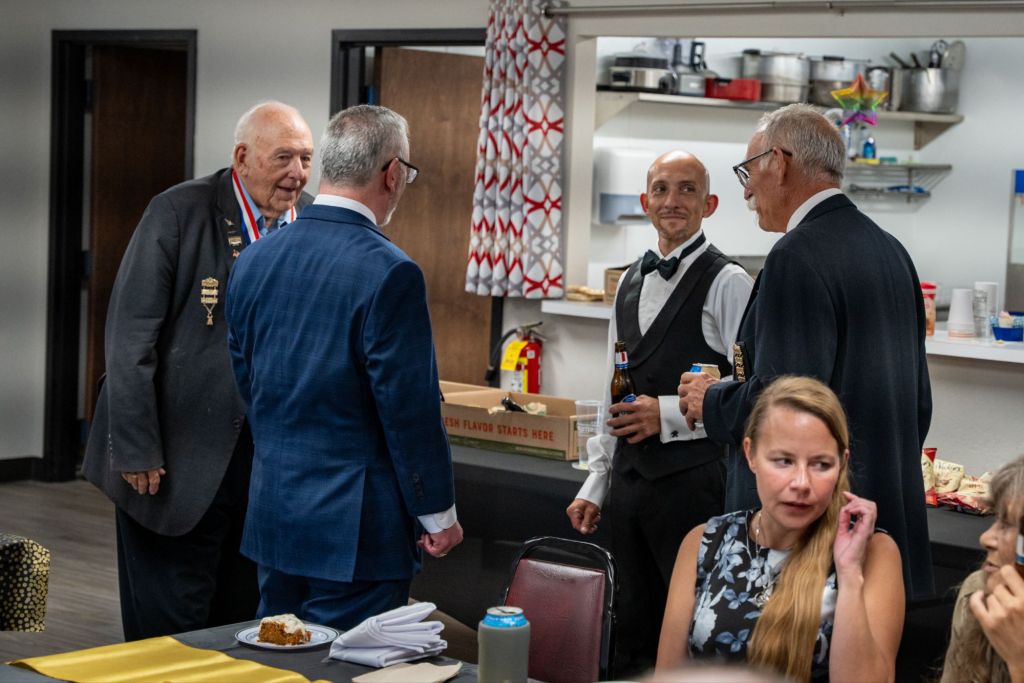
If you look at these pictures, you’ll see a man who reflects and radiates what has been given to him, a man with his heart full, who has only just begun to step into his power.
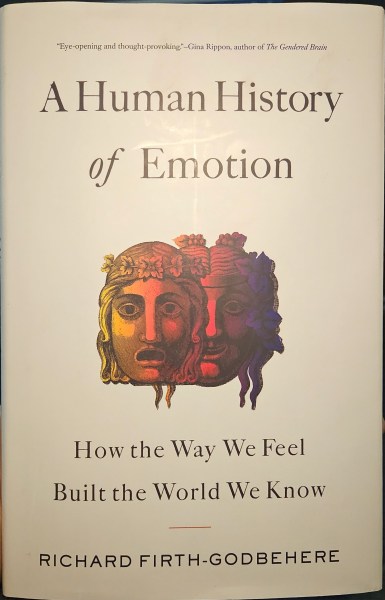
A Human History of Emotion

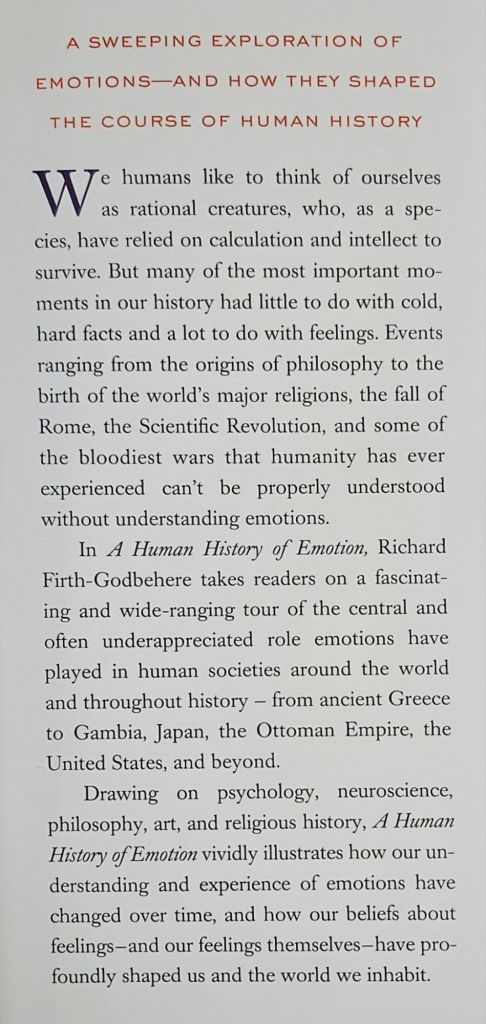
Humans don’t feel emotions, either. Emotions are just a bunch of feelings that English-speaking Westerners put in a box around 200 years ago. Emotions are a modern idea – a cultural construction. The notion that feelings are something that happens in the brain was invented in the early 19th century.
…it’s difficult to pin down the types of feelings that do and don’t constitute emotions. There are almost as many definition of emotions as there are people studying them. Emotion is just a newer box. A box with poorly defined edges, I might add.

We might all feel similar things, but the way we understand and express those feelings changes from time to time and from culture to culture. Those important differences are where the history of emotion, and this book, live.

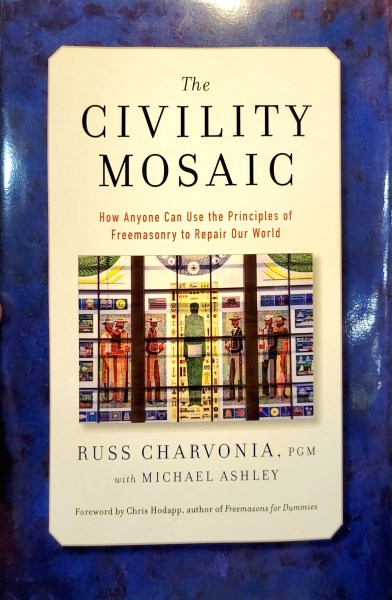
Civility Mosaic

The Civility Mosaic is a practical guide that zeros in on what is arguably the greatest ailment affecting Western civilization today: the almost complete breakdown of civility and the balkanization of the population into warring tribes engaged in a scorch Earth battle to silence one another’s opinions.

There is a razor thin line between democracy and rule by the mob…

John Adams wrote “Our constitution was made only for a moral and religious people. It is wholly inadequate to the government of any other.” They recognize that our nation’s ongoing survival depended on its citizens being equipped with the civic virtues of honesty, courtesy, responsibility, industriousness, marriage, and religious devotion of some kind.

Freemasonry was deliberately encouraged to expand westward across America specifically to teach this rough desperate and illiterate public how to get along with one another…. The Masonic lodge became a classroom wherein its members learned how to operate a Republic. In an age before widespread, organized schools, the lodge ritual introduced members to concepts of Enlightenment, of the liberal arts and sciences, of the importance of honor and duty of the Cardinal virtues and more… We still teach our members the same ancient code of behavior and elements of character that sustained Western civilization for centuries.

The Civility Mosaic is a Handbook, a primer about how to apply the philosophy, lessons, and structure of Freemasonry to repair our relationships with others and, in doing so, repair the society around us….

If you are not a Mason yourself, it will provide valuable insight into this ancient and honorable society. If you are a Mason, it’s an exciting book, a guide to spreading the evangel of equality, brotherhood, and the power of the individual to act as a powerful force in the world around him.

Chris Hodapp

Social Degradation

Written in 1951 but is painfully more relevant now. Paragraph 2 perfectly describes social media. Goes to show no matter what tools we have available to us, we humans constantly make the same mistakes.

With conflict the dominant keynote in modern human relationships, the peacemaker is given slight consideration. He may be branded politically as a pacifist or accused of cowardice. We have long held that it is proper to maintain belligerently and aggressively both our principles and our opinions. Failure to do so is diagnosed as a deficiency of character. In spite of this, however, the long memory of the world still honors the men of peace and those kindly sages who courageously lived and died in defense of the right to be kind.
Living as we do in a social system becoming more intense and confused everyday, we are constantly tempted to become involved in the conflicts of those around us. We are expected to take sides, to defend and offend, to argue and debate, and most of all to appear appropriately disturbed. It is a social error to be composed when others are exhausting their resources in pointless agitation. To such contestants, the peacemaker is not blessed, for he reveals a measure of self-control, which is itself disquieting to the uncontrolled.

Peacemaking is not a profession; it is an instinct, and only succeeds when it is sustained by other gentle and kindly traits of character. When calmness pervades the atmosphere, radiating from a relaxed, well poised person, it is a force to be reckoned with, but when it is demanded or required by some moralizer who knows not whereof he speaks, it has no calming influence.

Manly P. Hall