A Symbolist’s Vision

Partially what has inspired me, and led me to the path that I’m on, is watching and learning from the great Symbolists. People that can readily and pragmatically, extract meaning from, and interpret, esoteric/occult/religious symbolism, art and the like. People that approach dreams, the imagination and spirituality, with a more academic approach. I want to be able to see the world as they do, because they see the world in a completely different way than the lay person.

So one of the main focuses in my study is the development of my intuition, with the intention of being able to understand and interpret the universal language of symbolism. As you can imagine, or know from experience, this is very difficult to do. Partially because symbolism is intentionally vague, yet has to be interpreted through a certain framework. You have to train your intuition and study the roots of the symbology academically.

Starting out years ago, I wasn’t able to extract hardly any sort of meaning, from any kind of symbolism and/or art. I’d look at say a tarot card, and get nothing out of it without looking up what everything means, and relying on other people’s interpretation, which defeats the purpose of esoteric/occult symbolism.

I see a lot of people (and this was myself in the past) ask: “What does this image mean?”. No one can tell you what the image means. Esoteric and occult symbolism is intentionally vague to allow the individual to impart their own personal level of interpretation (again, still limited within a certain framework). The subtle aspects of our nature is what makes us more than who we are, more than just an animal, or just material elements in a meat sack. The things that you can’t quite explain, feelings and meanings you can’t articulate, phenomenon that can’t be explained by material science – it’s these aspects of our being that esoteric/occult symbolism is supposed to communicate with. It’s supposed to invite these divine, subtle aspects of our nature to step forward. The meaning has to come from within.

For years I have had the same problem I described above, about not being able to extract meaning from the symbolism. Finally, after many years of research, study and training, I have gotten to a point where I’m starting to intuit meaning from the art. It sort of just hit me out of no where. I guess a piece of the divine spark has touched me. So I’d like to share one of my recent interpretations. Partly because I’m very proud of myself, but majoraly because I want to let people in on how profound this ability is.

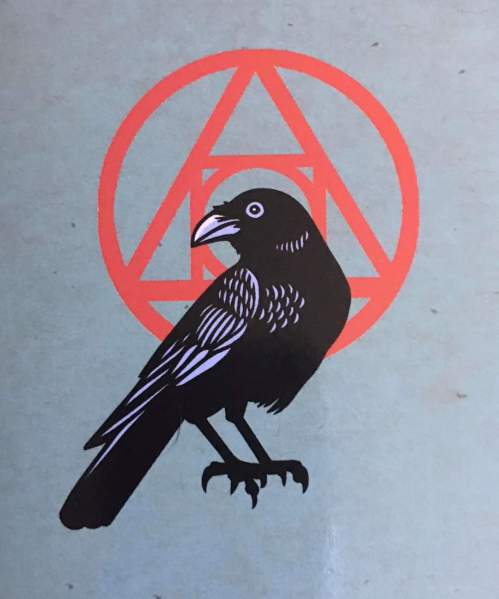
Below will be my interpretation of this image. For people not read on hermetic or qabbalistic philosophy, you’ll likely see most of this as gibberish. A quick Google search on the hermetic principle of the “All”, and a search on the alchemical “magnum opus”, will definitely help and for the most part, get you up to speed.
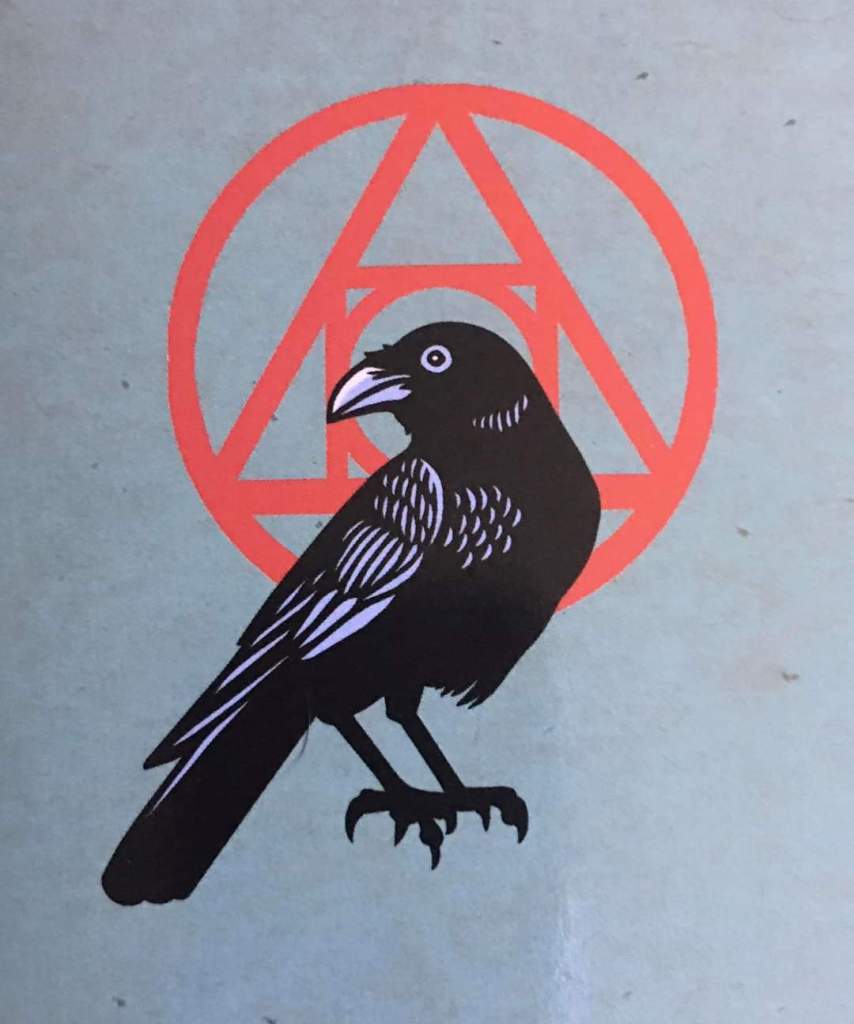
For me the raven represents sort of the most evolved intelligence in the bird kingdom – specifically noting how social and intuitive they are. Plus all the other traditional meanings birds imply. So in other words the most advanced state of consciousness in the bird kingdom.

Seeing the circle, encapsulated (or perhaps “nested”) in the square, the square in the triangle, and triangle in the circle, represents a totality of the structure of our material and divine constitution within the “All” (the hermetic and qabbalistic concept of the All).

I see the first circle as me (us – humans), it’s the “dot” or “point” (perhaps one individual seed of conciousness), radiating out, unfolded in its highest, most divine form, yet still encapsulated in this material realm.

The square, or us in the four fold material realm, is us realized to it’s most divine capacity, partaking or touching the higher, divine, trinitarian, ethereal realm of spirit.
So that threefold aspect of divine cosmic spirit is nested within the “limitless and boundless” All (again I’m speaking in hermetic and qabbalistic terms).

So I see this image sort of as a reminder of what is possible with our “baser” self(s). The raven also intimates towards the alchemical philosophers stone or the magnum opus. A reminder that with just base elements you can create something evolved to its highest potential (ie. the raven), something that takes part in, or something that becomes divine. That with mastery over the material and spiritual realms, we can bring ourselves back to unity with the All.

But the deeper meaning this image has for me, I can’t articulate. This is why I love esoteric and occult symbolism. Partly because with just some simple symbols you can convey truths and realities that cannot be articulated. As I stated above, just as the subtle parts of the raven is what makes it divine, and the subtle parts of our nature is what makes us divine, occult symbolism speaks to that higher more ethereal parts of our nature. It stimulates and invites out our divine nature to step forward. The universal language of symbolism is a direct path to diety and brings you closer to divinity with every step. This is a Symbolist’s vision.
Essence of Tarot

The tarot embodies symbolical presentations of universal ideas, behind which lie all the implicits of the human mind, and it is in this sense that they contain secret Doctrine, which is the realization by the few of the truths embedded in the consciousness of all.

The true Tarot is symbolism; it speaks no other language and offers no other signs. Given the inword meaning of its emblems, they do become a kind of alphabet, which is capable of indefinite combinations and makes true sense in all.

A. E. Waite

Lovers Card Origins

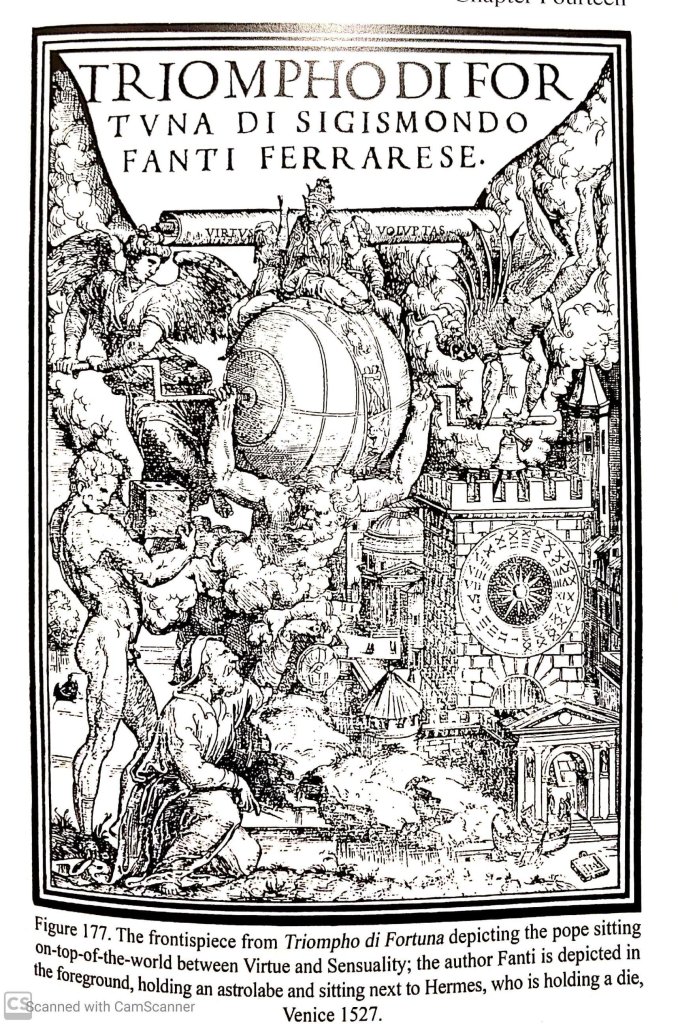
A motif similar to the Lovers can be seen and the frontispiece for the Triompho di Fortuna by Fanti, a fortune book published in Venice in 1527. In this allegorical illustration, we find a large figure of Atlas supporting a globe that is actually an elaborate wheel of Fortune with a belt displaying the signs of the zodiac surrounding it and crank handles extending from the central axes. On our left, there is an angel, representing Good Fortune, turning the handle clockwise. On right, there is a devil, representing Bad Fortune, also turning the handle. At the top of this wheel and globe, sits a pope. As in the Tarot, he represents the highest temporal ruler – he is literally on top of the world. On either side of him, sits one of two women with their names written in latin next to their heads. On the left is Virtus (virtue) and on the right, the same side as the devil, sits Voluptas (sensuality). The Pope’s fate hangs on his choice of a mate.

Robert M. Place

Renaissance Homage

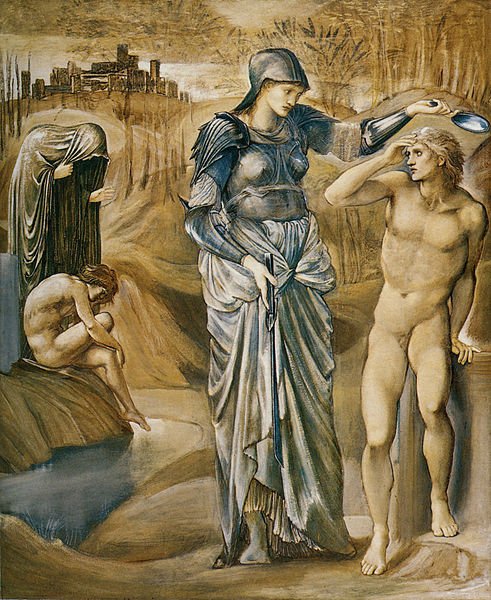
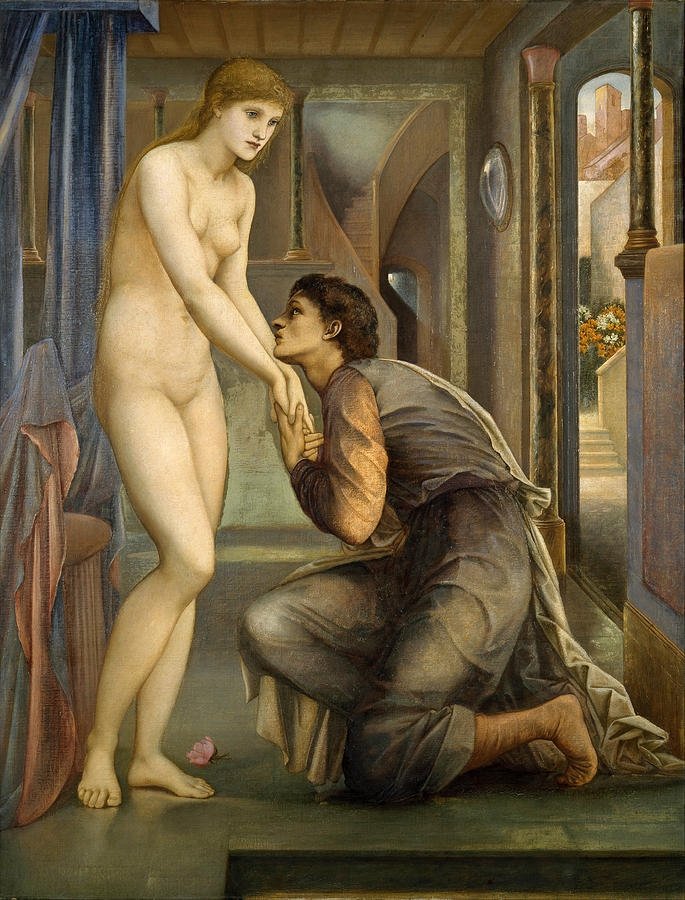
Burne-Jones and the Pre-Raphaelites believed that art was a spiritual or magical endeavor and toward this end they formed a mystical brotherhood of English artist dedicated to recapturing the sincerity of the art of the early Renaissance – the same period that gave us the Tarot.

Burne-Jones based his tall female “stunners” and melancholy heroes on the paintings of Botticelli and Michelangelo, two artists, whose works are considered primary examples of Renaissance neoplatonism. His work expresses the Renaissance idea that physical beauty and spiritual beauty are linked and in one continuum that can lead to the mystical experience of beauty itself, as a timeless, underlying reality – Plato’s “true food of the soul.”

In the Renaissance, artists, like Botticelli, symbolized this spiritual essence as an ideal female nude and this ideal allowed early Tarot artist to place a nude on the World card as a symbol of the primary beauty and allowed alchemists to use the nude as a symbol for the Anima Mundi.

Robert M. Place

Sufi Asceticism

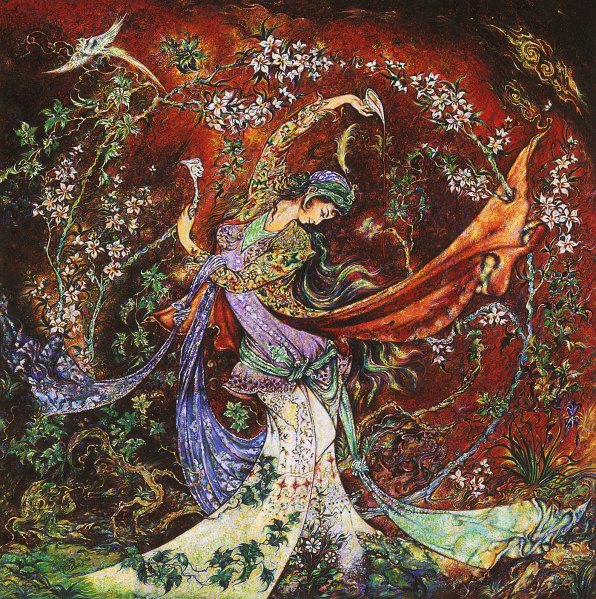
Perhaps the greatest contribution that Sufis made to Islamic culture was through their poetry and song. They became the masters of love poetry that expressed the soul’s longing for union with God, the beloved. In their poetic forms, divine beauty was symbolized by female beauty, and the longing of the soul was expressed as the longing of a man for a woman, who was of higher rank and beyond his reach. In other forms, the soul is described as a loving wife and her husband as God. Sufi poetry so thoroughly infiltrated Islamic culture that all Middle Eastern love songs were influenced by it, and in these songs the distinction between profane and spiritual love was blurred. In the 12th and 13th centuries, these mystic singers inflamed the Christians of Spain and southern France with their passion and the troubadour tradition was born.

Rober M. Place

The Value of Imagination

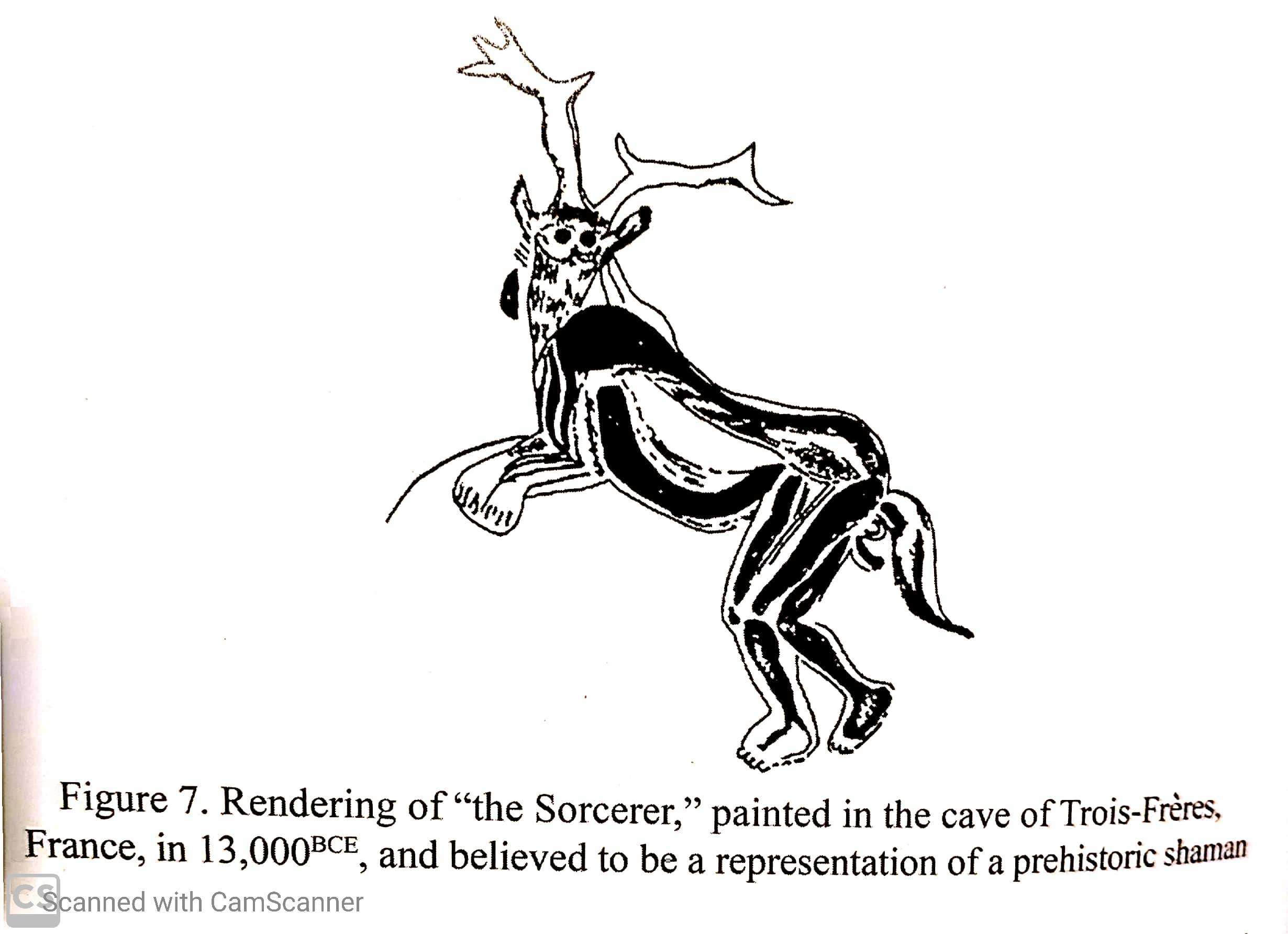
To the Hermeticists, imagination is real. It is an aspect of consciousness and the door for entering the reality of the soul. Without imagination the soul is not perceptible. Dreams and visions, as in shamanism, are valued and open us to communication with the gods. Skill at focusing imagination is gained through the practice of meditation, and this skill can help consciousness to effect changes in physical reality. Magic is actually the craft of working with the imagination.

Robert M. Place

Hellenistic Gifts

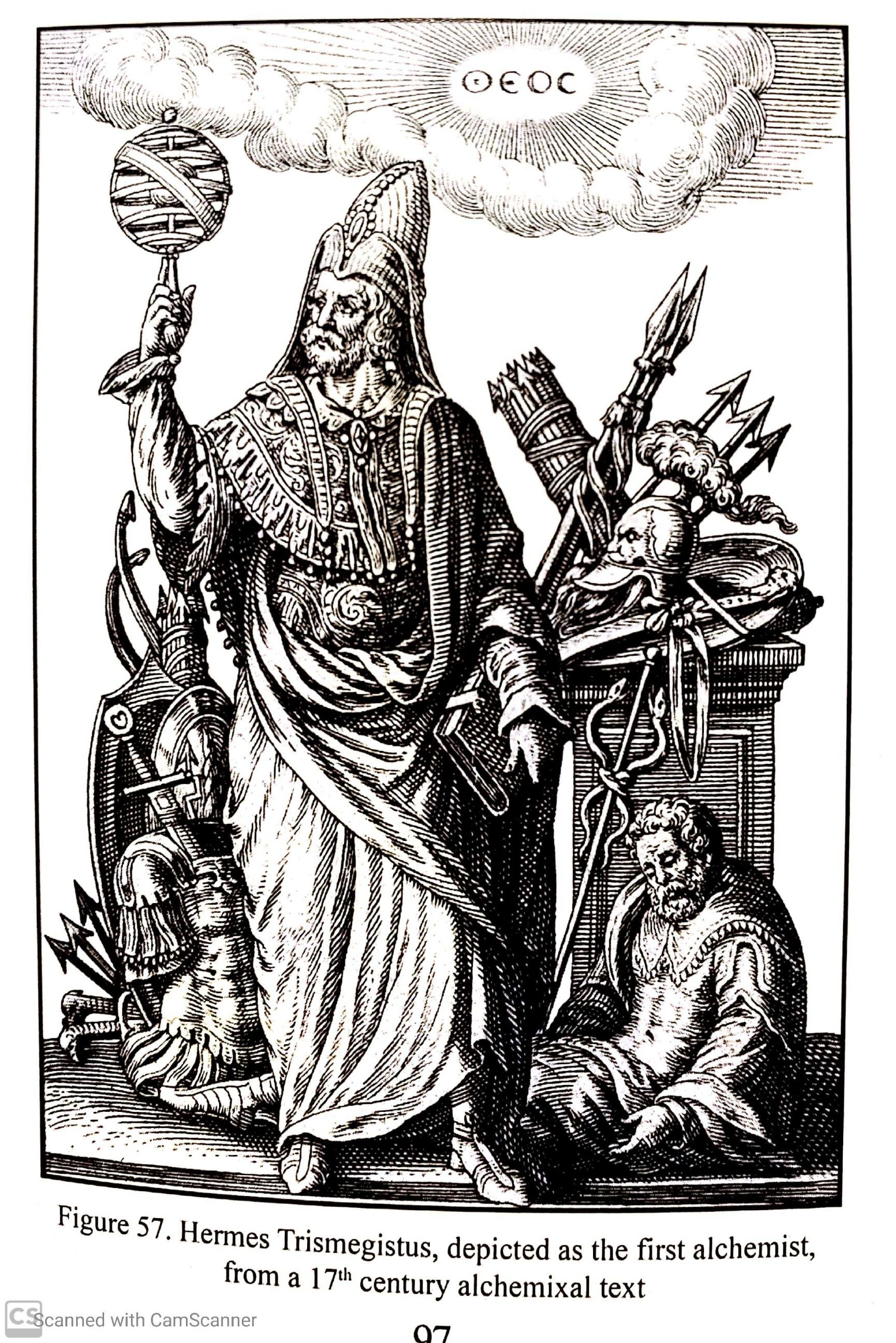
When the Greeks came to dominate Egypt and the Middle East it created a cosmopolitan environment that synthesized Egyptian and Middle East religion with Greek rationalism, leading to groups of mystical philosophies known as Neoplatonist. It also led to a series of mystical texts known as the Hermetic texts, containing works on alchemy, magic, astrology, and philosophy – collectively called the Hermetica. Hermetic philosophy became a major influence on all Western magical practices and mystical traditions. Neoplatonism, alchemy, Kabbalah, Sufism, mystical Christianity and occultism, including the Tarot are all affected by this influence.

Ancient Astrology

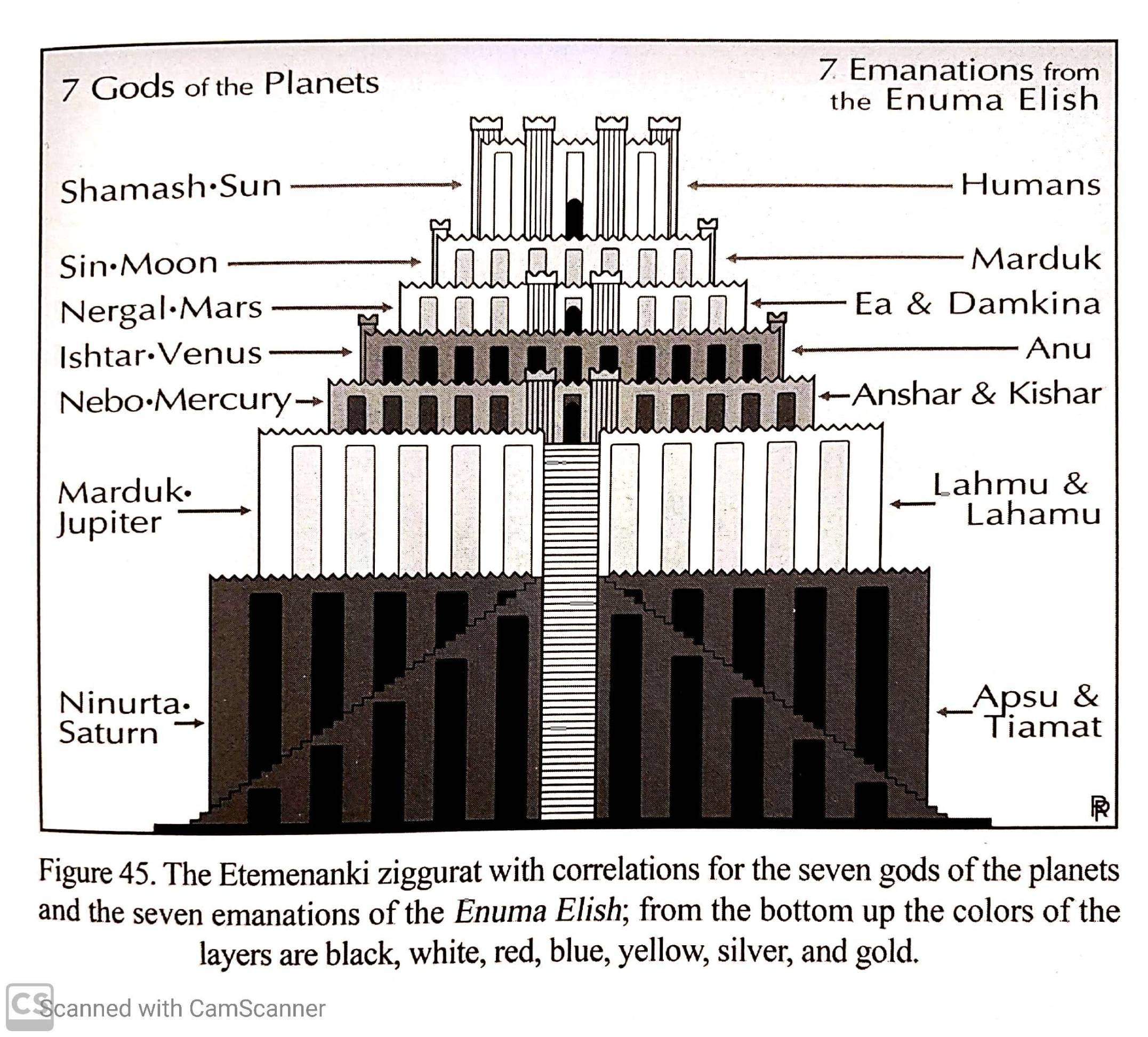
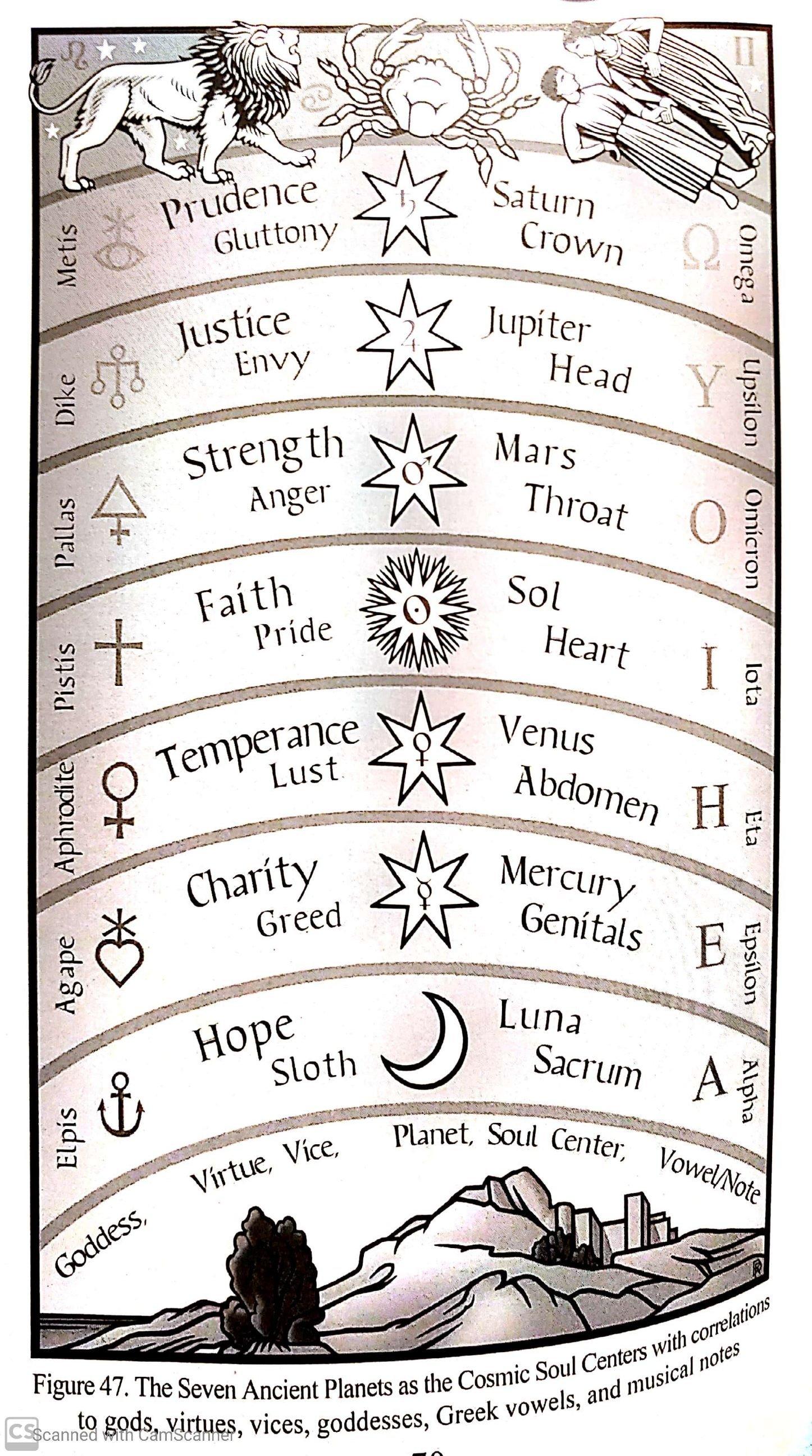
Astrology is based on the idea that the soul departs from Heaven, which is above the stars, through one of the constellations of the zodiac and then descends through the planets to live in a body on Earth. At each planet the god of that sphere clothes the soul in certain qualities that become its personality. This is the origin of the list of the seven virtues and seven vices. Effectively the planets function as a ladder or stairway to earth and as personal emanations or steps in every person’s individual creation. Through a complex system of correspondences between the planets and colors, metals, herbs and other objects on Earth, magicians can make use of the powers of the planetary gods in their magical practice.

Robert M. Place