Mystery School’s – What Are They?

“Mystery School’s, the ancient Mysteries, Mystery traditions” – what does “Mystery” mean, and why is it sometimes capitalized?

I had the question myself the first time I heard the term. I use the term often when speaking about Freemasonry and it’s a term you’ll see often when studying esoteric/occult teachings. It’s definition is quite vast and can’t really be articulated, but I’ll attempt to be as succinct as possible here, with a few quotes to aid in understanding.

Taken from Wiki:
“Mystery religions, mystery cults, sacred mysteries or simply mysteries, were religious schools of the Greco-Roman world for which participation was reserved to initiates (mystai). The main characterization of this religion is the secrecy associated with the particulars of the initiation and the ritual practice, which may not be revealed to outsiders.”

“A ‘mystery’, as it was originally defined in ancient Greece and used in the Orphic and Eleusinian mystery schools, is a type of divine revelation that can only be conveyed by experience and is incomprehensible to reason. The revelation initiates or begins a cognitive change in the recipient – also known as the initiate – that alters the way he or she sees and interacts with the world. It is not based on information or even feelings and therefore, it cannot be put into words.” – Kirk C. White

Simply put, what all Mystery schools have in common, is that they just offer a circumstance dedicated to giving the necessary space one needs to start to understand who they really are, for one to discover their real Self. So it’s the study of the Self, as an individual endeavor, and cannot be learnt/learned from anything/anyone outside of yourself.

Some of the documented, original, most ancient Mystery School’s that some may know are the Greco-Roman Mysteries (ie. Eleusinian, Samothracian, Mithriac, Dionysian, etc.)

Historically, “Their primary mission was to protect and preserve the ancient systems of enlightenment, healing, manifestation, transmutation and transformation so that they can be continually used by humanity for its collective progression. Mystery School teachings are imparted by an oral tradition. Rooted in shamanic and mystic ways of wisdom, these teachings are handed down unbroken from teacher to student in an unbroken lineage that has withstood the test of time. … To understand GOD, we must first understand ourselves who were made in their image. Mystery schools exist to empower us to ‘Know Thyself’.

As you can see, the term Mystery, when used to speak about the ancient tradition of the Mystery School’s, is not defined as most people use the word ‘mystery’ today.
Hopefully this helps one to understand what the ancient Mysteries are and what the Mystery School’s impart. But like I stated above, the “Mysteries” can only be known and felt by the individual. No one can explain to you what it is. You have to have direct contact with diety to truly understand.

Opulence

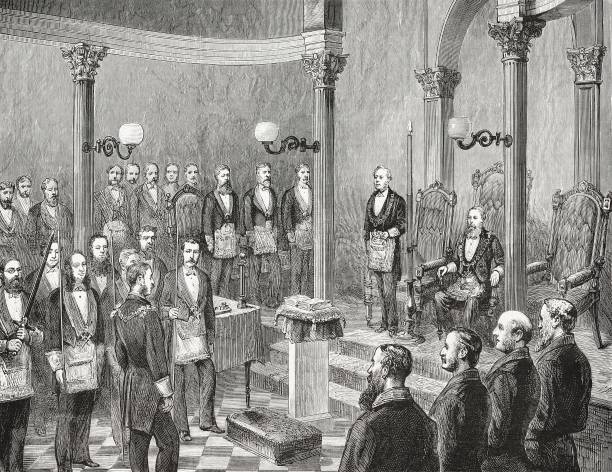
The Freemasonic ritual is intended to be a spiritually transformative experience. The initiatic aspect of Freemasonry is “intended to actually change the candidate; a rebirth with a new cognitive frame that allows him to see that he could not before – to behold the ‘mysteries’ of Freemasonry and not just the secrets.”

W.L. Wilmhurst writes:
“The purpose of initiation may be defined as follows: – it is to stimulate and awaken the candidate to direct cognition and irrefutable demonstration of facts and truths of his own being about which previously he has been either wholly ignorant or only notionally informed; It is to bring him into direct conscious contact with the Realities underlying the surface images of things, so that, instead of holding merely beliefs or opinions about himself, the universe and God, he is directly and convincingly confronted with truth itself; And finally it is to move him to become the Good and the Truth revealed to him by identifying himself with it.”

Part of how we make good men better is by this process of initiation. Which, when done right, fundamentally changes the way our brothers see, think, and act in the world. Mircea Eliade has this to say about the initiation process: “…the novice emerges from the ordeal endowed with a totally different being from that which he possessed before his initiation; he has become another.”

This is what happened to me when I was Initiated, Passed, and Raised through the fraternity. This is the main reason I stay active in the lodge, because this was so transformative and important to me. So now I am paying it forward to give new canindates the same experience. Because without me, new, and veteran Masons conferring these rituals, Freemasonry dies.

I get to take part in these initiations on a regular basis. I regularly have new canindates personally thank me and tell me that I helped in spiritually transforming them (since I typically perform very critical and involved roles) – as my brothers did for me when I was a new canindate. I’ve seen the transformations, sometimes even the very moment of epiphany.

This brings me a level of joy that I never knew existed. My life has never been more meaningful. I have never had so much direction, drive, and determination. I have never felt so powerful and strong. I have never been so happy. Words cannot convey my feelings. At the very least, all I can say is that all these feelings are felt with an intensity I never knew existed.

I now know the reason the Mystery School tradition has been passed down for 1000s of years. And I couldn’t be more honored to keep it alive and well.

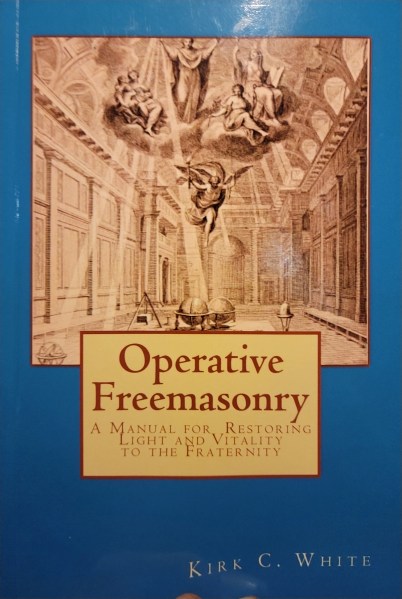
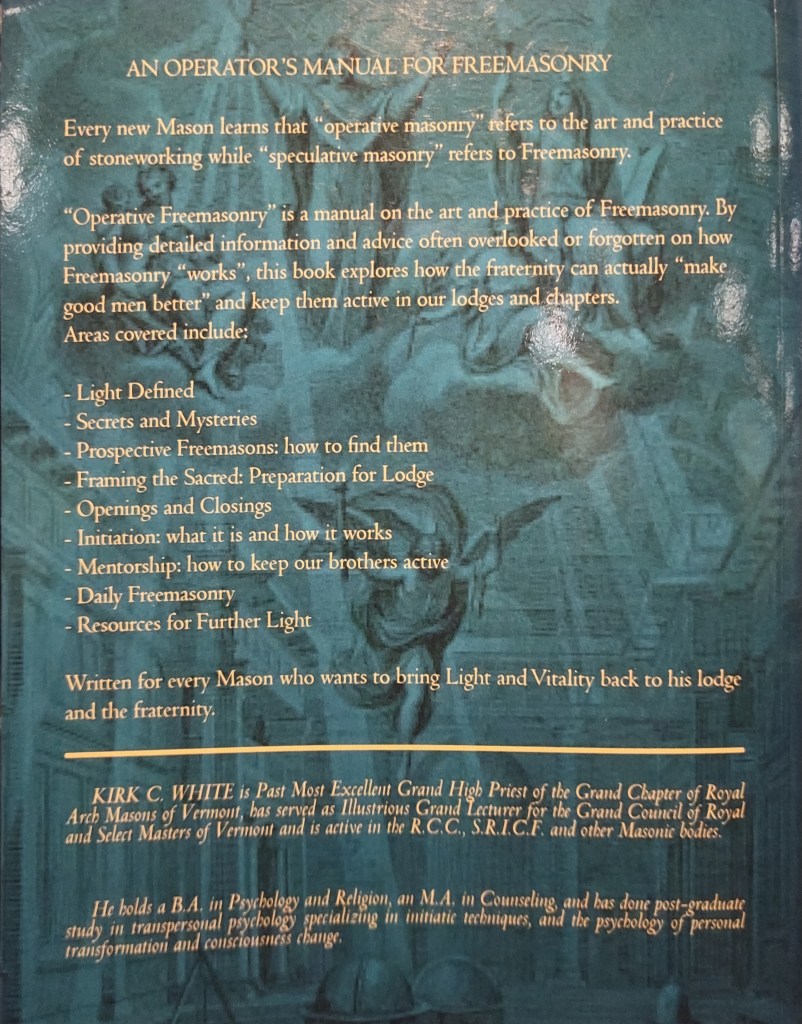
Operative Freemasonry

…Freemasonry is exceptional. That is, I believe that Freemasonry is something special. It isn’t the same as the Rotary, Lions, or any other civic group. Nor is it equivalent to your bowling team. It is a very specific system designed to effect the moral and spiritual transformation of its members. When done conciously and properly, it should actually change the men who join. It should set them in a lifelong journey of spiritual, moral, and mental growth that the average person can’t get anywhere else.

Kirk C. White

Freemasonic Worship

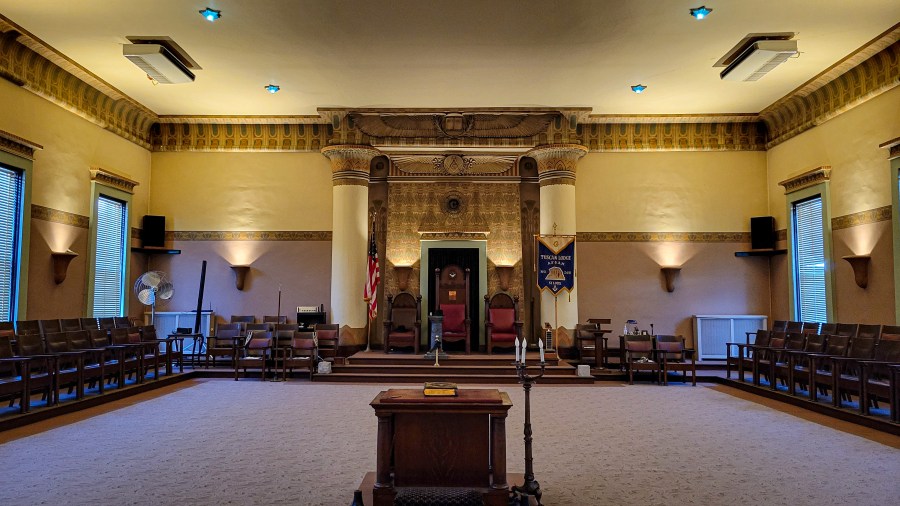
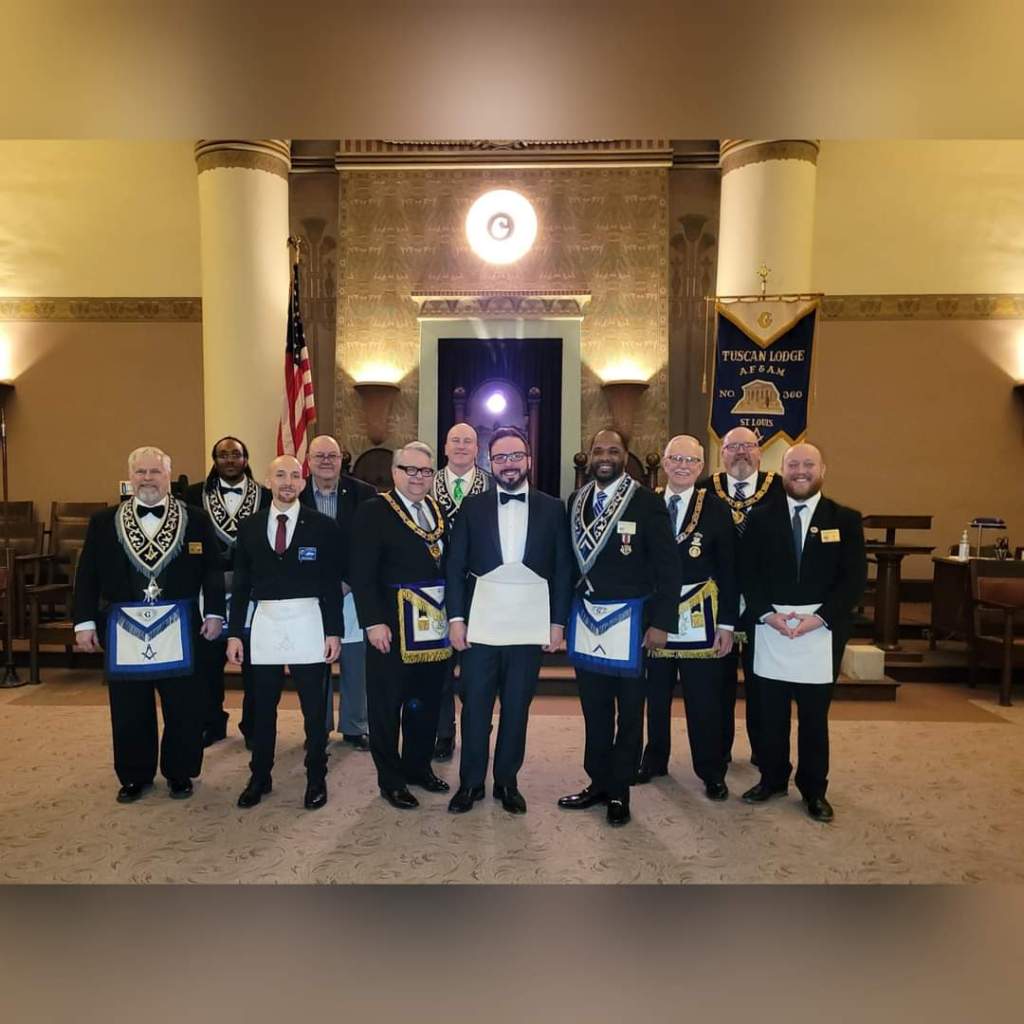
It was a huge honor and quite the experience for me to work side by side with Missouri’s Most Worshipful Grand Master and other Grand Lodge officers, in this temple.

Since it’s relevant, and I’m sure many have the question, as did I, I’d like to clarify and explain the naming convention of “Worshipful Master” we use in Freemasonry.
Firstly, we do not worship any man. The term Worshipful comes from ancient England and was an honorary title that simply meant “respected” in the past. The structure of each individual lodge/temple consists of a Worshipful Master at the top and a few offers that support him. Basically, the WM (Worshipful Master) serves as the chief officer and oversees all lodge functions, lodge officer duties, and presides over each lodge meeting. He ultimately has the last say on matters but we are all considered equal.

Now, if you define worship as what most people see in the Abrahamic religions (ie. singing, prayer, sermon, praising God directly, etc.), I’d say Freemasons do not worship anyone or anything period. I know this was my definition of worship, basically just praising/kneeling to God directly in different ways.

My definition of worship has expanded though. If you define worship as: a wwide-rangedavenue to give adoration and respect to diety, a personal act of the heart rather than outward actions, and that worship can be expressed in all areas of life –
then you could argue we do worship.

But I would say what we worship more specifically isn’t diety per se, but the divine spark that resides in each of us. So worshipping the sanctity and power of the individual. Something I clearly support and stand behind.

So long story short: Missouri has many individual temples/lodges (city to city), in each, a Worshipful Master presides over it. Each state in the U.S. has a Grand Lodge, which is the overarching governing body over all the individual lodges in the state and functions just as the rest of the lodges do. So, the Grand Lodge’s Worshipful Master title is “Most Worshipful Grand Master.”

Freemasonry and Healing Trauma – Analogy/Metaphor

Since I’ve been quiet with my blog post/writing lately I’d like to explain why. Most of the content for my blog post come from the books I read and I was reading at least 5 days a week. I haven’t really been reading much due to the time I’m investing into Freemasonry. Instead of reading, in the last 7 months, I’ve learned the bulk of all 3 degree ceremonies. I’ve learned the lines and floor work for big roles in these plays – a total of around 5k-6k words in different chunks. This includes learning/mastering a 3,000 word lecture (20+ consecutive mins of talking). The ceremonies don’t really change so once you learn everything then you’re set and can perform in all the ceremonies. I’m trying to get to that point.


With books, it’s easy to extract information from what you’re reading. The insights I’m gaining from Freemasonry come much slower. Partly because right now I’m too busy learning lines, floor work,  getting over nerves, etcetera to extract deep meaning from the teachings. You really have to get proficient and confident with the ceremonies to be able to focus on extracting deeper meaning from them. What I’m learning is also very repetitive, so I’m not really learning anything “new” so to speak. The information comes slower but, perhaps, more rewarding. Such is the nature of any esoteric teachings but more so with Freemasonry than any other esoteric teachings I’ve engaged with.


There is something very profound about Freemasonry that I’ve uncovered with my therapist about what Freemasonry is doing for me. One of the core aspects of counseling is that the therapy session is a safe place you can express your feelings/emotions and explore your thoughts/desires. A safe place to speak your truth – safe meaning both physically and emotionally. 
This is one reason I advocate for everyone needing therapy. We have to have a safe place to explore our minds openly. Most people use their spouse, friend, family, and the like for their safe place(s). But there is nothing like having a professional to help you better navigate your internal world. 


In mitigating trauma, having a safe place is absolutely essential for healing and growth. This safe place allows you to explore your trauma in a healthy and controlled way. Instead of your triggers controlling your thoughts and behavior. Because when you’re in that state, it’s almost impossible to explore your feelings in any constructive way.


One of the roadblocks I face right now, in relation to therapy and my personal development, is that underneath my anger/rage I have a fear driving those emotions. I know this logically, but I can’t explore the fear underlying my rage. I can’t explore my fear because I do not physically feel it in my body at all. I really need to be able to explore my anger and fear in the moment, which is really hard to do. This is because not too many things trigger this emotion, and when it does, it puts me in a state of fight or flight so I’m not thinking cognitively to watch it.
Freemasonry is very nerve-racking for me. With performing in the ceremonies you have to speak/lecture to strangers while looking them in the eye, while a crowd is watching you, knowing that everyone is criticizing your every word and action. It’s very much out of my comfort zone. The fear I feel when performing is the closest feeling I’ve ever gotten to my anger/rage feeling, while still being in control. 


With all that in mind, Freemasonry is giving me a safe place that I can explore my fear. A place that I can conquer, master, and get curious with my fear. They say metaphor and analogy are the key to life. This Freemasonry fear analogy is helping me to unlock my fear and empower myself. I think this is a big reason why I enjoy Freemasonry so much. 
So find small and manageable ways to explore your trauma via analogy. This is how you “sit with your demons”, talk to them, ask them questions, find out what they want/need so you can integrate them into your being – shadow work essentially. There is a lifetime of secrets to unlock in Freemasonry and I’m just hitting the tip of the iceberg. 

Charity

Charity is one of the core principles of Freemasonry that a new canindate is instructed in, in the very 1st degree. The lesson is taught to us in a very dramatic, almost harsh way. We are told that charity lies at the foundation of Freemasonry.

Freemasonrys mission is to help reduce suffering in all of society. We strive to do this on a global scale. Part of how this is done is by “making good men better” and through charity. Charity isn’t just about handouts. You can be charitable with your time and conduct. We square our actions by the square of virtue.

A small handful of the more active guys in the lodge put some money together to make these complete Thanksgiving dinner baskets. We reached out to a local elementary school to find families in need and delivered the baskets. Though it’s a very small and humble gesture, I believe that no act of kindness is too small. Sometimes that’s all somebody needs to keep going.

Masonic Archeology

It is true that Freemasonry is the parent of all religion, the original worldwide cosmic gnosis, diffused in ancient times to the uttermost ends of the earth. Freemasonry is the Pompeii of prehistoric science. All the Masonic ritual, it’s Egyptian signs, it’s Chaldean grips, it’s Sanskirt passwords, is ancient Hebrew symbols, it’s cabalistic allusions and its historical records are supremely scientific and a survival through long ages, by various underground channels, of the knowledge of the universe which was gained by Sabian astronomers from the temple tops of Chaldea, India and China and recorded by the equally learned geometers and mathematicians of the ancient Orient.

Frank C. Higgins

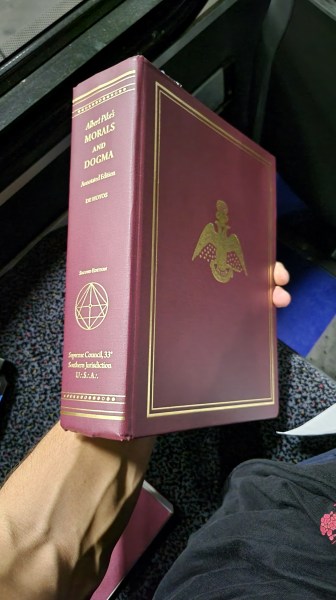
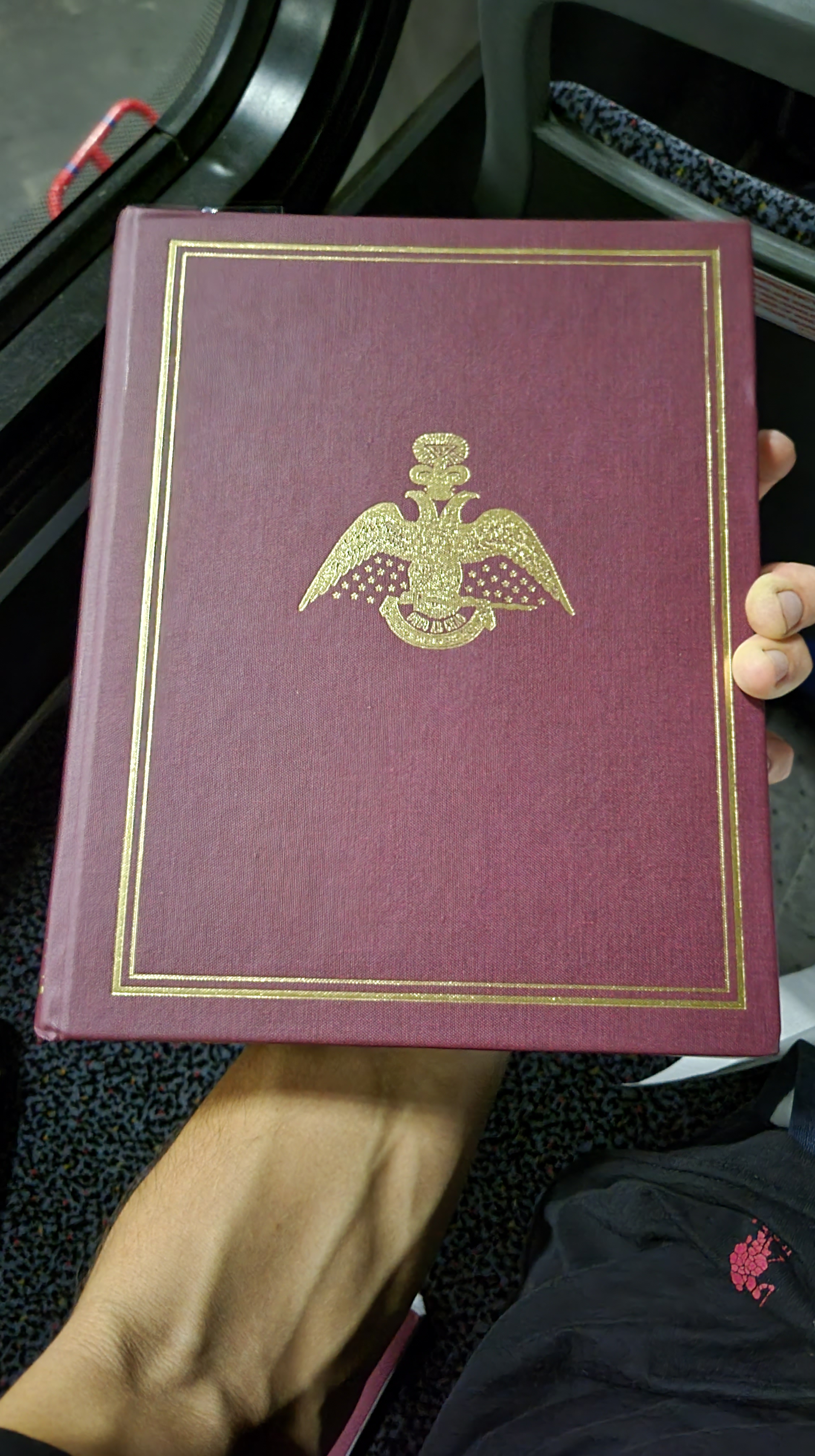
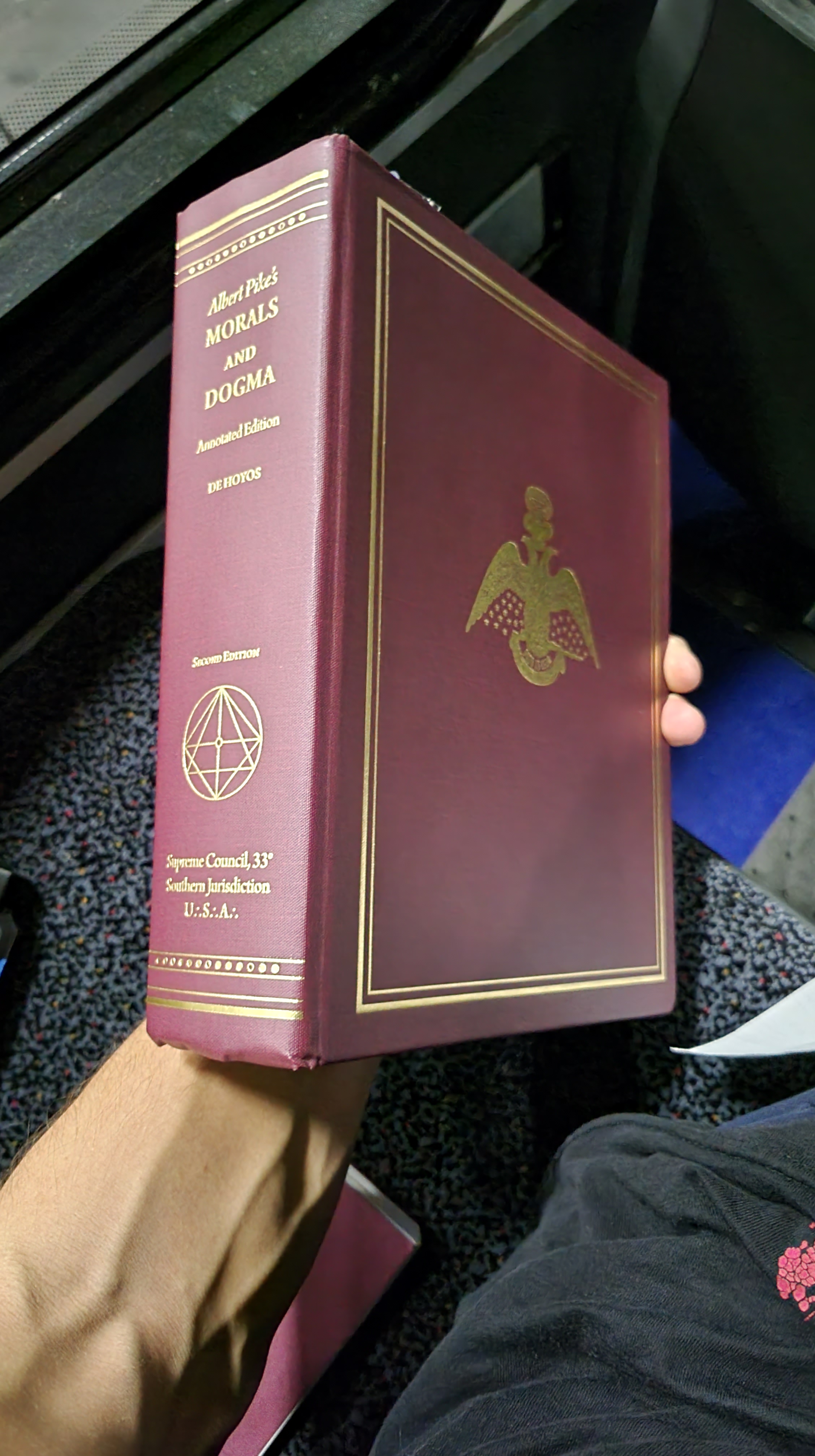
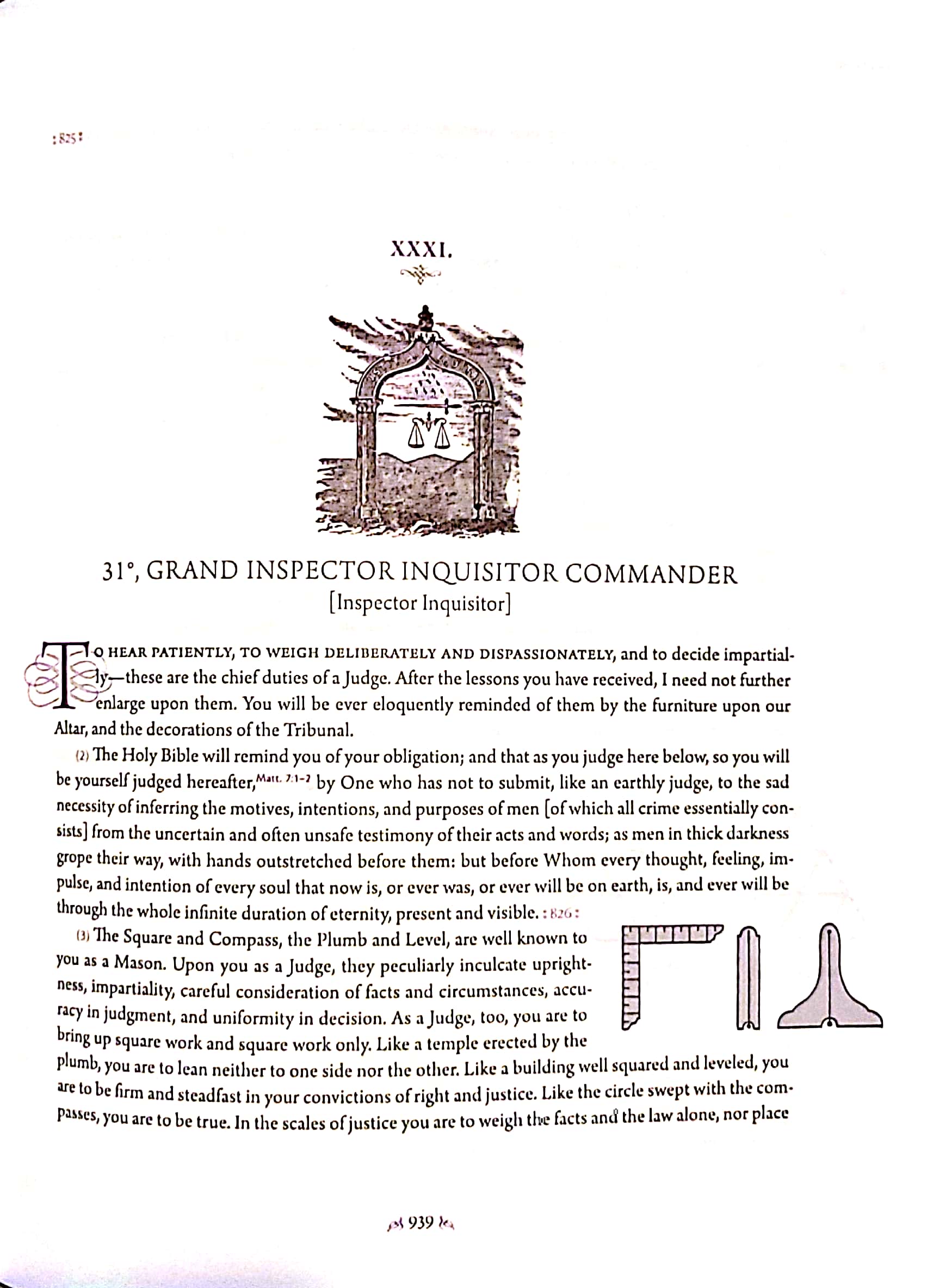
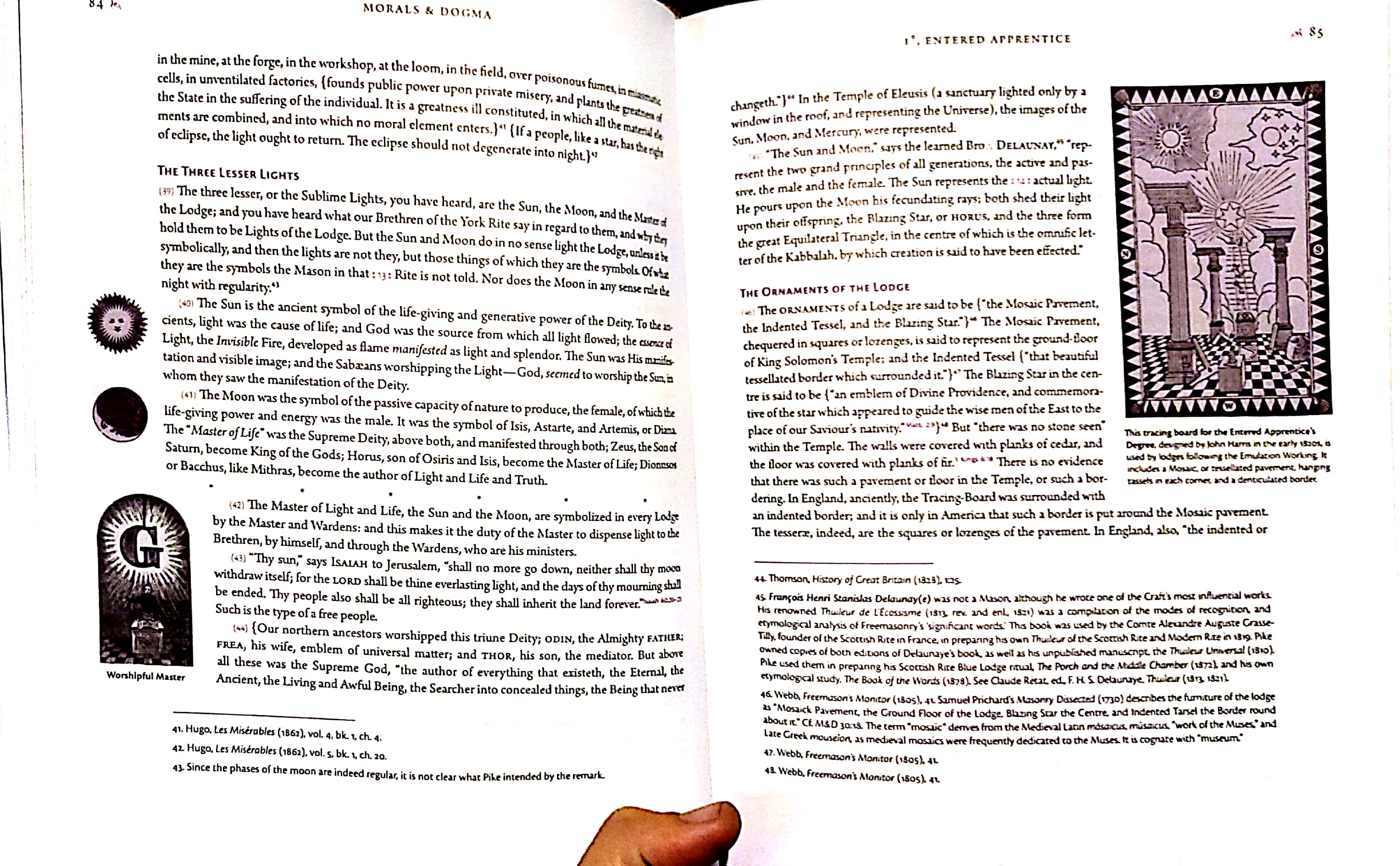
Morals and Dogma

Reading morals and dogma is an epic adventure punctuated by rhapsodic beauty and sheer confusion. Pike and his sources swing our attention to the perennial grear questions: Where do we come from? Who are we? Why are we here? What are the duties of man? What assurance do we have of a Divine Presence in the human spirit? What is the nature of reality? What ethical and moral obligations does one have to the world at large? Is there anything to be learned from human suffering? Can people of different faiths agree on a shared religious duty?

These questions, and many others, agitate the mind, and rivet our attention as much today as they did in Plato or Aristotle’s time, let alone a mere 140 years ago.

The relevance of Morals and Dogma today lies in it’s exploration of the great questions and philosophical dilemmas which have always moved humanity. Particularly for the Mason, this book serves the useful purpose of putting Masonic morality and ethics within the context of the general society. Morals and dogma bids man to think large – to cast aside the petty concerns of everyday life and to be better than he even believes he can be. As initiates of the 30 degree Knight Kadosh are aware, “Strive not to be better than others, but to be better than thyself” Is one of the duties of a Masonic philosopher.

Supreme Council 33 Degree

The Many Dimensions of a Freemasonic Lodge Meet

In the course of one lodge meeting, Freemasonry is a spiritual organization when the chaplain leads the brethren in prayer and asks for the blessing of Diety. It is a guild when the Master of the lodge teaches the new Mason the symbolic uses of stonemason’s tools. It becomes a school of instruction when the new brother learns about the importance of the 7 liberal arts and sciences. At other moments, it is an amateur theater company when the ritual is performed. The lodge becomes a men’s social club when meeting for dinner and fellowship. It becomes a charitable group when relief is provided to distressed brothers, their families or the local community perlocal community. It is also a business association when members with similar interests share ideas. The lodge resembles a family when fathers and sons, strangers and friends bond as ‘brothers’, and it is a community league when volunteers are needed for a project.

Mark Tabbert

So, What is Masonic Ritual?

Traditionally, the primary purpose of the ritual is to educate the candidate. The rituals are closer to a play/drama/performance than anything else.

The ceremonial lore revolves around the period during which the First Temple at Jerusalem was built by King Solomon. King Solomon. The stories build from a peaceful and regal beginning which explains the inspiration for and construction of the Temple, leading up to a cataclysmic event which has come to symbolize the central morality of Speculative Freemasonry.

Throughout the series of short plays, you’ll come across dozens of metaphors, imparting the moral criteria which a Freemason is expected to aspire to. The ritual is composed of exquisitely crafted language, and for most masons the messages go in and stay in, enabling them to live a more positive and fulfilled live.

Rick Smith

Many avoid Freemasonry because they feel it would be “too religious” for them (myself included, until I learned more about the fraternity). If you have no issues with attending a church wedding or funeral, or being a Godfather for someone’s new baby, you should not meet any greater religious demands in craft masonry. Masons do not worship in craft lodges; that is the role of the Church.

The obvious overlap between Religion and Freemasonry is morality, which both teach as a primary function. The key difference in their approach is that fundamental religion tends towards ‘God-fearing morality’ whilst craft masonry speaks more to the Moral Compass, and the idea that your behavior in life should be geared towards preserving the stability of society and the happiness of everyone around you. For the purpose of learning and executing Masonic craft ritual, religion has no direct relevance whatsoever.

The say that “Politics is showbiz for ugly people!” For the rest of us, there’s Masonry. Ritual’s primary purpose is to implant the moral metaphors of Masonic teaching. That’s unequivocal.

Rick Smith

Being initiated into the 1st degree of Freemasonry, passed to the 2nd degree, and raised to the 3rd degree of Master Mason, does not at all make you instantly enlightened. You’re more or less just obligated into keeping the “secrets” of Masonry at that point. Being the candidate, going through the three degrees (plays), you’re really not participating, you’re just being instructed and walked through. So actually learning the ritual, being engaged and involved, actually playing a role in the ritual (drama/play), is what enables you to really learn the metaphors/teachings. It really is something you’ll be taking in and learning for a lifetime – and that’s the point. While also finding fulfillment in having an active role in passing down these teachings, bettering yourself, your brothers, and community.

So in short: As I’ve stated before, there really is no secrets in Freemasonry, all the “secret” knowledge is passed down through the ritual. This secret knowledge being universal teachings we all know and live by as humans. The only real secret being how this knowledge is delivered, via the ritual.

The main reason for the secrecy is because it’s like spoiling a movie. If I tell you what the ritual is, everything that’s in it and how it’s delivered, then when you experience it yourself it won’t have the same impact and effect as it would if you didn’t know anything about it. Knowing all that beforehand would totally ruin the experience and the effect it is supposed to have on your psyche.