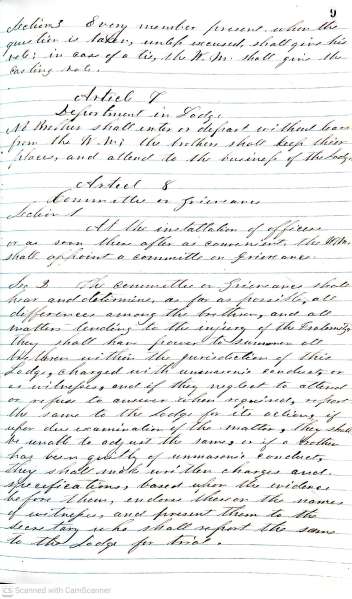
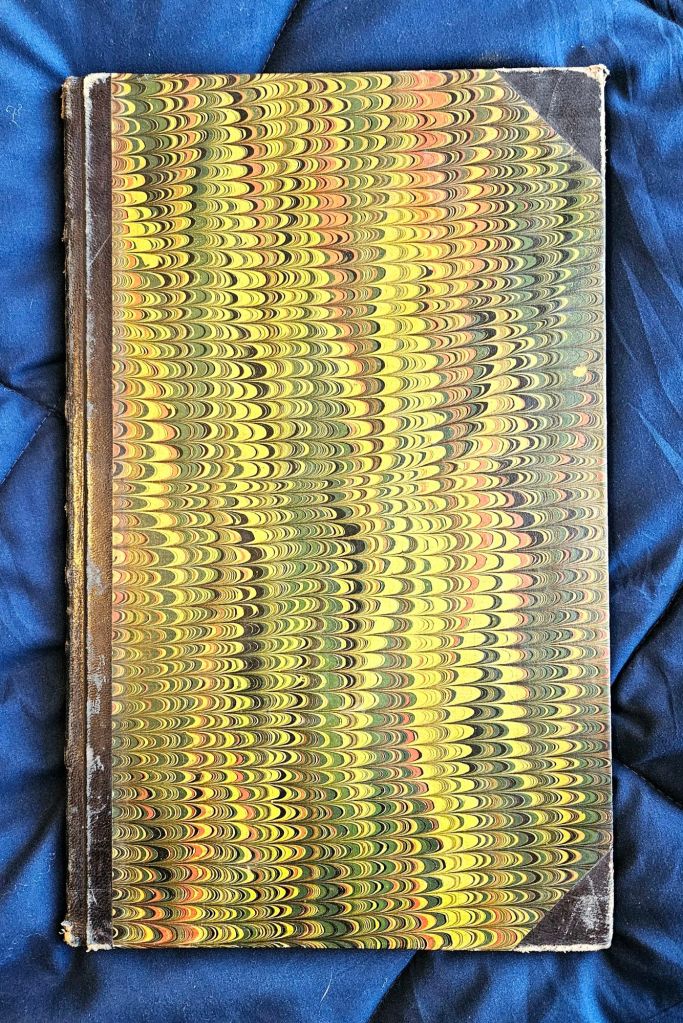
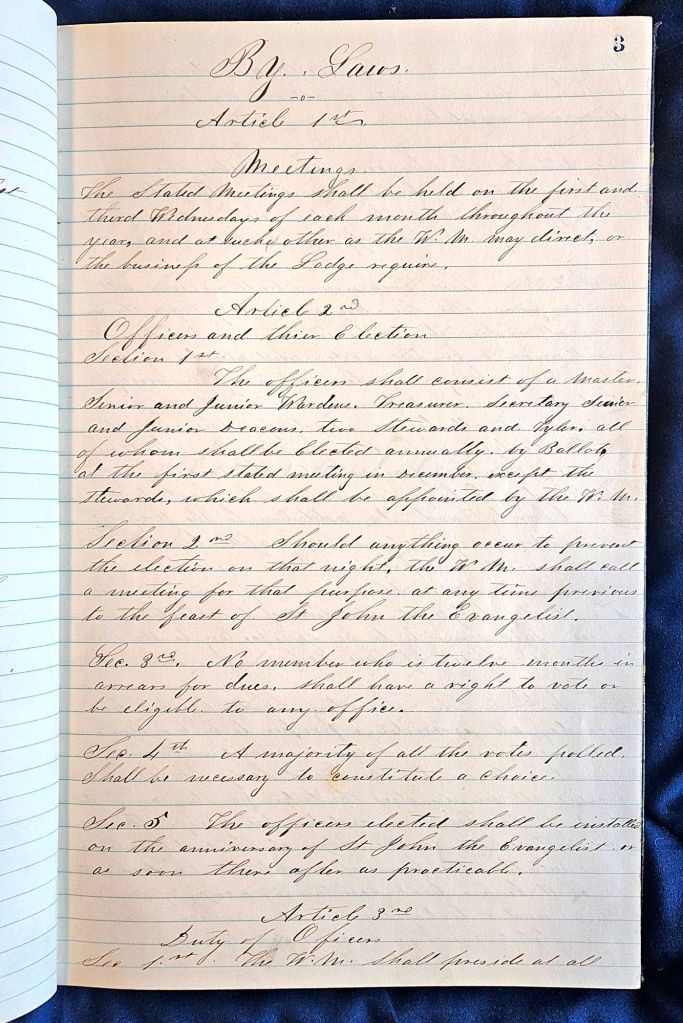
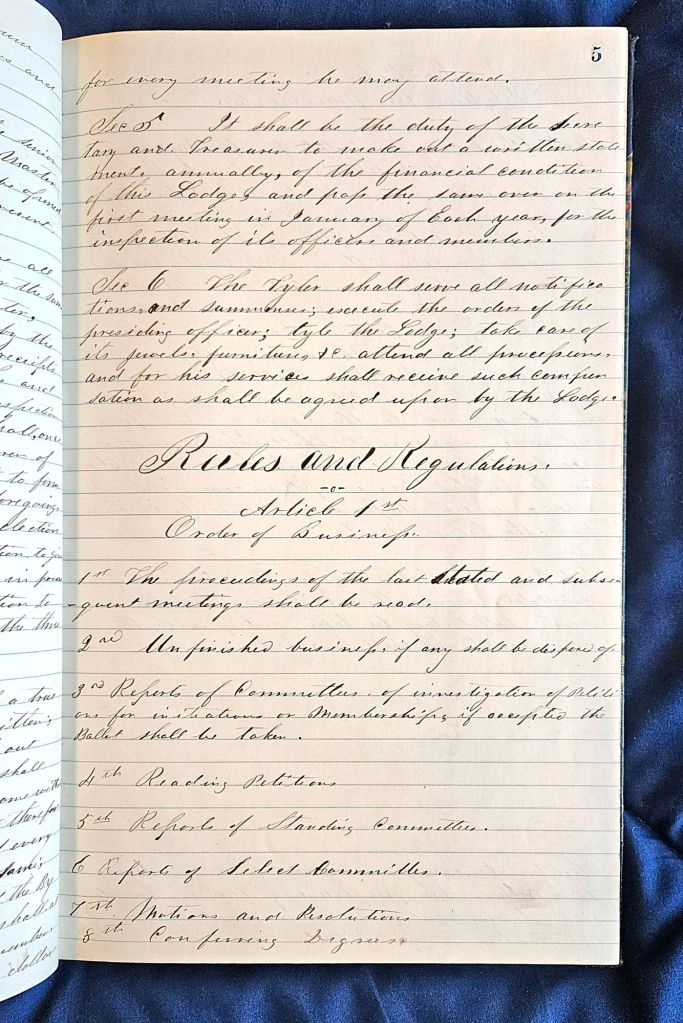
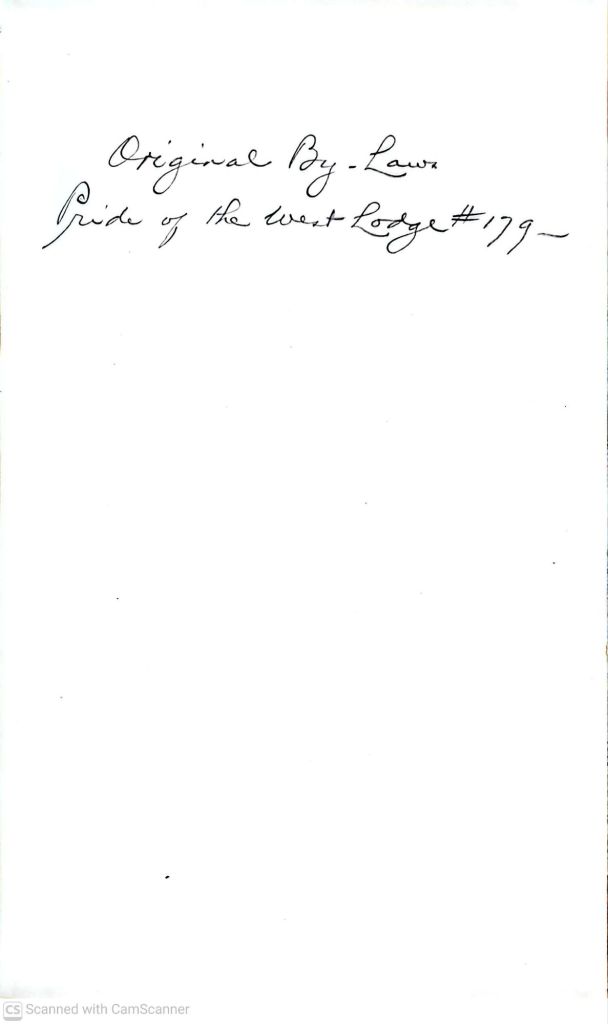
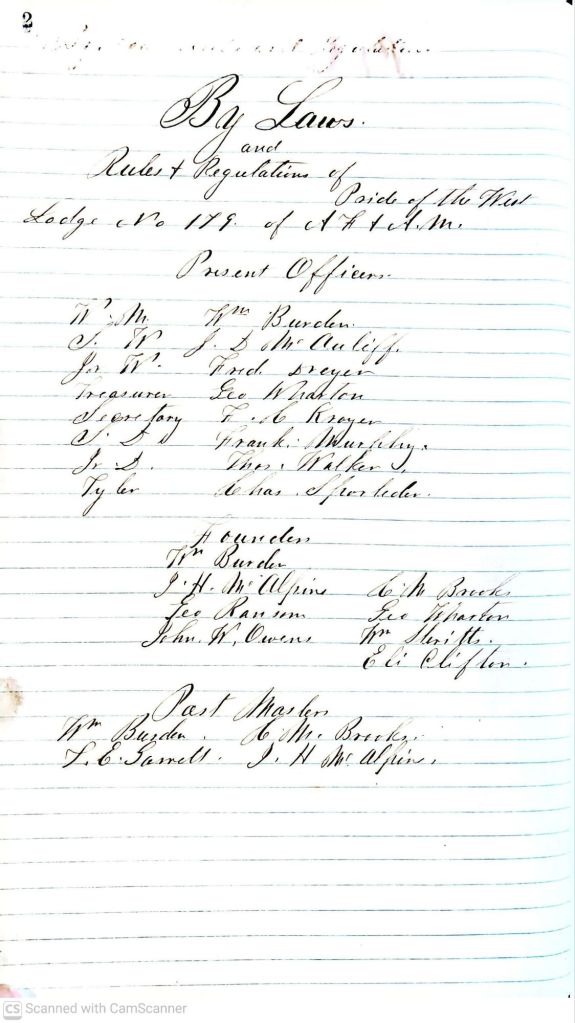
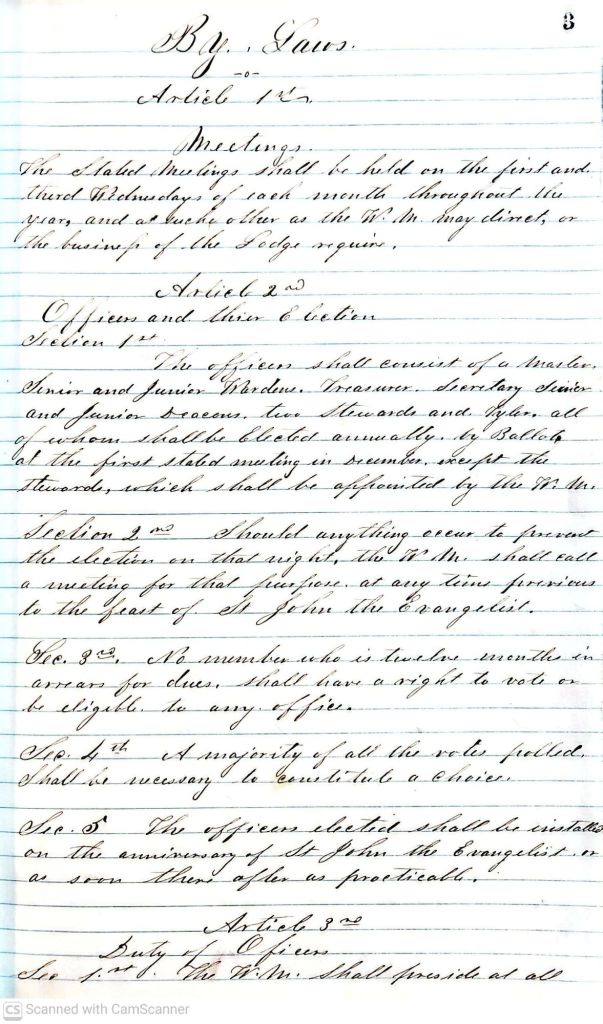
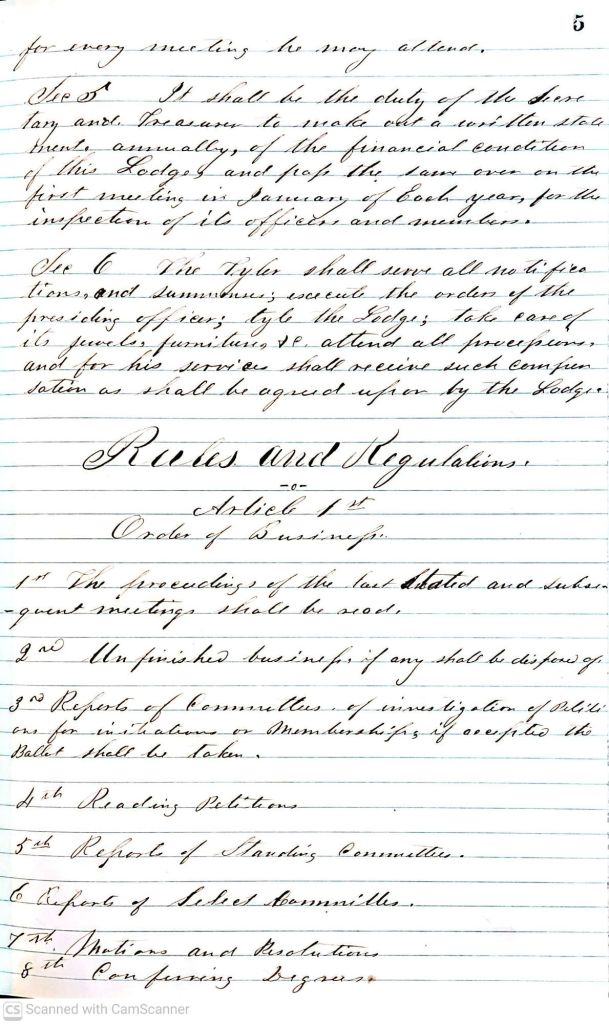
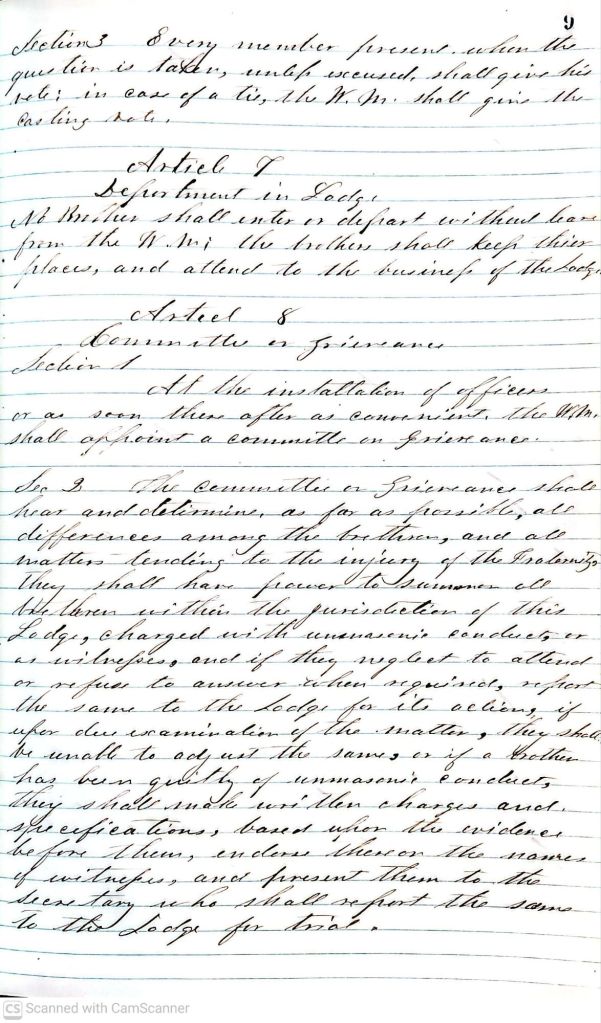
Our original By-Laws from 1858…
With this discovery, I decided to look back and imagine what life might have been like for the men who originally founded the lodge.
What were they thinking?
What were they going through?
Why Freemasonry?
1858 was only a few decades after MO became part of the Union. St. Louis was a major river hub, so the Mississippi dominated everyday life. Steamboats arrived constantly, unloading goods, immigrants, news, and ideas. The waterfront was loud and crowded with dockworkers, merchants, traders, and enslaved laborers, all moving cotton, furs, grain, and manufactured goods.
Politically and morally, the city lived with constant tension. Missouri was a slave state, and debates over slavery, states rights, and the future of the Union were common in newspapers, churches, taverns, and public squares. The Civil War was only 3 years away, so you can imagine this tension being worse than it is now.
Daily routines were labor intensive. Men worked as craftsmen, clerks, laborers, merchants, or river hands; women managed households, took in laundry, worked as seamstresses, or labored in shops and boardinghouses. Children often worked early, especially in working class families. Home life revolved around wood or coal fired stoves, hand pumped water, and oil lamps. But yet, these men still had the time and energy to found and maintain a Masonic Lodge. It must have been a priority for them… but why?
First, with St. Louis being the last major city on the edge of the frontier, I’m sure the original members weren’t discovering Freemasonry, but bringing it with them. By 1858, Freemasonry was already old, familiar, and tested. Lodges had existed for generations in the East. The ritual was known. The landmarks were settled. The Craft had already survived revolution, frontier life, religious suspicion, and political change. And to think of how minimally people traveled for a move — only bringing the absolute necessities — yet our forebearers almost certainly brought their Masonic paraphernalia with them (aprons, tools, Bible, etc).
So I don’t think the members were asking themselves:
“Should this exist?” — but “What must this be, here?”
Chartering a lodge in St. Louis wasn’t about novelty. It was about transplanting a moral ecosystem into soil that was fertile, but unstable. The unspoken question here might have been “Can Freemasonry hold in a place where everything else is in flux?” A place where populations are transient, loyalties are divided, economies are opportunistic, and moral shortcuts are tempting.
In the past, or in other regions, I’m sure the men must have seen lodges act as anchors for conduct, schools of restraint, and as a quiet corrective to the rougher instincts of an expanding society. They weren’t experimenting. They were guarding continuity.
To charter a lodge here was to say that this place was no longer temporary, that amid movement and division there would be at least one room where men met with intention, worked carefully, and answered to something higher than themselves. It’s an act of settlement, not just residence.
It says: we intend to stay, to raise families, and to be judged by our conduct here. They did not know who would follow them or if it would survive, but they acted as if the Craft would outlive them. So every time we assemble here, we stand inside that decision — and we are still responsible for honoring it.
I don’t believe that this was a lodge born out of novelty — produced in a vacuum — but as a relay point. A place where the Craft was handed forward, intact, across geography, culture, and crisis. These men were not just founding a lodge. They were proving that Freemasonry could survive translation — from East to West, from settled to unsettled, from inherited order to chosen order. The lodge wasn’t an escape, but a counterweight. With the lodge chartered just a few years before the Civil War, I don’t think their intent was to save the Union, but to help ensure the Union would still recognize itself afterward.
So the men chartering Pride of the West were not thinking:
“We need order because this place is wild.”
They were more likely thinking:
“We need order because this place is powerful, divided, and morally unstable.”
They weren’t civilizing a wilderness. They were defending civilization against erosion.
This lodge exists because men chose fidelity over convenience, discipline over impulse, stewardship over self-interest, and tradition over novelty — when adaptation promised riches and comfort.
So now, it’s not necessarily a question of:
“What can Freemasonry become? — but, “What must this lodge never cease to be?”


 ErudiTarot