Nietzsche’s definition of “free spirit”. One I prefer over the currently accepted use of the term. He starts his definition with stating that he sees a new order of philosophers emerging – “philosophers of the future”.
…they will be free, VERY free spirits, these philosophers of the future – as certainly also they will not be merely free spirits, but something more, higher, greater, and fundamentally different, which does not wish to be misunderstood and mistaken?
Here he gives a precise definition of what most people consider to be a ‘free spirit’.
Briefly and regrettably, they belong to the LEVELLERS, these wrongly named ‘free spirits’, – as glib-tongued and scribe-fingered slaves of the democratic taste and it’s ‘modern ideas’ all of them men without solitude, without personal solitude, blunt honest fellows to whom neither courage nor honorable conduct ought to be denied, only, they are not free, and are ludicrously superficial, especially in their innate partiality for seeing the cause of almost all human misery and failure in the old forms in which society has hitherto existed – a notion which happily inverts the truth entirely!
What they would fain attain with all their strength, is the universal, green meadow happiness of the herd, together with security, safety, comfort, and alleviation of life for everyone, their two most frequently chanted songs and doctrines are called ‘Equality of Rights’ and ‘Sympathy with All Suffers – and suffering itself as looked upon by them as something which must be DONE AWAY WITH.
He then goes on to define what he sees as being ‘free spirited’.
We opposite ones, however, who have opened our eye and conscience to the question how and where the plant ‘man’ has hitherto grown most vigorously, believe that this has always taken place under the opposite conditions, that for this end the dangerousness of his situation had to be increased enormously, his inventive faculty and dissembling power (his ‘spirit’) had to develop into subtlety and daring under long oppression and compulsion, and his Will to Life had to be increased to the unconditioned Will to Power, we believe that severity, violence, slavery, danger in the street and in the heart, secrecy, stoicism, tempters art and devilry of every kind, that everything wicked, terrible, tyrannical, predatory, and serpentine in man, serves as well for the elevation of the human species as its opposite, we do not even say enough when we only say this much, and in any case we find ourselves here, both with our speech and our silence, at the other extreme of all modern ideology and gregarious desirability, as their antipodes perhaps? What wonder that we free spirits are not exactly the most communicative spirits?
Having been at home, or at least guest, in many realms of the spirit, having escaped again and again from the gloomy, agreeable nooks in which preferences and prejudices, youth, origin, the accident of men and books, or even the weariness of travel seem to confine us, full of malice against the seductions of dependency which he concealed in honours, money, positions, or exaltation of the senses, grateful even for distress and the vicissitudes of illness, because they always free us from some rule, and ‘prejudice’, grateful to the God, devil, sheep, and worm in us, inquisitive to a fault, investigators to the point of cruelty, with unhesitating fingers for the intangible, with teeth and stomach for the most indigestible, ready for any business that requires sagacity and acute senses, ready for every adventure, owing to an excess of ‘free will’, with anterior and posterior souls, into the ultimate intentions of which it is difficult to pry, with foregrounds and backgrounds to the end of which no foot may run, hidden ones under the mantles of light, appropriators, although we resemble heirs and spendthrifts, arrangers & collectors from morning till night, misers of our wealth and full-crammed drawers, economical in learning and forgetting, inventive in scheming, sometimes proud of tables of categories, sometimes pedants, sometimes night owls of work even in full day, yeah, if necessary, even scarecrows – and it is necessary nowadays, that is to say, inasmuch as we are the born, sworn, jealous friends of SOLITUDE, of our own profoundest midnight and midday solitude – such kind of men are we, free spirits! And perhaps we are also something of the same kind, ye coming ones? Ye NEW philosophers?
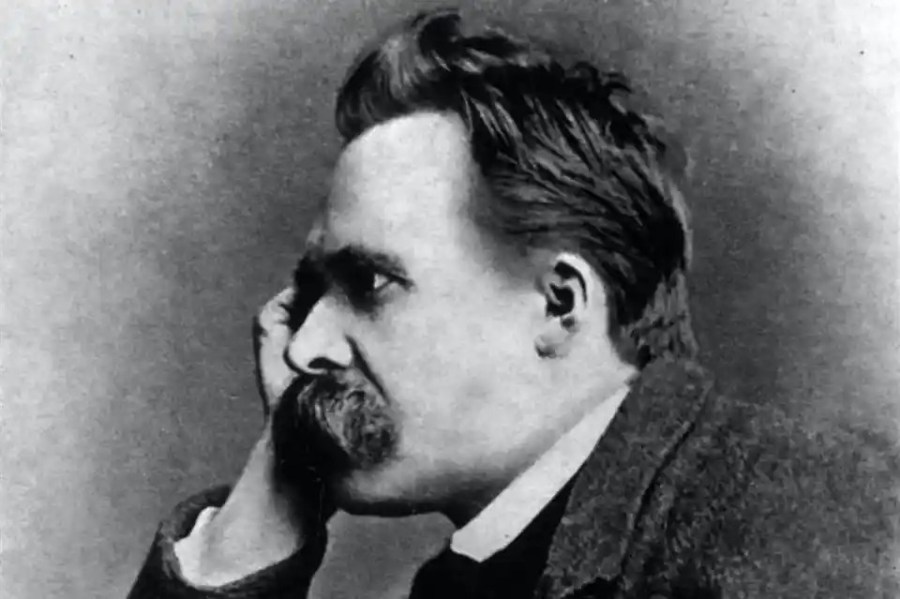
Friedrich Neitzche
THAT is being free spirited.

 ErudiTarot