Thought

Thinking is indispensable to us. It is essential for belief formation, planning, explicit learning, moral reasoning, and many other capacities that make us human. Thinking is the basis of every social relationship and cultural institution we have. It is also the foundation of science. But our habitual identification with thought – that is, our failure to recognize thoughts as thoughts, as appearances in consciousness – is a primary source of human suffering. It also gives rise to the illusion that a separate self is living inside one’s head.

We spend our lives lost in thought. The question is, what should we make of this fact? In the West, the the answer has been “Not much.” In the East, especially in contemplative traditions like those of Buddhism, being distracted by thought is understood to be the very wellspring of human suffering.

From the contemplative point of view, being lost in thoughts of any kind, pleasant or unpleasant, is analogous to being asleep and dreaming. It’s a mode of not knowing what is actually happening in the present moment. It is essentially a form of psychosis. Thought itself is not a problem, but being identified with thought is. Taking oneself to be the thinker of one’s thoughts – that is, not recognizing the present thought to be a transitory appearance of consciousness – is a delusion that produces nearly every species of human conflict and unhappiness. It doesn’t matter if your mind is wandering over current problems in set theory or cancer research; if you are thinking without knowing you are thinking, you are confused about who and what you are.

Sam Harris

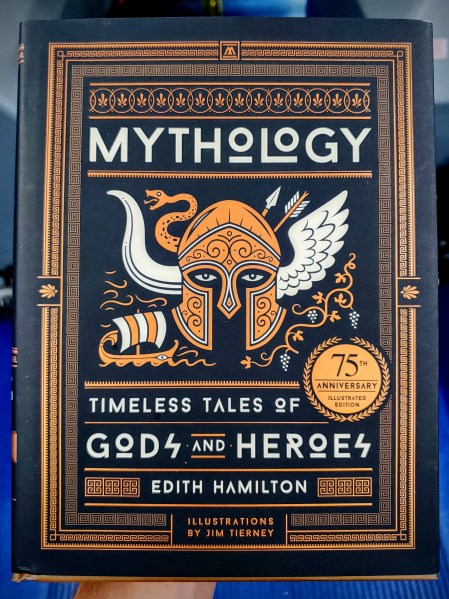
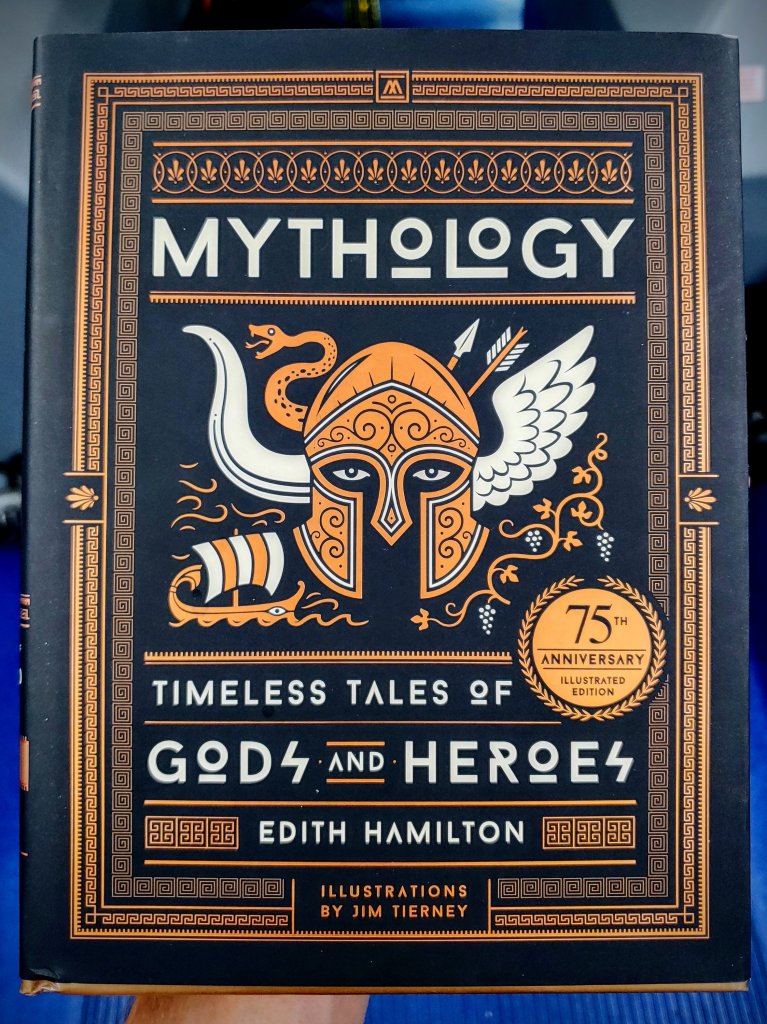
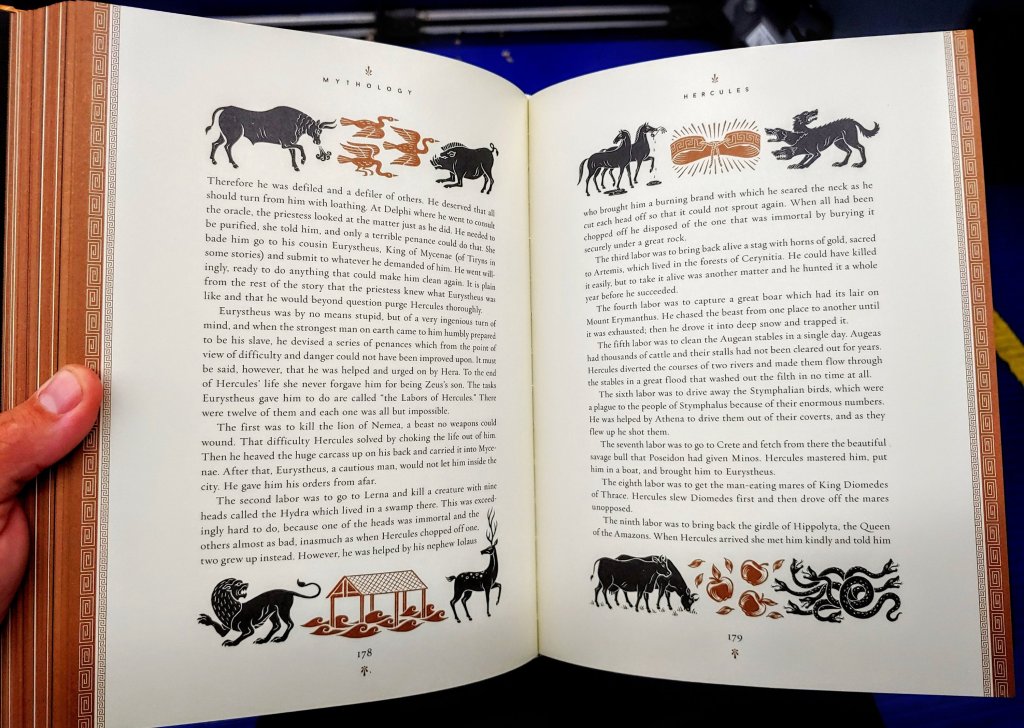
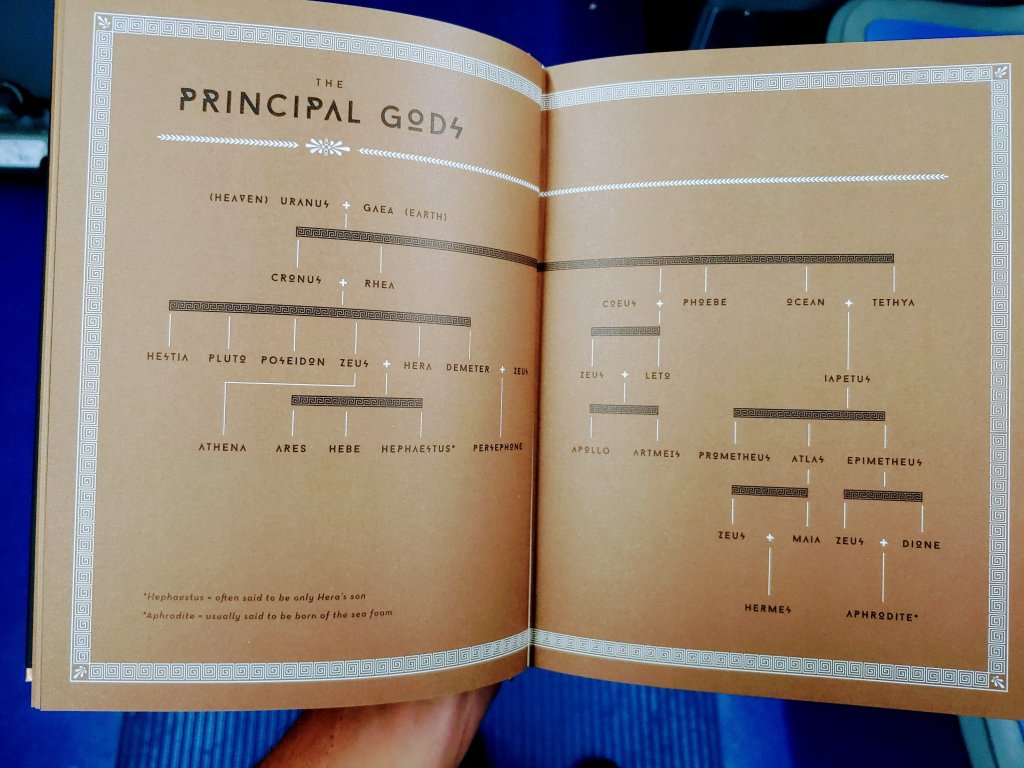
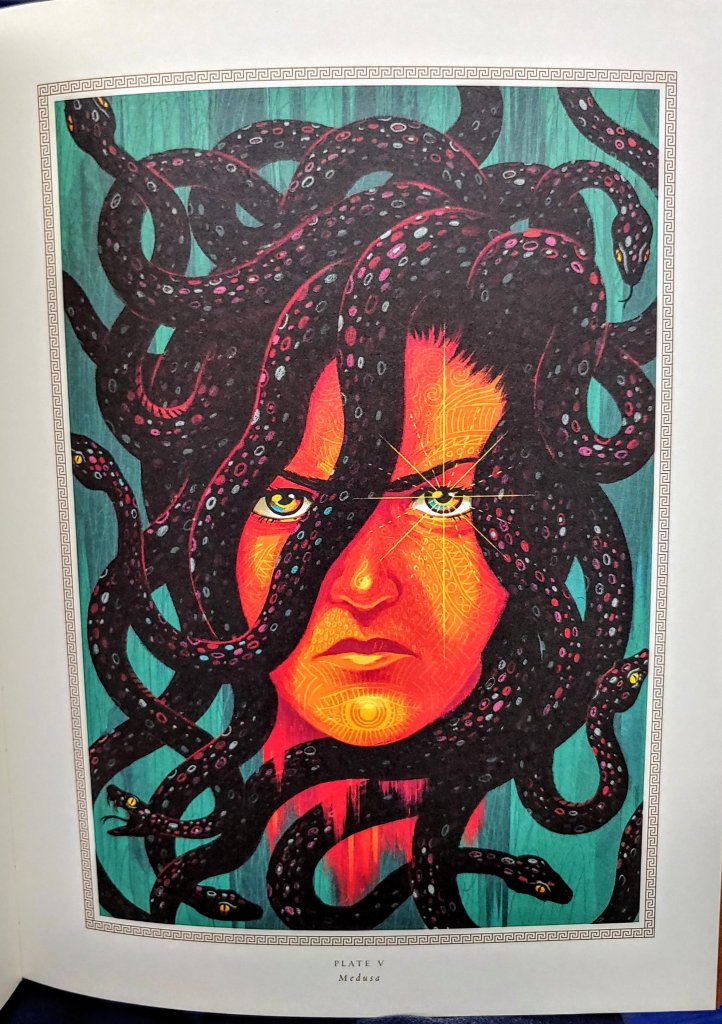
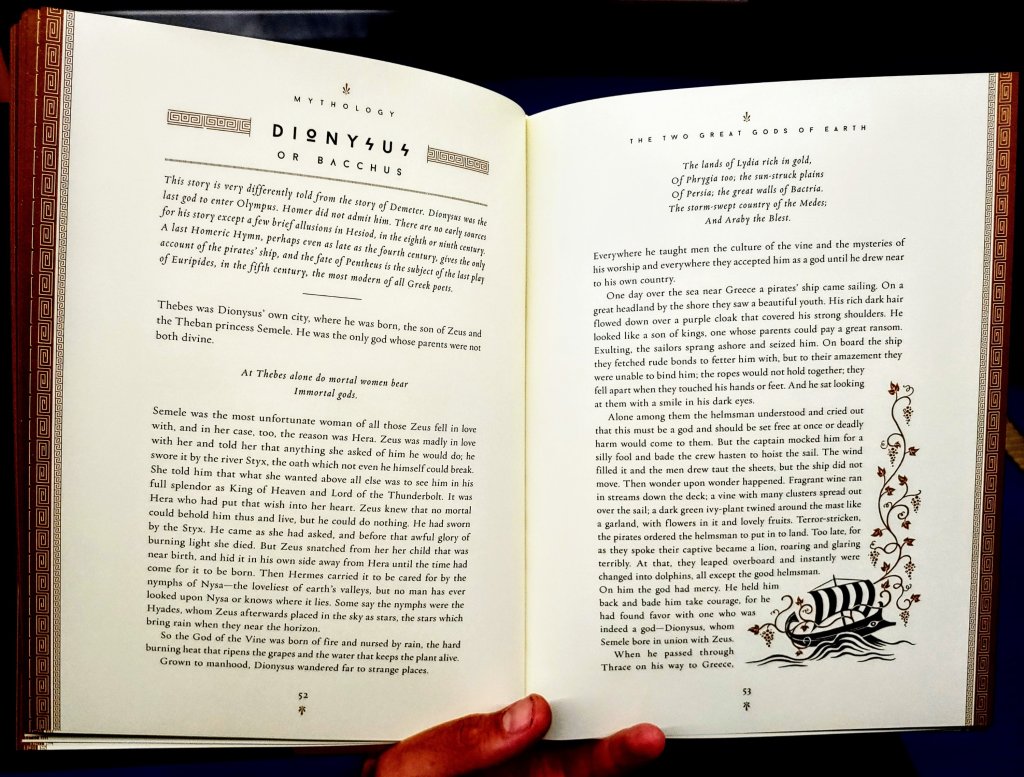
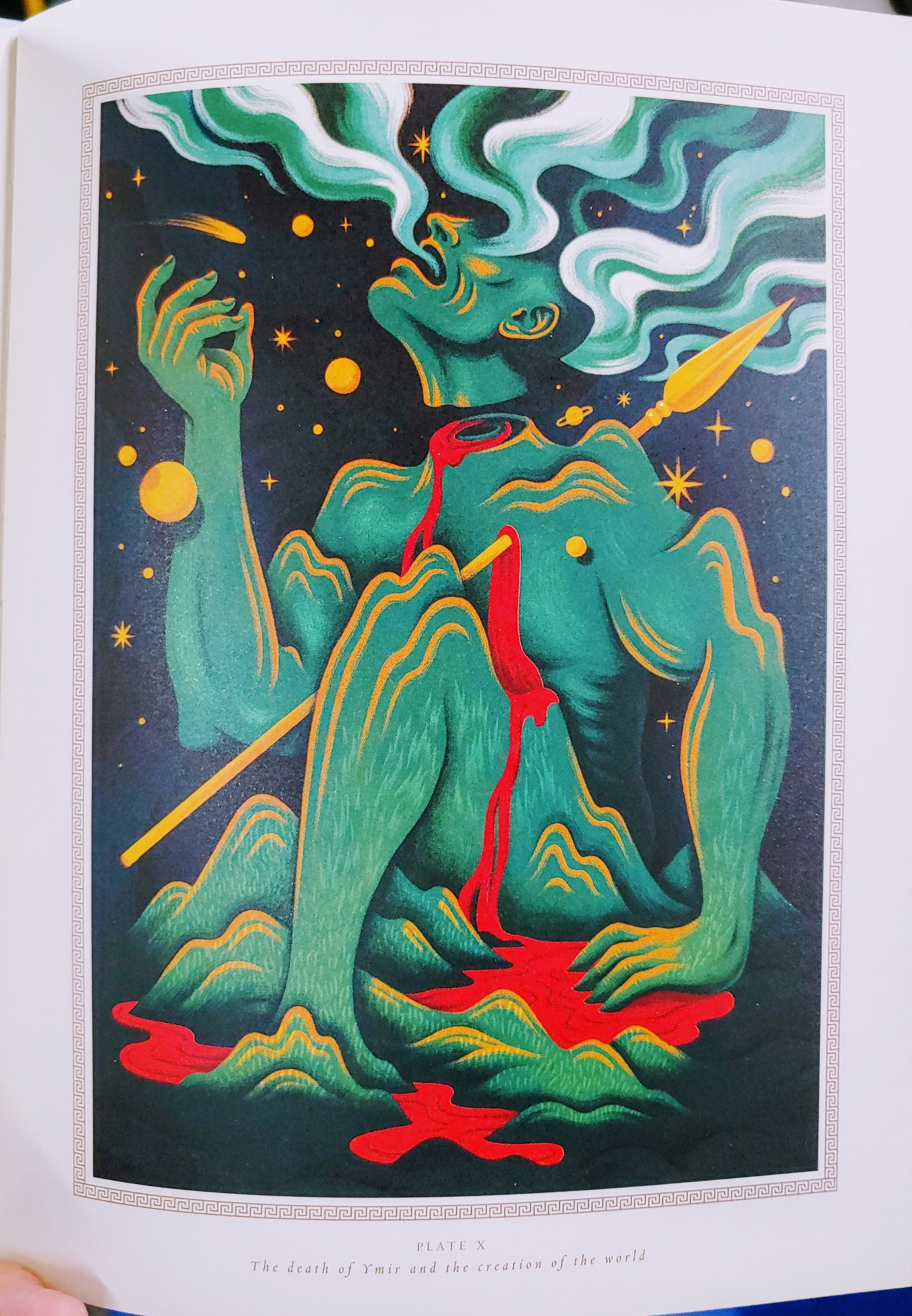
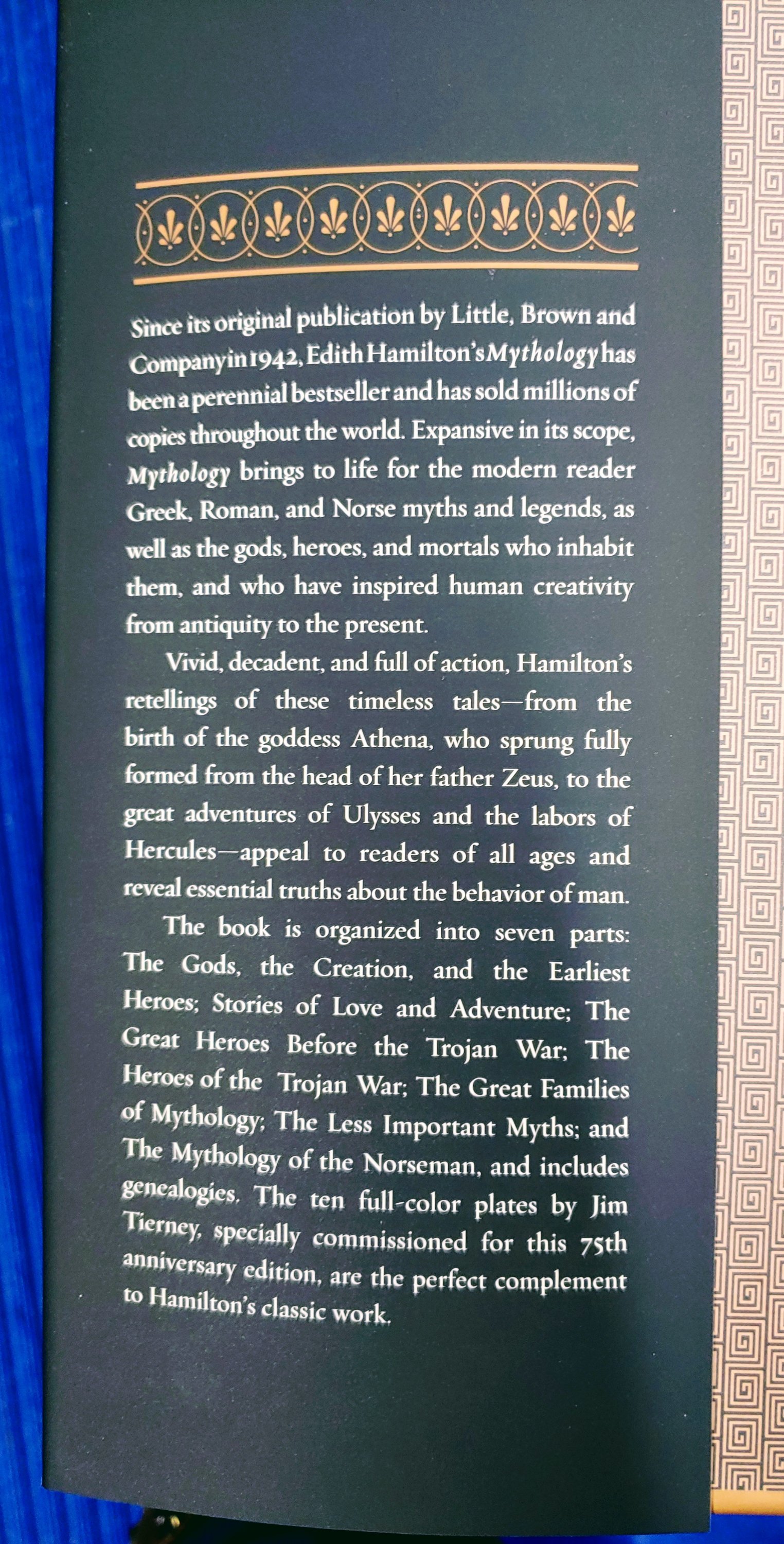
Mythology

Many Tarot correspondences relate to myths, gods, and legends. I’m reading this to come to a better understanding of the ancient myths for a richer Tarot experience. I’m very excited about this beautiful book.

Greek and Roman mythology is quite generally supposed to show us the way the human race thought and felt untold ages ago. Through it, according to this view, we can retrace the path from civilized man who lives so far from nature, to man who lived in close companionship with nature; and the real interest of the myths is that they lead us back to a time when the world was young and people had a connection with the earth, with the trees and seas and flowers and hills, unlike anything we ourselves can feel.

Edith Hamilton

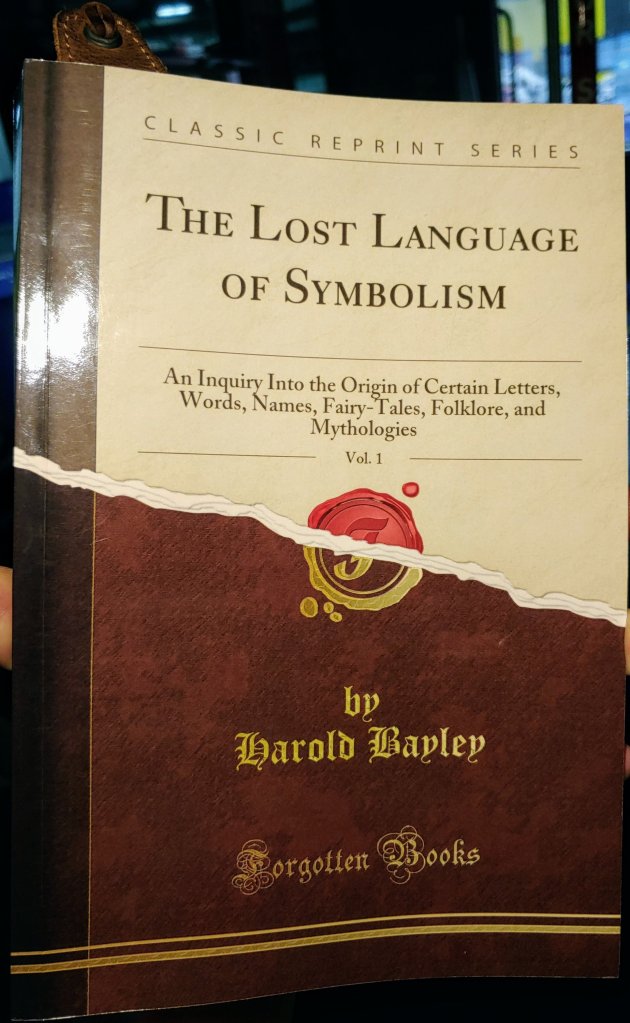
The Lost Language of Symbolism

I’m trying to absorb as much as I can about the language of Symbolism to aid in my understanding of the Tarot.

Although etymologists are agreed that language is fossil poetry and that the creation of every word was originally a poem embodying a bold metaphor or a bright conception, it is quite unrealised how close and intimate relation exists between symbolism and philology.

Harold Bayley

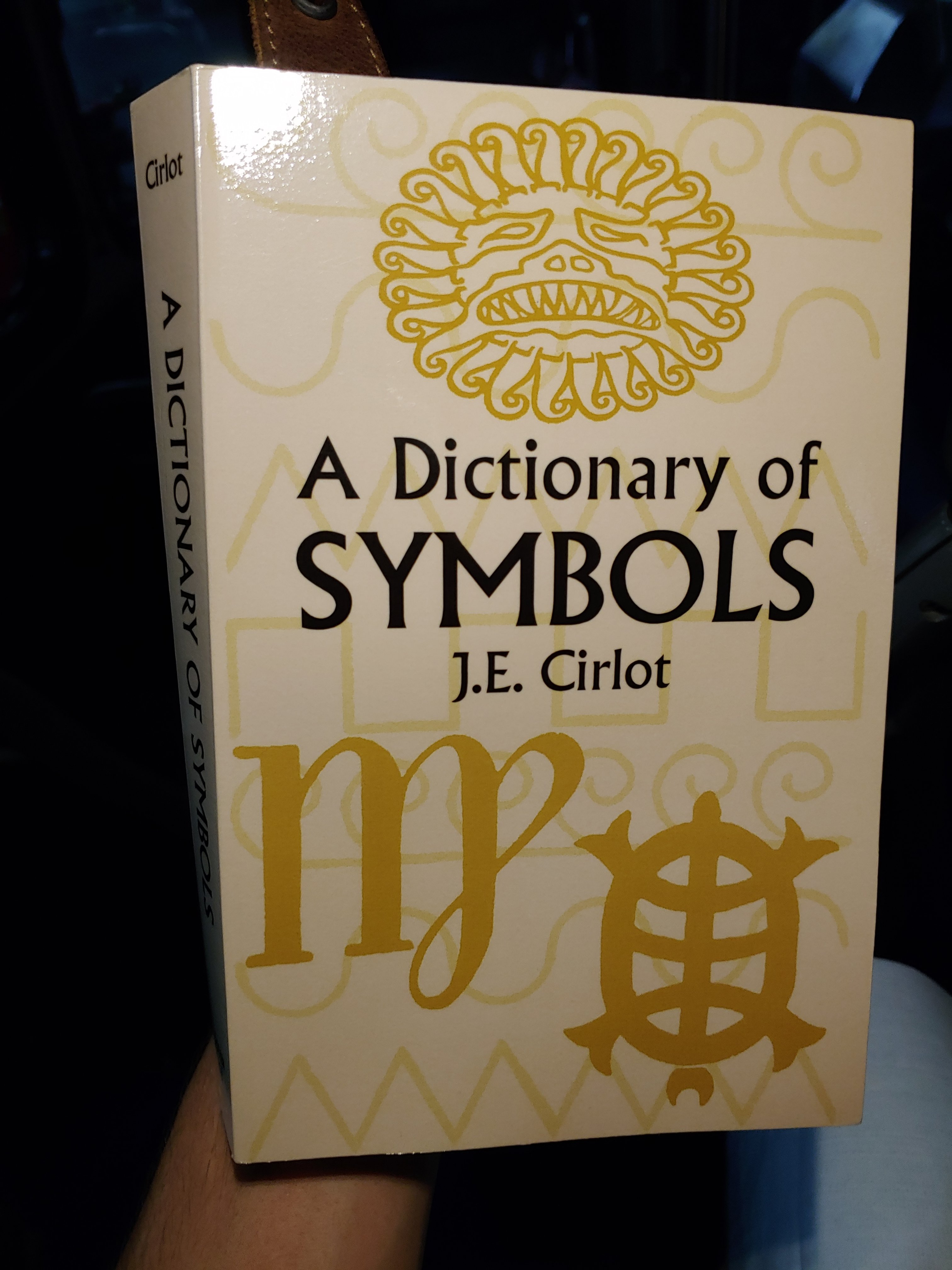
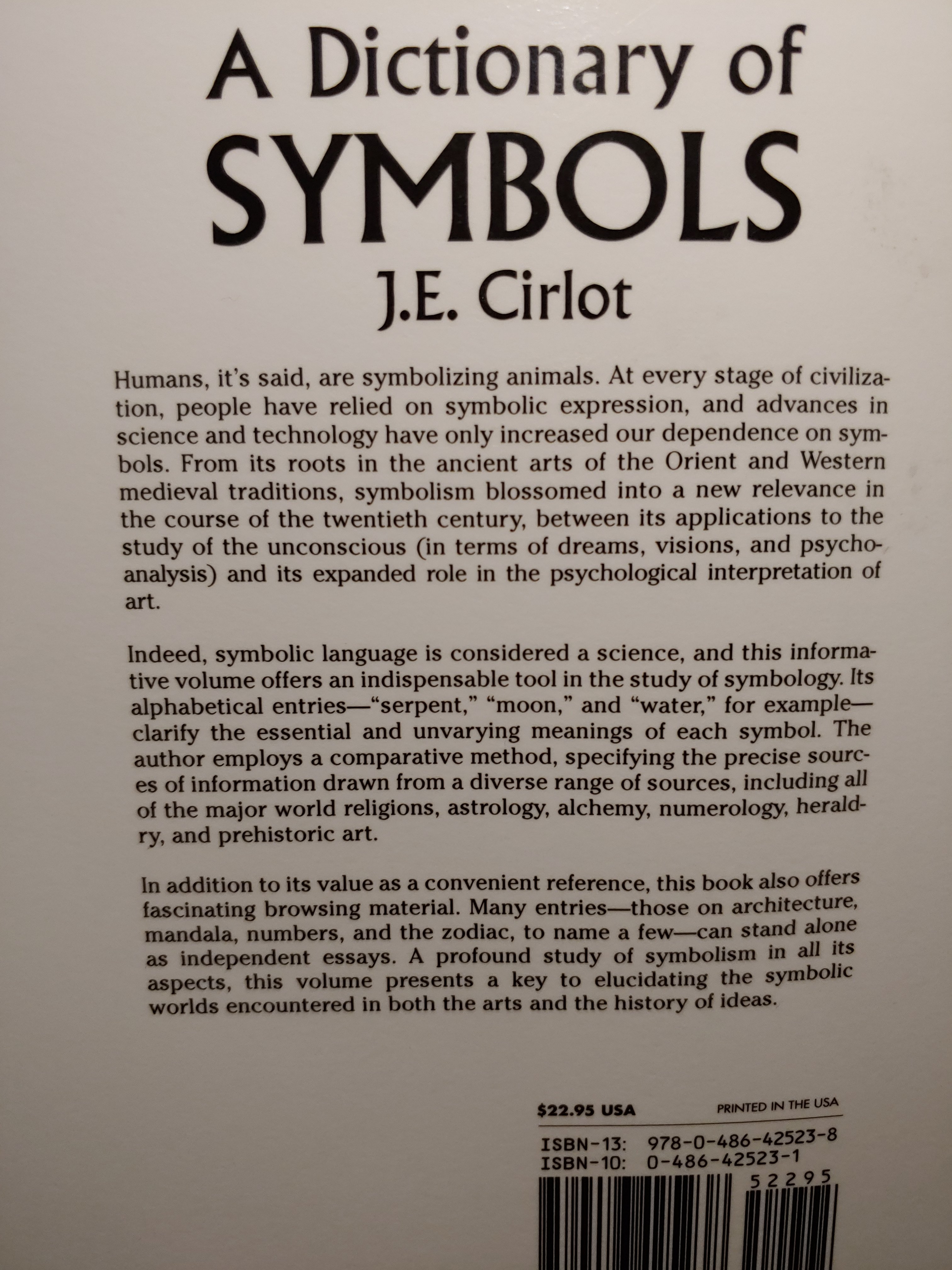
A Dictionary of Symbols

Man, it has been said, its a symbolizing animal; it is evident that at no stage in the development of civilization has man been able to dispense with symbols. Science and technology have not freed man from his dependence on symbols: indeed, it may be argued that they have increased his need for them. In any case, symbology itself is now a science, and this volume is a necessary instrument in its study.

Herbert Read

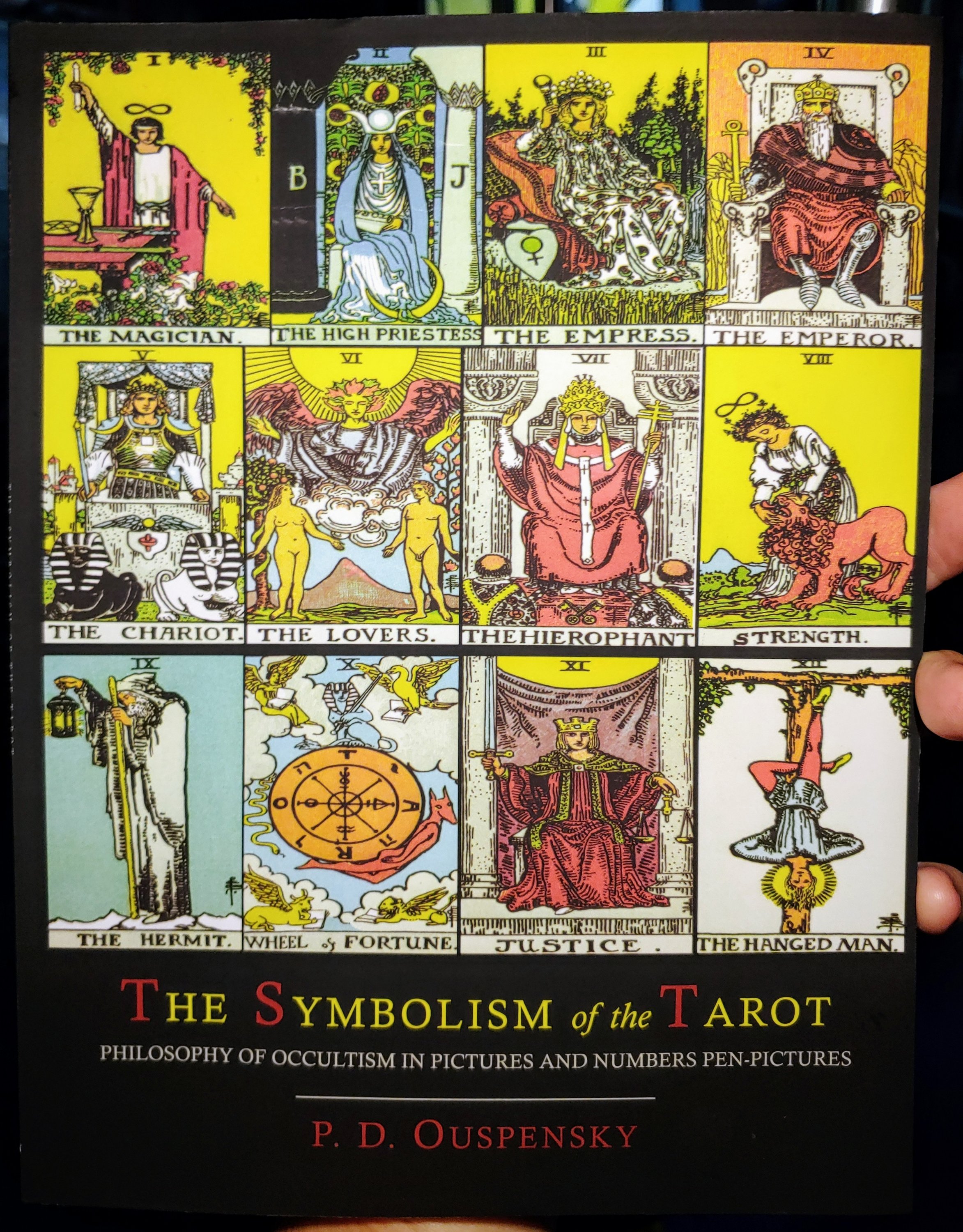
Philosophy of Occultism in Pictures & Numbers

No study of Occult Philosophy is possible without an acquaintance with symbolism…. Symbolism cannot be learned as one learns to build bridges or speak a foreign language, and for the interpretation of symbols a special cast of mind is necessary; in addition to knowledge, special faculties, the power of creative thought and developed imagination are required.

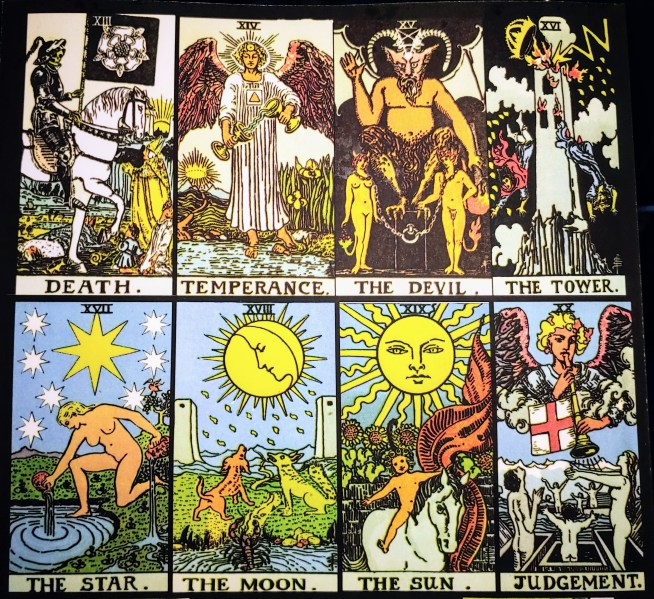
In order to become acquainted with the tarot, it is necessary to understand the basic ideas of Kabala and of Alchemy. For it represents, as, indeed, many commentators of the tarot think, a summary of the Hermetic Sciences – the Kabala, Alchemy, Astrology, Magic, with their different divisions. All these sciences really represent one system of a very broad and deep psychological investigation of the nature of man in his relation to the world of noumena (God, the world of spirit) and to the world of phenomena (the visible physical world).

The letters of the Hebrew alphabet and the various allegories of the Kabala, the names of metals, acids and salts in Alchemy; of planets and constellations in Astrology; of good and evil spirits in Magic – all these were only means to veil truth from the uninitiated

P.D. Oupensky

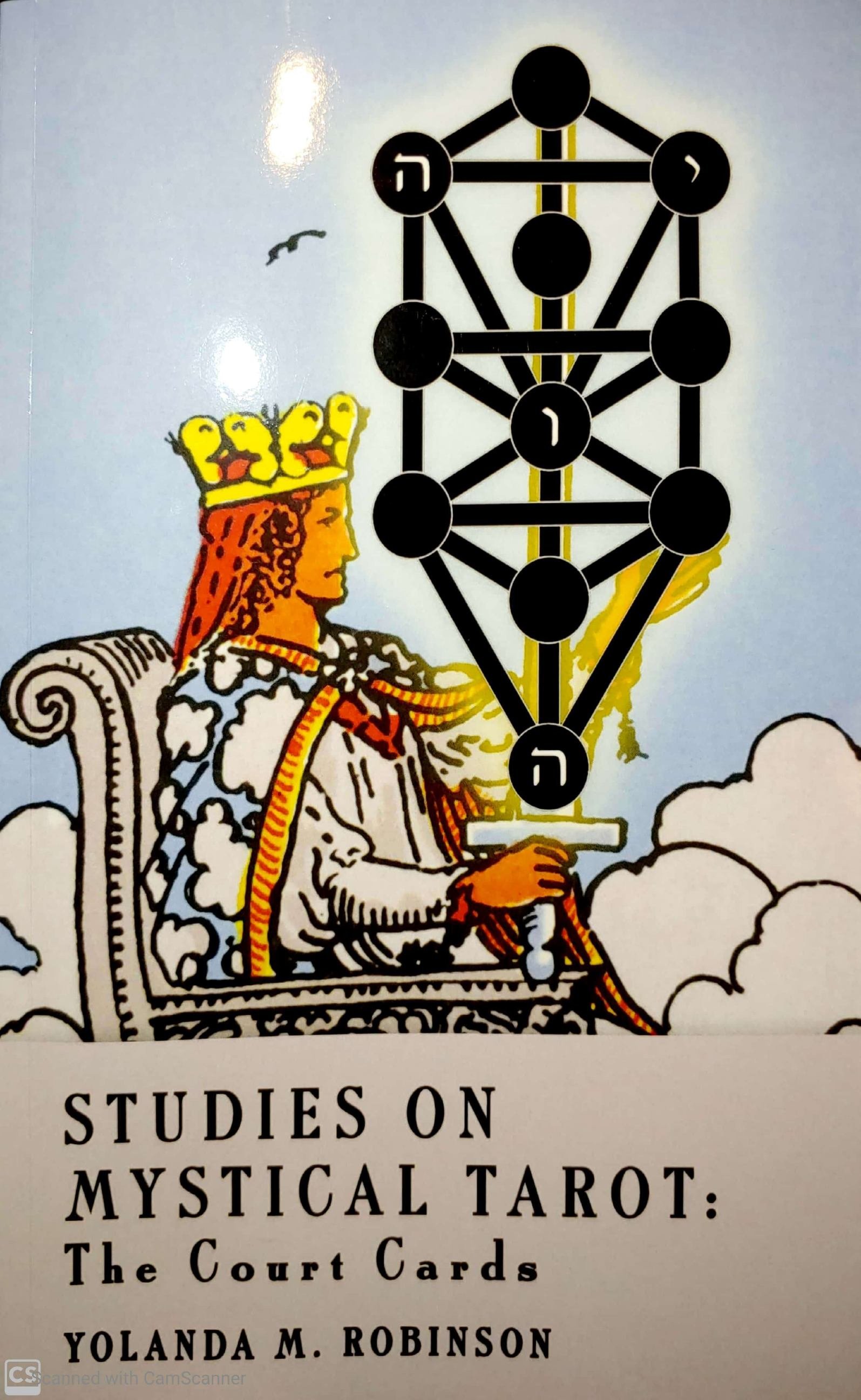
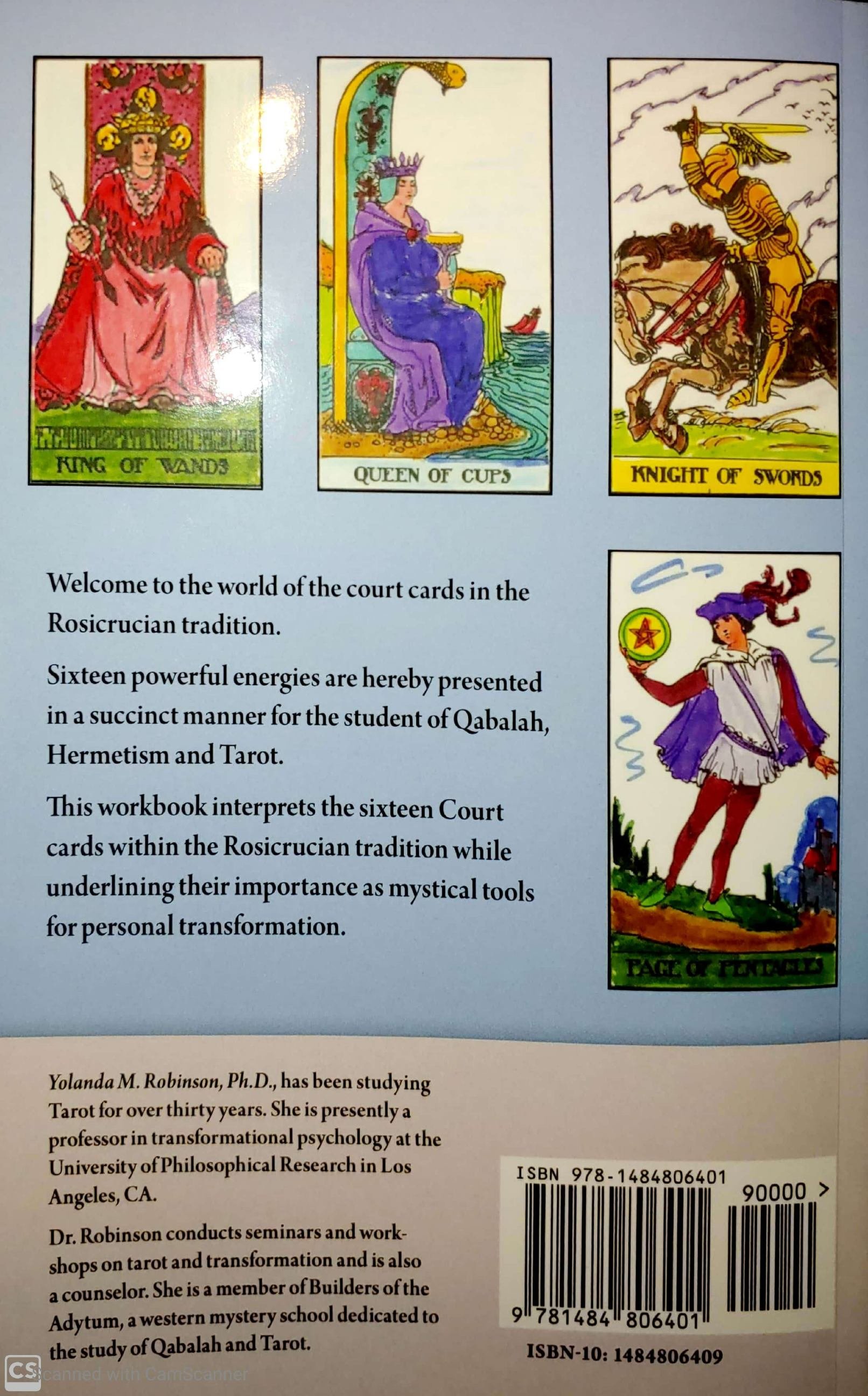
Mystical Tarot

Once we step outside the box of gathered expectations stemming from superstitious gypsy tales, exploitation movies, and carnie psychic fairs, we realize is that Tarot is more than just another fortune-telling device. There’s something alluring, mysterious about this pack of 78 cards. We need to access their wisdom carefully, allow the cards to speak to us and connect to soul. Every single card in Tarot can act as a gate for us to discover a hidden part of our own self. But this is a process that requires time, patience, and humility.

We live in an ever-increasing complex world. Yeah, our ability to understand the world around us depends on how we understand ourselves. Self-awareness leads to self knowledge. Self knowledge helps us understand others better. We are all in this together.

Serious academic study of Tarot is just beginning and it is revealing to us the influence exerted by a hieroglyphic, emblematic and miniature art; the role played by Cabala, the Art of Memory, and the Picaresque novel, Troubadours and Chansons de Geste, to name just a few. Literature begets literature, art begets art; and human consciousness expands and adapts and adopts accordingly. Nothing is ever forgotten, it is all in the reservoir of the collective unconscious.

Yolonda M. Robinson

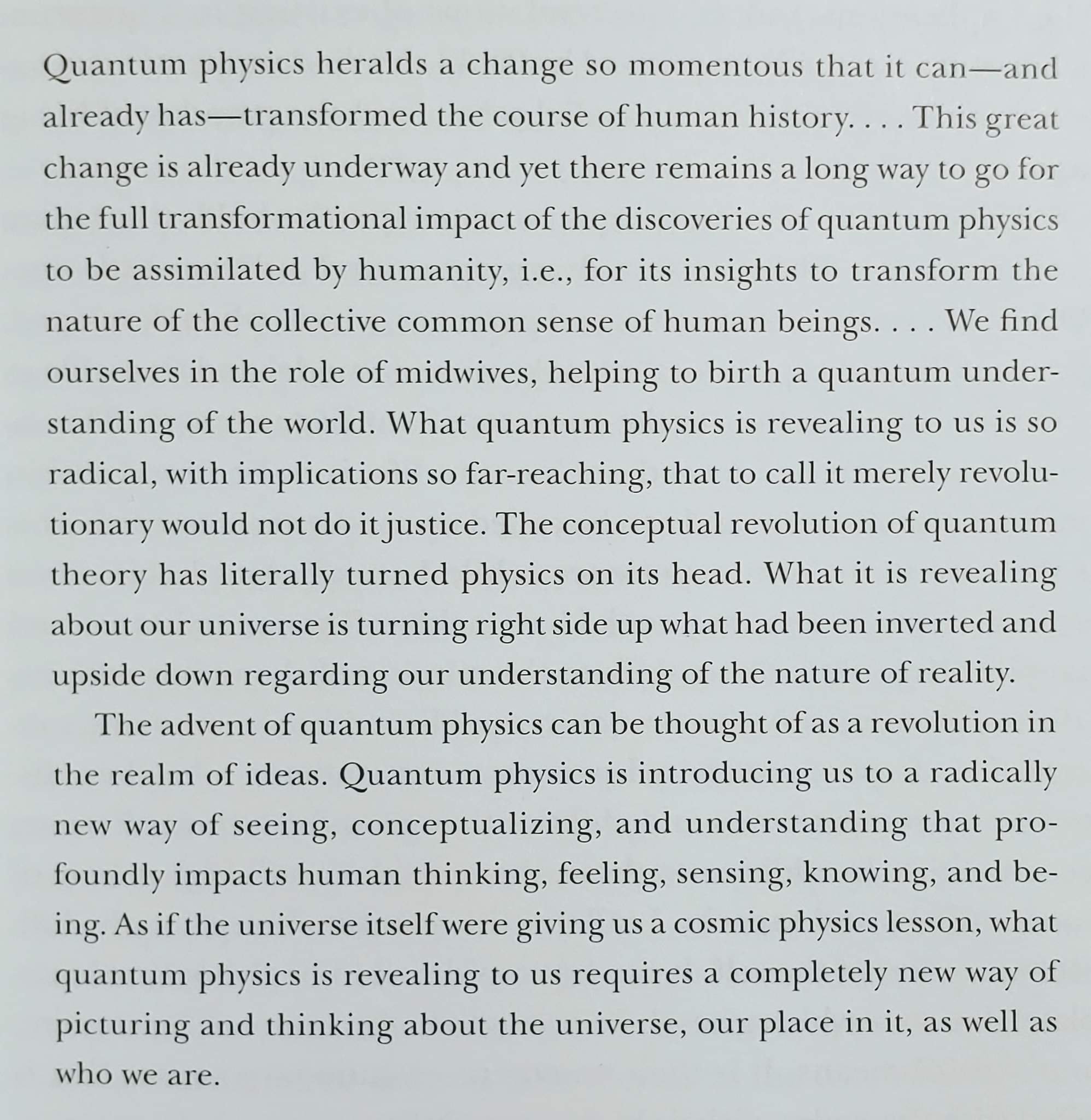
The Quantum Revelation

Pretty much sums up what I enjoy studying – a synthesis of science and spirituality – and in the case of the quantum the two cannot be separated. Quantum physics verifies what mystics and esoteric teachings have thought about our consiousness and reality for centuries, before even a “real” science existed. Ideas that came to these thinkers in altered states of consciousness. Such things like how consciousness isn’t local to the brain, that we are all connected by consiousness – both humans and object – how our perception and beliefs actually take part in creating the objective world around us, and that we are indeed a microcosm of the macrocosm.

Mutability

The purpose of physics has always been seen as a search for the fundamental laws of the universe. Commenting on what quantum physics tells us about the laws of physics John Wheeler states “There is no law except the law that there is no law”. This is to say that the laws of physics are malleable, mutating in tune with the universe they support, in the same way living organisms mutate. “Every law can be transcended”. He means that nothing is absolute, nothing is so fundamental that it cannot change under certain circumstances and this includes the very laws of the universe.

Quantum is also considered a reflection of our being, our minds into the universe. Something I took away from all that is if the very nature of the universe is as such then we as humans shouldn’t be so reluctant to change; whether its an opinion we hold, old habits, our thoughts, etc. as mutability is the very underpinning of who and what we are along with the cosmos around us.

Divine Decan

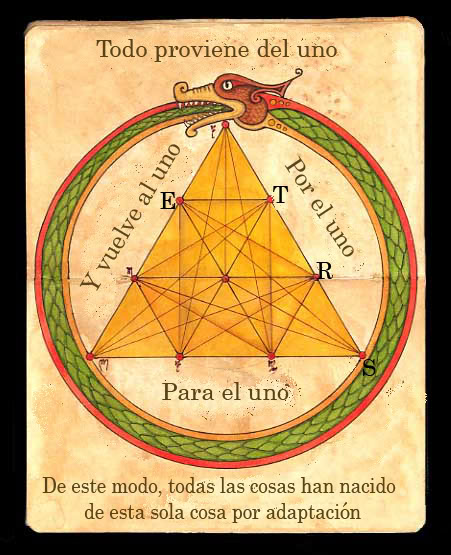
Since the numerical terms after 10 are simply outgrowths of the decad and since, “clearly and indisputably,” the ordered and the finite take precedence over the unlimited and infinite, it follows thata thorough analysis of the properties of the first ten numbers will reveal not only the whole nature of numbers, but also the pattern of the universe as it exists in the mind of God.

Vincent Hopper

Medieval Number Symbolism

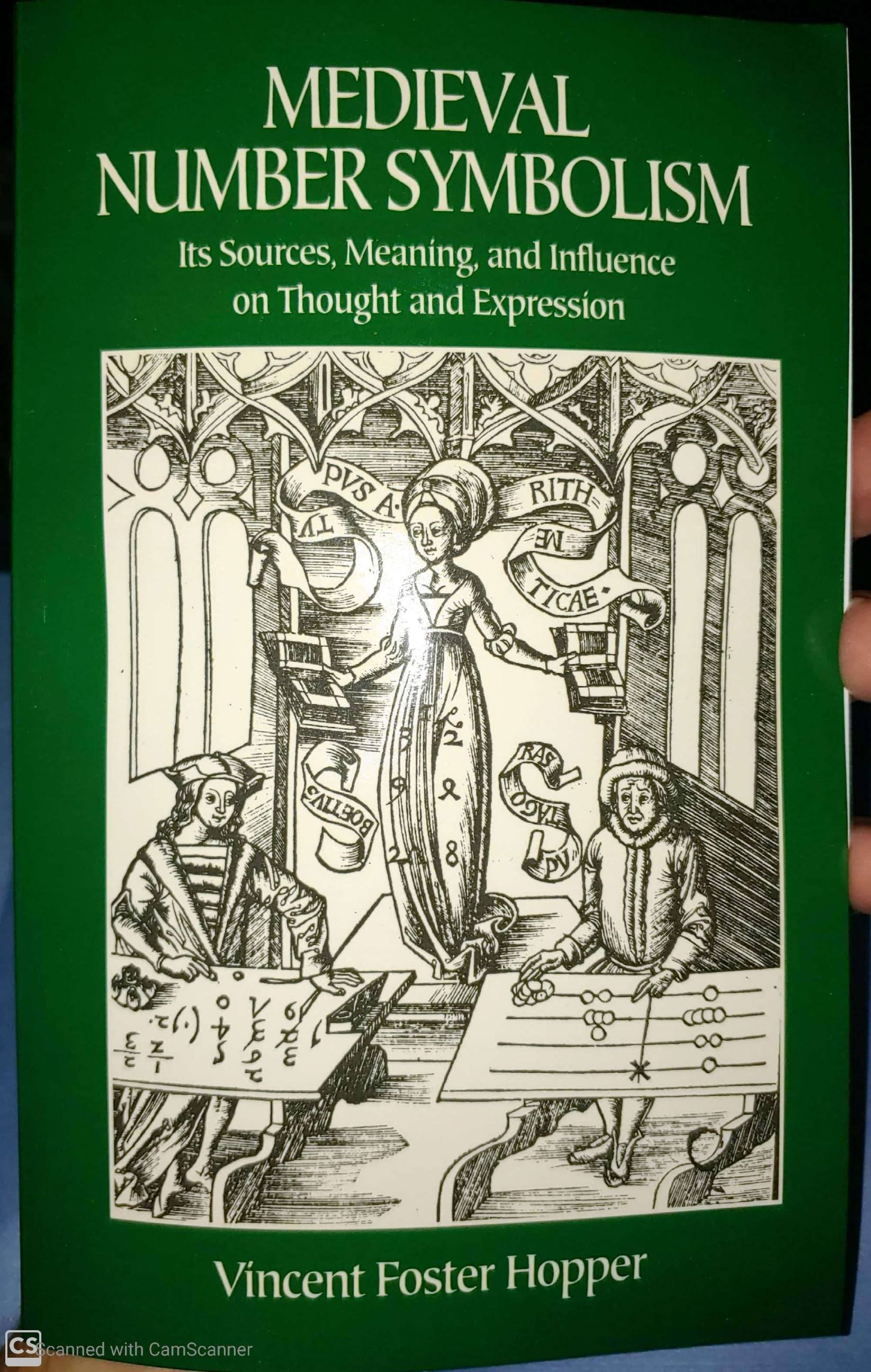
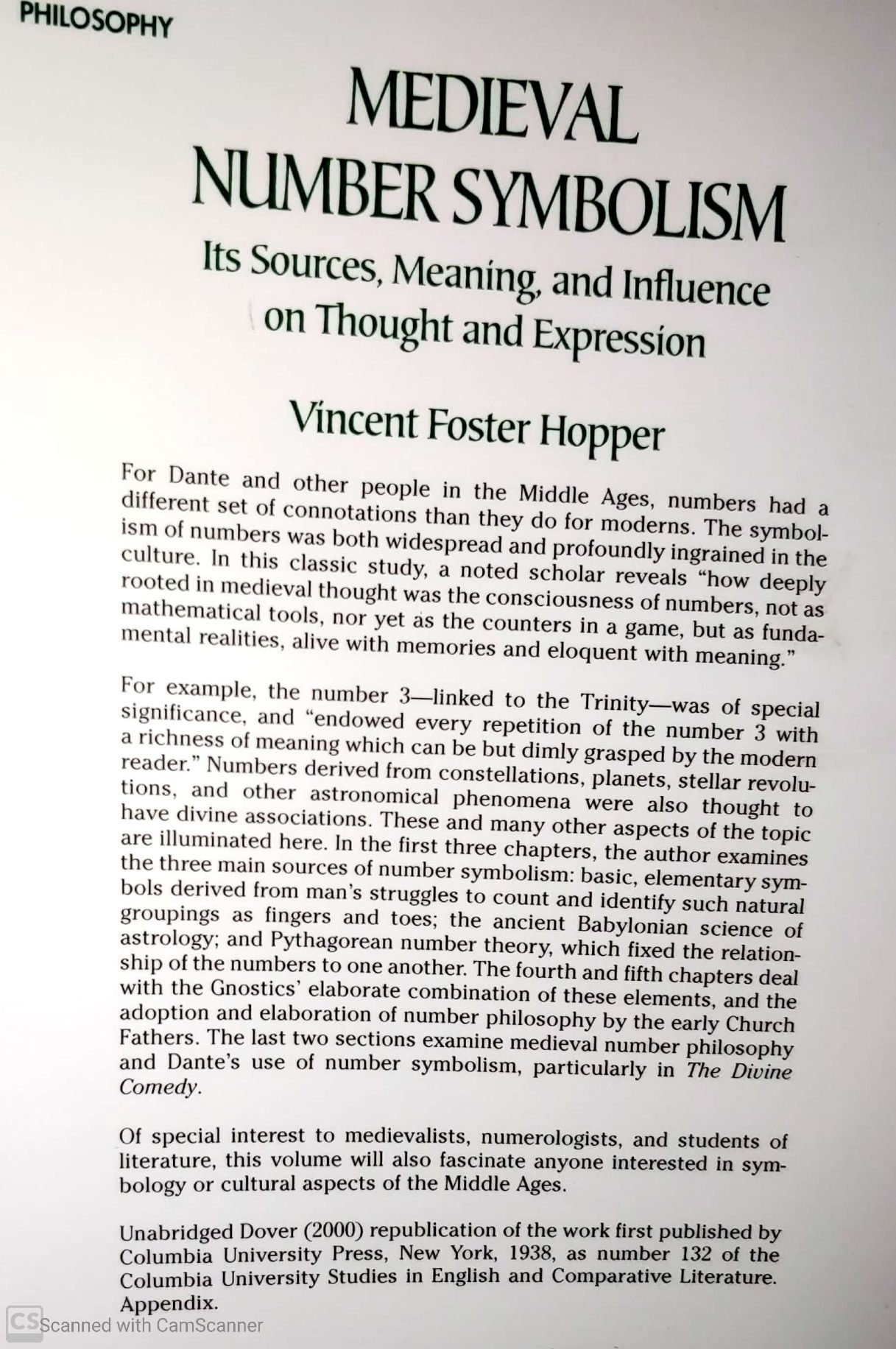
I got this book to help me better understand number symbolism – the philosophy and relationship of numbers to themselves and to the cosmos – to apply this knowledge to the use of Tarot.

… medieval number philosophy, which often appears as sheer nonsense or at best as the product of extraordinarily confused thinking, is explicable only by reference to its origins. … It is the purpose of this study to reveal how deeply rooted in medieval thought was the conciousness of numbers, not as mathematical tools, nor yet as the counters in a game, but as fundamental realities, alive with memories and eloquent with meaning. … An important result of these studies has been to reveal in the medieval mind a web like structure of abstract ideas and concrete realities so closely interwoven and interdependent that no serious gap was felt to exist between them.

Vincent Hopper