Mysticism escapes from the illusion of history. It frees the mind from its most natural inclination, which is to approach events from the outside. The mind seeks to possess facts by accumulating them and storing them away for future reference. Having arranged them chronologically in the filing system of memory, it considers itself to be well-informed. The heart has no time for such classification. It bridges intervals of time and quality by an instinctive appraisal of values. Mysticism in this way accepts history only as a dated record recording eternal verities. The records of nations are long accounts of hates, fears, hopes, dreams, and intense allegiances. All the manifestations of human instincts may be divided and arranged chronologically, the instincts themselves are not susceptible to such organization. Scriptural writings are important because they re state ever-present emergencies. The heart accepts the lesson, but rejects the historical framework. It gathers all doctrines into an eternal now and experiences them as an immediate impact. In this way the old becomes immanent and can be experienced and thereby known in the spirit rather than in the letter
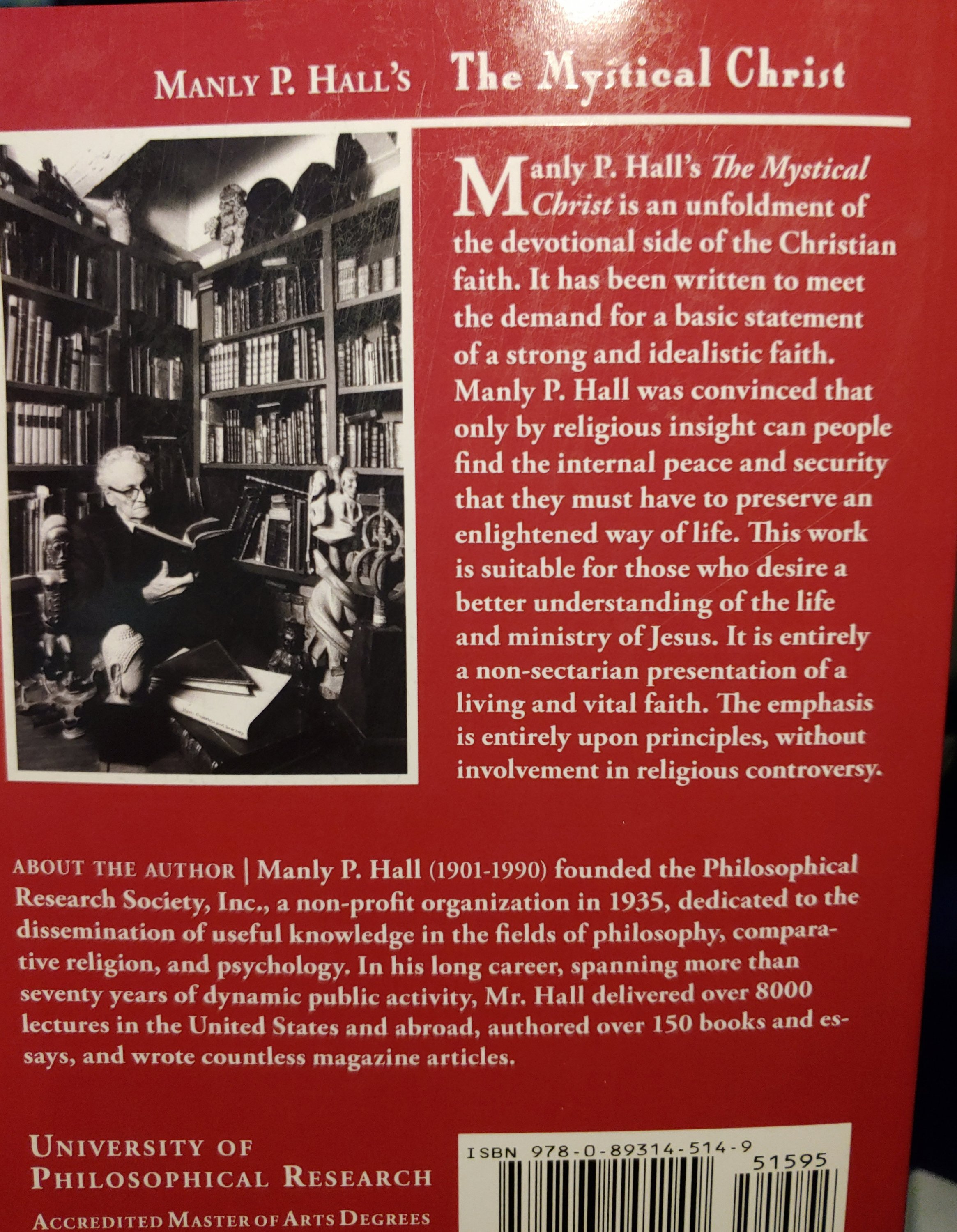
Manly P. Hall
Mystic Illumination
 ErudiTarot