Heaven of the Wise, A Divine Science

Materialism is a comparatively modern invention of the human mind. Materialism not only ignores but actually denies the metaphysical factor in thought and action.

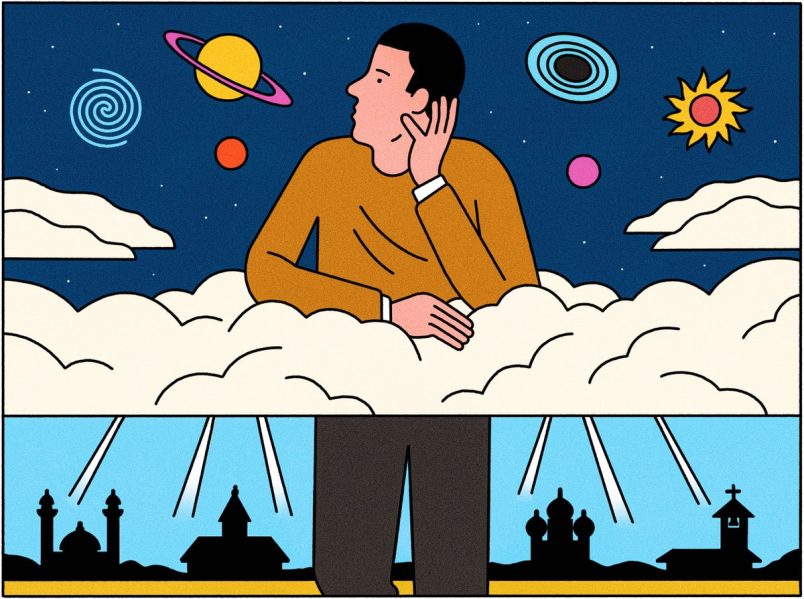
Man has exiled himself from the empire of Space and is satisfied to live without wisdom and die without hope. One of the primary functions of metaphysics is to incline the human reason towards an intelligent consideration of man’s place in divine plan. Metaphysics seeks to establish a closer harmony between divine will and human action.

Metaphysics does not infer blind faith, or the unquestioned worship of unknown gods, but rather seeks to establish a rational sympathy between heaven and earth, a conscious and intelligent cooperation between man and the laws that govern him.

A philosophical definition of heaven, as distinct from the modern theology’s concept, may result in a better understanding of spiritual factors. Theologies, blinded by their jot and title creeds, have come to regard heaven as a place, distant and formal, populated by a spiritual genus, and ruled over by a capricious anthropomorphic deity. This celestial despotism exists nowhere except in the imagination of the unenlightened.

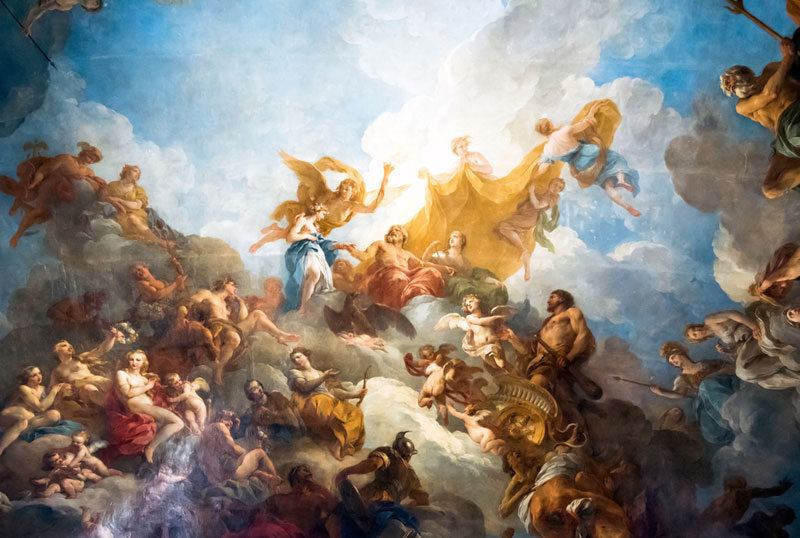
The heaven of the wise is Space itself – an immeasurable empire extending throughout the uttermost extremities of Being. It is the empire of universal life, established upon the immovable foundations of existence. It is populated by a myriad of principals – luminous energies, as the ancient called them; gods, as it were known to the pagans.

Heaven is the empire of truth and fact. He who abides and truth and according to fact, abides in the celestial world. He who lives in his opinions and conceits, is exiled to the outer darkness.

Hermes said the law of analogy was the priceless key to divine mysteries. With the aid of this law the ancient philosophers explored the heavenly world, creating a divine science which they preserved in their temples, imparting its elements only to those whom they regarded as worthy of so noble a learning.

Manly P. Hall

Sterilized Christianity – Alchemist Redemption

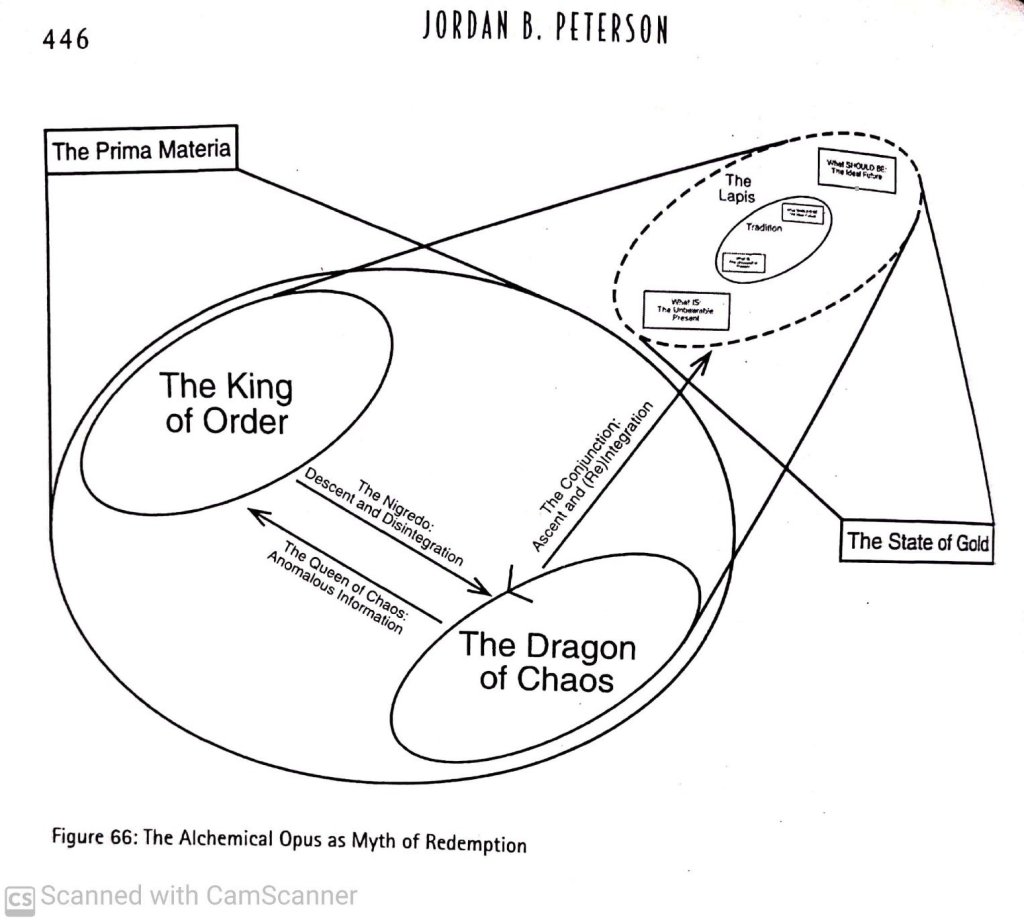
This final value, the goal of the pursuit of the alchemist, is discovery and embodiment of the meaning of life itself: integrated subjective being actively expressing its nature through manipulation of the possibilities inherent in the material / unknown world. This final goal is the production of an integrated intrapsychic condition – identical to that of the mythological hero – “acted out” in a world regarded as equivalent to self. Production of this condition – the lapis philosophorum – constitutes the antidote for the “corruption of the world,” attendant upon the Fall [attendant upon the emergence of “partial” self-consciousness.] The lapis is “agent of transformation,” equivalent to the mythological redemptive hero – able to turn “base metals into gold.” It is, as such, something more valuable than gold – just as the hero is more valuable than any of his concrete productions. The “complete” alchemical opus – with production of the lapis as goal – is presented schematically in figure 66.

Alchemy was a living myth: the myth of the individual man as redeemer. Organized Christianity had “sterilized itself,” so to speak, by insisting on the worship of some external truth as the means to salvation. The Alchemist (re)discovered the error of this presumption, and came to realize that identification with the redeemer was in fact necessary, not his worship; that myths of redemption had true power when they were incorporated, and acted out, rather than believed, in some abstract sense. This meant: to say that Christ was “the greatest man in history” – a combination of the divine and mortal – was not sufficient expression of faith. Sufficient expression meant the attempt to live out the myth of the hero, within the confines of individual personality – to voluntarily shoulder the cross of existence, to “unite the opposites” within a single breast, and to serve as active conscious mediator between the eternal generative forces of known and unknown.

Jordan Peterson

The Holy Pilgrimage

The unknown is contaminated with the psychoanalytic “unconscious,” so to speak, because everything we do not know about ourselves, and everything we have experienced and assimilated but not accommodated to, has the same affective status as everything that exists nearly as potential. All thoughts and impulses we avoid or supress, because they threaten our self conception or notion of the world – and all fantasies we experience, but do not admit to – exist in the same domain as chaos, the mother of all things, and serve to undermine our faith in our most vital presumptions. The encounter with the “unknown,” therefore, is simultaneously encounter with those aspects of ourselves heretofor defined as other (despite their indisputable “existence”). This integration means making behavioral potentialities previously disregarded available for conscious use; means (re)construction of the self model that accurately represents such potential.

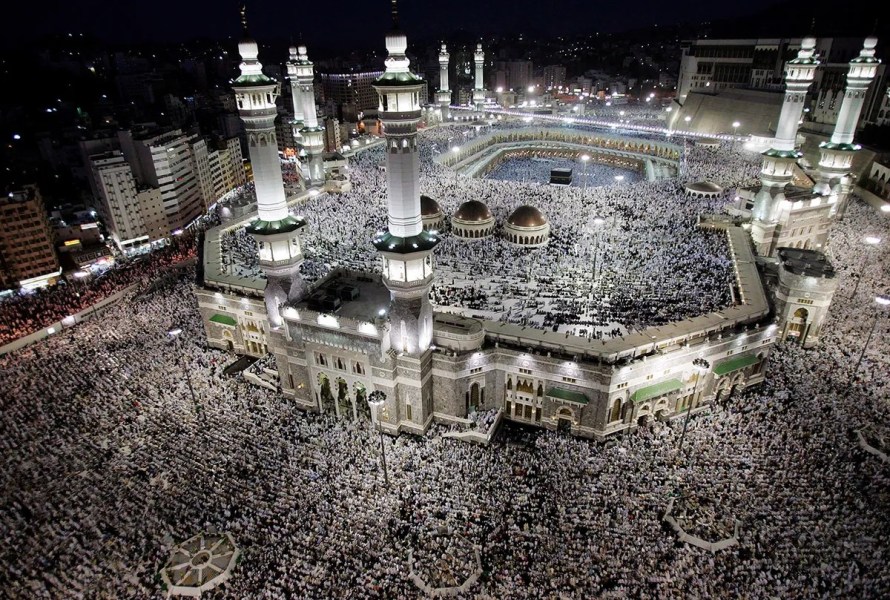
The ritual of pilgrimage – the “journey to the holy city” – constitutes half ritual, half dramatic enactment of this idea. The pilgrim voluntarily places him or herself outside the protective walls of original culture and, through the difficult and demanding (actual) journey to the “unknown but holy lands,” catalyzes as psychological process of broadening, integration and maturation. It is in this manner that a true “quest” inevitably fullfills itself, even though its “final, impossible goal” (the Holy Grail, for example) may remain concretely unattained.

The necessity for experience as a precondition for wisdom may appear self-evident, once due consideration has been applied to the problem (since wisdom is obviously “derived” from experience) but the crux of the matter is that those elements of experience that foster denial or avoidance (and therefore remain unencountered or unprocessed) always border on the maddening. This is particularly true from the psychological, rather than ritual, perspective. The holy pilgrimage in its abstract or spiritual version is the journey through “elements” of experience and personal character that constitute the subjective world of experience (rather than the shared social and natural world). The inner world is divided into familiar and unknown territory, as much as the outer. Psychological purpose of the rite of passage adventure (and the reason for the popularity of such journeys, in actuality and in drama) is the development of character, in consequence of confrontation with the unknown. A “journey to the place that is most feared,” however, can be undertaken spiritually much as concretely. What “spiritually” means, however, in such a context, is a “peregrination” through the rejected, hated and violently suppressed aspects of personal experience. This is most literally a voyage to the land of the enemy – to the heart of darkness.

Jordan Peterson

Primordial Chaos

The totality of the world, which includes the significance of experienced things, as well as the things themselves, is composed of what has been explored and rendered familiar; what has yet to be encountered, and is therefore unpredictable; and the process that mediates between the two.

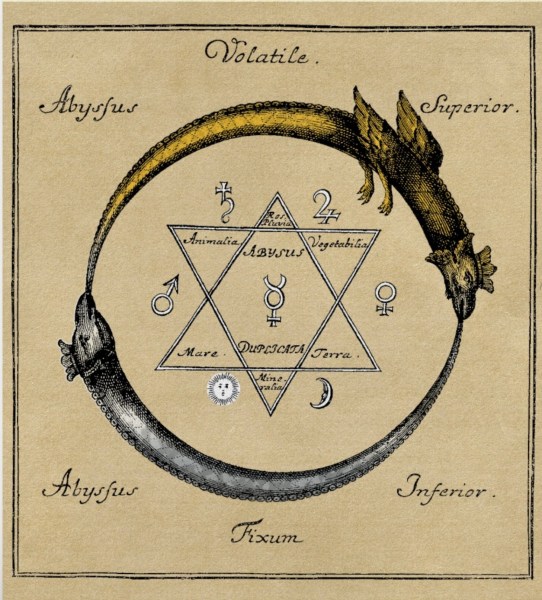
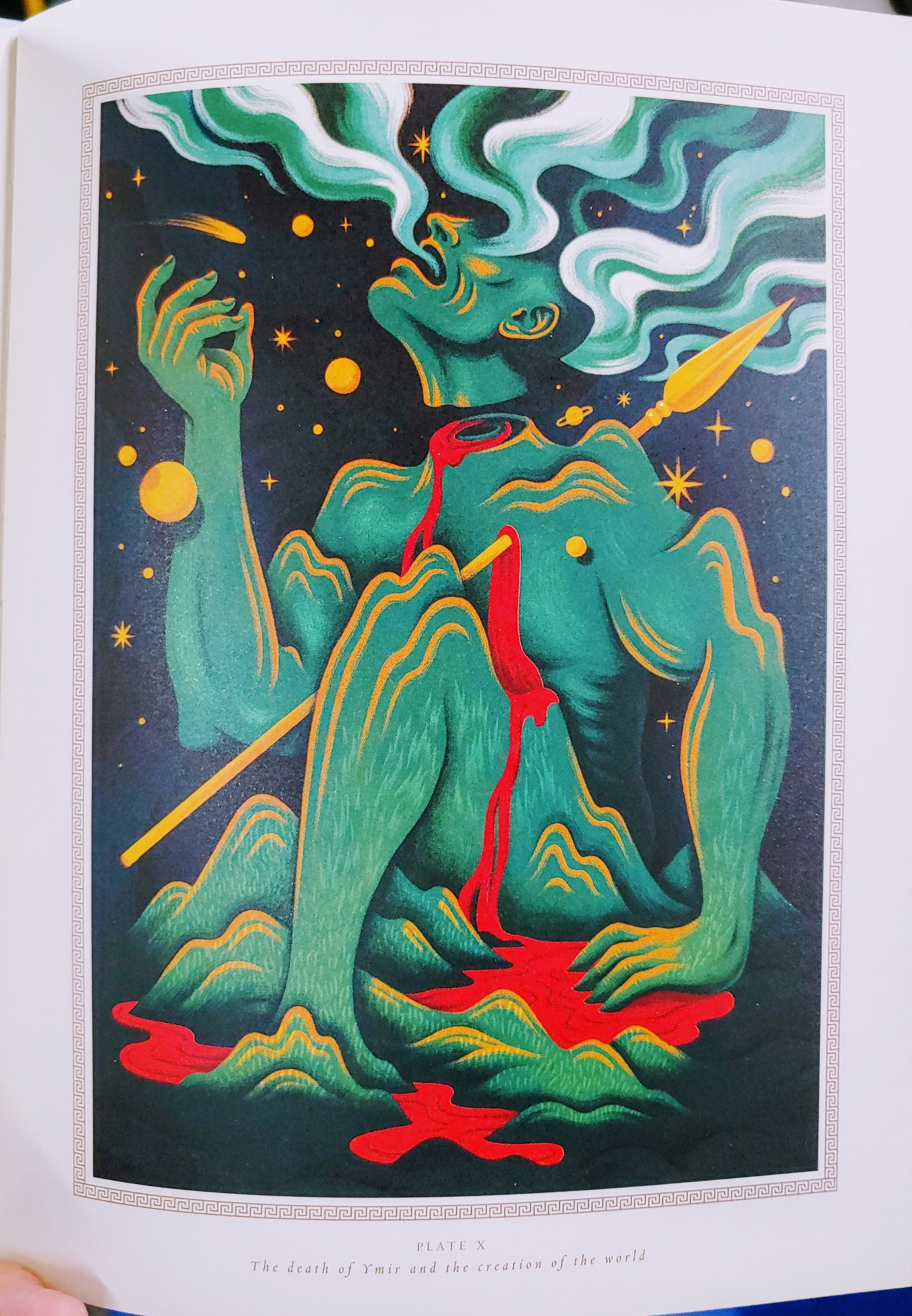
The primordial theriomorphic serpent god is endless potential; is whatever being is prior to the emergence of the capacity for experience. This potential has been represented as the self devouring dragon (most commonly) because this image aptly symbolizes the union of incommensurate opposites. Th ouroboros is simultaneously representative of two antithetical primordial elements. As a snake, the ouroboros is a creature of the ground, of matter; as a bird (a winged animal), it is a creature of the air, the sky, spirit. The ouroborus symbolizes the union of the known (associated with spirit) and unknown (associated with matter), explored and unexplored; symbolizes the juxtaposition of the “masculine” principles of security, tyranny and order with the “feminine” principles of darkness, dissolution, creativity and chaos.

Furthermore, as a snake, the ouroboros has the capacity to shed its skin – to be “reborn.” Thus, it also represents the possibility of transformation, and stands for the knower, who can transform chaos into order, and order into chaos. The Ouroboros stands for, or comprises, everything that is as of yet unencountered, prior to its differentiation as a consequence of active exploration and classification. It is a source of all information that makes up the determinant world of experience and is, simultaneously, the birthplace of the experiencing subject.

The ouroboros is one thing, as everything that has not yet been explored is one thing; it exists everywhere, and at all times. It is completely self-contained, completely self-referential: it feeds, fertilizes and engulfs itself. It unites the beginning and the end, being and becoming, in the endless circle of its existence. It serves as a symbol for the ground of reality itself. It is the “set of all things that not yet things,” the primal origin and ultimate point of return for every discriminable object and every independent subject. It serves as progenitor of all we know, all that we don’t know, and of the spirit that constitutes our capacity to know and not know. It is the mystery that constantly emerges when solutions to old problems cause new problems; is the sea of chaos surrounding man’s island of knowledge – and the source of that knowledge, as well. It is all new experience generated by time, which incessantly works to transform the temporarily predictable once again into the unknown. It has served mankind as the most ubiquitous and potent primordial gods.

Jordan Peterson

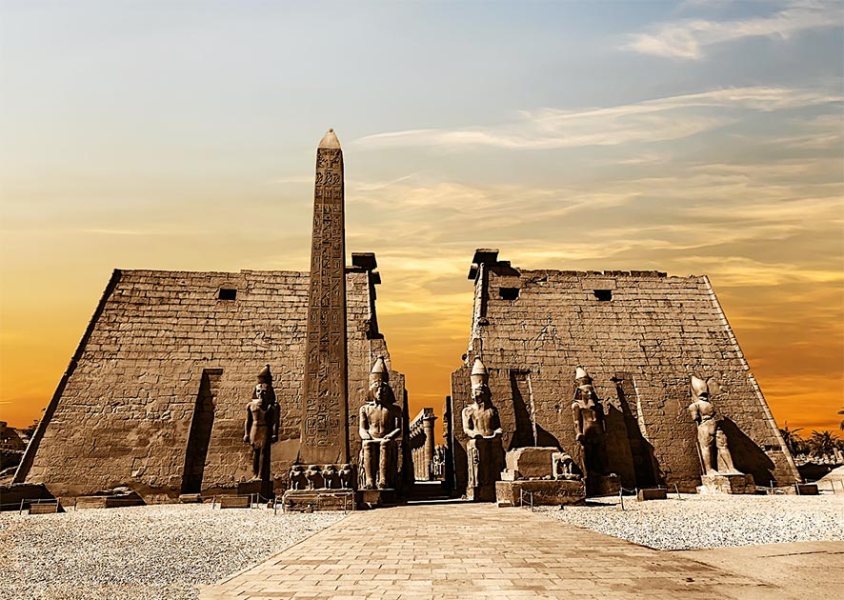
Temple Initiation

To truly enter the Temple a change in mind set must occur, this is sometimes referred to as “the process of initiation into the Mysteries” – the development of the intelligence of the heart – the Initiate must learn to focus on the inside rather than the outside and look beyond the visible to the invisible, to what lies beneath and the world within.


Its precisely the things we don’t see – we can’t see – that were the secrets of the Mystery schools. A sometimes difficult concept to grasp, it can require an adjustment in thinking and perception, as it focuses not on the physical, material world, but on its underlying causes. The great Mysteries concerned the invisible laws, forces, archetypes, and secret connections that are the building blocks – the invisible templates of our reality – and perhaps the roadmap to operating in higher realms as well.

Magical Egypt Episode 1

Occultism

The Occult, what is it? The only time I ever hear the term is in conspiracy videos when someone is referencing Satan/demon worship, human sacrifice, demonic rituals, and lately pedophilia. Or in the mainstream to talk about vampires or, again, satan worship. The term Occult is one of the most misunderstood and misrepresented words that people with zero knowledge of the Occult like to throw around to any ritualistic practice they deem evil. The Christian church has worked for millennia to distance themselves from the term, by using it to label anything spiritual they deem heretic and claiming none of their practices are of the occult, or have any occult origins. Their smear campaign has been so effective it is embedded into all of western thought in both religous and atheistic cirlcles.

The term is a bit vague so it can mean alot of different things, sort of like the term religion. So in simplist terms the occult as a noun is defined as: supernatural, mystical, or magical beliefs, practices, or phenomena and/or matters regarded as involving the action or influence of supernatural or supernormal powers or some secret knowledge of them. It is also used as an adjective, simply meaning: not revealed/secret, not easily apprehended/understood, not manifest or detectable by clinical methods alone, and used in astronomy/astrology to mean: hidden from view/concealed.

In none of that is occult defined as Satan worship, pedophilia, or blood rituals. If you were to define Christianity as Occult is being defined now, then Christianity would mean Jim Jones and kool-aid. Now to briefly address the word “magic”. Again, another totally loaded word that I could make another lengthy post out of, so I’ll define it as simply as possible (doing the word injustice) to not detract from this post. Magic for me is defined as: the means of infulencing/manipulating the subjective and objective world through the act of intention and concentrated will power.

So with these definitions in mind you can see how the Eucharist ritual (Christianity’s communion) is an Occult magic ritual. Many aspects of Christian belief, prayer and ritual/ceremony are of occult narure, utilizing ritual magic. So indeed many of your own beliefs are occult beliefs – whether you practice any religion or not – and are of occult nature/origin.
Native American (or any indigenous people) Shamans, Christian priests, Buddhist, Hindu, and the like prcatice occult arts.

Practically all of the philosophy I profess and all of the books I read are of the “occult”. Any spiritual leader prcatices occult arts. Tarot is occult, meditation and prayer can be ritualistic magic, anything from personal/private, all the way through to Freemason, and on up to Christian rituals are occult rituals.

So as you can see the “Occult” isn’t what you think it is and it is likely you have occult beliefs and practices. The people who throw the term around to call something foreign to them evil have, I’m sure, never truly investigated the occult, or the word wouldn’t be so stigmatized. Please use this to see the term occult as it truly is, just a loaded word that describes a “hidden” magical practice/belief that isn’t at all evil or sinister.
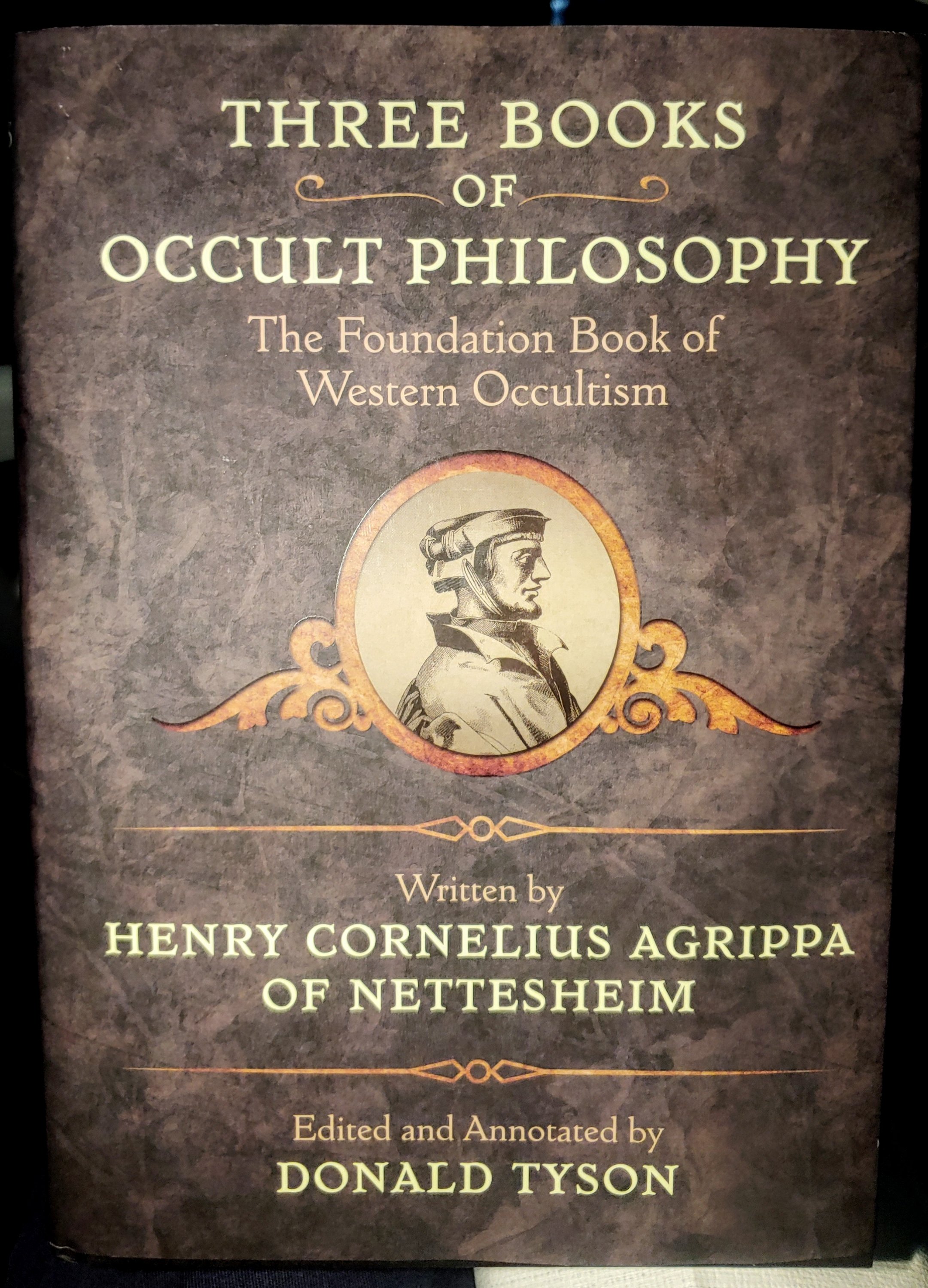
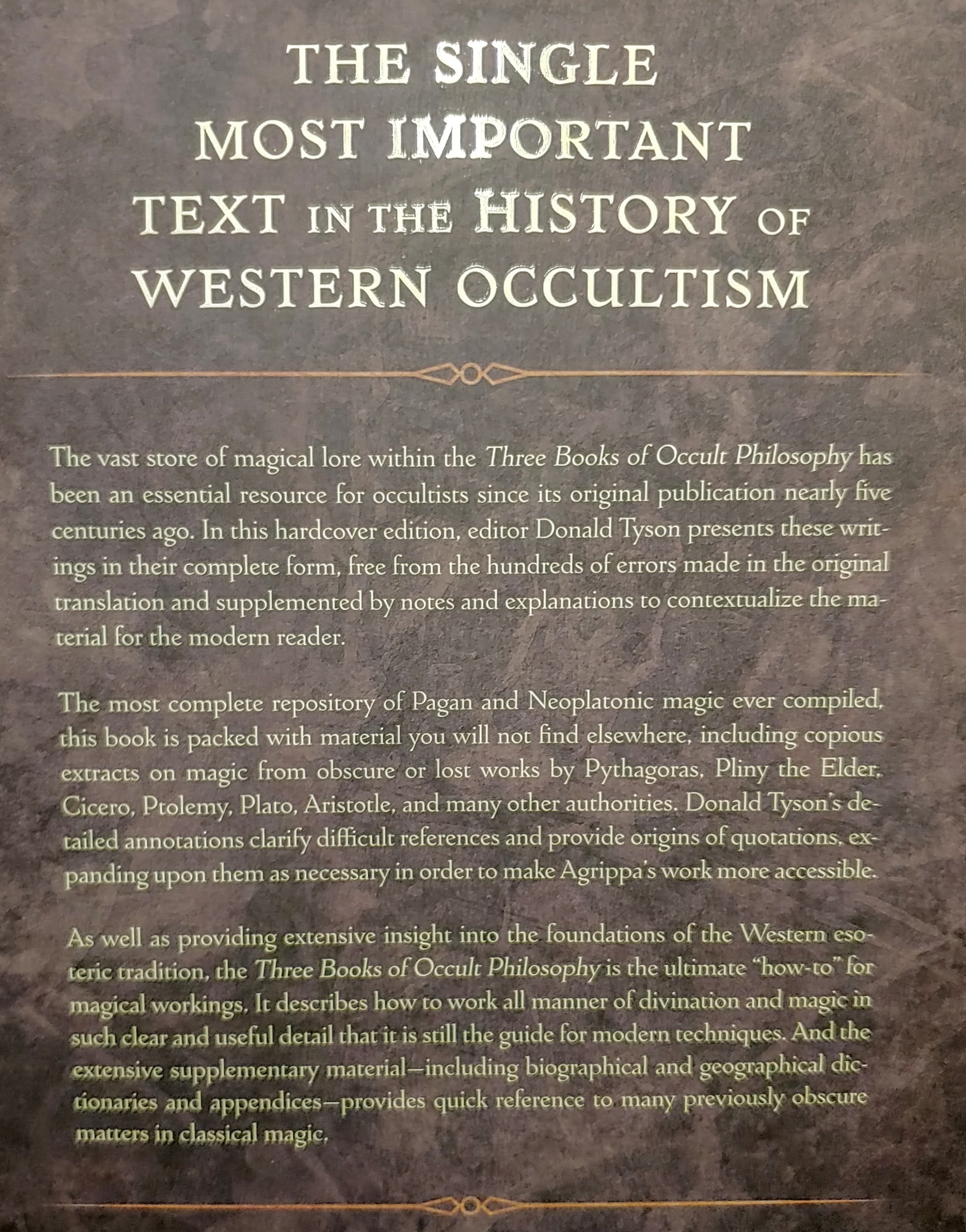
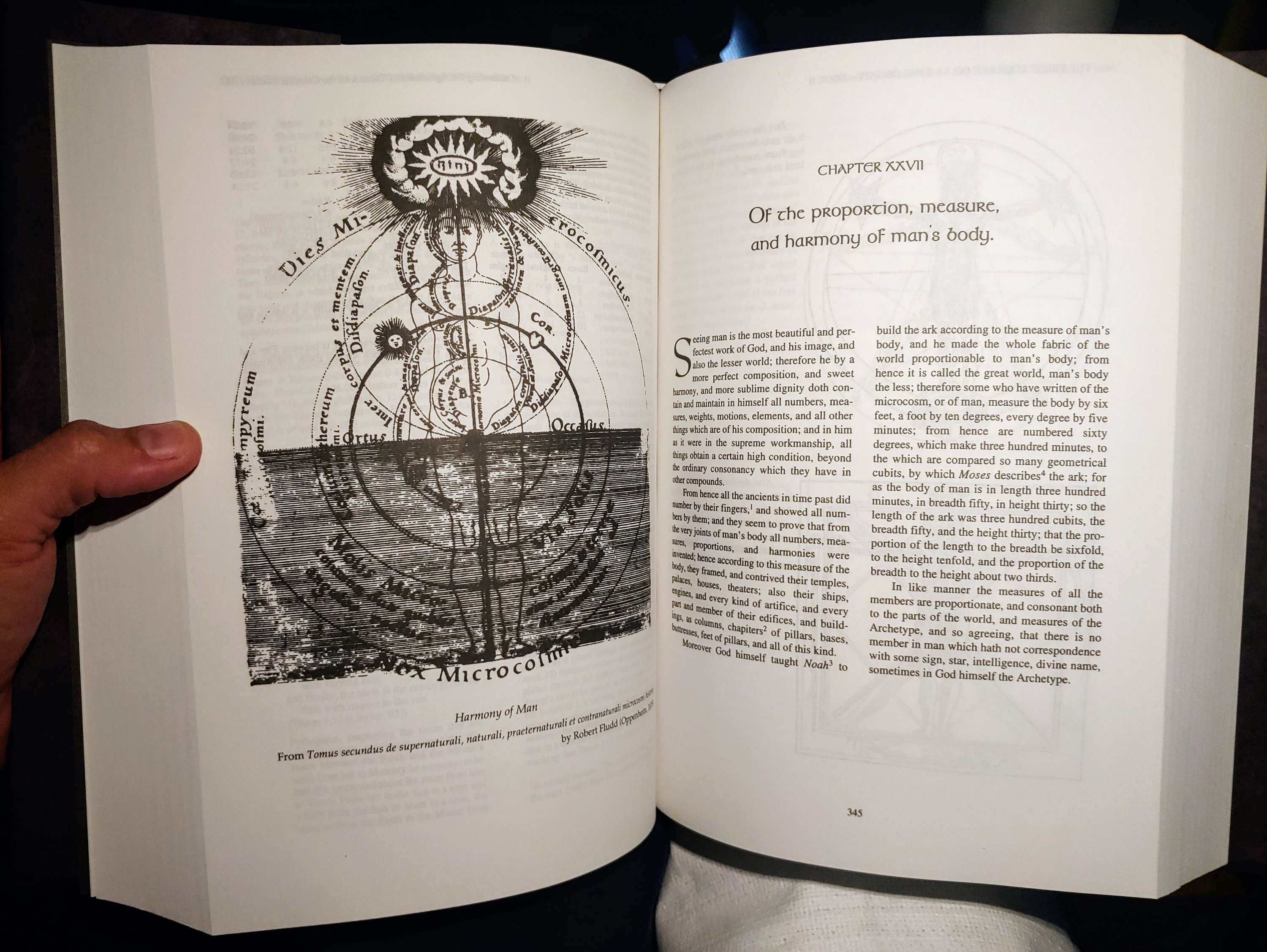
The Occultist Bible

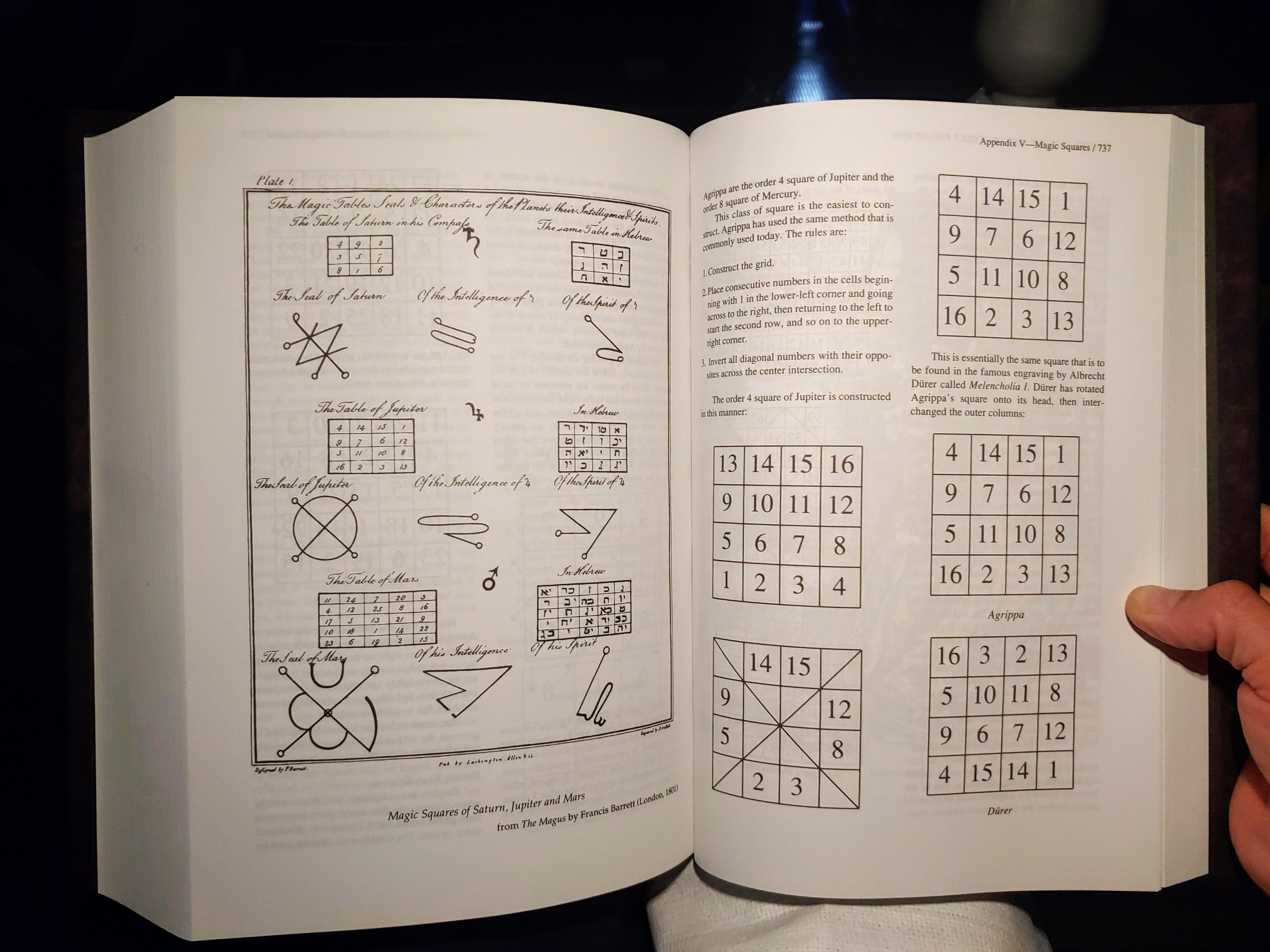
Intended more as a reference book but I’m going to chip away at the majority of it. An almost 1000 pg. book, priceless for a student of the occult. This is essentially the occultist Bible.

Agrippa drew on the Egyptian, Greek, Roman, Arabic and Jewish writers who had gone before him. The Occult Philosophy is the most complete repository of Pagan and Neoplatonic magic ever compiled. The countless references to magic in, and exhausted quotations from, classical literature lead the careful reader through the ancient world of the occult and provide the basis for what amounts to a doctoral degree in classical occultism. This book is the source, and represents the crossroads between ancient and modern worlds of magic.

Donald Tyson

Mythology

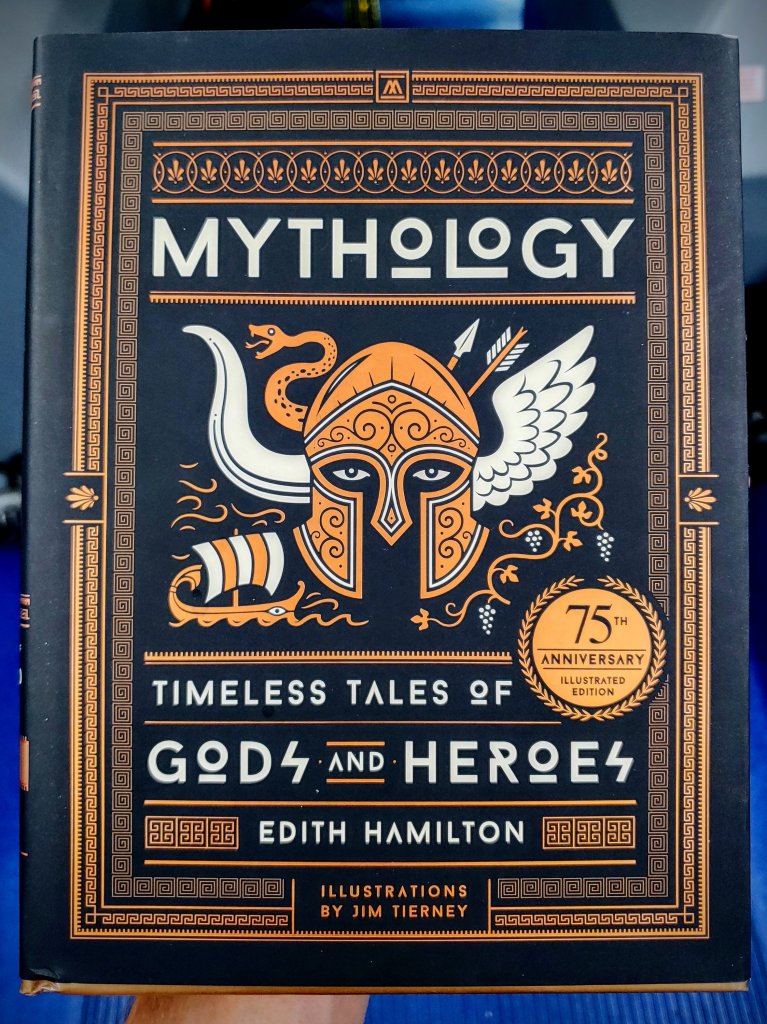
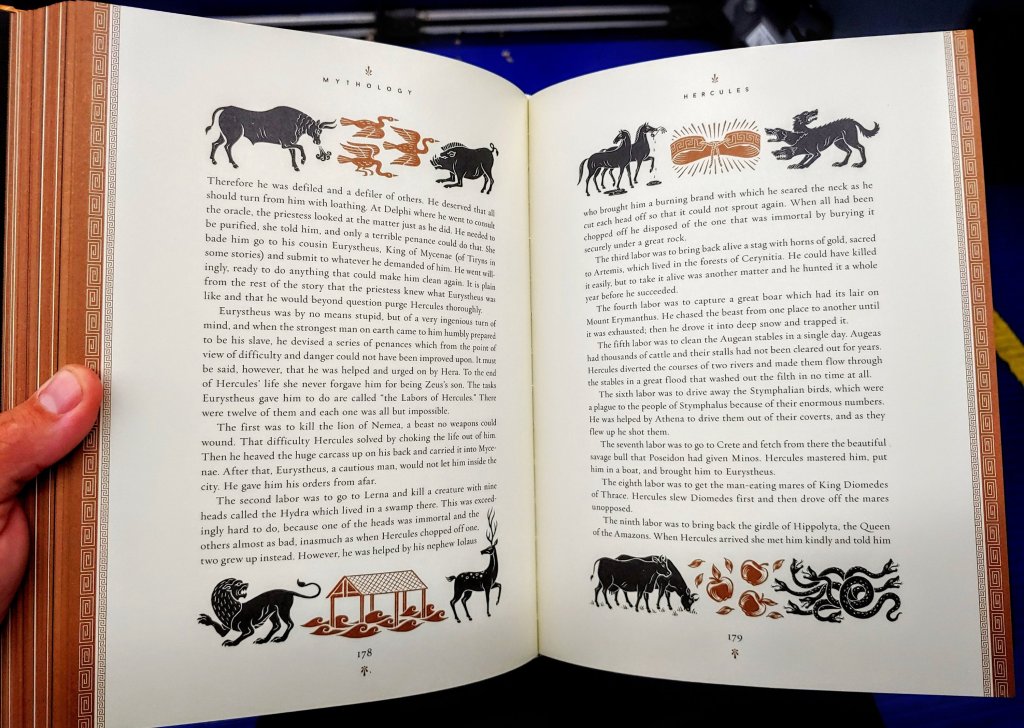
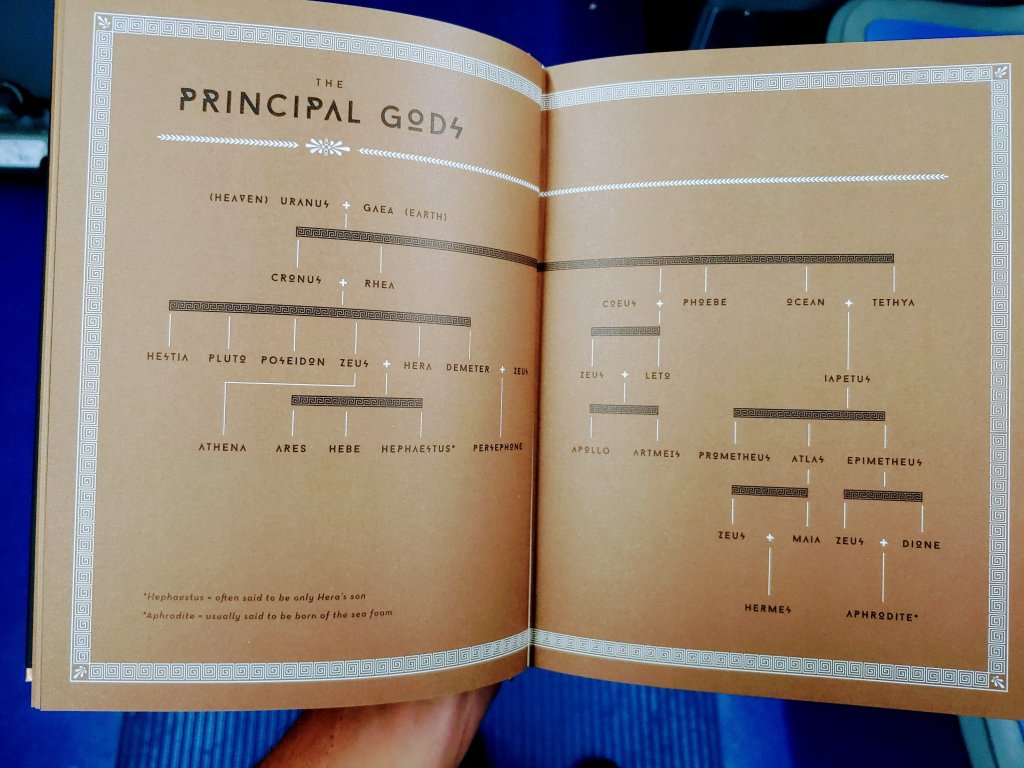
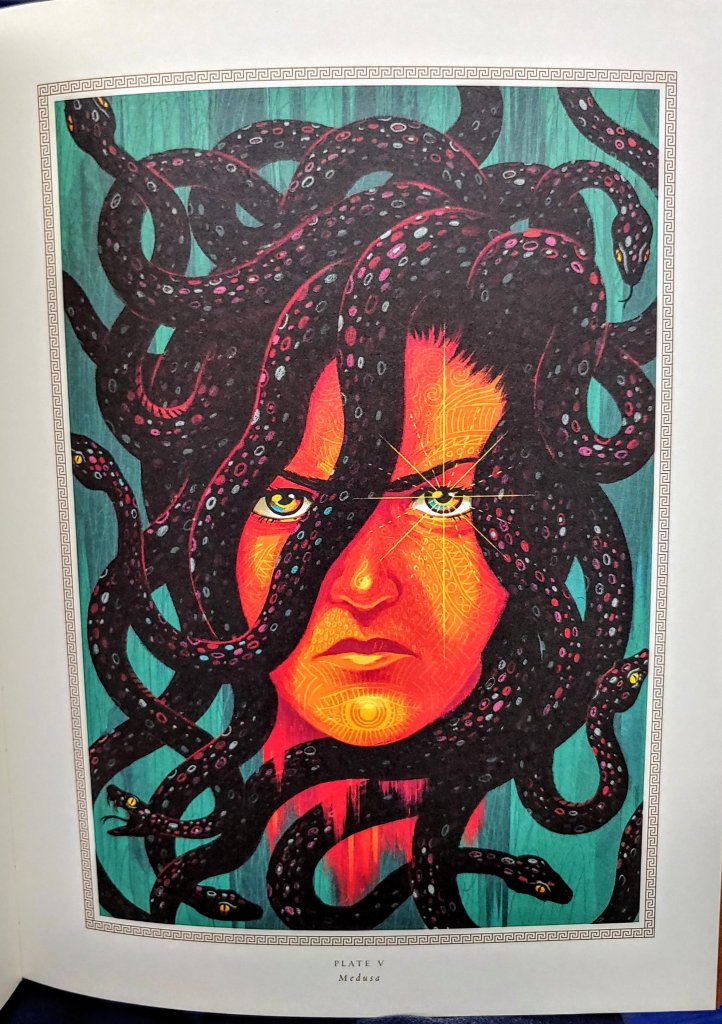
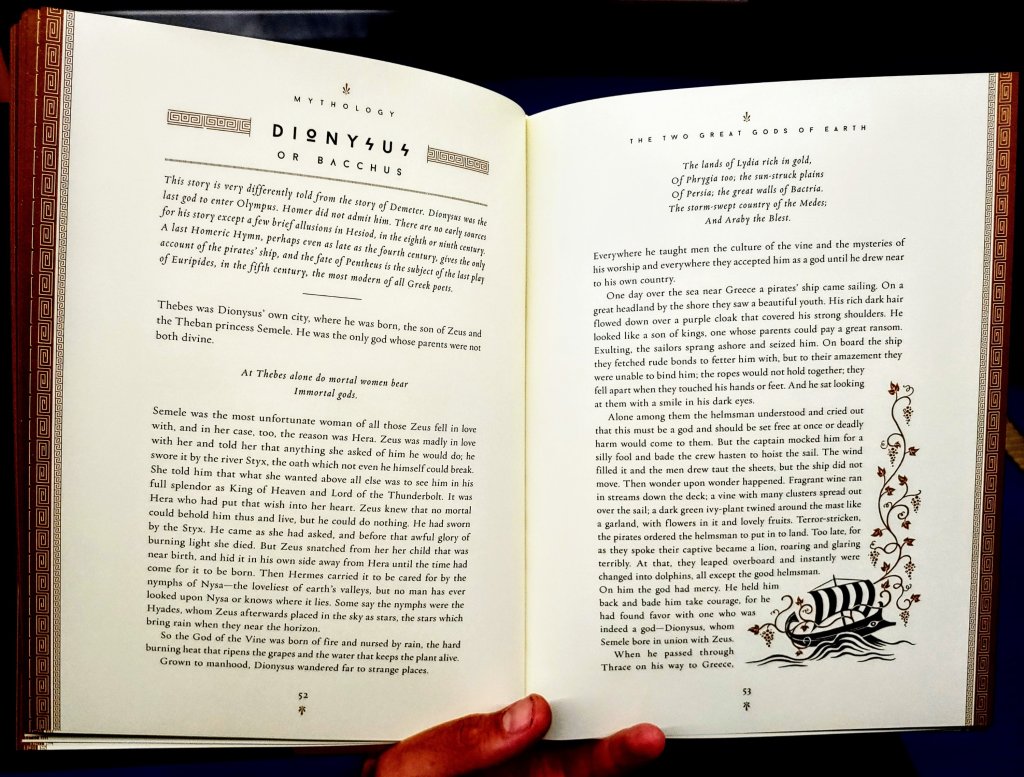
Many Tarot correspondences relate to myths, gods, and legends. I’m reading this to come to a better understanding of the ancient myths for a richer Tarot experience. I’m very excited about this beautiful book.

Greek and Roman mythology is quite generally supposed to show us the way the human race thought and felt untold ages ago. Through it, according to this view, we can retrace the path from civilized man who lives so far from nature, to man who lived in close companionship with nature; and the real interest of the myths is that they lead us back to a time when the world was young and people had a connection with the earth, with the trees and seas and flowers and hills, unlike anything we ourselves can feel.

Edith Hamilton

Wisdom

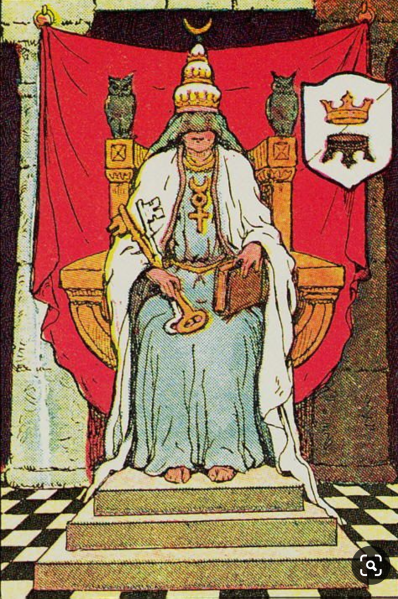
… the Bride-groom is King Solomon himself, it naturally follows that the fair Shulamite is she of whom he wrote: ‘I loved her and sought her out for my youth: I desired to make her my spouse, and I was a lover of her beauty.’ These words are addressed to the personification of “Wisdom,” a word that has nowadays lost its true meaning, and unfortunately fails to convey its original significance. Among the ancients “Wisdom” implied Love and Knowledge blended in perfect and equal proportions. Our English word Truth personifies what is perhaps the nearest approach to the original conception; but “Wisdom” meant more than Truth.

It was used to personify the Celestial Influence which at the later was described as the “Holy Spirit.” ‘Wisdom, which is the worker of all good things,’ says Solomon ‘taught me: for in her is an understanding spirit, holy, one only, manifold, subtil, lively, clear, undefiled, plain, not subject to hurt, loving the thing that is good, quick, which cannot be letted, ready to do good. Kind to man, steadfast, sure, free from care, having all power, overseeing all things, and going through all understanding, pure, and most subtil spirits.’

In Egypt Wisdom was personified by Isis, a manifold goddess of whom it was inscribed: ‘I am that which is, has been, and shall be, and no man has lifted my veil.’ Similarly of “Wisdom” the Hebrews wrote: ‘The first man knew her not perfectly, no more shall the last find her out. For her thoughts are more than the sea and her counsels profounder than the Great Deep.’ It is noteworthy that the writer of The Song of Solomon is himself perplexed at the complex character of his own heroin. …he leaves unanswered his own query, ‘Who is she that looketh forth as the morning, fair as the moon, clear as the sun, and terrible as an army with banners?’

Harold Bayley

The Reality of Freemasonry (a system of morality)

Elias Ashmole recorded it in his diary that the symbols and signs of Freemasonry were borrowed partly from the Knight-Templars and partly from the Rosicrucians. It is claimed for Freemasonry that it is a beautiful system of morality veiled in allegory and illustrated by symbols, and, according to Dr. Oliver, ‘The noble and sublime secrets of which we (Freemasons) are possessed are contained in our traditions, represented by hieroglyphic figures and intimated by our symbolic customs and ceremonies.’ ‘Again’ says Dr. Oliver, ‘we have declared over and over again that the great secret of Christian Freemasonry is the practice of morality and virtue here as a preparation for happiness in another world.’

Harold Bayley