Primordial Chaos

The totality of the world, which includes the significance of experienced things, as well as the things themselves, is composed of what has been explored and rendered familiar; what has yet to be encountered, and is therefore unpredictable; and the process that mediates between the two.

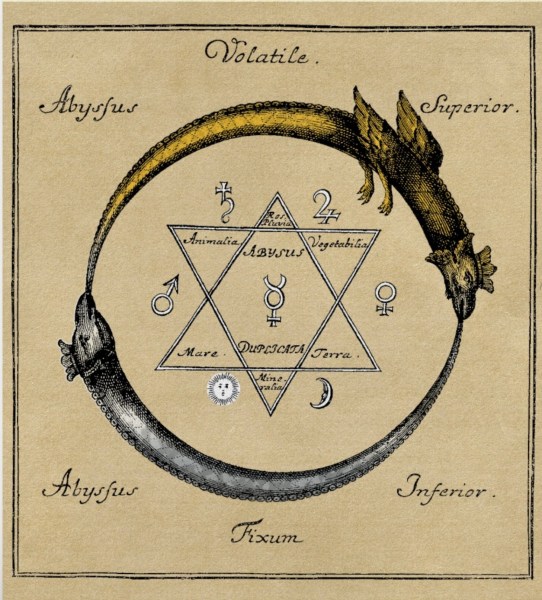
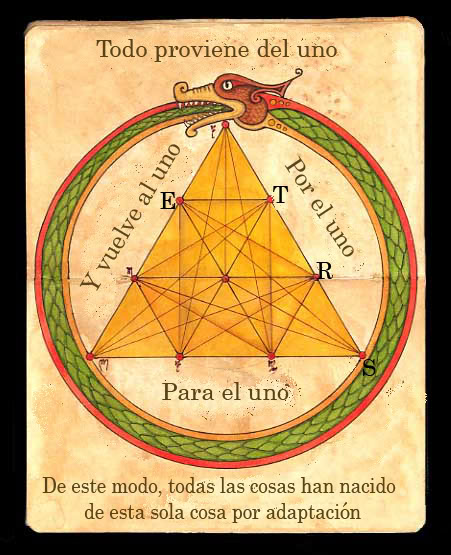
The primordial theriomorphic serpent god is endless potential; is whatever being is prior to the emergence of the capacity for experience. This potential has been represented as the self devouring dragon (most commonly) because this image aptly symbolizes the union of incommensurate opposites. Th ouroboros is simultaneously representative of two antithetical primordial elements. As a snake, the ouroboros is a creature of the ground, of matter; as a bird (a winged animal), it is a creature of the air, the sky, spirit. The ouroborus symbolizes the union of the known (associated with spirit) and unknown (associated with matter), explored and unexplored; symbolizes the juxtaposition of the “masculine” principles of security, tyranny and order with the “feminine” principles of darkness, dissolution, creativity and chaos.

Furthermore, as a snake, the ouroboros has the capacity to shed its skin – to be “reborn.” Thus, it also represents the possibility of transformation, and stands for the knower, who can transform chaos into order, and order into chaos. The Ouroboros stands for, or comprises, everything that is as of yet unencountered, prior to its differentiation as a consequence of active exploration and classification. It is a source of all information that makes up the determinant world of experience and is, simultaneously, the birthplace of the experiencing subject.

The ouroboros is one thing, as everything that has not yet been explored is one thing; it exists everywhere, and at all times. It is completely self-contained, completely self-referential: it feeds, fertilizes and engulfs itself. It unites the beginning and the end, being and becoming, in the endless circle of its existence. It serves as a symbol for the ground of reality itself. It is the “set of all things that not yet things,” the primal origin and ultimate point of return for every discriminable object and every independent subject. It serves as progenitor of all we know, all that we don’t know, and of the spirit that constitutes our capacity to know and not know. It is the mystery that constantly emerges when solutions to old problems cause new problems; is the sea of chaos surrounding man’s island of knowledge – and the source of that knowledge, as well. It is all new experience generated by time, which incessantly works to transform the temporarily predictable once again into the unknown. It has served mankind as the most ubiquitous and potent primordial gods.

Jordan Peterson

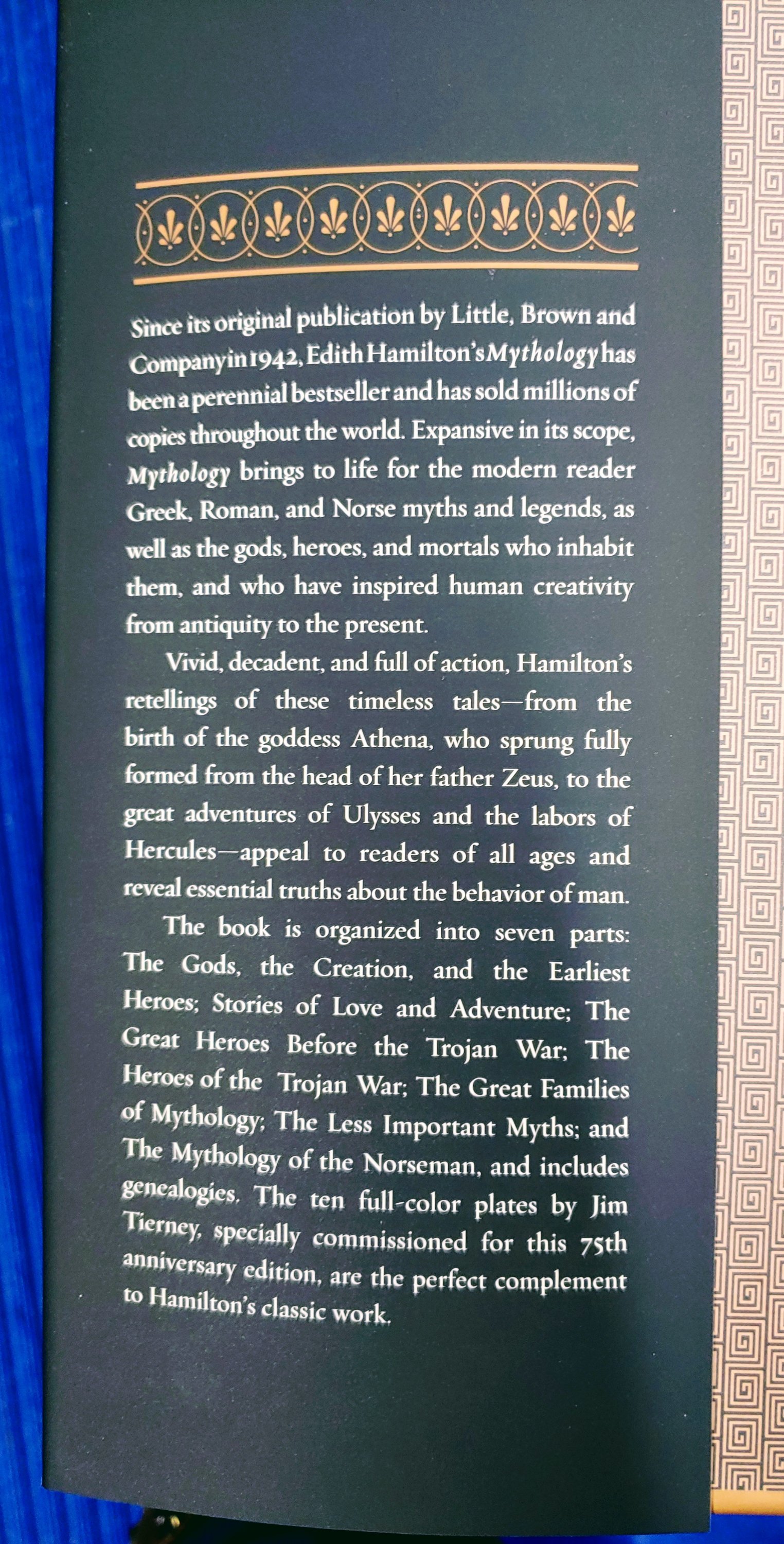
Mythology

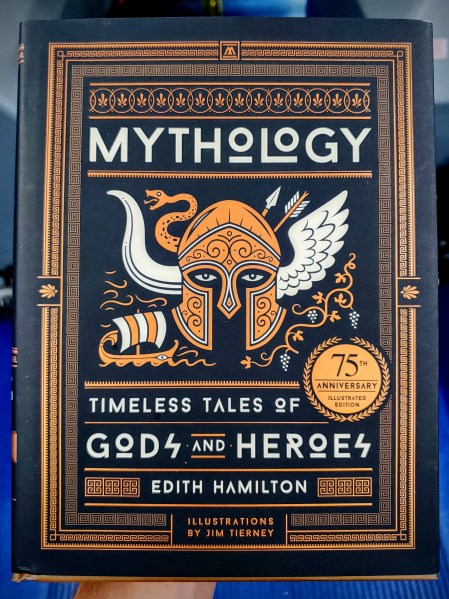
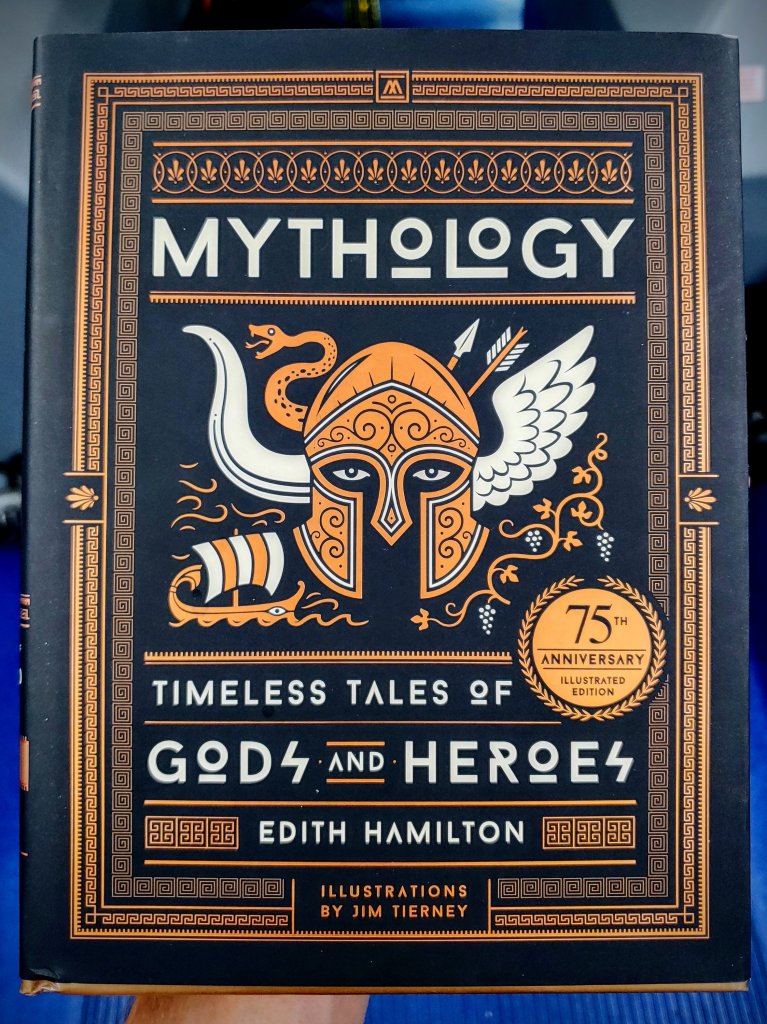
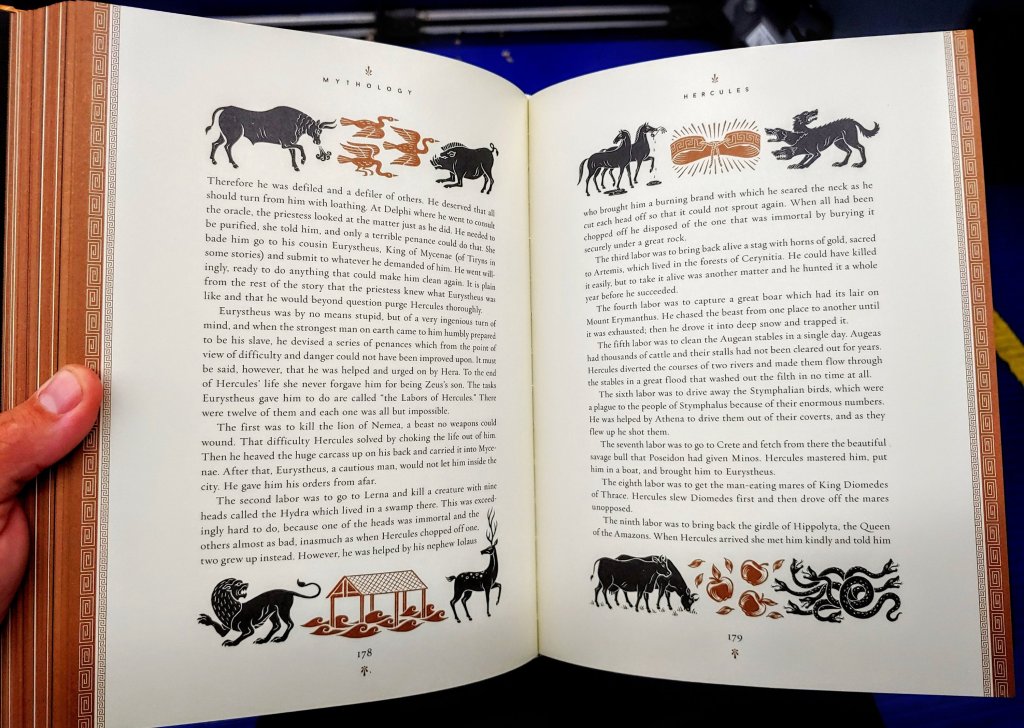
Many Tarot correspondences relate to myths, gods, and legends. I’m reading this to come to a better understanding of the ancient myths for a richer Tarot experience. I’m very excited about this beautiful book.

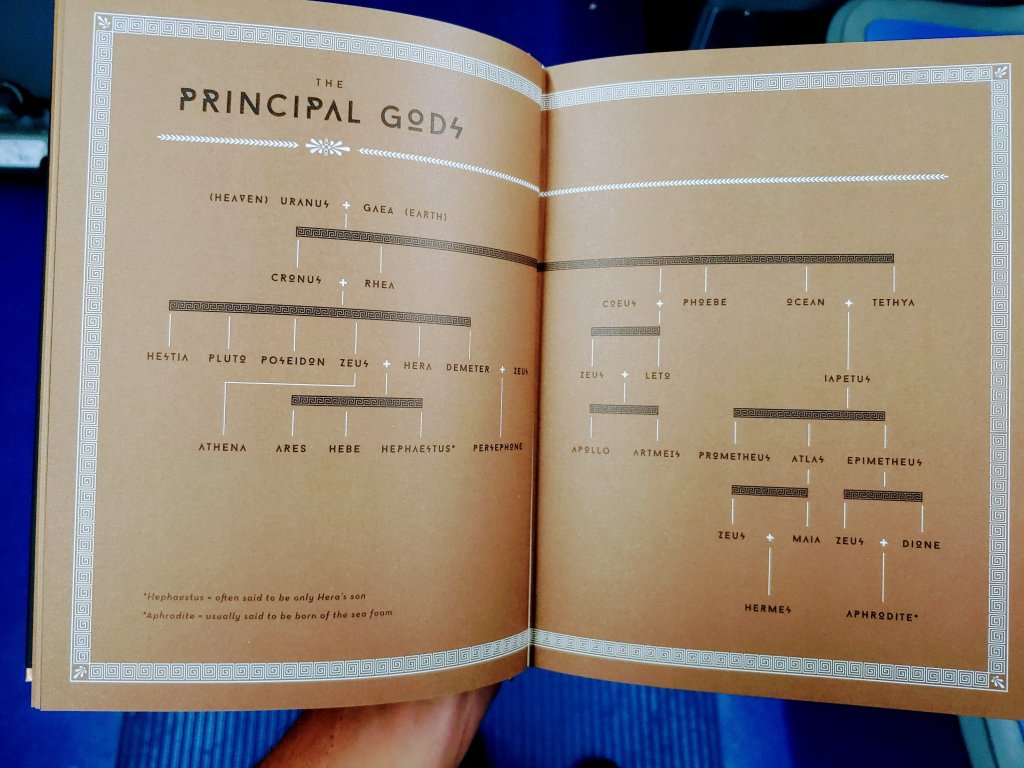
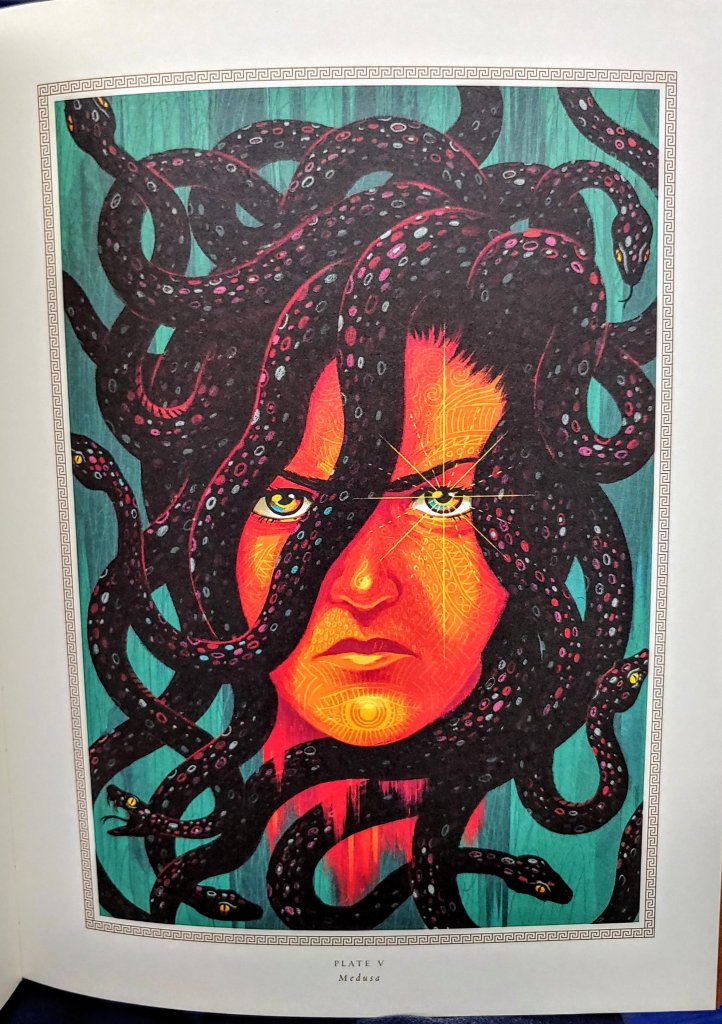
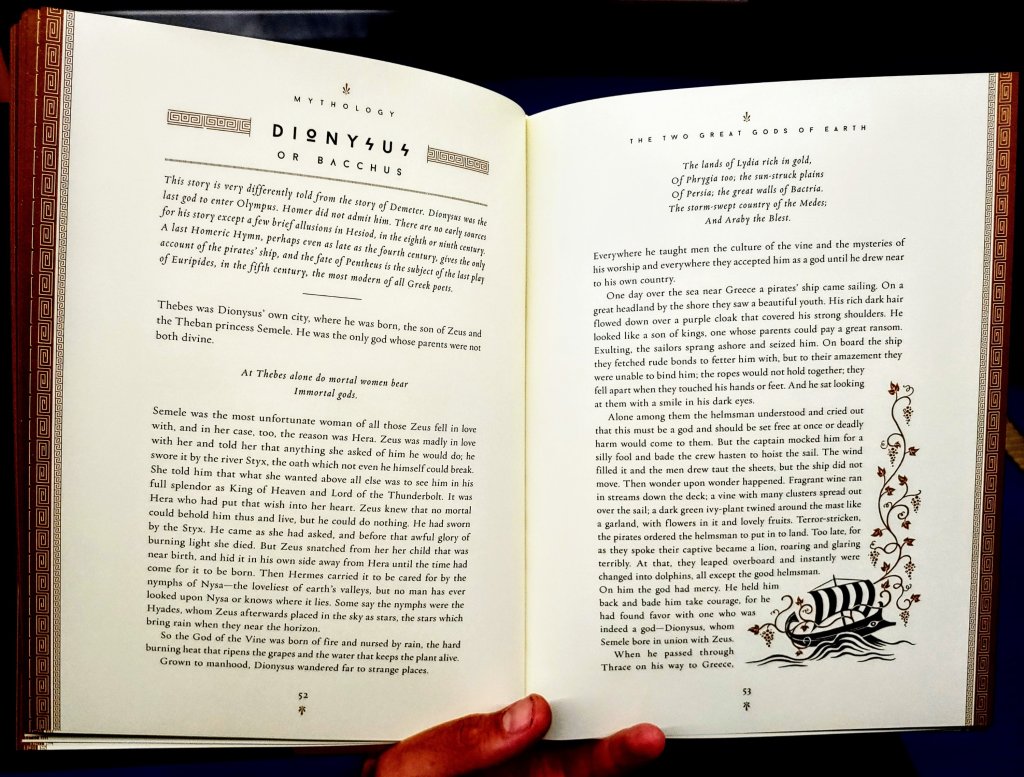
Greek and Roman mythology is quite generally supposed to show us the way the human race thought and felt untold ages ago. Through it, according to this view, we can retrace the path from civilized man who lives so far from nature, to man who lived in close companionship with nature; and the real interest of the myths is that they lead us back to a time when the world was young and people had a connection with the earth, with the trees and seas and flowers and hills, unlike anything we ourselves can feel.

Edith Hamilton

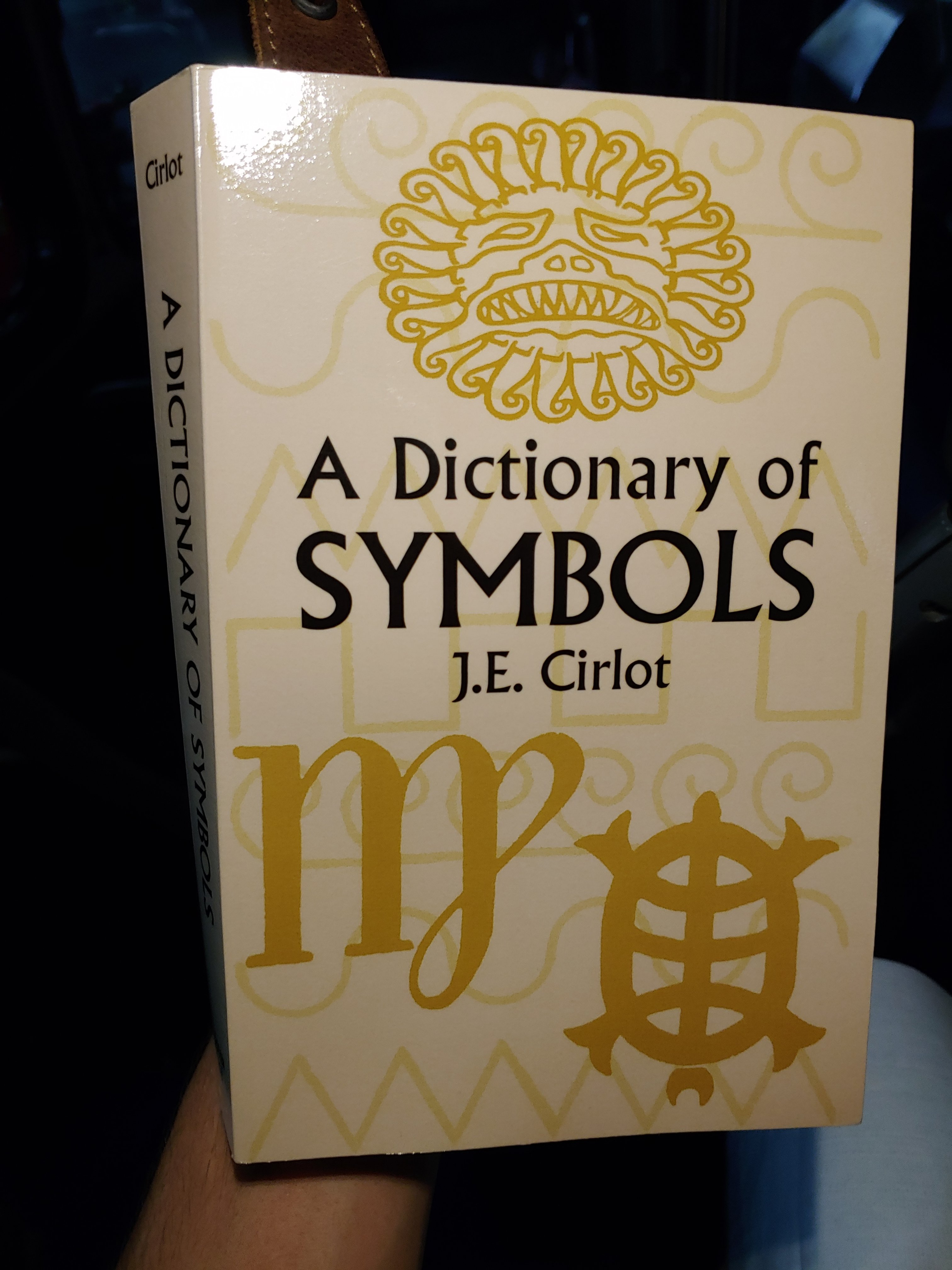
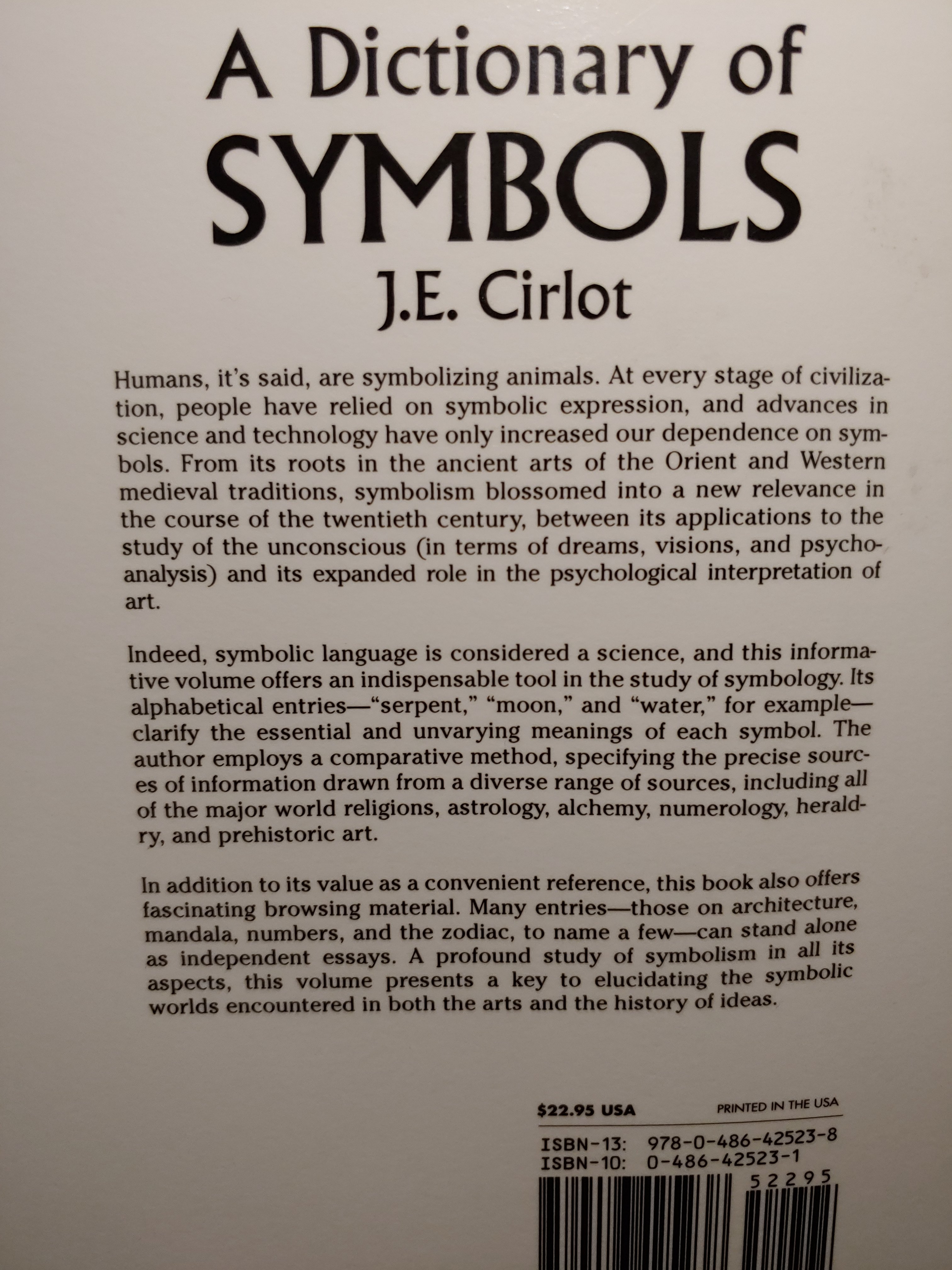
A Dictionary of Symbols

Man, it has been said, its a symbolizing animal; it is evident that at no stage in the development of civilization has man been able to dispense with symbols. Science and technology have not freed man from his dependence on symbols: indeed, it may be argued that they have increased his need for them. In any case, symbology itself is now a science, and this volume is a necessary instrument in its study.

Herbert Read

Mutability

The purpose of physics has always been seen as a search for the fundamental laws of the universe. Commenting on what quantum physics tells us about the laws of physics John Wheeler states “There is no law except the law that there is no law”. This is to say that the laws of physics are malleable, mutating in tune with the universe they support, in the same way living organisms mutate. “Every law can be transcended”. He means that nothing is absolute, nothing is so fundamental that it cannot change under certain circumstances and this includes the very laws of the universe.

Quantum is also considered a reflection of our being, our minds into the universe. Something I took away from all that is if the very nature of the universe is as such then we as humans shouldn’t be so reluctant to change; whether its an opinion we hold, old habits, our thoughts, etc. as mutability is the very underpinning of who and what we are along with the cosmos around us.

Divine Decan

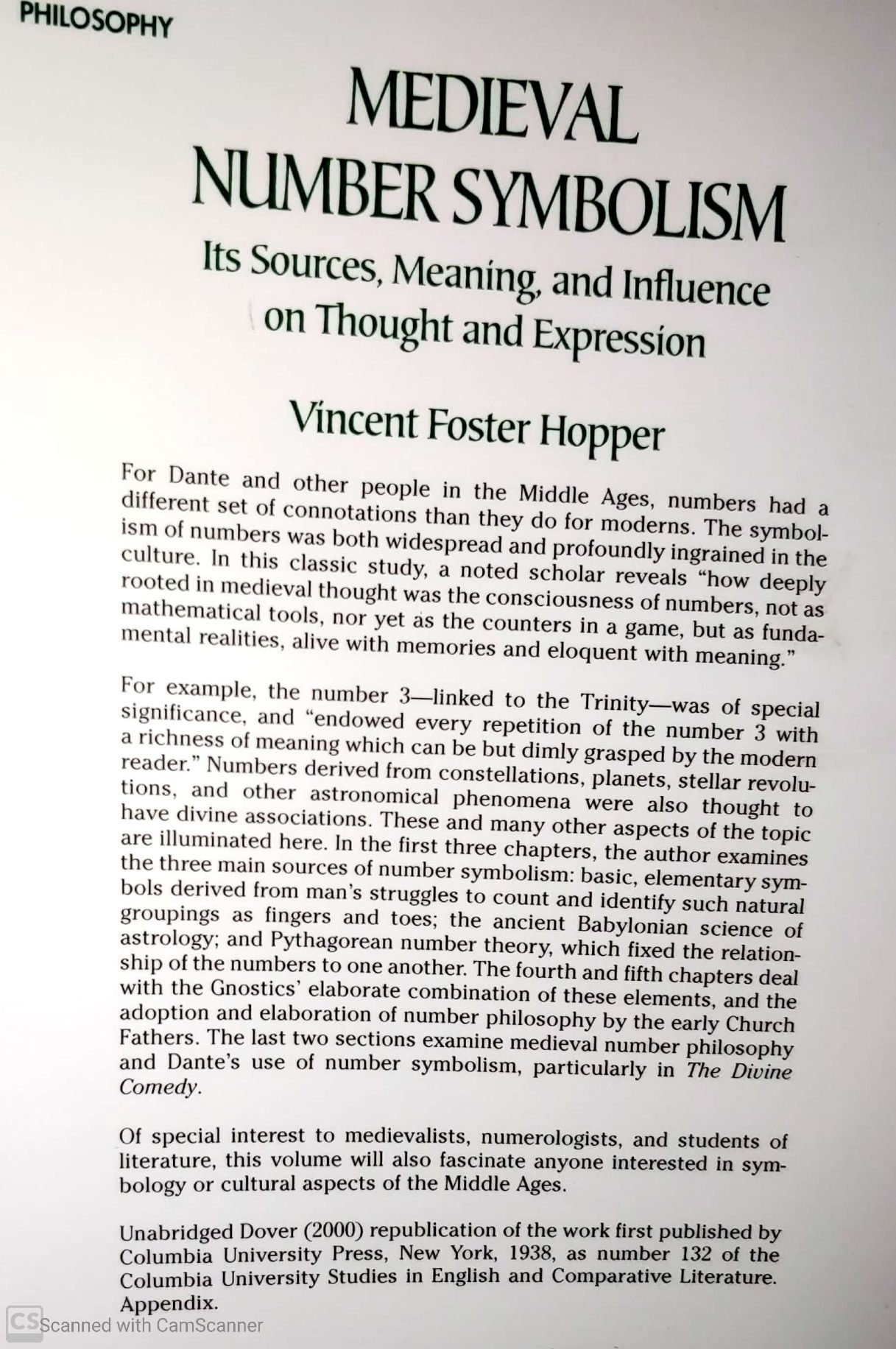
Since the numerical terms after 10 are simply outgrowths of the decad and since, “clearly and indisputably,” the ordered and the finite take precedence over the unlimited and infinite, it follows thata thorough analysis of the properties of the first ten numbers will reveal not only the whole nature of numbers, but also the pattern of the universe as it exists in the mind of God.

Vincent Hopper

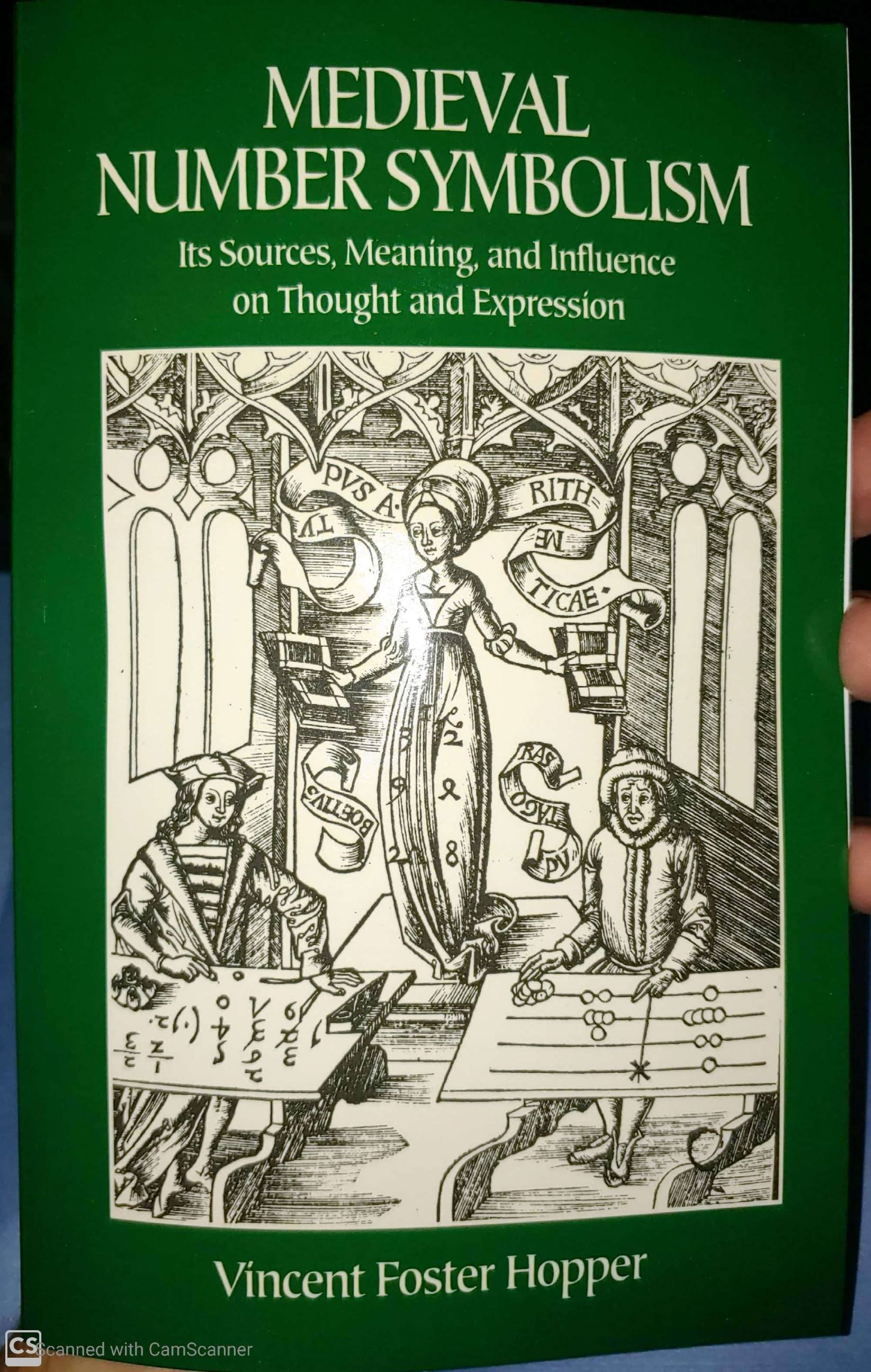
Medieval Number Symbolism

I got this book to help me better understand number symbolism – the philosophy and relationship of numbers to themselves and to the cosmos – to apply this knowledge to the use of Tarot.

… medieval number philosophy, which often appears as sheer nonsense or at best as the product of extraordinarily confused thinking, is explicable only by reference to its origins. … It is the purpose of this study to reveal how deeply rooted in medieval thought was the conciousness of numbers, not as mathematical tools, nor yet as the counters in a game, but as fundamental realities, alive with memories and eloquent with meaning. … An important result of these studies has been to reveal in the medieval mind a web like structure of abstract ideas and concrete realities so closely interwoven and interdependent that no serious gap was felt to exist between them.

Vincent Hopper

Blind Specialization

An issue with most fields of modern science and philosophy are that they are specalized and only focus on a specific area of study. It is like someone viewing a painting with their eyes only a couple inches from the canvas. From this perspective we have an excellent opportunity to analyze fine brush strokes and textures of paint but only a small area of the whole, the consequence being the “painting” (or meaning) itself eludes us. This is true of our relationship to the whole. Our perception and understanding of the universe is we are smacked up right against it peering suspiciously at a fraction of reality and making our various assessments of such grand affairs as “life” and “the world” thus missing the meaning.
It is inevitable from the vantage points of our limited, mistrustful egos, these assessments are biased, prejudiced, and for the most part inaccurate.