Immaculate Conception

The mystic instinctively recognizes that two mysteries are mingled together in the Christian story. The process of interpretation have confused the patterns, but internally we have certain faculties of discrimination which refuse to accept the confusion. Our spiritual need requires the two fold realization, and this need cannot be denied. There is Jesus, the son of man, and Christ the son of God. We accept the fact that Jesus was Christened, but not that Jesus was Christ. As the folk hero, Jesus is humanity, considered individually or collectively. Christ is the redemptive power of God, the Supreme Being manifesting through and upon the human creation. Christ is the son of heaven, and Jesus the son of earth.

The life of Jesus, like the Mystery rituals of the ancient temples, describes “the perilous journey.” Jesus personifies the eternal neophyte seeking admission at the gates of the spiritual universe.

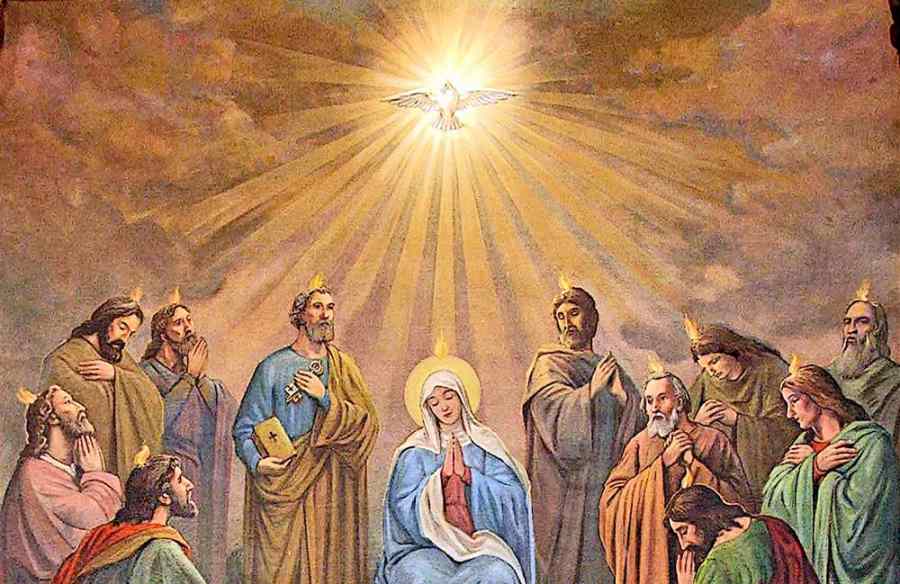
…the Christian mystic meditates upon Jesus as the mystical personification of his own higher nature. In this sense, Jesus was immaculately conceived. He was born of the virgin – the power of the soul – and he came as the fulfilment of the divine promise.

Manly P. Hall

Mystic Illumination

Mysticism escapes from the illusion of history. It frees the mind from its most natural inclination, which is to approach events from the outside. The mind seeks to possess facts by accumulating them and storing them away for future reference. Having arranged them chronologically in the filing system of memory, it considers itself to be well-informed. The heart has no time for such classification. It bridges intervals of time and quality by an instinctive appraisal of values. Mysticism in this way accepts history only as a dated record recording eternal verities. The records of nations are long accounts of hates, fears, hopes, dreams, and intense allegiances. All the manifestations of human instincts may be divided and arranged chronologically, the instincts themselves are not susceptible to such organization. Scriptural writings are important because they re state ever-present emergencies. The heart accepts the lesson, but rejects the historical framework. It gathers all doctrines into an eternal now and experiences them as an immediate impact. In this way the old becomes immanent and can be experienced and thereby known in the spirit rather than in the letter

Manly P. Hall

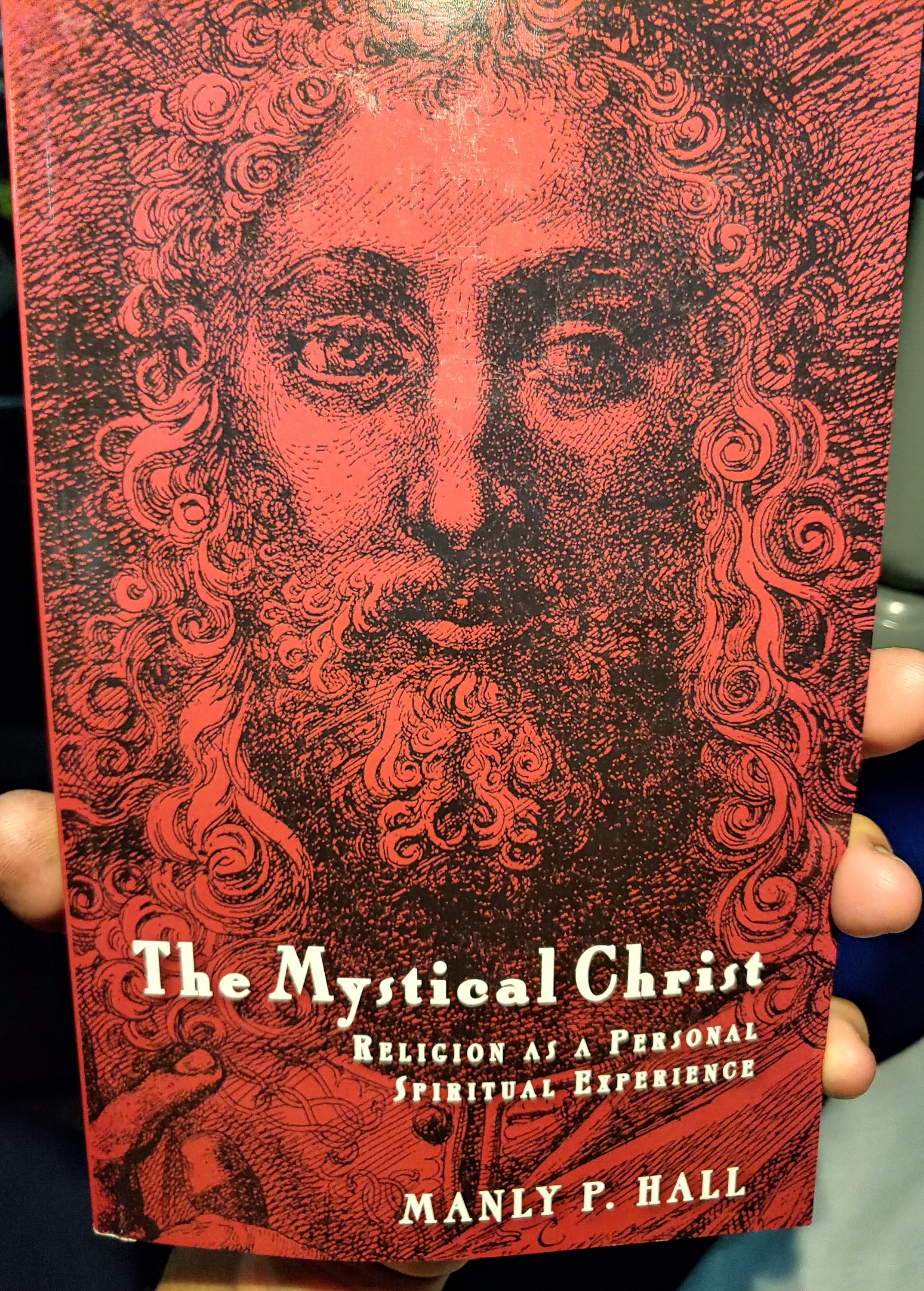
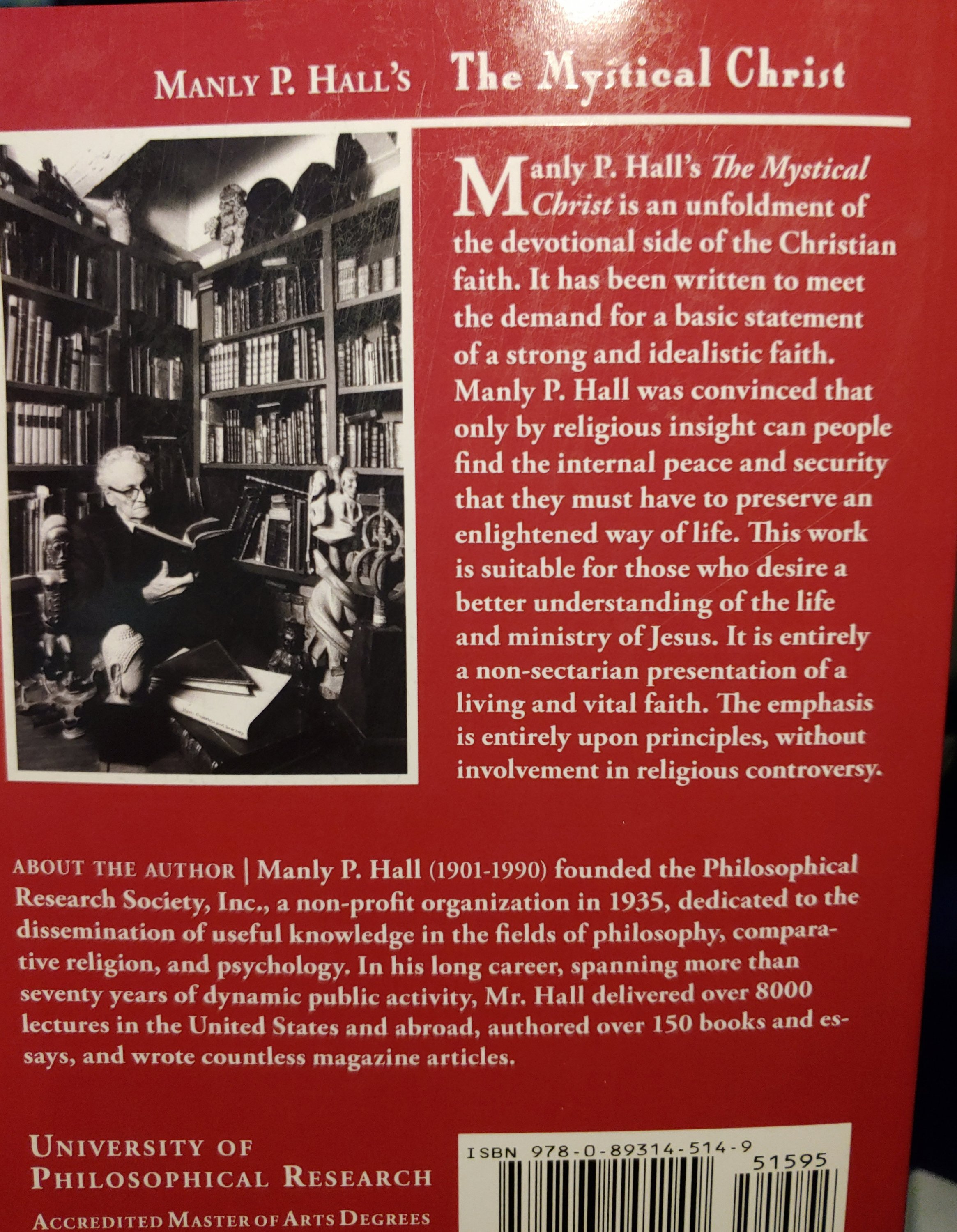
The Mystical Christ

I have been yearning to read a Manly P. Hall book, this is one I have on my shelf that I have yet to read. 

Mysticism is not a sect or a creed; it is a conviction, deriving its authority from the natural instincts of the human heart. The desire to know intensifies the rational faculties of the mind and the intuitive powers of the soul.

….

Mysticism teaches the immanent availability of the divine power. It transforms, by process of interpretation, all doctrines from codes into qualities of conviction. The religious story is accepted, not historically, but as an eternal fact of consciousness.

….

The Mystic does not renounce knowledge; he does not deny the wonderful accomplishments in all fields of learning. To him, all these achievements become better roads and paths. Because his understanding is deeper, his appreciation is more enlightened. Thus we say that mysticism is not a science or an art, but ensoulment of sciences and art. It ends by a conscious consecration of all things known and all things knowable to the service of the Great Cause, which is the source of the known and the unknown.

Manly P. Hall

The Occultist Bible

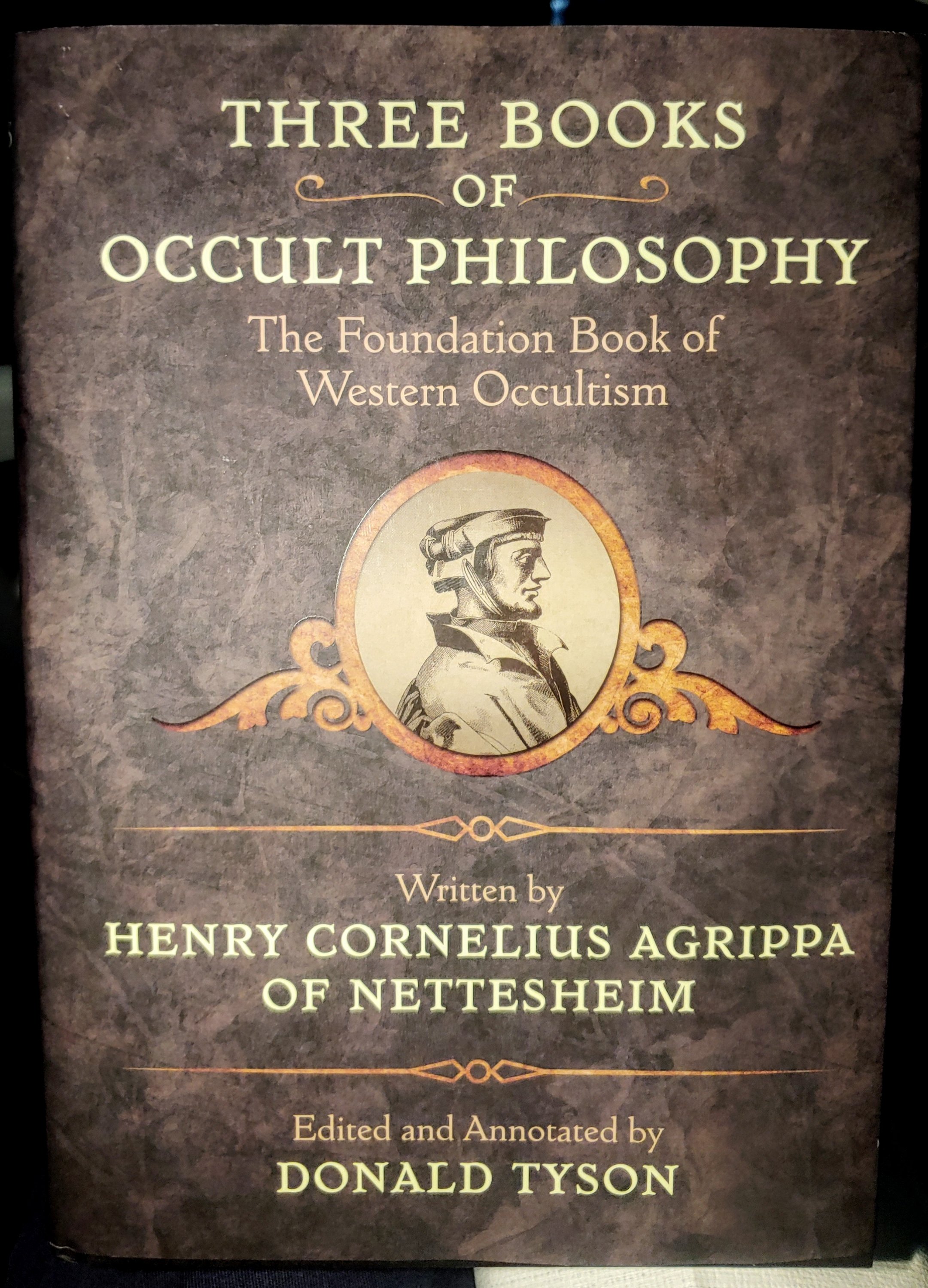
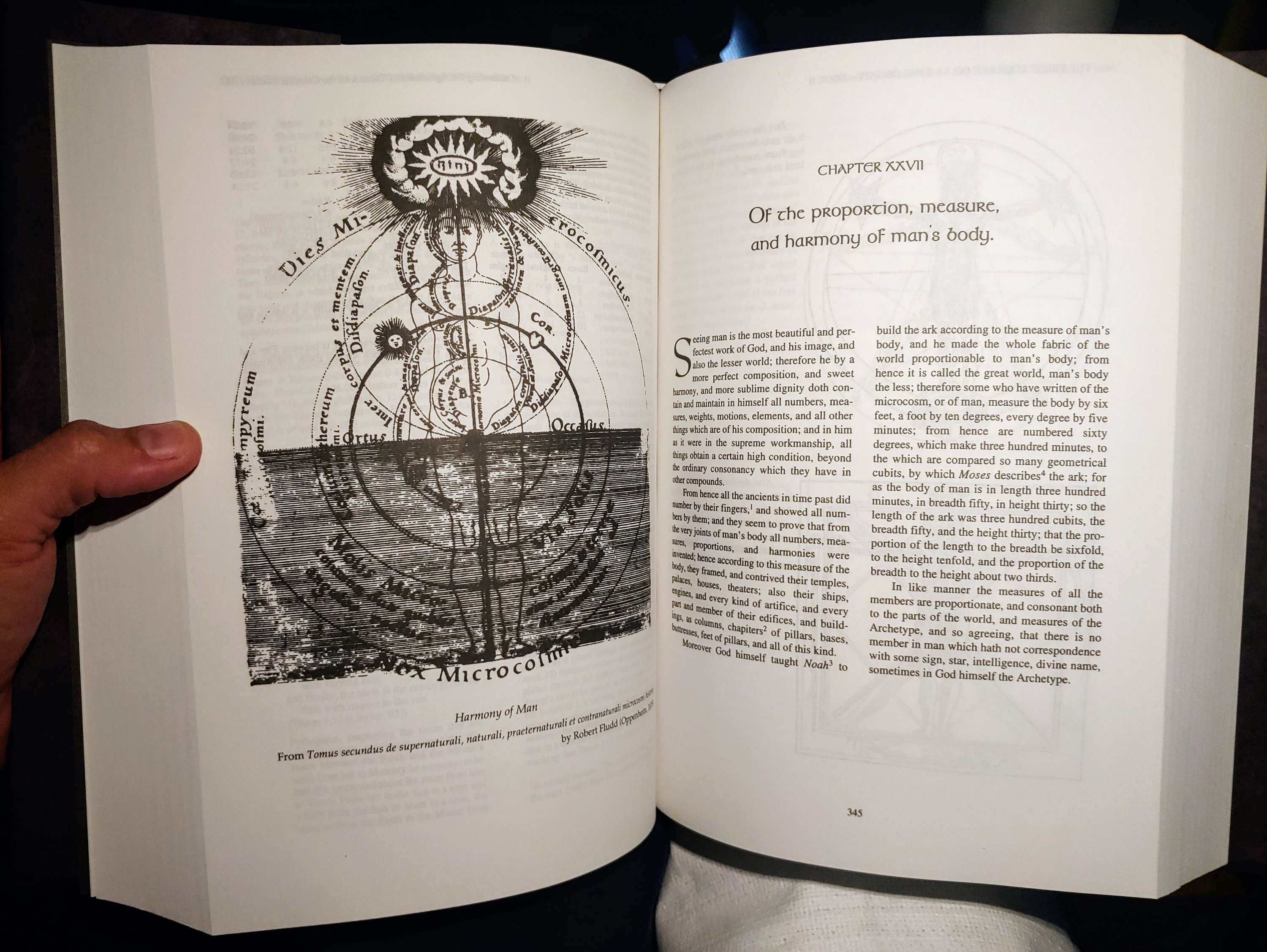
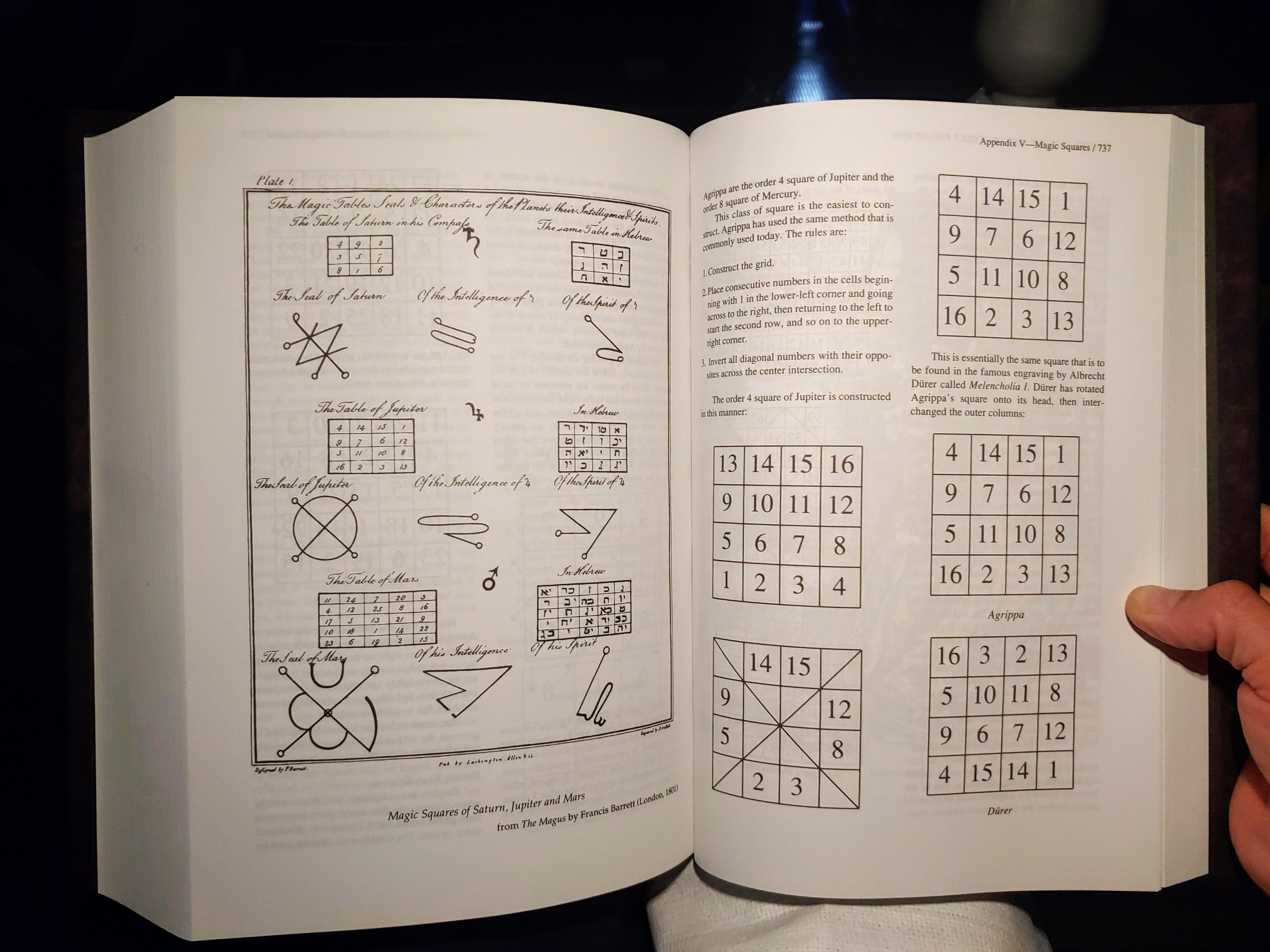
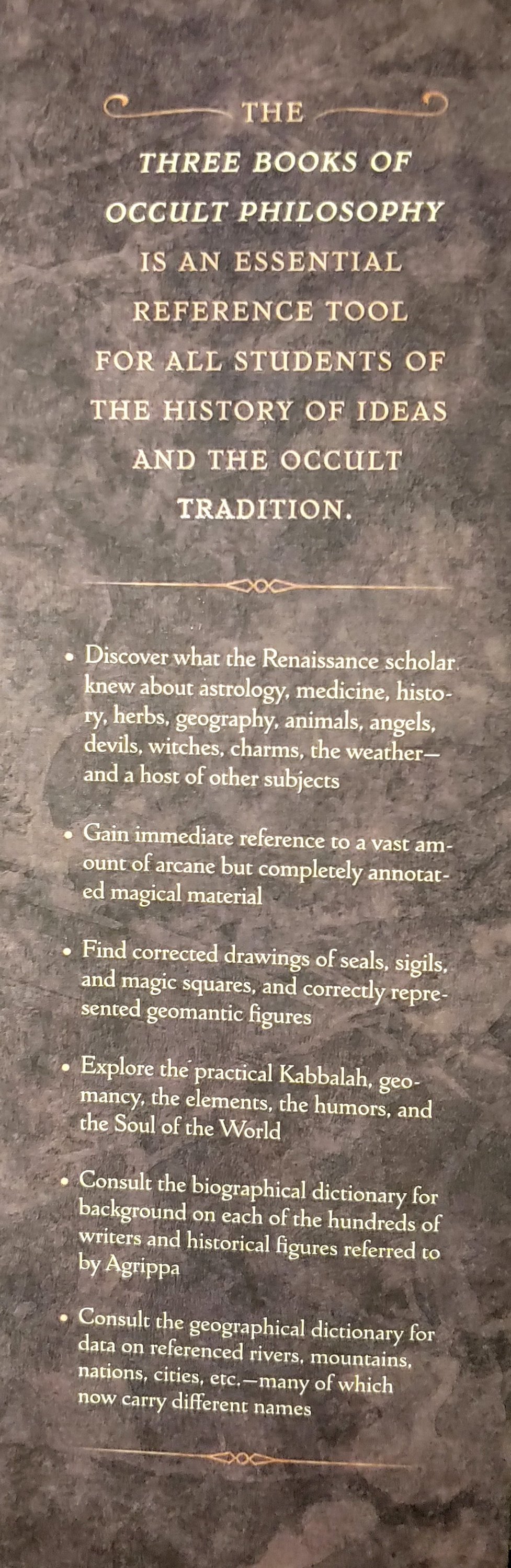
Intended more as a reference book but I’m going to chip away at the majority of it. An almost 1000 pg. book, priceless for a student of the occult. This is essentially the occultist Bible.

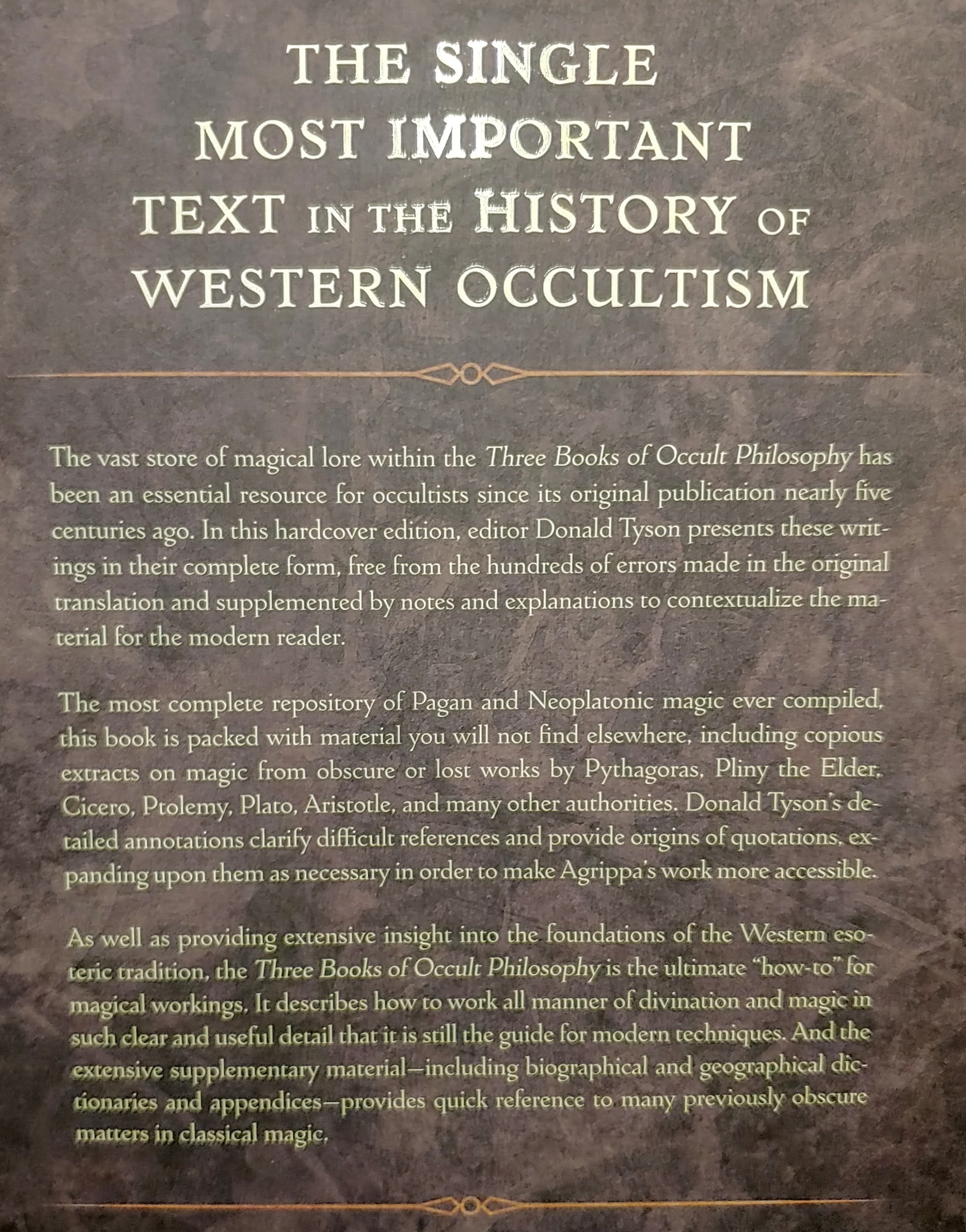
Agrippa drew on the Egyptian, Greek, Roman, Arabic and Jewish writers who had gone before him. The Occult Philosophy is the most complete repository of Pagan and Neoplatonic magic ever compiled. The countless references to magic in, and exhausted quotations from, classical literature lead the careful reader through the ancient world of the occult and provide the basis for what amounts to a doctoral degree in classical occultism. This book is the source, and represents the crossroads between ancient and modern worlds of magic.

Donald Tyson

Rising of Light

It is obvious that Jeshurun or “Israel” refers frequently to something more than a historic tribe of Semetic demon-worshippers, and that Israel, he or she, is sometimes a personification of the individual soul wandering in the wilderness. I suggest that the name Israel resolves itself naturally into Is, “the light of,” RA, “the eternal sun which has existed forever,” EL “the First Cause, the principal or beginning of all things. The poetic “Israel” thus appears as an extension of the name Ezra, “Rising of Light,” and as another personification of the Divine Essence, Light, or Colony in the soul.

Harold Bayley

Wisdom

… the Bride-groom is King Solomon himself, it naturally follows that the fair Shulamite is she of whom he wrote: ‘I loved her and sought her out for my youth: I desired to make her my spouse, and I was a lover of her beauty.’ These words are addressed to the personification of “Wisdom,” a word that has nowadays lost its true meaning, and unfortunately fails to convey its original significance. Among the ancients “Wisdom” implied Love and Knowledge blended in perfect and equal proportions. Our English word Truth personifies what is perhaps the nearest approach to the original conception; but “Wisdom” meant more than Truth.

It was used to personify the Celestial Influence which at the later was described as the “Holy Spirit.” ‘Wisdom, which is the worker of all good things,’ says Solomon ‘taught me: for in her is an understanding spirit, holy, one only, manifold, subtil, lively, clear, undefiled, plain, not subject to hurt, loving the thing that is good, quick, which cannot be letted, ready to do good. Kind to man, steadfast, sure, free from care, having all power, overseeing all things, and going through all understanding, pure, and most subtil spirits.’

In Egypt Wisdom was personified by Isis, a manifold goddess of whom it was inscribed: ‘I am that which is, has been, and shall be, and no man has lifted my veil.’ Similarly of “Wisdom” the Hebrews wrote: ‘The first man knew her not perfectly, no more shall the last find her out. For her thoughts are more than the sea and her counsels profounder than the Great Deep.’ It is noteworthy that the writer of The Song of Solomon is himself perplexed at the complex character of his own heroin. …he leaves unanswered his own query, ‘Who is she that looketh forth as the morning, fair as the moon, clear as the sun, and terrible as an army with banners?’

Harold Bayley

The Reality of Freemasonry (a system of morality)

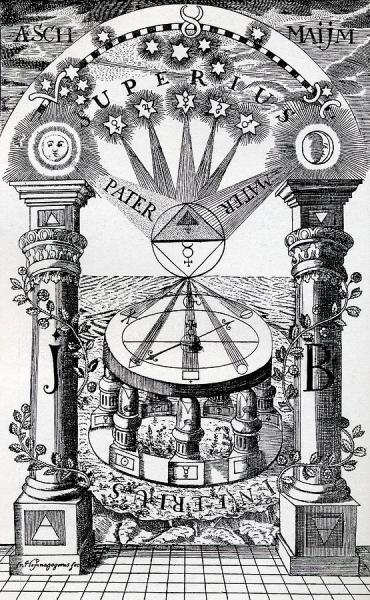
Elias Ashmole recorded it in his diary that the symbols and signs of Freemasonry were borrowed partly from the Knight-Templars and partly from the Rosicrucians. It is claimed for Freemasonry that it is a beautiful system of morality veiled in allegory and illustrated by symbols, and, according to Dr. Oliver, ‘The noble and sublime secrets of which we (Freemasons) are possessed are contained in our traditions, represented by hieroglyphic figures and intimated by our symbolic customs and ceremonies.’ ‘Again’ says Dr. Oliver, ‘we have declared over and over again that the great secret of Christian Freemasonry is the practice of morality and virtue here as a preparation for happiness in another world.’

Harold Bayley

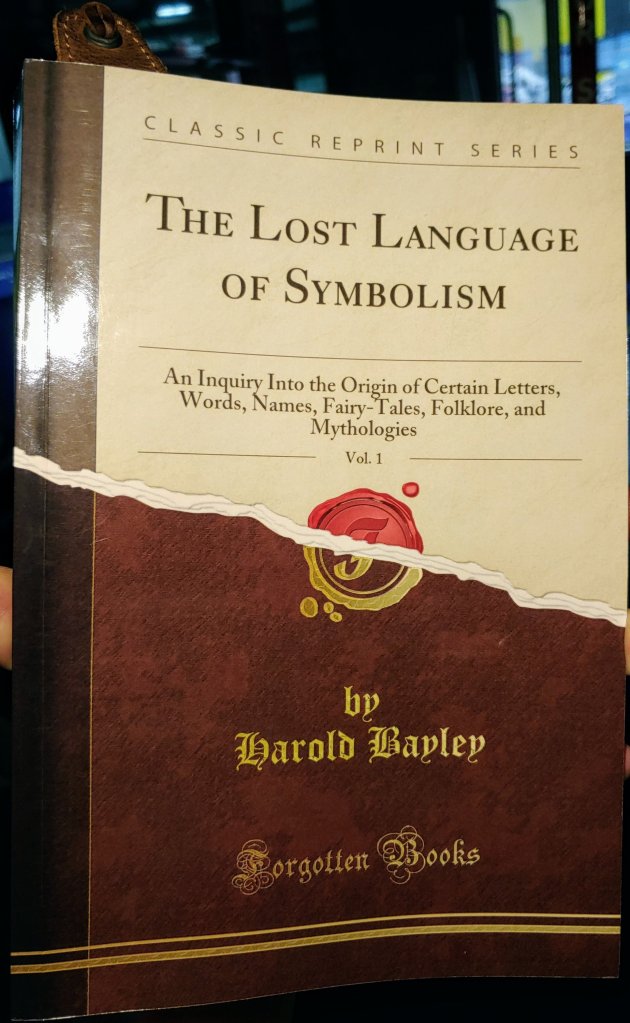
The Lost Language of Symbolism

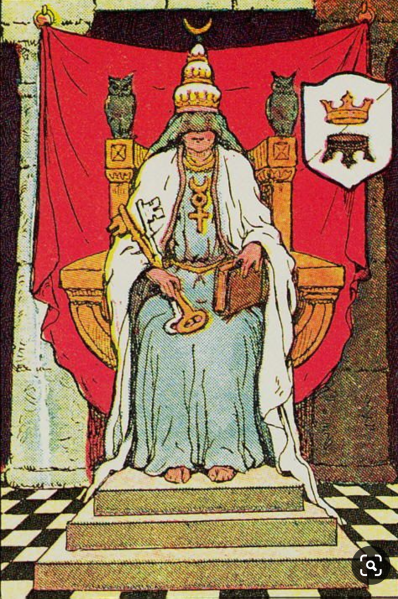
I’m trying to absorb as much as I can about the language of Symbolism to aid in my understanding of the Tarot.

Although etymologists are agreed that language is fossil poetry and that the creation of every word was originally a poem embodying a bold metaphor or a bright conception, it is quite unrealised how close and intimate relation exists between symbolism and philology.

Harold Bayley

The Function of Symbol

…the essential function of the symbol is to explore the unknown and – paradoxically – to communicate with the incommunicable, the partial discovery of these unfathomable truths being achieved through symbols.

J.E Cirlot

Divinatory Mechanism

The mechanism of the Tarot like that of other divinatory or prophetic techniques, “is a universal phenomenon, for such techniques are based upon the higher activity of the unconscious in response to certain stimuli, and upon the automatic acquisition of unconscious stores of knowledge remaining unperceived until ‘read’ in accordance with the principles of numbers, orientation, form and space.”