Hellenistic Gifts

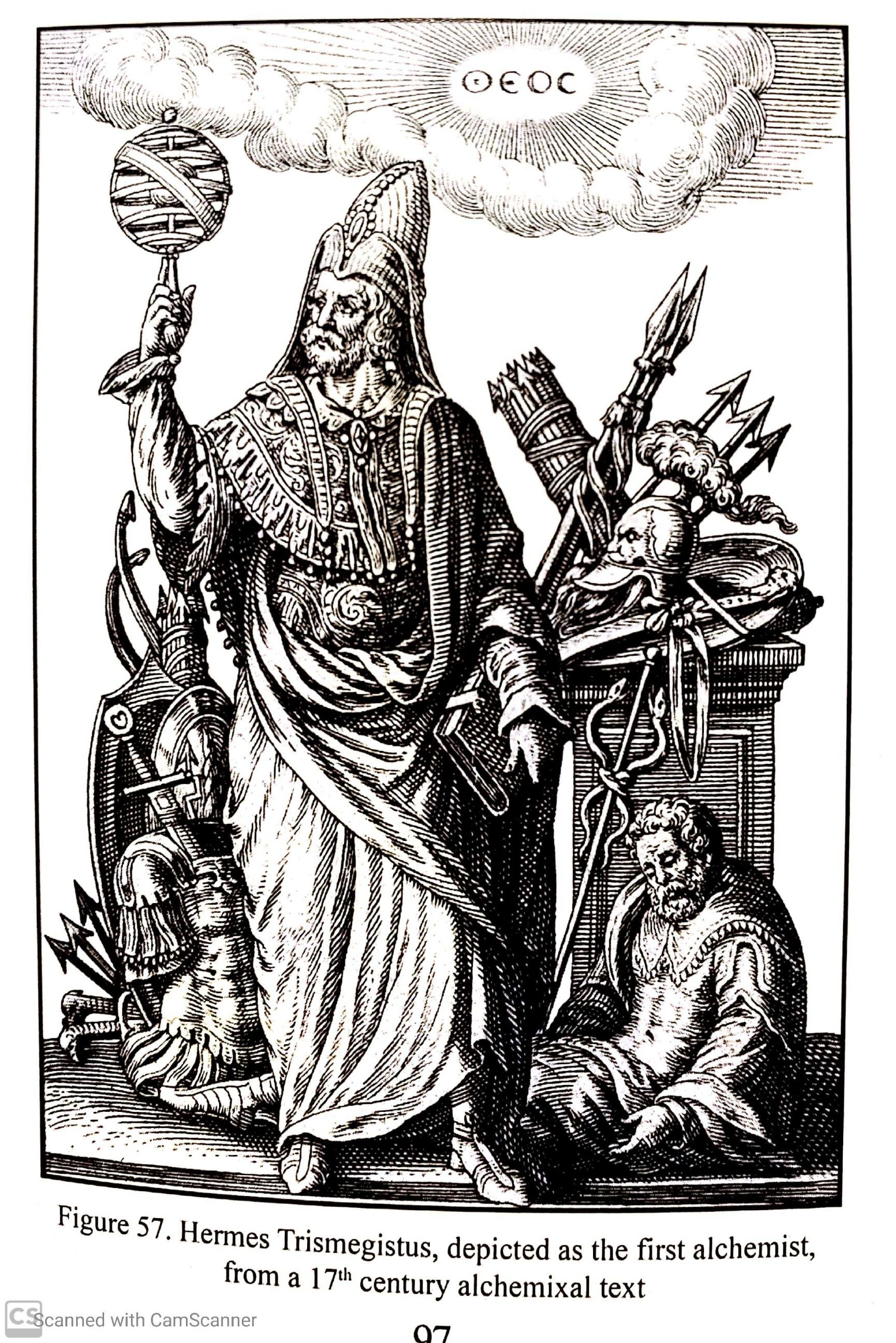
When the Greeks came to dominate Egypt and the Middle East it created a cosmopolitan environment that synthesized Egyptian and Middle East religion with Greek rationalism, leading to groups of mystical philosophies known as Neoplatonist. It also led to a series of mystical texts known as the Hermetic texts, containing works on alchemy, magic, astrology, and philosophy – collectively called the Hermetica. Hermetic philosophy became a major influence on all Western magical practices and mystical traditions. Neoplatonism, alchemy, Kabbalah, Sufism, mystical Christianity and occultism, including the Tarot are all affected by this influence.
Ancient Astrology

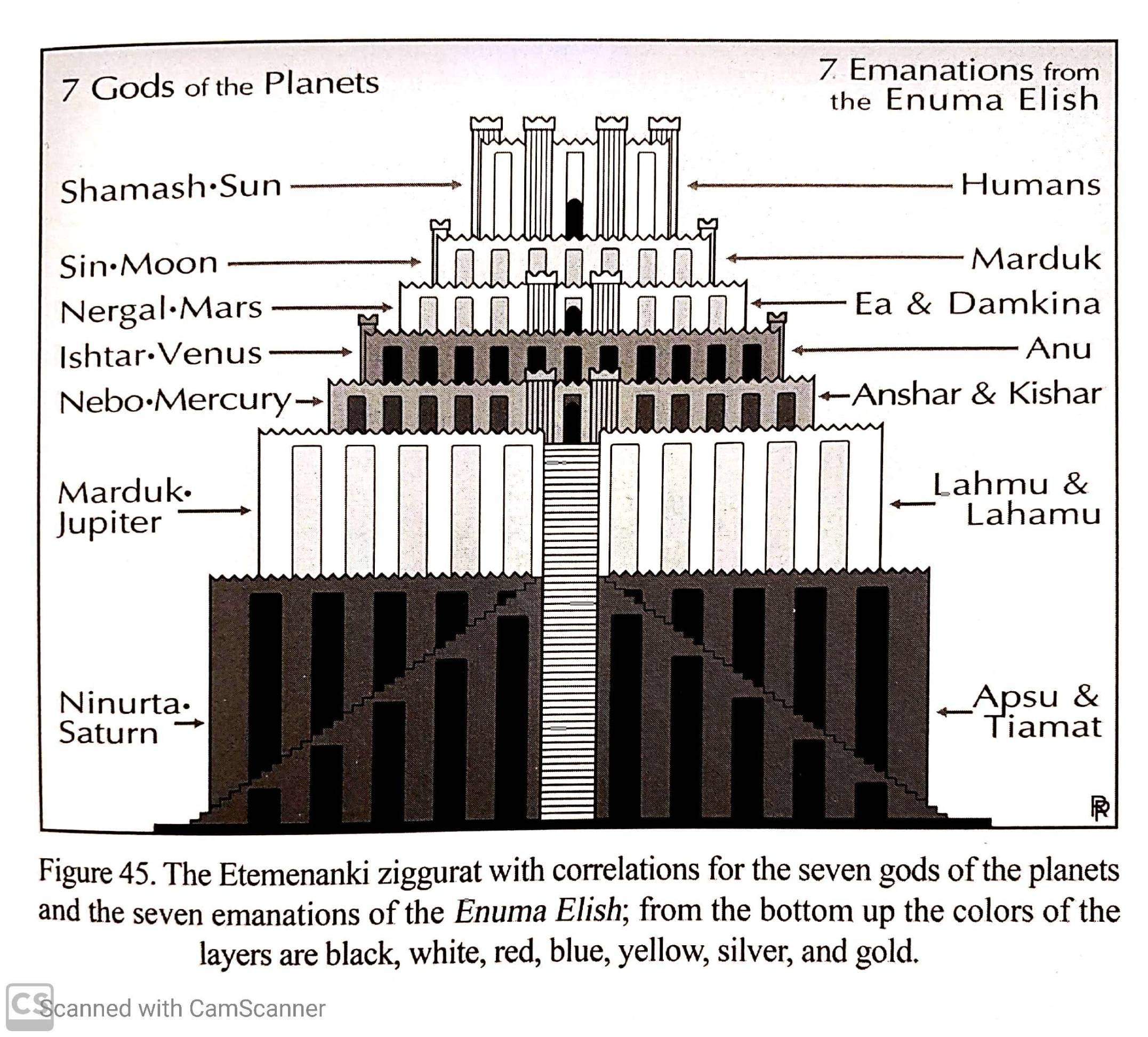
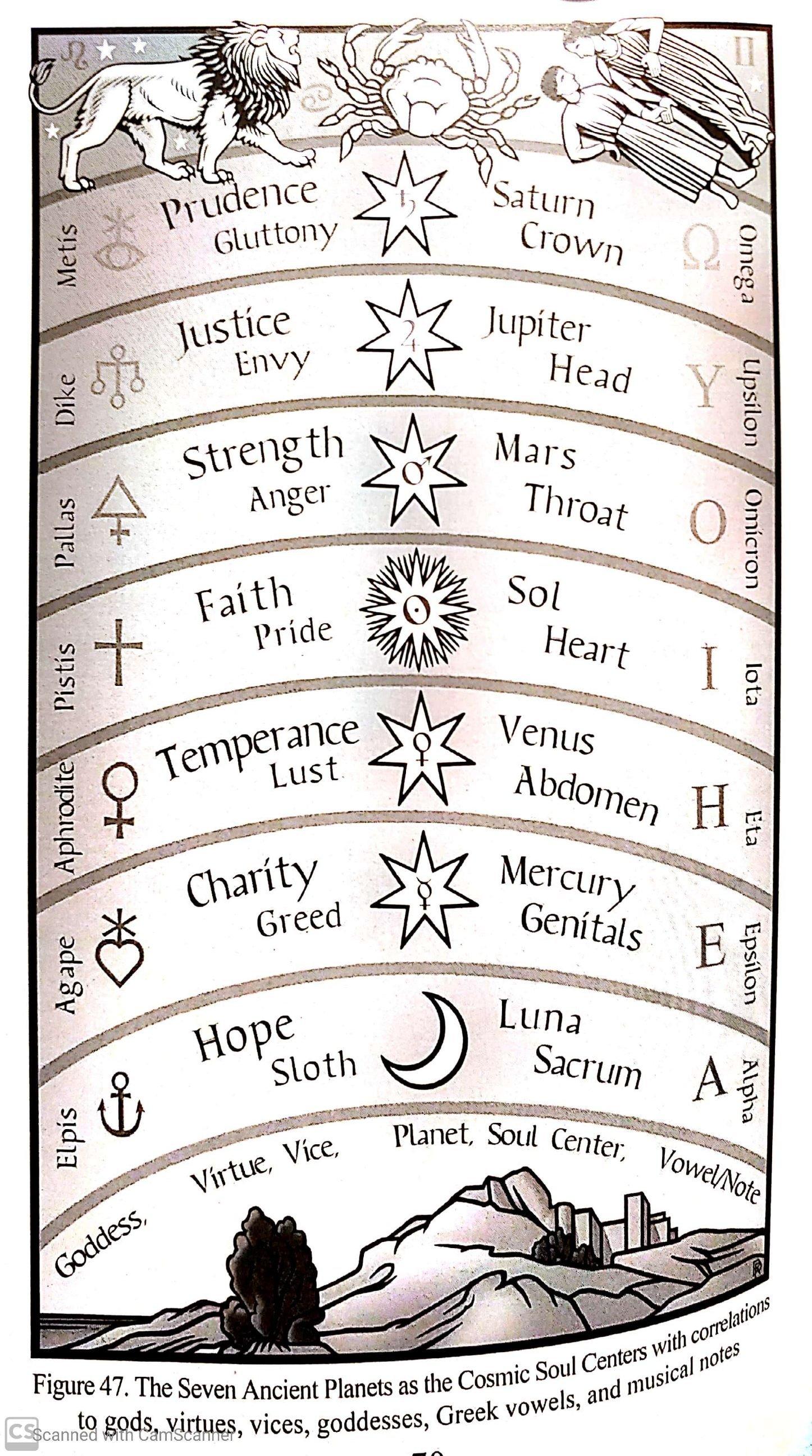
Astrology is based on the idea that the soul departs from Heaven, which is above the stars, through one of the constellations of the zodiac and then descends through the planets to live in a body on Earth. At each planet the god of that sphere clothes the soul in certain qualities that become its personality. This is the origin of the list of the seven virtues and seven vices. Effectively the planets function as a ladder or stairway to earth and as personal emanations or steps in every person’s individual creation. Through a complex system of correspondences between the planets and colors, metals, herbs and other objects on Earth, magicians can make use of the powers of the planetary gods in their magical practice.

Robert M. Place

Egypt

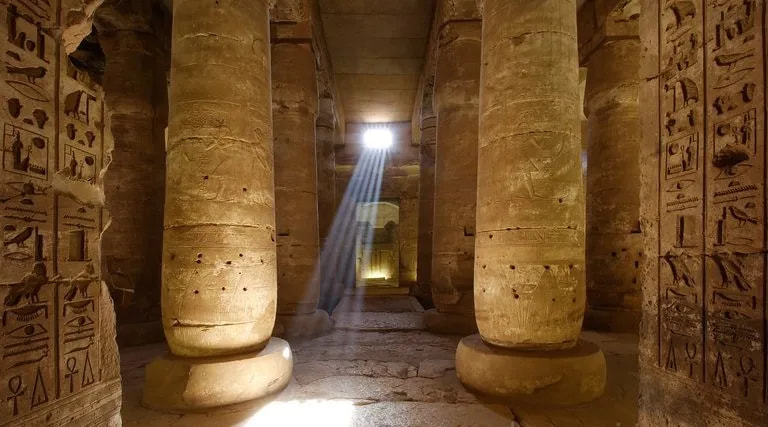
A principle reason for studying ancient Egyptian texts is that they reconnect us with something vital that our culture has forgotten. Egyptian “religion” paradoxically points us toward our own future which is surely to develop new capabilities of consciousness to awaken us once more to the spiritual realities of which the mystical literature of ancient Egypt speaks.

Spiritual Blight

As an organic structure of institutions, the pagan mysteries sank into historic oblivion about the 6th century A.D. A night of spiritual darkness descended upon the world, and theological dogmas eventually eclipsed the light of reason. Certainties were obscured by uncertainties. Practices surrendered to theories, and the dictates of a blind and fanatical faith supplanted the noble doctrine of the initiated philosophers.

Thus came the Dark Ages, long centuries of benightedness, in which man tortured and destroyed his fellow man for the glory of an all merciful God. Out of the religious and ethical chaos that followed the collapse of classical learning emerge the dark-cowled form of the Inquisition. Theology retrograded to the condition of a pious sham, until humanity with one desparing gesture repudiated the thralldom of an unendurable dogmatism, and rushed to embrace the materialism and skepticism of modern times.

Manly P. Hall