Materialism is a comparatively modern invention of the human mind. Materialism not only ignores but actually denies the metaphysical factor in thought and action.
Man has exiled himself from the empire of Space and is satisfied to live without wisdom and die without hope. One of the primary functions of metaphysics is to incline the human reason towards an intelligent consideration of man’s place in divine plan. Metaphysics seeks to establish a closer harmony between divine will and human action.
Metaphysics does not infer blind faith, or the unquestioned worship of unknown gods, but rather seeks to establish a rational sympathy between heaven and earth, a conscious and intelligent cooperation between man and the laws that govern him.
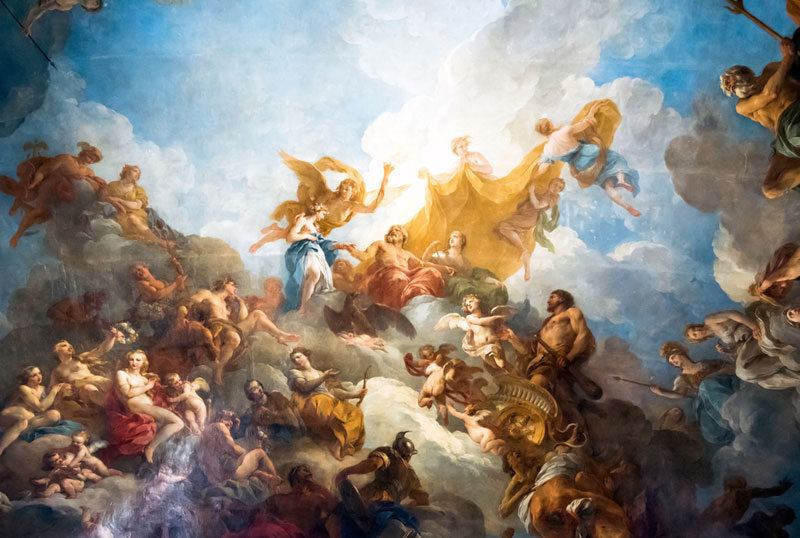
A philosophical definition of heaven, as distinct from the modern theology’s concept, may result in a better understanding of spiritual factors. Theologies, blinded by their jot and title creeds, have come to regard heaven as a place, distant and formal, populated by a spiritual genus, and ruled over by a capricious anthropomorphic deity. This celestial despotism exists nowhere except in the imagination of the unenlightened.
The heaven of the wise is Space itself – an immeasurable empire extending throughout the uttermost extremities of Being. It is the empire of universal life, established upon the immovable foundations of existence. It is populated by a myriad of principals – luminous energies, as the ancient called them; gods, as it were known to the pagans.
Heaven is the empire of truth and fact. He who abides and truth and according to fact, abides in the celestial world. He who lives in his opinions and conceits, is exiled to the outer darkness.
Hermes said the law of analogy was the priceless key to divine mysteries. With the aid of this law the ancient philosophers explored the heavenly world, creating a divine science which they preserved in their temples, imparting its elements only to those whom they regarded as worthy of so noble a learning.
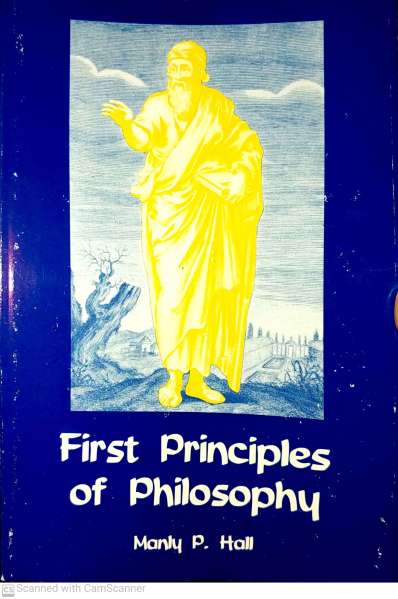
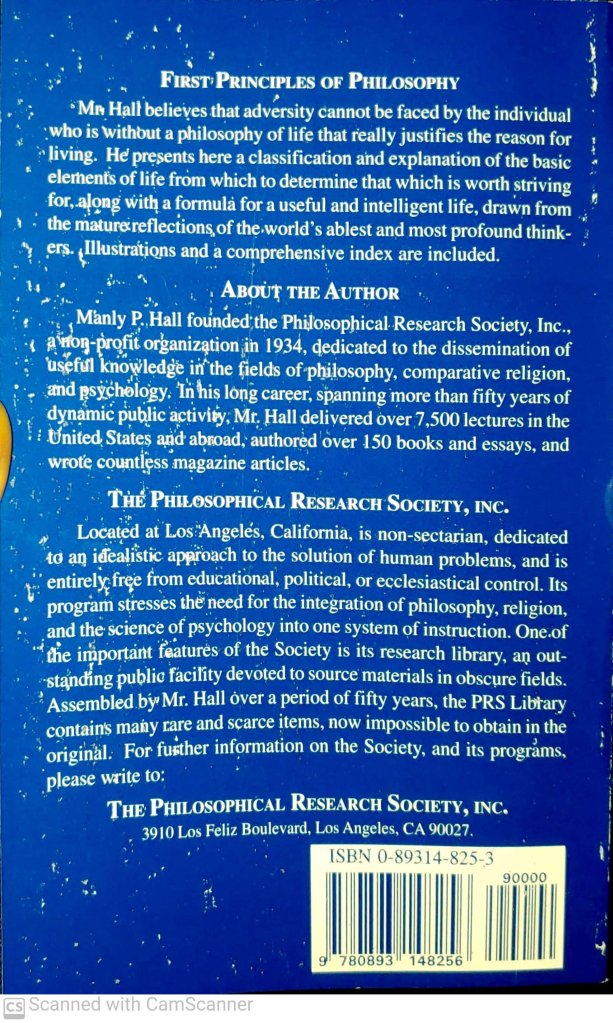
Manly P. Hall
Heaven of the Wise, A Divine Science
 ErudiTarot