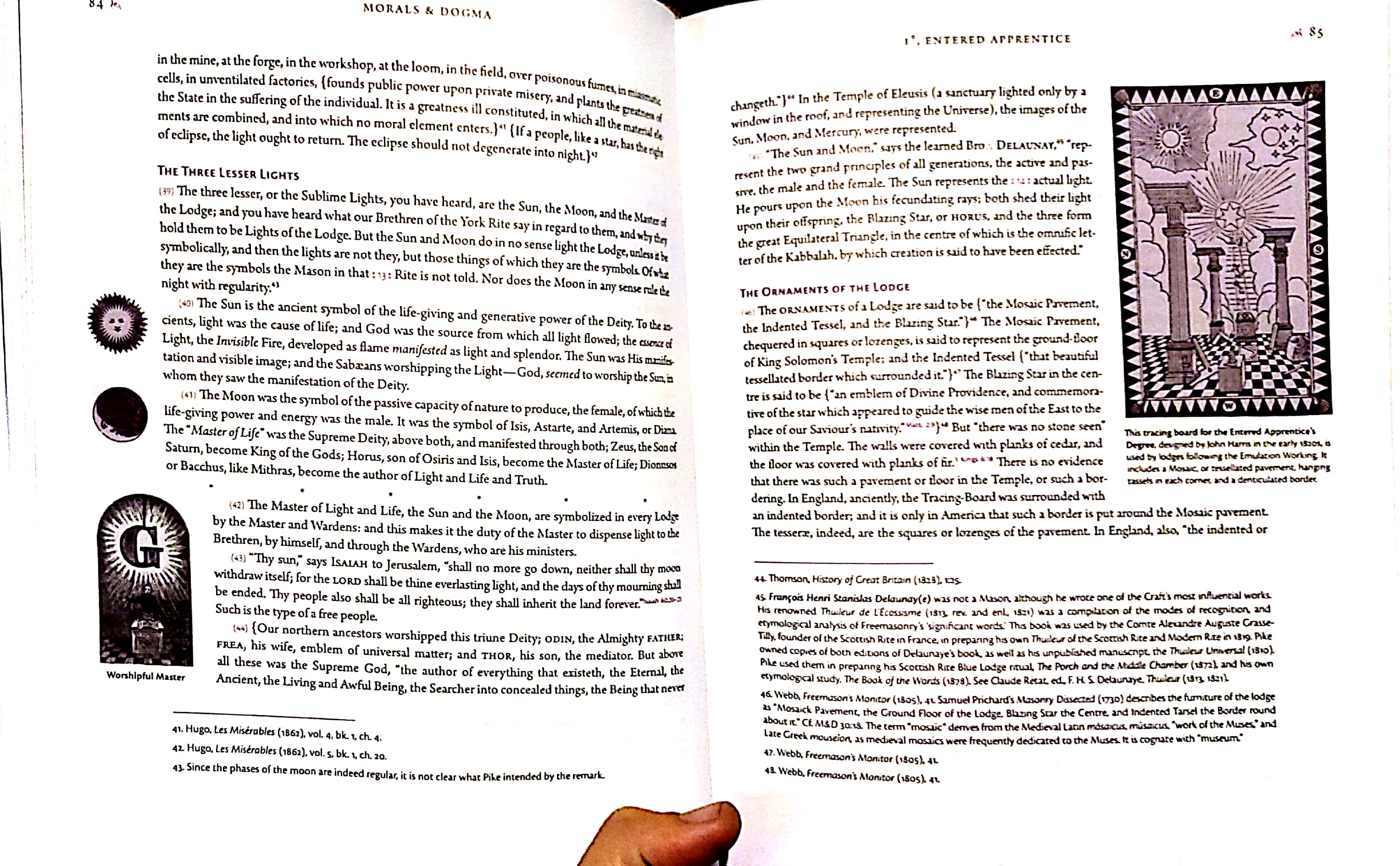
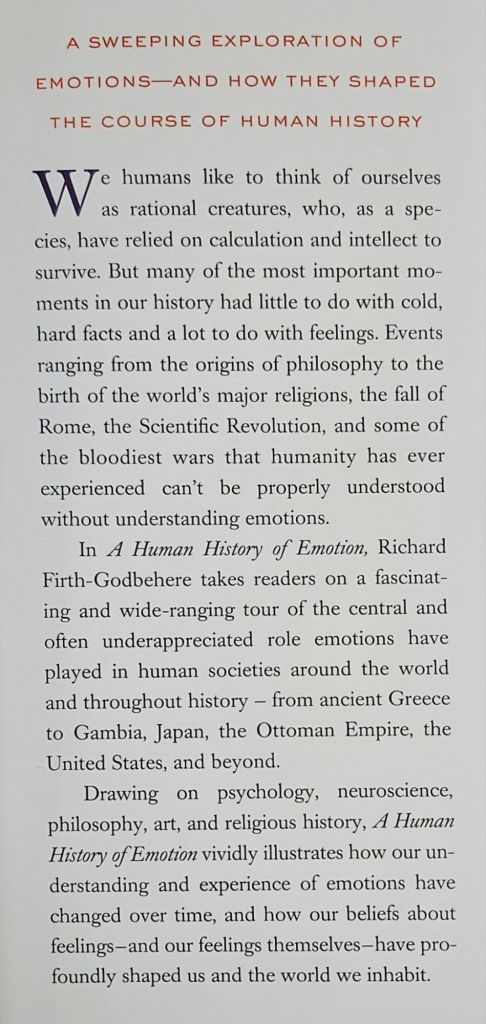
A Human History of Emotion

Humans don’t feel emotions, either. Emotions are just a bunch of feelings that English-speaking Westerners put in a box around 200 years ago. Emotions are a modern idea – a cultural construction. The notion that feelings are something that happens in the brain was invented in the early 19th century.

…it’s difficult to pin down the types of feelings that do and don’t constitute emotions. There are almost as many definition of emotions as there are people studying them. Emotion is just a newer box. A box with poorly defined edges, I might add.

We might all feel similar things, but the way we understand and express those feelings changes from time to time and from culture to culture. Those important differences are where the history of emotion, and this book, live.

Never Look Away From Pain

Don’t look away. Don’t look down.
Don’t pretend not to see hurt.
Look people in the eye.
Even when their pain is overwhelming.
And when you’re hurting and in pain, find the people who can look you in the eye.

We need to know we’re not alone – especially when we’re hurting.

Brene Brown

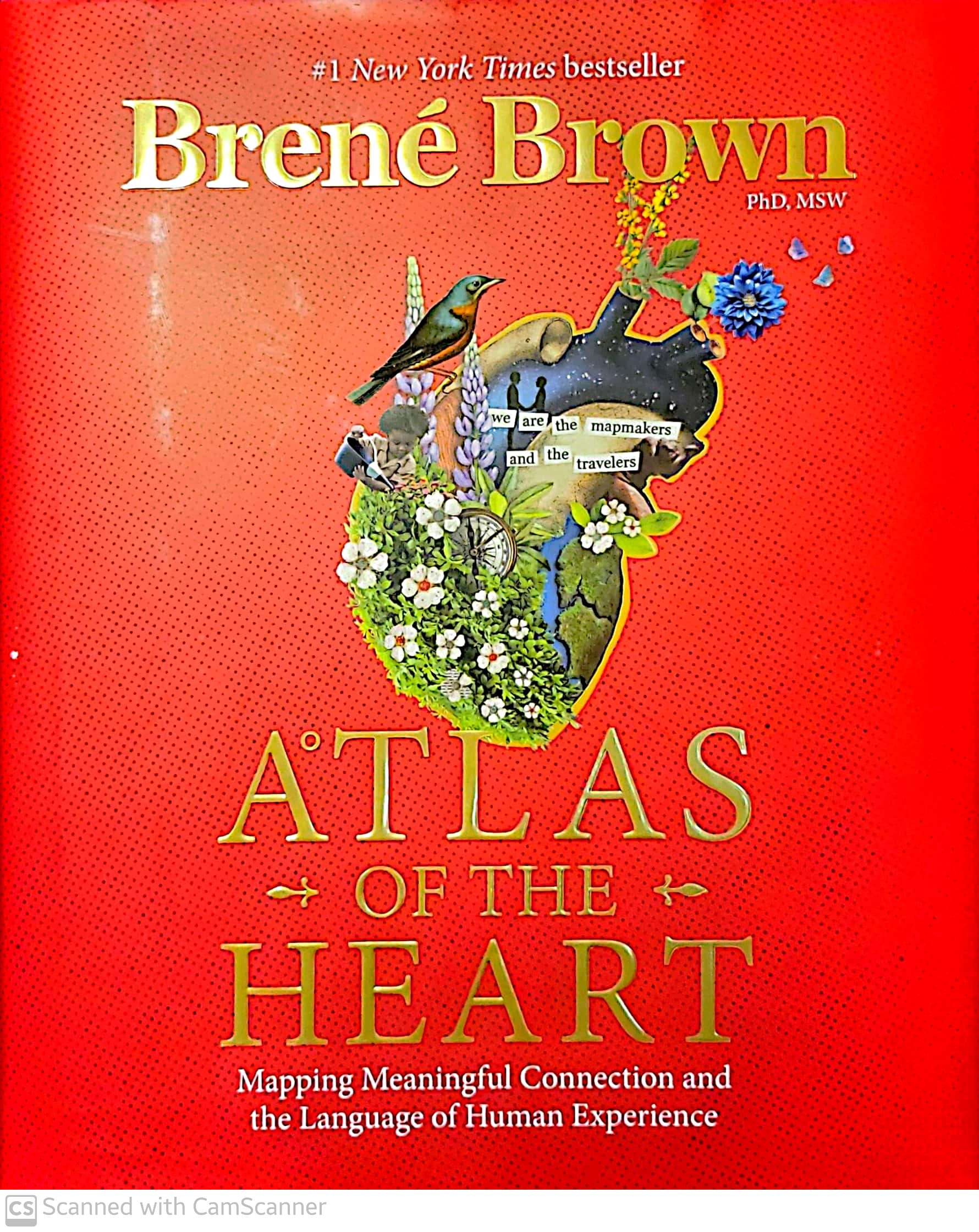
Atlas of the Heart

This is a deeply profound book. It’s almost biblical. In the introduction alone, there is a handful of lines you can spend ages breaking down and interpreting. Just about everything is quotable.

This book is sort of the hard, data driven science, behind the Christian maxim of redemption of the soul is to be found in truthful speech. This work also helps to explain the LOGOS (the creative power behind words/truthful speech).

Language is our portal to meaning making, connection, healing, learning, and self awareness. Having access to the right words can open up entire universes. When we don’t have the language to talk about what we are experiencing, our ability to make sense of what’s happening and share it with others is severely limited. Without accurate language, we struggle to get the help we need, we don’t always regulate or manage our emotions and experiences in a way that allows us to move through them productively, and our self awareness is diminished. Language shows us that naming and experience doesn’t give the experience more power, it gives us the power of understanding and meaning….

Language speeds and strengthens connections in the brain when we are processing sensory information. But newer research shows that when our access to emotional language Is blocked, our ability to interpret incoming emotional information is significantly diminished. Likewise, having the correct words to describe specific emotions makes us better able to identify those emotions in others, as well as to recognize and manage the emotional experiences when we feel them ourselves.

Brene Brown

Laboratory of Ideas

When gathered together, we feel safe to be ourselves, to be vulnerable. Meeting on the level, we work on ourselves, opening our minds, learning to view mankind as a family composed of brothers and sisters. Freemasonry may be seen as a laboratory, as lodges are ideal places to test new ideas. But they also act as an incubator, allowing new concepts to flourish. Out in the world we can observe our ideas to see what happens when they reach maturity.

Moreover, perhaps more than most religions, Freemasonry offers a bridge between the past and future (just like the US constitution). Through willing to embrace new ideas, Freemasonry’s intentionally deliberate nature prevents it from being swept up by mob rule

Russ Charvonia

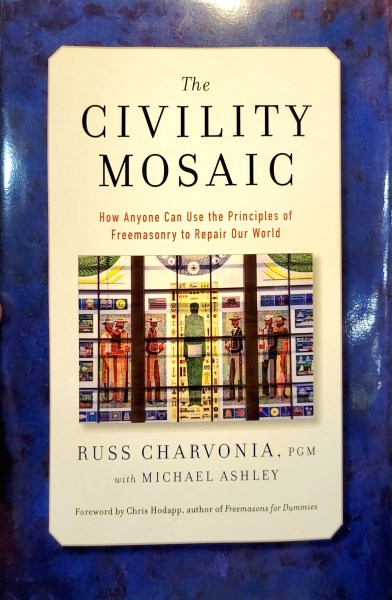
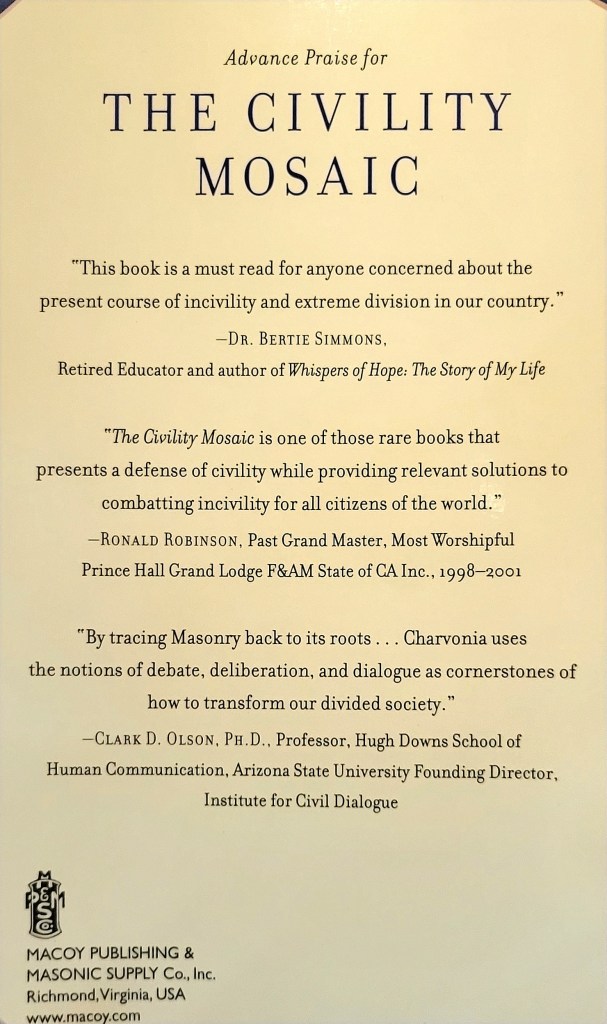
Civility Mosaic

The Civility Mosaic is a practical guide that zeros in on what is arguably the greatest ailment affecting Western civilization today: the almost complete breakdown of civility and the balkanization of the population into warring tribes engaged in a scorch Earth battle to silence one another’s opinions.

There is a razor thin line between democracy and rule by the mob…

John Adams wrote “Our constitution was made only for a moral and religious people. It is wholly inadequate to the government of any other.” They recognize that our nation’s ongoing survival depended on its citizens being equipped with the civic virtues of honesty, courtesy, responsibility, industriousness, marriage, and religious devotion of some kind.

Freemasonry was deliberately encouraged to expand westward across America specifically to teach this rough desperate and illiterate public how to get along with one another…. The Masonic lodge became a classroom wherein its members learned how to operate a Republic. In an age before widespread, organized schools, the lodge ritual introduced members to concepts of Enlightenment, of the liberal arts and sciences, of the importance of honor and duty of the Cardinal virtues and more… We still teach our members the same ancient code of behavior and elements of character that sustained Western civilization for centuries.

The Civility Mosaic is a Handbook, a primer about how to apply the philosophy, lessons, and structure of Freemasonry to repair our relationships with others and, in doing so, repair the society around us….

If you are not a Mason yourself, it will provide valuable insight into this ancient and honorable society. If you are a Mason, it’s an exciting book, a guide to spreading the evangel of equality, brotherhood, and the power of the individual to act as a powerful force in the world around him.

Chris Hodapp

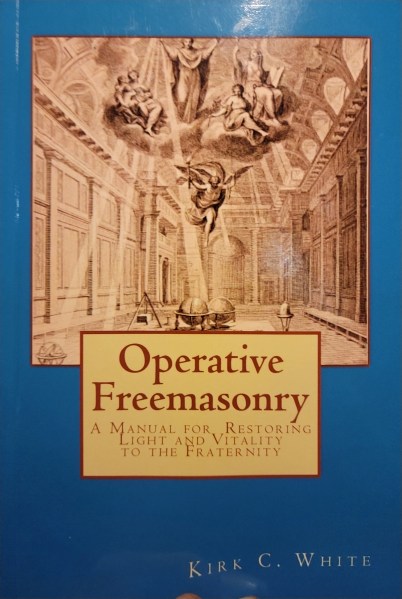
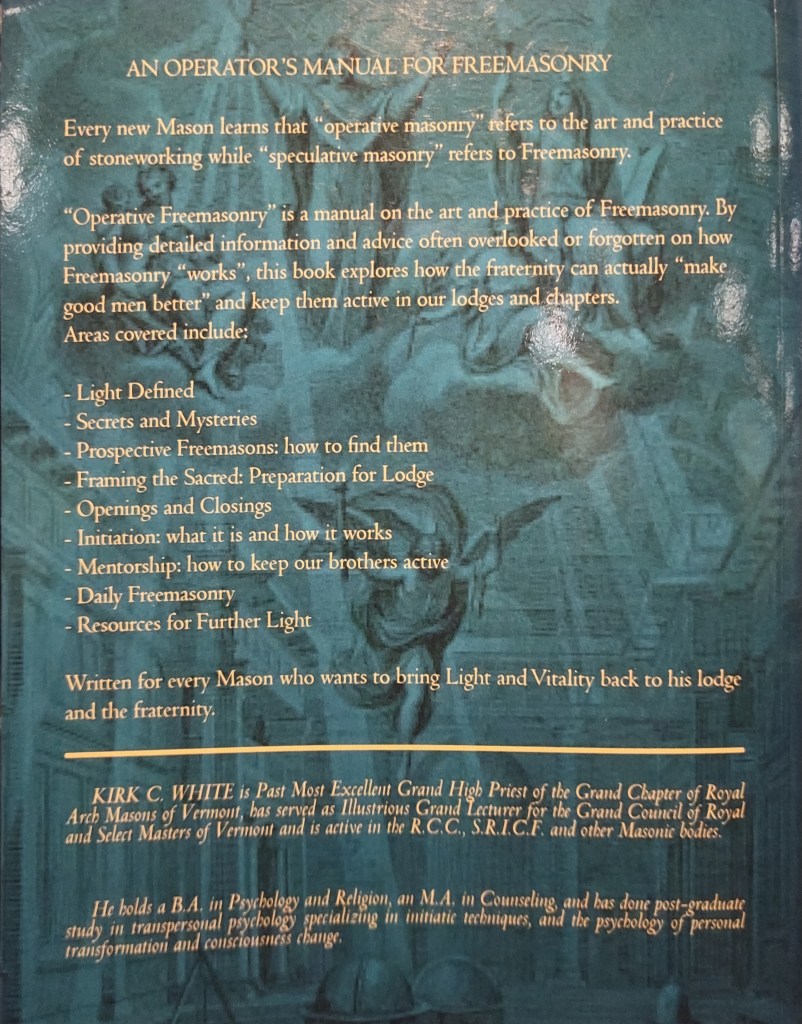
Operative Freemasonry

…Freemasonry is exceptional. That is, I believe that Freemasonry is something special. It isn’t the same as the Rotary, Lions, or any other civic group. Nor is it equivalent to your bowling team. It is a very specific system designed to effect the moral and spiritual transformation of its members. When done conciously and properly, it should actually change the men who join. It should set them in a lifelong journey of spiritual, moral, and mental growth that the average person can’t get anywhere else.

Kirk C. White

Art – The Foundation of the Process by Which We Unite Ourselves Psychologically

Making something beautiful is difficult, but it is amazingly worthwhile. If you learn to make something in your life truly beautiful – even one thing – then you have established a relationship with beauty. From there you can begin to expand that relationship out into other elements of your life and the world. That is an invitation to the divine. That is the reconnection with the immortality of childhood, and the true beauty and majesty of the Being you can no longer see. You must be daring to try that.

If you study art (and literature anf the humanities), you do it so that you can familiarize yourself with the collected wisdom of our civilization. This is a very good idea – a veritable necessity – because people have been working out how to live for a very long time. What they have produced is a strange but also rich beyond comparison, so why not use it as a guide? Your vision will be grander and your plans more comprehensive. You will consider other people more intelligently and completely. You will take care of yourself more effectively. You will understand the present more profoundly, rooted as it is in the past, and you will come to conclusions much more carefully. You will come to treat the future, as well, as a more concrete reality (because you will have developed some true sense of time) and be less likely to sacrifice it to impulsive pleasure.  You will develop some depth, gravitas, and true thoughtfulness. You will speak more precisely, and other people will become more likely to listen to and cooperate productively with you, as you will with them. You will become more your own person, and less a dull and hapless tool of peer pressure, vogue, fad, and ideology.

Buy a piece of art. Find one that speaks to you and make the purchase. If it is a genuine artistic production, it will invade your life and change it. A real piece of art is a window into the transcendent, and you need that in your life, because you are finite and limited and bounded by your ignorance. Unless you can make a connection to the transcendent, you will not have the strength to prevail when the challenges of life become daunting. You need to establish a link with what is beyond you, like a man overboard in high seas requires a life preserver, and the invitation of beauty into your life is one means by which that may be accomplished.

It is for such reasons that we need to understand the rule of art, and stop thinking about it as an option, or a luxury, or worse, an affectation. Art is the bedrock of culture itself. It is the foundation of the process by which we unite ourselves psychologically, and come to see established productive peace with others. As it is said, “Man shall not live by bread alone”. That is exactly right. We cannot live without some connection to the divine – and beauty is divine – because in its absence life is too short, too dismal, and too tragic. And we must be sharp and awake and prepared so that we can strive properly, and orient the world properly, and not destroy things, including ourselves – and beauty can help us appreciate the wonder of Being and motivate us to seek gratitude when we might otherwise be prone to destructive resentment.

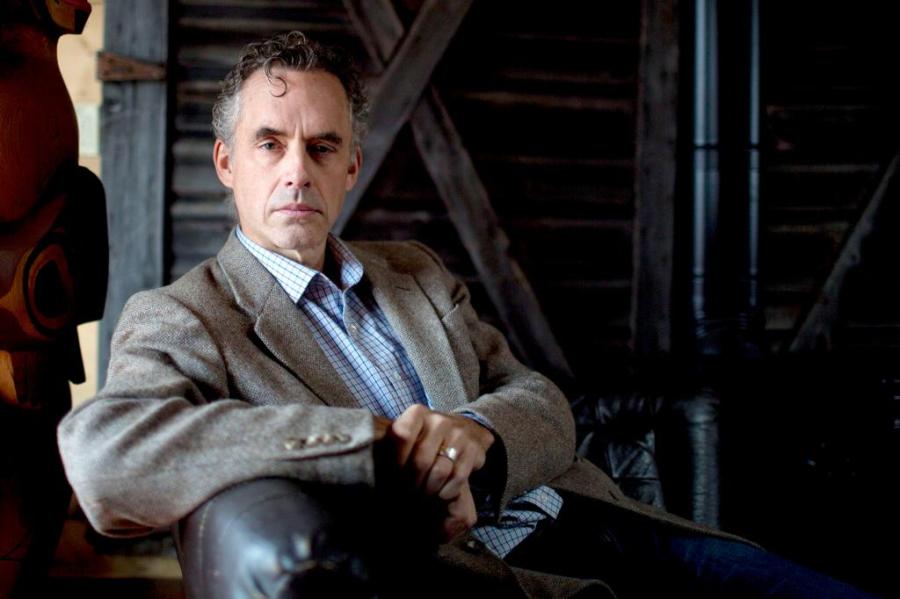
Jordan Peterson

Masonic Archeology

It is true that Freemasonry is the parent of all religion, the original worldwide cosmic gnosis, diffused in ancient times to the uttermost ends of the earth. Freemasonry is the Pompeii of prehistoric science. All the Masonic ritual, it’s Egyptian signs, it’s Chaldean grips, it’s Sanskirt passwords, is ancient Hebrew symbols, it’s cabalistic allusions and its historical records are supremely scientific and a survival through long ages, by various underground channels, of the knowledge of the universe which was gained by Sabian astronomers from the temple tops of Chaldea, India and China and recorded by the equally learned geometers and mathematicians of the ancient Orient.

Frank C. Higgins

Why Esoteric Traditions Veil Their Truths

Many people look down on institutions or organizations that openly claim to keep secrets. Christians have been one of the harshest critics about this and baselessly claim Masonic secrets are kept for nefarious reasons. Yet even Christianity veils truths in their scripture and their teachings. Just about every esoteric and/or occult group, practice veiling their deepest truths in symbolism and allegory. Even nature hides Truths in plain sight.

Below are some quotes on the subject, one even coming from the bible.

Masonry, like all the religions, all the Mysteries, Hermeticism and Alchemy, conceals its secrets from all except the adepts and sages, or the elect, and uses false explanations and misinterpretations of its symbols to mislead those who deserve only to be misled; to conceal the Truth, which it calls Light, from them, and to draw them away from it. Truth is not for those who are unworthy or unable to receive it, or would pervert it.

Albert Pike

Do not give what is holy to dogs; and do not cast your pearls before swine, or they will trample them underfoot and turn and mow you.

Matt 7:6

There are a few reasons this is done and it’s not done for any nefarious reasons. Though, obviously a corrupt institution can do it for nefarious reasons.

One of the main reasons this is done is to prevent people from perverting the truth for their own gain. I can use the mainstream accepted “Truth” about Lucifer, from the Bible, as an example. The veiled truth is that Lucifer (as stated in the Bible, he is the Light Bringer) is to be thought of more as a force, not an existing personified demon. Understanding Lucifer as a force means that as an individual, seeing evil in their heart, has to take responsibility for that evil. Because it is a force that stems from them and that they partake in. If the uninitiated, profane, and/or unworthy find out this truth they would pervert it. They would rather think of Lucifer as a personified demon, as something separate from them, so that they can avoid all responsibility for that evil. “It’s not me, it’s the devil, it’s his fault!”

People would rather deny the torture of understanding their baser yearnings in self deceit. The more the actual truth is pushed on certain individuals the more they push back. Self deceit turns into denialism and a whole new way of seeing the world. These people build a new a better truth for themselves, at the detriment to the world around them, so it’s better to veil these deeper truths from the profane.

Another main reason the truth is veiled is because truth is actually a very subjective thing. “Truth is the aim of belief” and we all have different beliefs and aims.

Truth is the property of being in accord with fact or reality. In everyday language, truth is typically ascribed to things that aim to represent reality or otherwise correspond to it, such as beliefs, propositions, and declarative sentences.

Wikipedia: Truth

Just telling an individual the Truth doesn’t work, they have to find the Truth for themselves. So you veil the Truth in such a way that it leads people on a journey to discover it for themselves, in their own way.

Without this method people will never understand the Truth on their own. This is the main reason Masons hide their Truths in symbolism and allegory. This is the philosophy of a Freemason, to attempt to lift the veil of reality into the deeper Truths that lay hidden in plain sight.
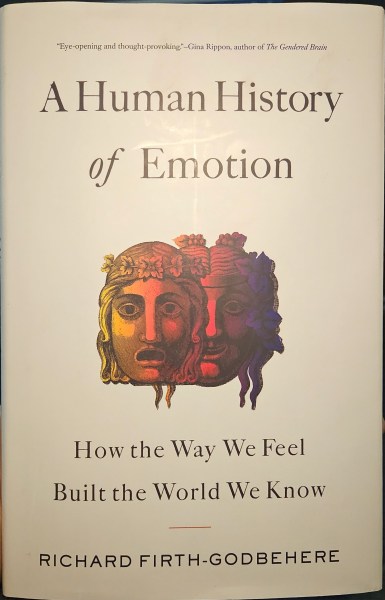
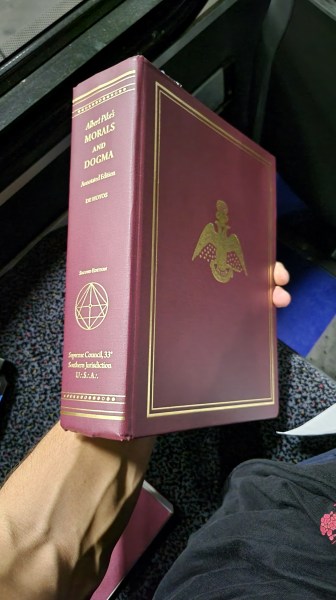
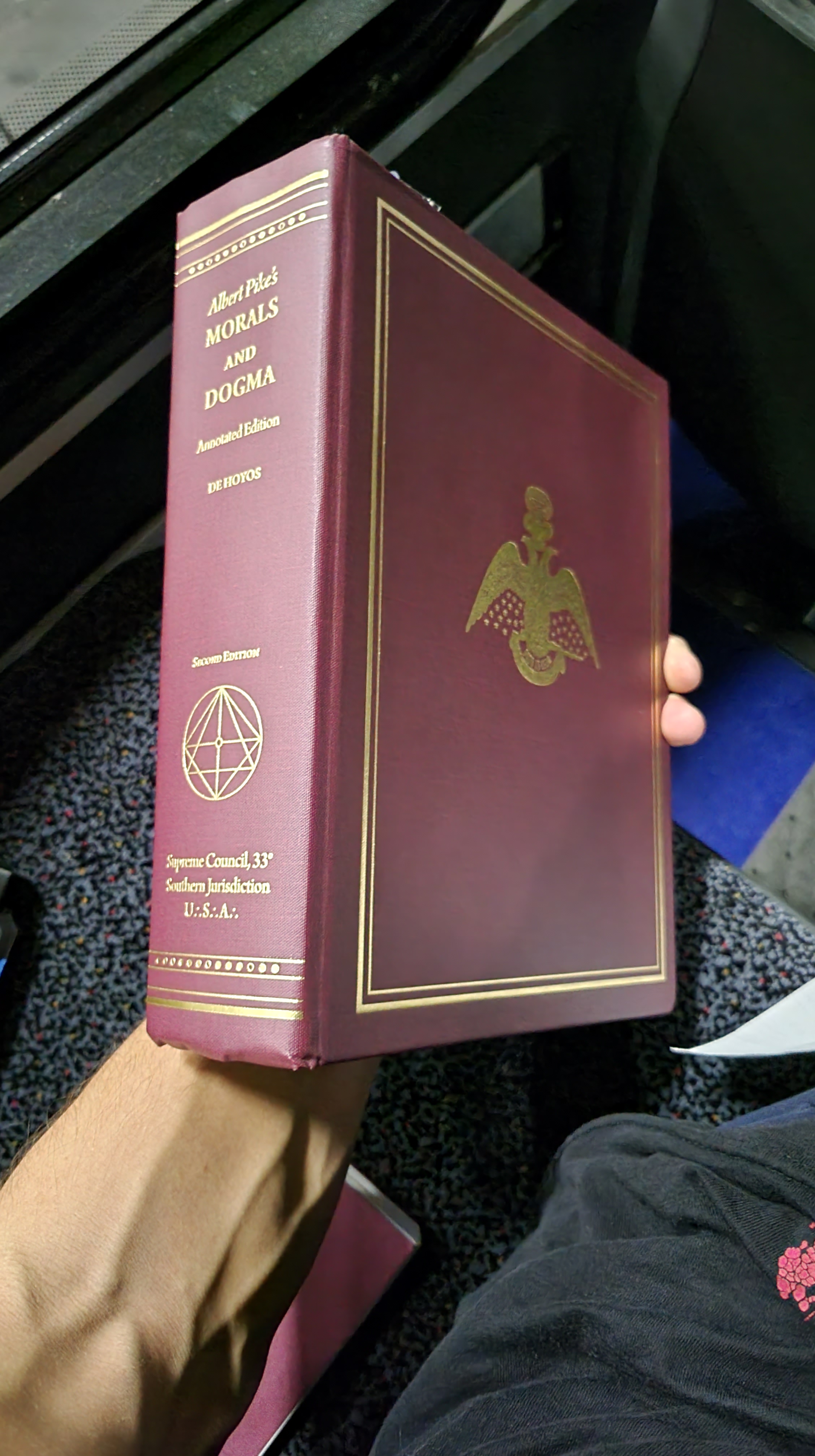
Morals and Dogma

Reading morals and dogma is an epic adventure punctuated by rhapsodic beauty and sheer confusion. Pike and his sources swing our attention to the perennial grear questions: Where do we come from? Who are we? Why are we here? What are the duties of man? What assurance do we have of a Divine Presence in the human spirit? What is the nature of reality? What ethical and moral obligations does one have to the world at large? Is there anything to be learned from human suffering? Can people of different faiths agree on a shared religious duty?

These questions, and many others, agitate the mind, and rivet our attention as much today as they did in Plato or Aristotle’s time, let alone a mere 140 years ago.

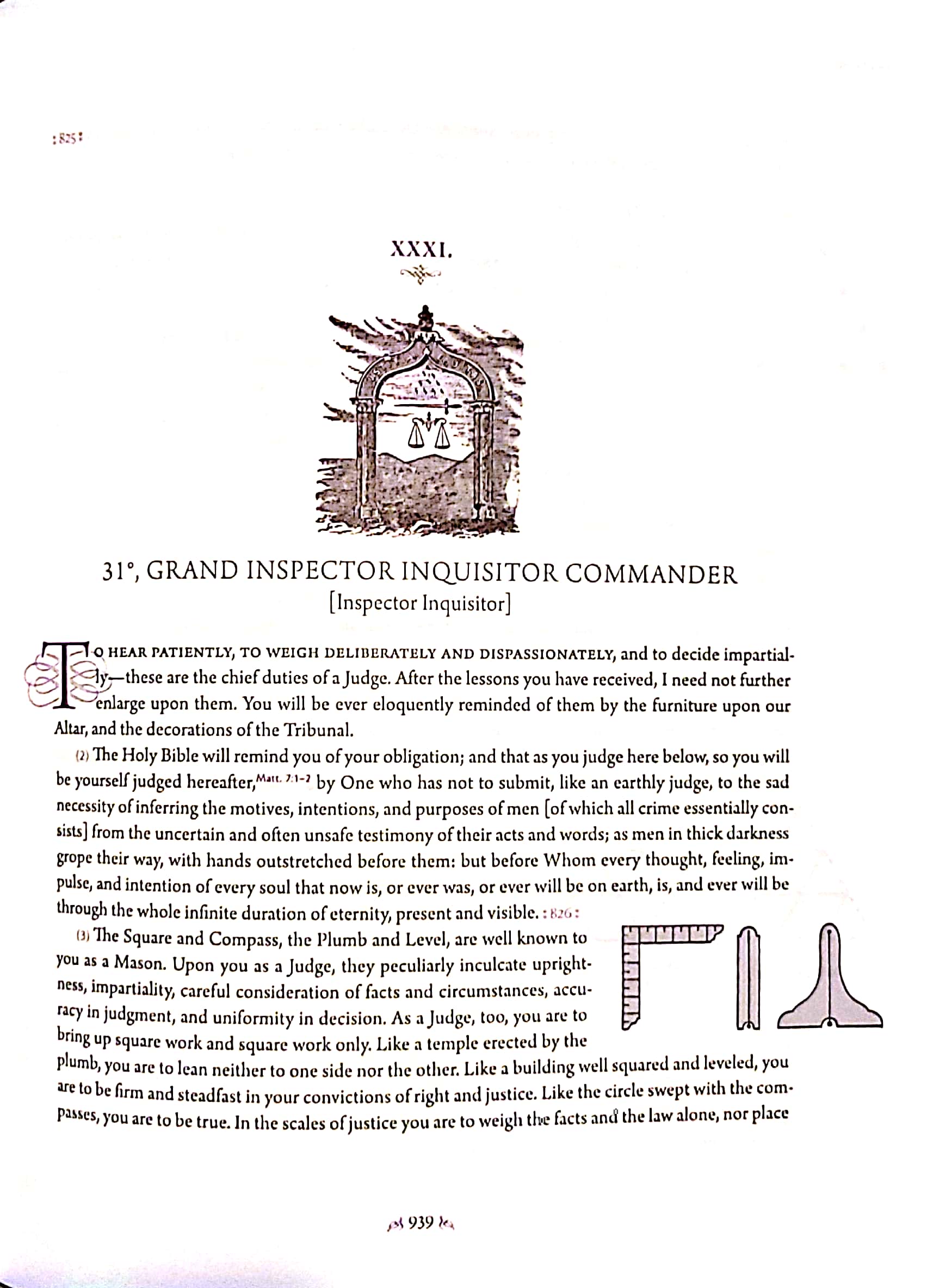
The relevance of Morals and Dogma today lies in it’s exploration of the great questions and philosophical dilemmas which have always moved humanity. Particularly for the Mason, this book serves the useful purpose of putting Masonic morality and ethics within the context of the general society. Morals and dogma bids man to think large – to cast aside the petty concerns of everyday life and to be better than he even believes he can be. As initiates of the 30 degree Knight Kadosh are aware, “Strive not to be better than others, but to be better than thyself” Is one of the duties of a Masonic philosopher.

Supreme Council 33 Degree